
Wholesale Dog Treats in Bulk Australia: A Guide for Retailers and Brands
Buying wholesale dog treats in bulk for Australia starts with three practical questions: will the range suit your customers, can it reach your warehouse under the applicable import conditions, and does the delivered cost leave room for a viable business?
For pet shops, online retailers, distributors and private label brands, the answers shape everything from the first sample request to the next stock order. A competitive price per kilogram is useful, but so are consistent products, suitable packaging and a clear replenishment plan.
This guide explains how to compare bulk dog treat suppliers, choose a focused product range and prepare a useful quotation request for the Australian market.
Planning your own range? Contact Matchwell Pets with your preferred treats, pack sizes and estimated order quantity to discuss wholesale and private label options.
Local Wholesale or Overseas Manufacturing: Which Suits Your Business?
First, decide whether you need stock already available in Australia or a manufacturing partner for a planned bulk order.
| Buying route | When it may suit your business | What to confirm |
|---|---|---|
| Australian stockholding wholesaler | Smaller replenishment orders and buying an existing range | Available stock, carton quantities, delivery to your postcode and remaining shelf life |
| Overseas OEM/ODM manufacturer | Developing your own brand, custom specifications or larger scheduled orders | Product eligibility for import, production MOQ, packaging requirements and the complete delivery timetable |
An Australian wholesaler may sell either locally made or imported treats. Buying from a local business does not, by itself, establish where a product was manufactured.
Matchwell Pets is a China-based B2B pet product manufacturer offering wholesale and OEM/ODM services. Australian buyers can discuss manufacturing projects with our team, with product suitability and import requirements assessed for the proposed order.
Choose Bulk Dog Treats Around How Your Customers Buy
Give each product a clear role: a training reward, an everyday snack, a premium treat or a chew. This makes the range easier to explain and helps you avoid launching several products that compete for the same sale.
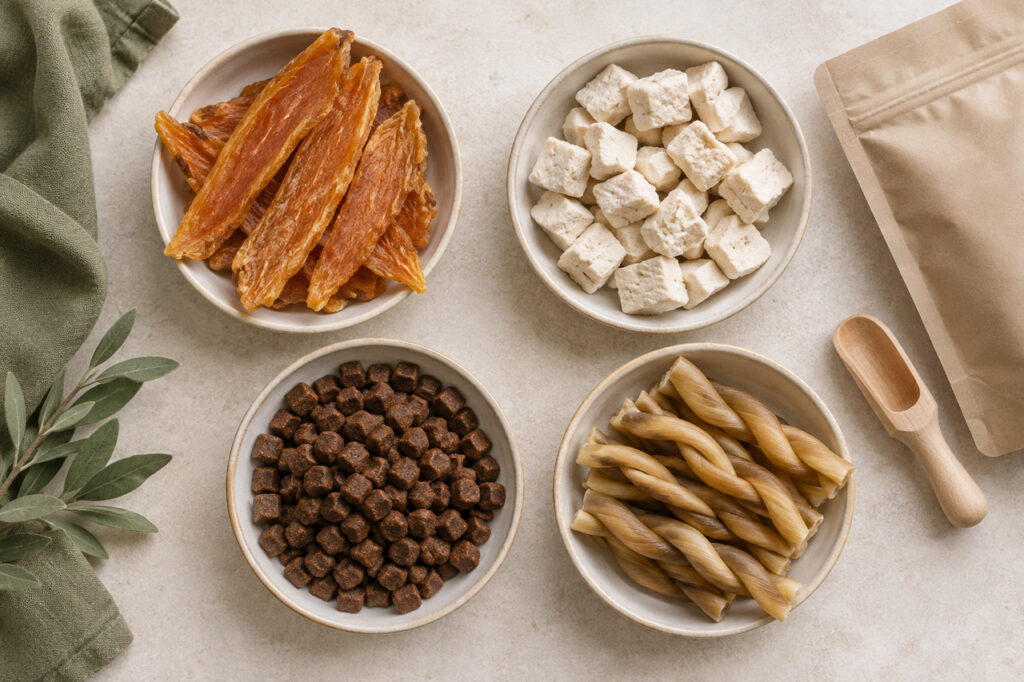
| Treat format | Potential role in your range | Useful sample checks |
|---|---|---|
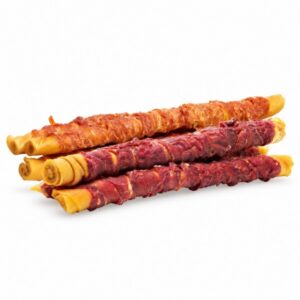
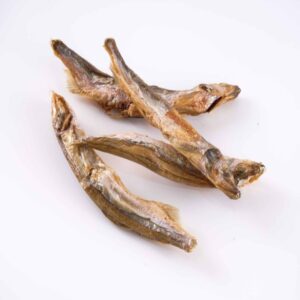
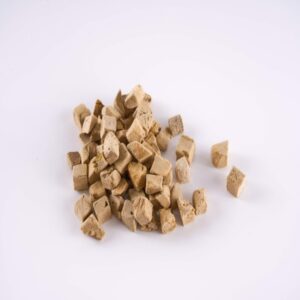
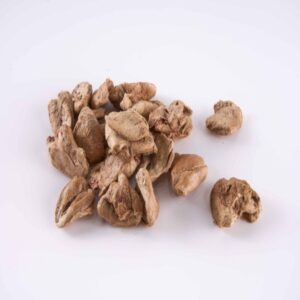
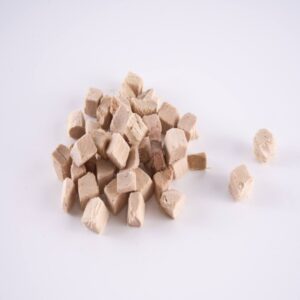
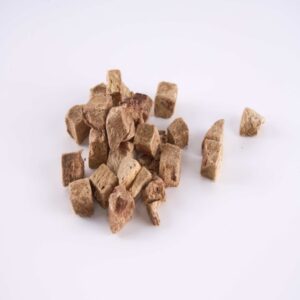
| Chicken or duck jerky | An everyday reward with a recognisable meat texture | Thickness, flexibility, aroma and consistency between pieces |
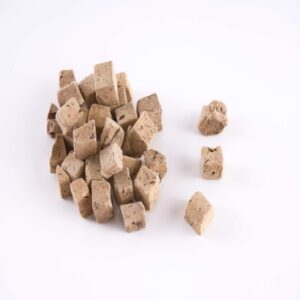
| Small training bites | Repeat rewards for training and enrichment | Piece size, handling, crumbs and portion information |
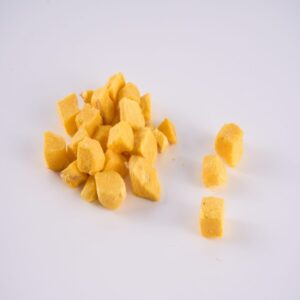
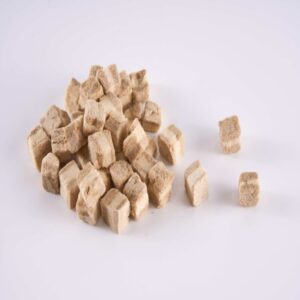
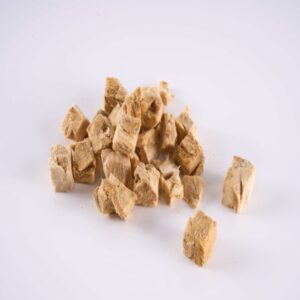
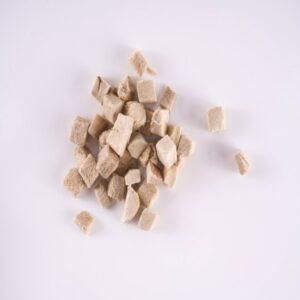
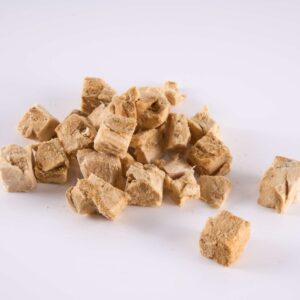
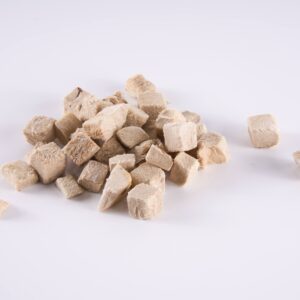
| Freeze-dried treats | A premium treat format for a clearly defined customer | Ingredient specification, product integrity and packaging protection |
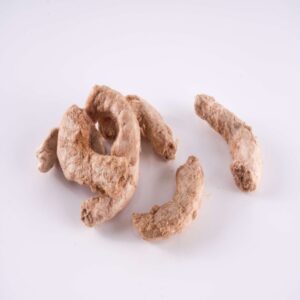
| Dog chews | A separate chewing category alongside snack products | Dimensions, texture, intended dog size and usage guidance |
These are range-planning options, not a statement that every recipe or processing method is eligible for Australian import. Confirm the exact product before committing to stock.
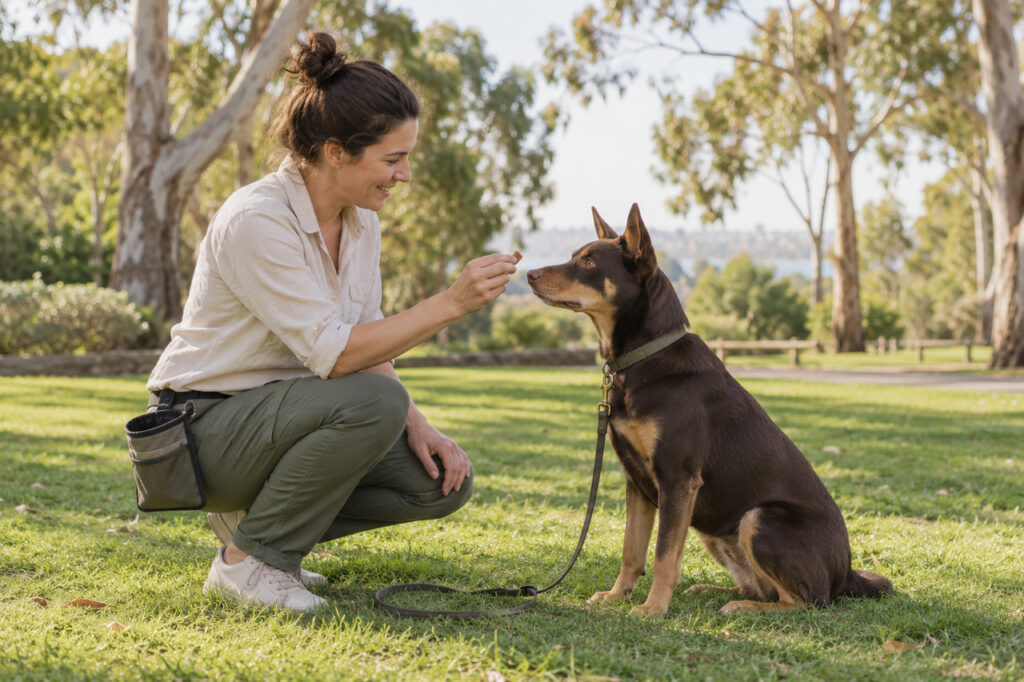
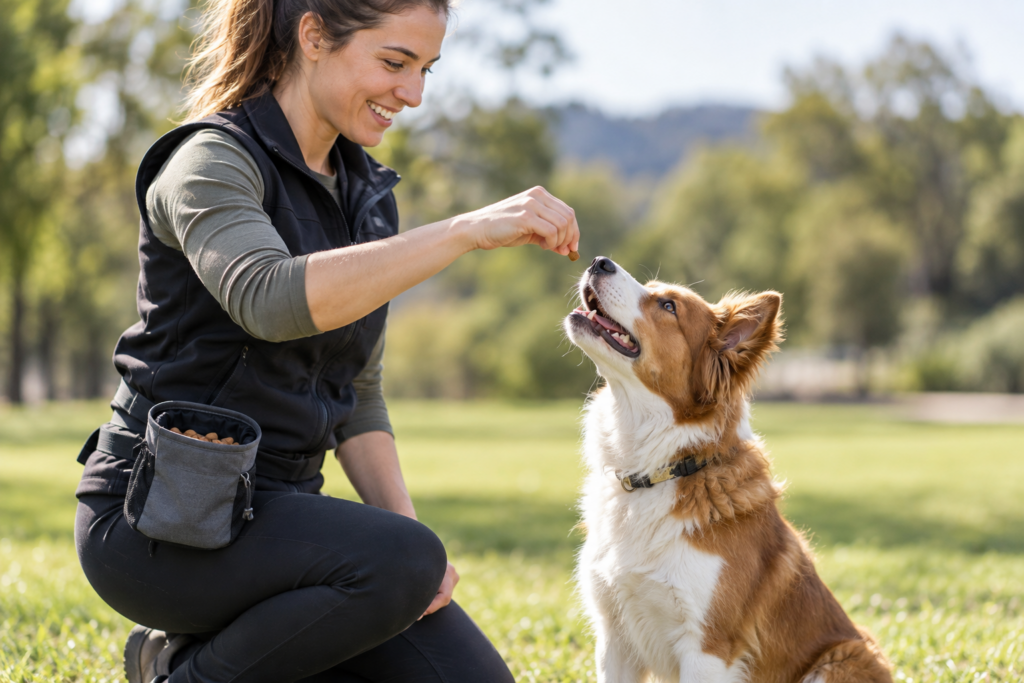
Training treats: make repeat use convenient
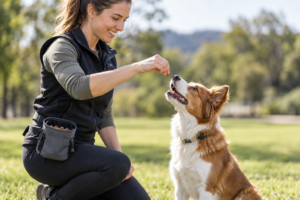
For trainers and customers attending puppy school, practical details matter. Can the treat be handled easily during a session? Does it leave excessive crumbs in a pouch? Is the piece size consistent enough to support clear feeding guidance?
Compare samples in the way customers will use them. A product that looks appealing in a bowl may behave differently after an hour in a training pouch. Age suitability should be confirmed for the individual recipe.
Explore Matchwell’s dog training and reward treats when preparing your shortlist.
Jerky, freeze-dried treats and chews: define the specification
For jerky, agree acceptable thickness, piece weight and texture. For freeze-dried products, ask how the packaging will protect the pieces during transport and storage. For chews, clarify the material, dimensions and intended use rather than relying on a photograph.
A short ingredient list can support a straightforward product story. Claims such as “single ingredient”, “no added preservatives” or “dental” still need evidence for the exact product. Include the wording you want to use in the development brief so it can be reviewed before packaging is printed.
Browse dog treat options and dog chew formats to start the discussion.
Check Australian Import Conditions Before Ordering
For an overseas order, use the Department of Agriculture, Fisheries and Forestry’s Biosecurity Import Conditions system, BICON, to check whether the proposed goods are permitted and what documentation, treatment or permit requirements apply. Some products are not permitted; others can enter only when their conditions are met. DAFF’s BICON guidance.
Give your Australian importer or customs broker the full ingredient list, animal species, ingredient origins, manufacturing country and processing details. Ask them to identify the relevant import case before you approve production or dispatch samples. A product description such as “natural chicken treats” is not a complete technical specification.
Where an import permit is required, it must be granted before the goods arrive in Australia. Build this into the purchasing schedule and confirm readiness before dispatch. DAFF’s import permit guidance.
Do not assume a small sample parcel is exempt. DAFF specifically states that there are no small-quantity or personal-pet exemptions for the pet food, treats and chews covered by its guidance. DAFF’s bringing or mailing goods guidance.
Agree on Product Quality Before Comparing Quotes
Use a written specification to make supplier comparisons meaningful. At a minimum, discuss:
- The complete recipe and how ingredient changes will be communicated.
- Piece size, weight range, texture and an approved reference sample.
- Relevant product testing, batch records and traceability information.
- Shelf-life evidence, storage instructions and minimum remaining shelf life on arrival.
- The process for investigating damaged packs or products outside specification.
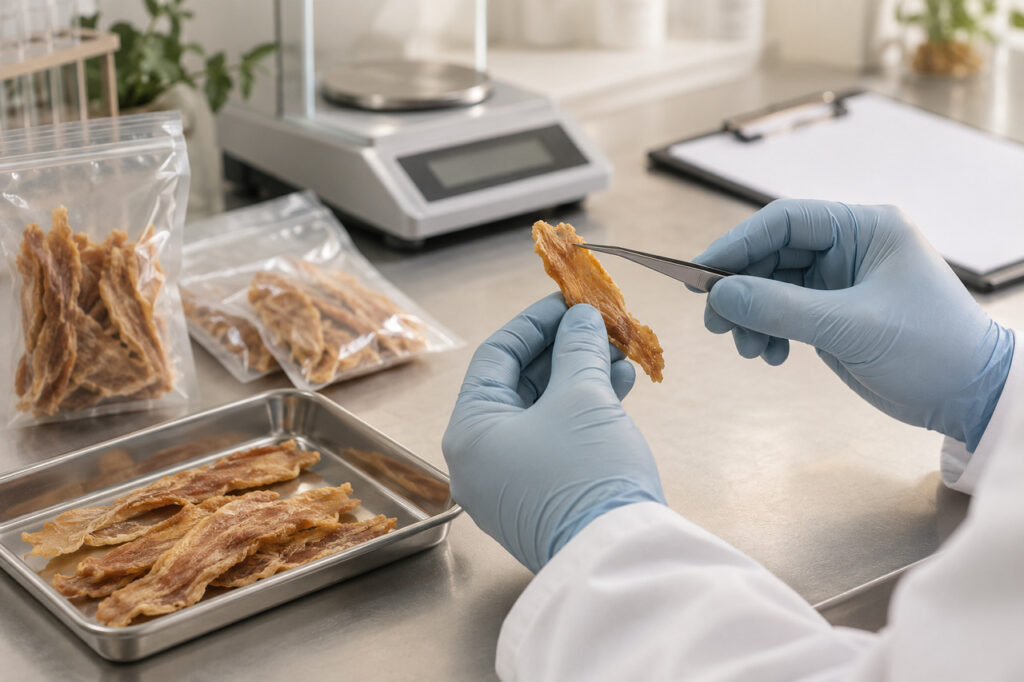
When reviewing a factory certificate, check the manufacturing site, activity covered and expiry date. Ask for the version relevant to your order. A certificate review and an Australian import assessment answer different questions; include both in your sourcing process.
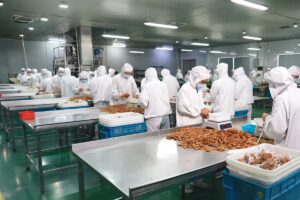
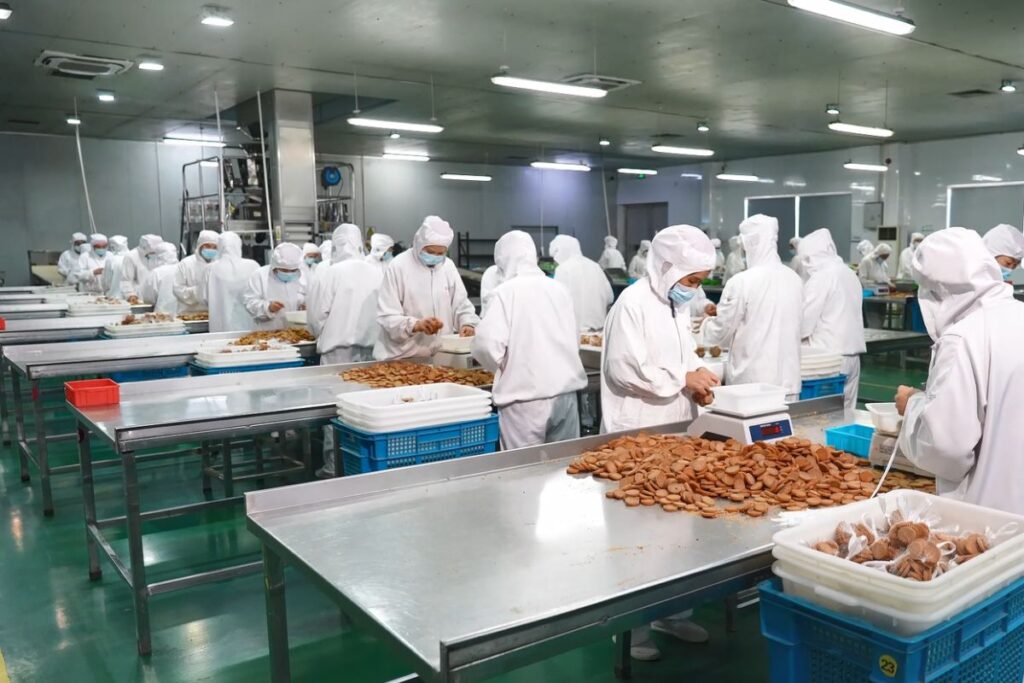
Matchwell describes a three-stage quality approach covering raw materials, production and third-party examination. Ask our team which records and testing arrangements are available for your selected products. Learn about Matchwell.
Private Label Dog Treats: Plan the Pack Alongside the Product
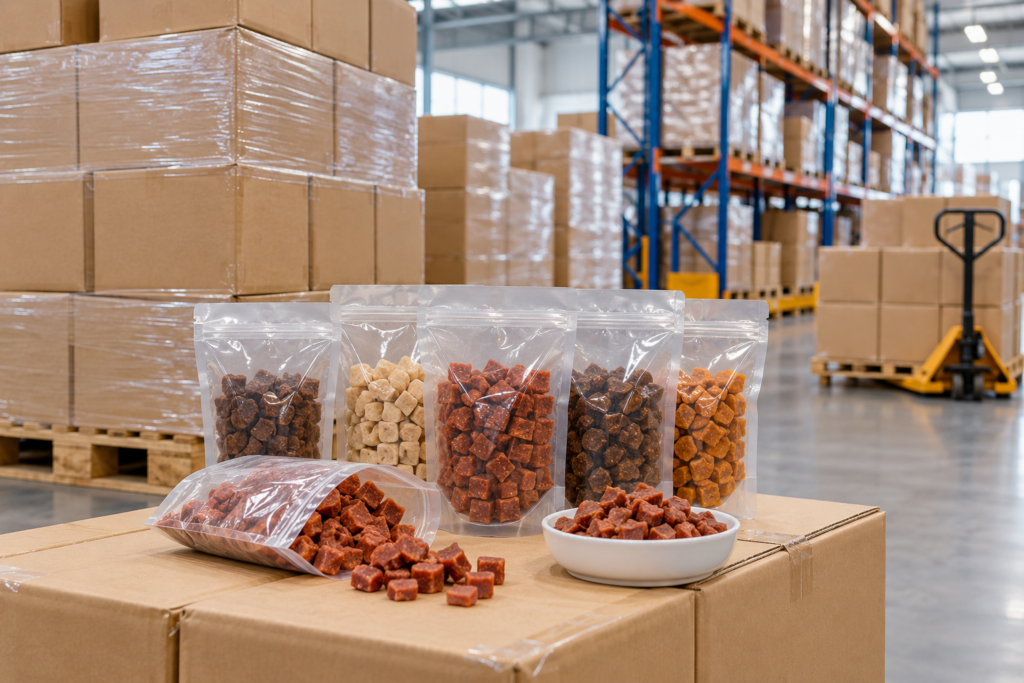
Private label packaging gives your business control over the brand presentation, but it also affects order quantities, storage and packing costs.
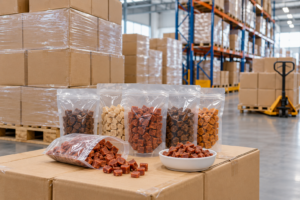
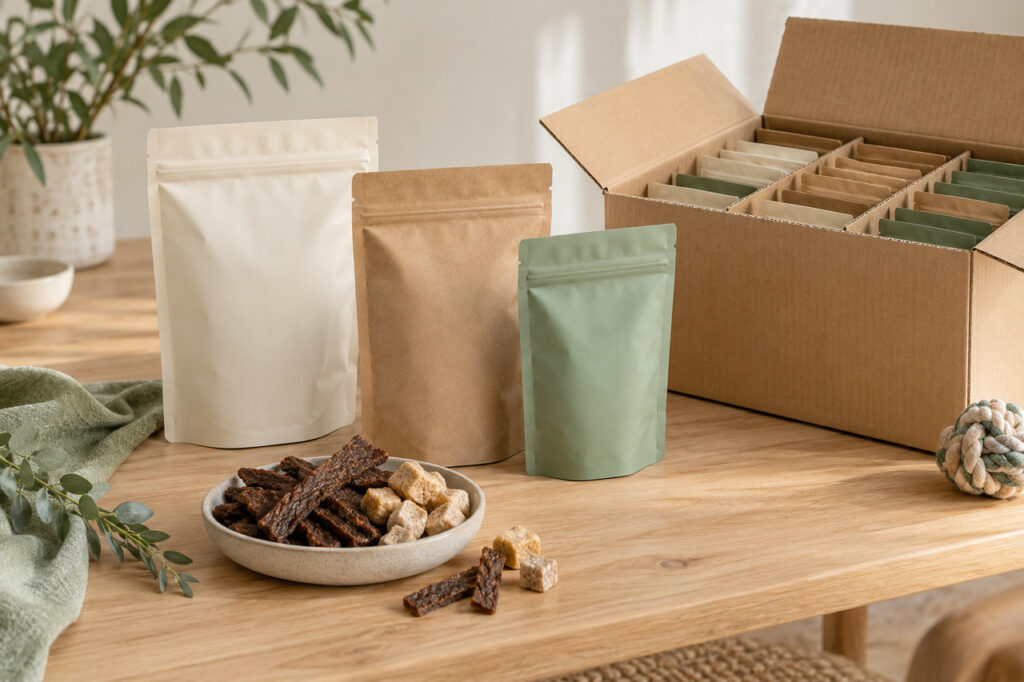
Prepare a brief that specifies the net weight, pouch format, closure, artwork requirements, barcode space and units per carton. Ask which options can be produced efficiently for your chosen treat.
For example, you might discuss 100 g or 200 g retail pouches for a shop range, or a larger resealable pack for repeat-use customers. These are starting points for a packaging discussion, not a fixed Matchwell size list. The right pack depends on product density, intended use and your target shelf price.
Use Australian English throughout the artwork: “flavour”, “colour” and “labelling”. Express weights in grams or kilograms, and check that the ingredient information, usage directions, storage guidance, batch details and business contact information suit the final product and market requirements.
Keep origin statements accurate. An Australian-owned brand and an Australian-made product are different claims, and words or imagery can create a misleading impression about origin. ACCC guidance on country of origin claims.
Understand MOQ and the Full Order Timetable
An MOQ is only useful when you know what it applies to. Ask whether the minimum is per recipe, flavour, treat size, pack weight or artwork design. Printed packaging may also have a separate minimum.
For eligible Matchwell projects, MOQ can start from approximately 500 kg, depending on the product and customisation requirements. Suitable standard projects may have production lead times of around 15–20 days after order and specification confirmation; obtain an order-specific schedule. Matchwell’s pet chew manufacturing guide.
Production time is one part of the calendar. Allow separately for development, sample review, packaging approval, import preparation, freight, clearance and delivery to your warehouse.
To understand the stock commitment, 500 kg packed into 100 g units equals 5,000 packs before allowances for filling and production losses. Compare that volume with your realistic sales forecast before adding more flavours or pack sizes.

For a first order, a focused range can simplify the work: choose a core product, approve the specification and packaging, then use actual sales and customer feedback to guide the next order.
Compare the Delivered Cost in Australian Dollars
Ask suppliers to identify the quotation currency, trade term and exact delivery point. Then compare costs on the same basis, including the services your own business must arrange.
Request delivery costs to your actual warehouse suburb and postcode. A quote to an Australian port and a quote to your premises cover different stages of the journey.
Here is a simplified planning example for 5,000 finished retail packs of 100 g each:
| Cost item | Illustrative amount |
|---|---|
| Treats and retail packaging | A$6,500 |
| International freight and insurance | A$1,100 |
| Clearance services and local delivery | A$900 |
| Subtotal | A$8,500 |
| Subtotal per saleable pack, assuming all 5,000 arrive saleable | A$1.70 |
This is a calculation example, not a Matchwell quotation or market price. It excludes applicable taxes and duties, any additional biosecurity charges, warehousing, selling costs and unexpected charges.
Add the missing costs relevant to your order before setting a retail price. Online sellers should also include fulfilment and marketplace costs; wholesale distributors should allow for their own customers’ commercial requirements.
For repeat orders, compare the expected shelf life on arrival with your sell-through rate. A cheaper pack is less attractive if a large share of the order remains unsold close to its best-before date.
Request a Useful Wholesale Quote from Matchwell Pets
The quickest way to start a productive discussion is to send a short purchasing brief. Include:
- Your business: company name, website and whether you sell through retail, online, distribution or training services.
- Your products: preferred treat formats, proteins and any ingredient restrictions.
- Your packaging: bulk packing or private label, proposed net weights and number of designs.
- Your volume: estimated first order and likely repeat purchasing quantities.
- Your destination: Australian suburb, state and postcode, plus your nominated port if known.
- Your timing: target launch date and any fixed stock-in deadline.
- Your import arrangements: whether you already work with an Australian importer or customs broker.
Not sure which products to choose? Tell us who your customers are and how you plan to sell. That gives our team a clearer starting point for discussing samples, specifications and packaging.
Request a wholesale dog treat catalogue and project quote to discuss your Australian range with Matchwell Pets.

Frequently Asked Questions
Can I buy wholesale dog treats in bulk for resale in Australia?
Yes. Businesses can source through Australian wholesalers or explore overseas manufacturing. Choose the route that fits your order size and branding needs, and confirm product-specific requirements before arranging an import.
Does Matchwell supply Australian-made dog treats?
Matchwell is based in China and offers overseas wholesale and OEM/ODM manufacturing. If Australian manufacture is central to your brand, specify that requirement when selecting suppliers and verify the origin of each product.
Can I put my own brand on the packaging?
Matchwell offers private label and OEM/ODM services. Confirm available recipes, pack formats, artwork requirements and MOQ for your project before commissioning final packaging.
What is the minimum order quantity?
Eligible Matchwell projects can start from approximately 500 kg. The actual minimum depends on the treat, recipe and packaging. Ask whether each flavour and design has its own minimum.
Can I request samples before a bulk order?
Discuss sample availability with our team and confirm the Australian import requirements before shipment. Review the samples against your written product specification and packaging brief.
How long will an order take to reach Australia?
The total depends on product development, production, documentation, shipping and clearance. Ask for a schedule to your agreed delivery point; a factory production estimate does not represent warehouse arrival time.
What should I send to get an accurate price?
Send the product type, preferred protein, quantity, pack weight, branding requirements and Australian delivery postcode. Include your target launch date and preferred delivery terms if known.