
Pet Treat Sample Approval Checklist for Private Label Buyers
A pet treat sample arrives, the color looks right and everyone agrees the packaging is attractive. The buyer sends a short message: approved. Weeks later, the production order raises questions about piece size, texture or how much breakage is acceptable.
The difficulty began with an approval that left too much undefined.
A pet treat sample approval checklist turns a promising prototype into a clear production reference. It should identify the recipe and sample version, record measurable product requirements, connect the product to its packaging and specify what still needs technical review. For private label buyers, this is one of the most useful steps between product development and a purchase order.
What should a pet treat sample approval include
A complete approval record links the agreed sample to a written specification and the relevant supporting documents. It also identifies the person responsible for each decision and the status of any unresolved item.
| Approval area | What to confirm | What to retain |
|---|---|---|
| Product identity | SKU, recipe version, sample date and intended market | Sample code and version record |
| Physical quality | Dimensions, weight, texture, appearance and agreed tolerances | Measurements, photos and evaluation method |
| Intended use | Species, feeding purpose and handling expectations | Product brief and evaluation results |
| Packaging | Pack format, fill weight, artwork and closure | Packaging specification and approved artwork |
| Technical review | Relevant test requirements, results and outstanding checks | Reports and release criteria |
| Commercial approval | Order specification, SKU split and agreed changes | Signed approval and purchase order references |
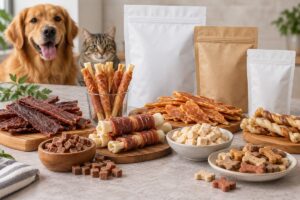
The checklist should fit the product. A freeze-dried piece, a rawhide chew and a cat puree require different physical and process evaluations. A shared document structure can still make those decisions easier to track.
Identify exactly which sample you are approving
Label every submission with a unique code and its relationship to the commercial product. Ask whether it is a development prototype, a pilot sample or a sample produced using the intended commercial process.
Also ask which features are representative. A supplier may send the correct recipe in a temporary pouch, or a packaging mock-up that contains an earlier formula. Both can be useful, provided the approval record states what the buyer is evaluating.
Keep a short change history. If sample B has a different thickness or flavor system from sample A, record that change before the review. Otherwise, a team can approve the appearance of one version while the order references another.
Where practical, arrange matched reference samples for the buyer and manufacturer. Specify storage conditions and how long the references remain useful. Physical samples can change with age, so photographs and written requirements should accompany them.
Match the formula to the product brief
Check that the proposed recipe matches the intended species, product type, ingredient positioning and target market. Review the complete ingredient declaration rather than relying on a front-of-pack name such as chicken treat.
For a buyer planning a restricted ingredient product, confirm the details that support that positioning. Record any unresolved ingredient or cross-contact questions for the technical team. Marketing language should follow the approved specification and evidence.
Matchwell operates as a B2B OEM and ODM pet product manufacturer. A useful development brief gives the manufacturing team the target product, preferred ingredients, pack size, expected volume and destination market, together with any requirements that cannot be changed.
Set priorities clearly. If a strict piece weight matters more than a decorative shape, say so. That helps the team evaluate revisions without repeatedly reopening decisions that were already settled.
Replace subjective feedback with a repeatable check
Comments such as too hard, a little small or more premium are difficult to apply consistently. Describe how the sample differs from the intended use and agree how that difference will be measured.
For a training treat, for example, the buyer may need a piece that is easy to handle during repeated rewards. The review can cover piece weight, dimensions, whether it separates cleanly if designed to be broken, and the residue left on hands or inside the pack.
Use the same evaluation conditions for comparisons. Record sample age, storage conditions and the method used. Ask the manufacturer and relevant testing team to agree suitable methods and tolerances instead of choosing a universal hardness or moisture limit for every treat.
Review each format against its likely failure points
| Treat format | Practical sample checks | Question for the manufacturer |
|---|---|---|
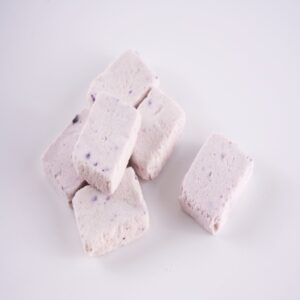
| Freeze-dried pieces | Piece distribution, fines and breakage after handling | How will the agreed condition be checked after packing and transport |
| Jerky or training treats | Thickness, flexibility, stickiness and piece weight | Which process and storage conditions define the texture reference |
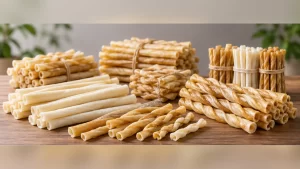
| Dog chews | Dimensions, weight range and physical integrity | How are acceptable variation and relevant safety assessments defined |
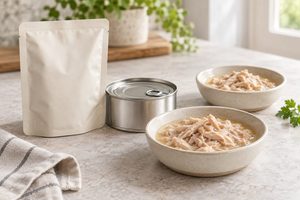
| Cat puree | Texture, flow, fill weight and ease of dispensing | How are the product and sealed pack evaluated together |
For example, buyers exploring cat puree treats should review the dispensing experience from the proposed package. A sample served from a bowl cannot answer every question about a tear-open tube.
Evaluate acceptance with a suitable protocol
Animal acceptance can be part of the development program, but agree what the evaluation is intended to show. A preference comparison between two recipes differs from assessing whether a pet accepts one offered product.
Use a protocol appropriate to the species, serving instructions and product type. Define the observations and interpretation before the trial begins. A short video of one pet eating a sample is useful feedback; broader claims need an evaluation designed to support them.
Keep product-use observations alongside the results. Owners or handlers may notice inconvenient piece sizes, excessive residue or difficult packaging that a simple intake record misses.
Approve the product and retail pack together
Packaging influences how the treat reaches the customer and how it is used. Review the actual proposed material and closure where possible, including the opening method, reseal function, fill presentation and legibility of lot coding.
For a product sold by weight, confirm the declared net weight and the agreed filling specification. For a count-based presentation, clarify the relationship between piece count, individual variation and the label. Avoid leaving these details to assumptions made after the purchase order.
Check artwork against the latest recipe and technical data. For products destined for the United States, FDA’s animal food labeling guidance identifies federal requirements including product identification, net quantity, business information and ingredient listing; state requirements also apply. Have the responsible reviewer assess the complete label for the destination before printing.
Approve the outer case as well when its dimensions, pack count or markings affect your warehouse, retailer or fulfillment partner. A retail-ready pouch can still arrive in a carton that does not fit the receiving plan.
Separate sample appearance from technical release
A sample review can confirm appearance and help define texture or pack performance. Food safety, process suitability and shelf life need their own evidence and acceptance criteria.
Ask which reports relate to the submitted sample, which relate to the product’s development history and which will be generated for the production batch. Record the sample identity, test method, result and applicable limit where relevant. Discuss any gaps with the manufacturer’s quality team before assigning an approval status.
For products subject to a particular thermal or other control process, ask the responsible technical team how the process is established and verified. The buyer’s visual approval should not be treated as a substitute for that work.
Certificate review is also a separate task. Obtain the current certificate and check the facility, scope and validity when certification is part of your supplier requirements.
Close open items before authorizing production
Use clear statuses such as approved, revise and resubmit, or awaiting technical information. A conditional approval should state exactly which work may proceed and which decisions remain open.
For example, the brand might approve a pouch’s visual layout while ingredient wording remains under review. Record that printing is pending. A color approval should not silently become approval of the entire label or finished product.
Before production authorization, connect the final product specification, artwork version, packaging specification, approved deviations and purchase order. Confirm who can authorize later changes and how changes will be communicated.
Agree how the first production batch will be compared with the approved requirements. This may include document review, retained samples and the inspection arrangements appropriate to the order. The purpose is to make the transition from prototype to shipment traceable.
Frequently asked questions
Is an approved photo enough for private label pet treats
A photo is useful for appearance, but it cannot establish texture, weight variation, ingredient composition, packaging performance or safety. Use it alongside the written specification and other relevant evidence.
Can a development sample be used as the production reference
It can form part of the reference if its limitations are recorded. Confirm whether its recipe, process and packaging represent the planned production, and agree which differences need further review.
Should every flavor have a separate approval
Each SKU needs a traceable approval record. Shared packaging or dimensions can use common specifications, but recipe-specific details and any differences in appearance, processing or acceptance should remain identifiable.
What happens if the sample needs a small change
Document the change and its effect on the existing approval. The responsible teams should decide whether a revised sample, updated document or further testing is needed before proceeding.
Prepare your next sample brief with Matchwell Pets
For an upcoming private label project, contact Matchwell Pets with your target market, treat format, ingredient preferences, pack size, expected quantity and launch requirements.
Include reference photos and a short list of the features you need to evaluate. Ask for sample options, the proposed specification, applicable MOQ and a schedule that separates development, approval, packaging and production. That gives your team a clear basis for moving from a promising sample to an agreed order.