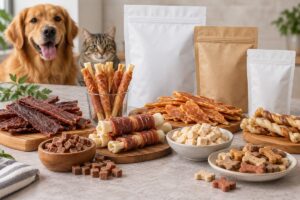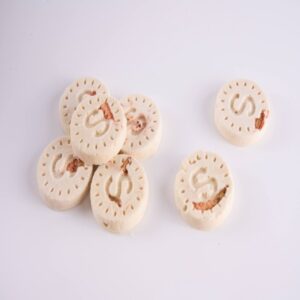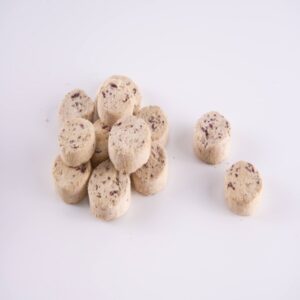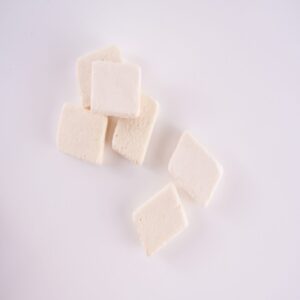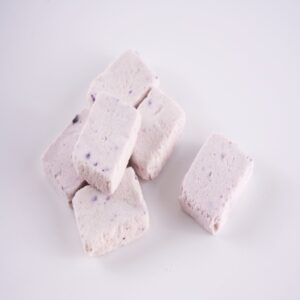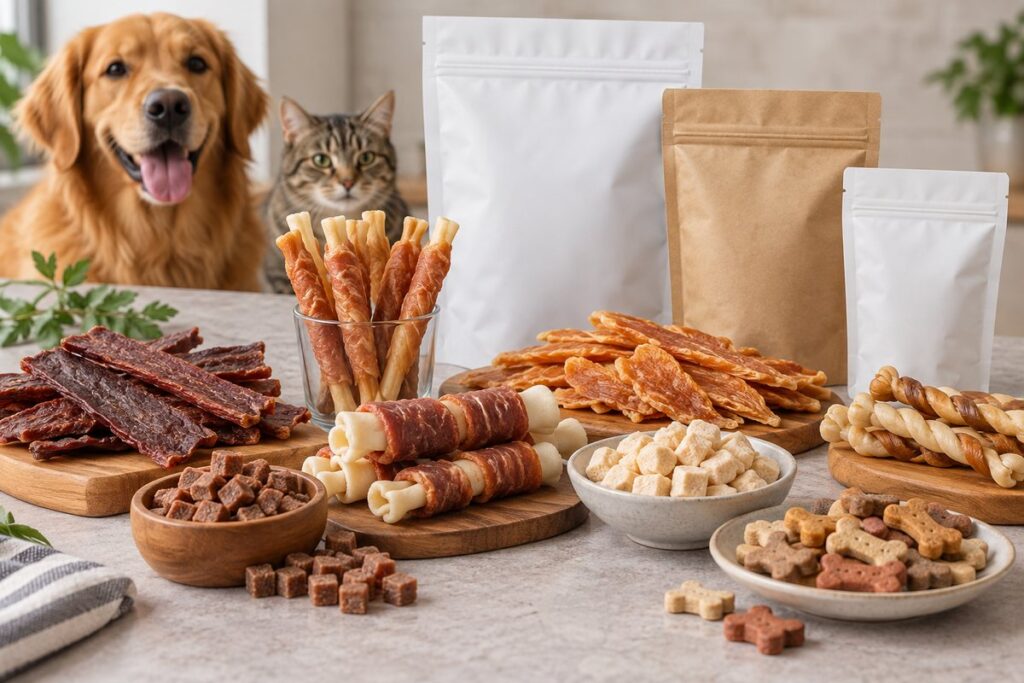

Choosing a jerky dog treats manufacturer in China starts with a clear product brief. A chicken strip for everyday rewarding, a small training bite and a duck jerky range can require different recipes, textures, packaging and production controls.
For importers and private-label brands, the most useful supplier is one that can translate those requirements into a repeatable product. Price matters, but it needs to be compared against the same specification.
Matchwellpets works with B2B buyers through wholesale, OEM and ODM arrangements. Here is how to prepare a jerky dog snack project and assess the details that influence the finished product.
Define the Dog Snack Before Requesting a Quote
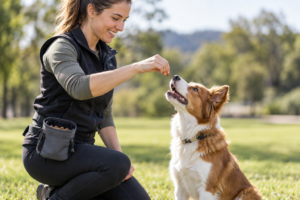
Start with how the treat will be used. A reward intended for frequent training needs a different portion size from a strip sold for occasional treating. The intended dog size and life stage should also be part of the brief.
Give manufacturers a short specification that can be used consistently across quotations.
| Specification | What the buyer should define |
|---|---|
| Protein and recipe | Desired animal proteins, ingredient restrictions and formulation priorities |
| Product form | Whole-cut strips, formed strips, small pieces or another agreed shape |
| Dimensions | Target length, width, thickness and acceptable variation |
| Texture | Desired firmness, flexibility and ease of portioning |
| Retail presentation | Pack weight, bag format, label language and sales channel |
| Commercial scope | Destination, first-order quantity, forecast and target launch date |
If you have a reference sample, explain what you want to match. Its appearance, aroma, texture and price position may not all be achievable with the same formula or process. Setting priorities helps the manufacturer propose a workable option.
Choose the Jerky Format That Fits Your Range
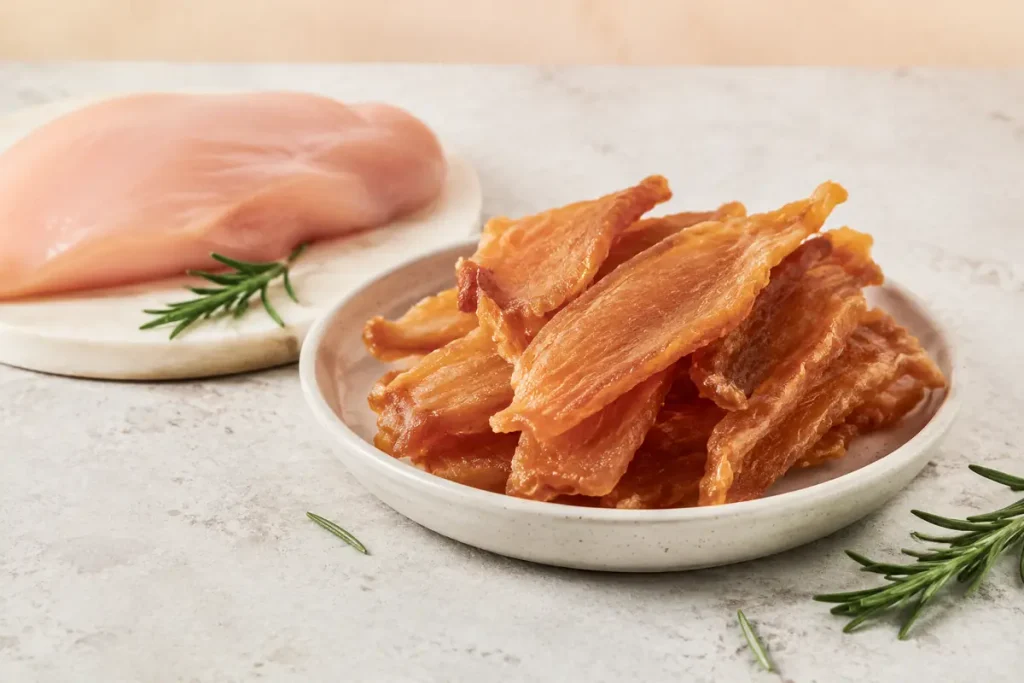
Whole-cut jerky can make the meat’s structure visible. Buyers should still agree on acceptable variation in thickness, piece size and color so natural differences do not become recurring disputes.
Formed jerky offers a route to more controlled shapes and portions. Review the complete ingredient declaration and agree on texture targets. A photograph alone cannot show how a strip bends, breaks or feels during handling.
Small jerky pieces can suit a training-focused range when their portion size and feeding directions support that use. Check the amount of loose material in the bag and whether pieces remain consistent after transport.
Matchwellpets lists duck and chicken jerky dog treats with wholesale and OEM options. Use the available products as a starting point, then discuss the recipe and packaging required for your own project.
Review How the Factory Controls Product Safety
Ask the manufacturer to explain the controls relevant to your jerky specification. Useful topics include incoming meat checks, process validation, handling after processing, packaging integrity and batch traceability.
Drying and visual appearance alone do not establish that a product is safe. The manufacturer should be able to explain how identified hazards are controlled and how those controls are monitored and verified.
The FDA’s guidance on preventive controls for animal food describes hazard analysis, preventive controls, monitoring, corrective actions, verification and records. For buyers serving the United States, it is a useful reference when discussing a supplier’s food safety plan.
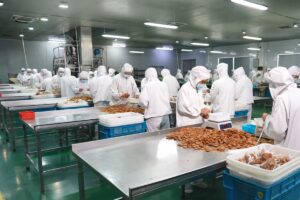
Matchwellpets describes quality checks across raw materials, production and third-party examination. During supplier approval, request the records relevant to the actual production site and product.
When reviewing BRC or IFS credentials, check the current certificate, site address, scope and expiry date. Discuss destination-specific import requirements with your importer before finalizing production and shipping arrangements.
Agree on Measurable Quality Specifications
A sample approval becomes more useful when it is supported by written acceptance criteria.
For jerky dog treats, discuss dimensions, net weight, ingredient declaration, analytical values, moisture, water activity and the appropriate microbiological testing plan. Moisture and water activity are different measurements; have the technical team explain how each is used in the product’s controls.
Also define visible quality expectations. How much variation is acceptable between pieces? What proportion of fragments can be present? How will an unexpected change in color, firmness or odor be investigated?
Keep an approved reference sample under suitable storage conditions and document its approval date. Establish a process for reviewing changes to ingredients, manufacturing conditions or packaging that could affect the agreed product.
Compare Wholesale Prices on the Same Basis
A price per kilogram is only meaningful when the surrounding specifications match.
Check whether each quote includes retail packaging, cartons, printing setup, testing and any agreed inspection. Confirm the delivery term and named location so freight responsibilities are clear.
Separate product minimums from packaging minimums. A printed pouch may require a larger commitment than the first production run. Agree on who owns unused packaging, where it will be stored and whether it can be used for later orders.
Ask suppliers to show the cost impact of meaningful changes, such as a different pack weight or simpler packaging. This helps you evaluate options without quietly changing the product specification.
Move from Samples to Production in Clear Stages
Begin with a commercial brief and an initial sample review. Once the recipe and texture are close to the target, assess a trial batch and final packaging where appropriate.
Review the product after handling and packing, not only immediately after manufacture. Confirm that seals, date coding and carton markings meet the agreed requirements.
Approve artwork separately from the physical sample. A good product can still be delayed by an incorrect ingredient statement, missing language or unsuitable barcode placement.
Before the first shipment, agree on inspection timing, required documents and the process for resolving deviations. Confirm production and delivery schedules after the formula, packaging and approval requirements are settled.
Frequently Asked Questions
Can Matchwellpets make private-label jerky dog treats?
Matchwellpets offers OEM and ODM services for wholesale customers. Discuss your formula, product format and packaging requirements to confirm the available customization and order quantities.
Which protein should I choose for a new dog jerky range?
Choose according to your customer segment, sourcing requirements and existing assortment. Request chicken and duck samples if both fit your brief, then compare the finished products using the same evaluation criteria.
How long does a custom jerky project take?
Timing depends on recipe development, sampling, artwork, packaging procurement, production and shipping. Request a schedule tied to approval milestones rather than assuming one lead time covers the entire project.
What is needed for an accurate manufacturer quotation?
Send the destination country, product format, preferred ingredients, pack weight, expected quantity, packaging requirements and target launch date. Include a reference sample or specification if available.
Start Your Jerky Dog Treat Project with Matchwellpets
Looking for a manufacturer of dog snacks and jerky dog treats in China? Contact Matchwellpets with your product brief to discuss samples, OEM or ODM development and wholesale pricing.
A clear brief gives both teams a practical basis for evaluating the recipe, production requirements and first order.