
Trends in Private Label Organic Dog Treats: What Brands Need to Know in 2026
The pet treat industry is changing rapidly. What was considered a premium dog treat just a few years ago is now becoming the standard expectation among modern pet owners.
One of the fastest-growing segments is private label organic dog treats. Consumers are increasingly looking for products made with natural ingredients, transparent sourcing, and functional health benefits. At the same time, retailers, distributors, e-commerce sellers, and pet brands are turning to private label manufacturing to launch differentiated products without investing in their own production facilities.
For companies planning to enter or expand in the organic pet treat market, understanding the latest trends is critical.
This guide explores the most important developments shaping private label organic dog treats in 2026 and beyond.
Why Organic Dog Treats Continue to Grow
Today’s pet owners view their dogs as family members.
As a result, purchasing decisions are increasingly influenced by the same factors consumers consider when buying food for themselves:
- Organic ingredients
- Non-GMO sourcing
- Minimal processing
- Sustainable production
- Transparent labeling
- Functional nutrition
Many pet parents now carefully read ingredient labels before purchasing treats. Artificial colors, preservatives, and fillers are becoming less desirable, while simple ingredient lists are gaining popularity.
According to industry reports, premium and natural pet food categories continue to outperform conventional segments, creating significant opportunities for private label brands.
Trend #1: Clean Label Ingredients Are Becoming Essential
The clean-label movement is no longer limited to human food.
In 2026, consumers expect organic dog treats to contain recognizable ingredients they can easily understand.
Popular clean-label ingredients include:
- Organic chicken
- Organic beef
- Organic turkey
- Organic sweet potatoes
- Organic pumpkin
- Organic blueberries
- Organic apples
- Organic oats
Manufacturers are increasingly removing:
- Artificial preservatives
- Artificial flavors
- Artificial colors
- Chemical additives
- Low-quality fillers
The shorter and more transparent the ingredient list, the more attractive the product becomes.
What Private Label Brands Should Do
Focus on recipes that contain:
- Limited ingredients
- High meat content
- Clearly identified protein sources
- Certified organic ingredients whenever possible
Trend #2: Functional Organic Treats Are Outperforming Traditional Snacks
Modern consumers want treats that provide more than simple rewards.
Functional pet nutrition is becoming one of the strongest growth drivers in the industry.
Popular functional claims include:
Joint Support
Ingredients such as:
- Glucosamine
- Chondroitin
- Green-lipped mussel
- Collagen
Digestive Health
Ingredients such as:
- Pumpkin
- Probiotics
- Prebiotics
- Fiber-rich vegetables
Skin and Coat Support
Ingredients such as:
- Salmon oil
- Omega-3 fatty acids
- Flaxseed
Calming Formulas
Ingredients such as:
- Chamomile
- L-Theanine
- Organic hemp derivatives where regulations allow
Private label brands that combine organic ingredients with functional benefits often achieve higher customer retention and stronger repeat purchase rates.
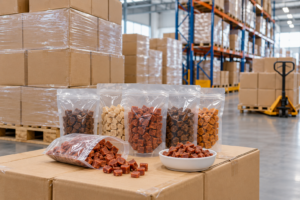
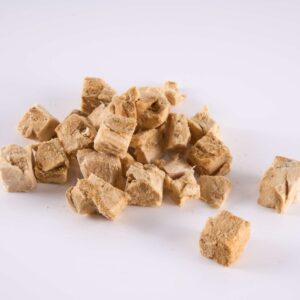
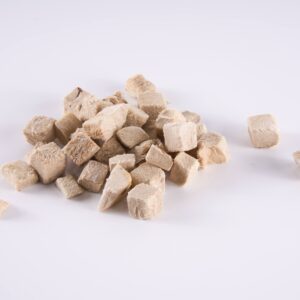
Trend #3: Freeze-Dried Organic Treats Are Expanding Quickly
Freeze-drying continues to gain popularity because it preserves:
- Nutritional value
- Natural flavor
- Aroma
- Ingredient integrity
Consumers increasingly associate freeze-dried products with premium quality.
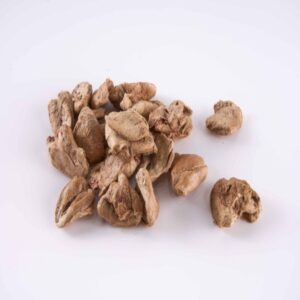
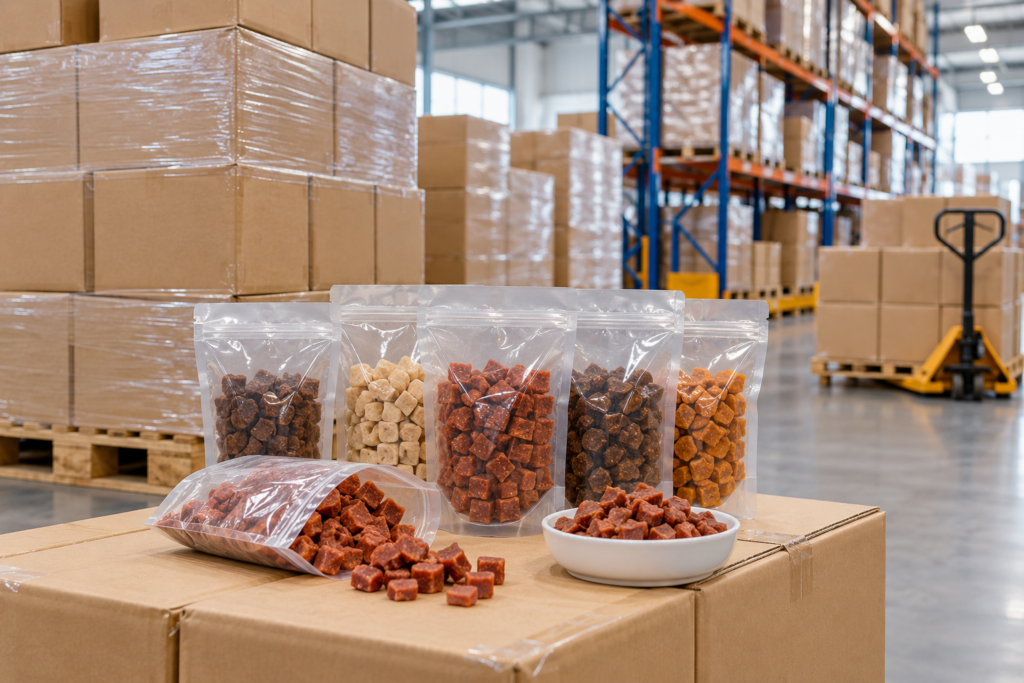
Popular private label freeze-dried organic products include:
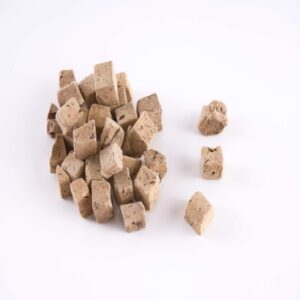
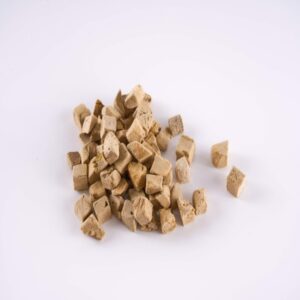
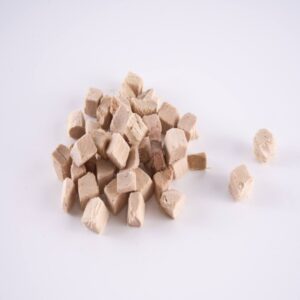
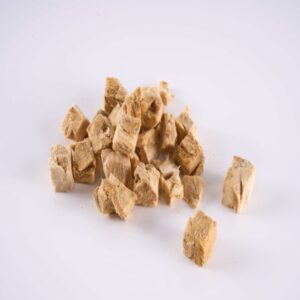
- Organic chicken bites
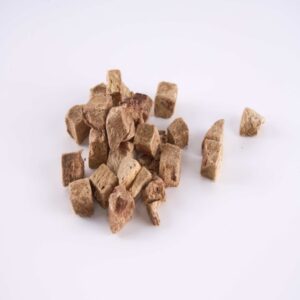
- Organic beef liver treats
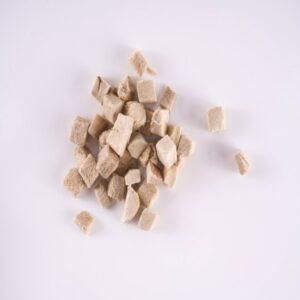
- Organic turkey cubes
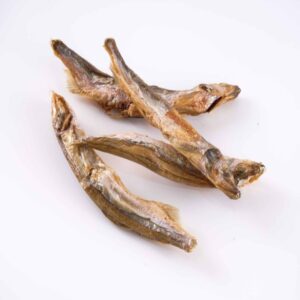
- Organic duck treats
- Organic mixed-protein recipes
Benefits for brands include:
- Premium pricing potential
- Lightweight shipping
- Long shelf life
- Strong consumer perception
Many retailers now dedicate entire shelf sections to freeze-dried treats.
Trend #4: Sustainable Packaging Influences Purchasing Decisions
Packaging is becoming almost as important as ingredients.
Many pet owners actively prefer brands that demonstrate environmental responsibility.
Popular packaging trends include:
- Recyclable pouches
- Reduced-plastic packaging
- Kraft paper designs
- Plant-based packaging materials
- Resealable zipper bags
Sustainable packaging can help private label brands:
- Improve shelf appeal
- Strengthen brand positioning
- Increase customer loyalty
- Differentiate from competitors
Trend #5: Single-Protein Recipes Are Gaining Market Share
Food sensitivities and elimination diets are driving demand for simple protein formulations.
Popular organic single-protein options include:
- Organic chicken
- Organic turkey
- Organic duck
- Organic lamb
- Organic beef
Single-protein products provide several benefits:
- Easier ingredient transparency
- Reduced allergen concerns
- Better positioning for sensitive dogs
This category continues to grow among premium pet specialty retailers.
Trend #6: Human-Grade Positioning Continues to Expand
Consumers increasingly compare dog treats to human snacks.
Terms that attract attention include:
- Human-grade ingredients
- Kitchen-inspired recipes
- Farm-to-bowl sourcing
- Real meat first ingredient
Although regulatory definitions vary by market, products positioned around food-quality ingredients continue to attract premium consumers.
Private label brands should work closely with manufacturers to ensure claims comply with local regulations.
Trend #7: Transparency and Traceability Matter More Than Ever
Consumers want to know:
- Where ingredients come from
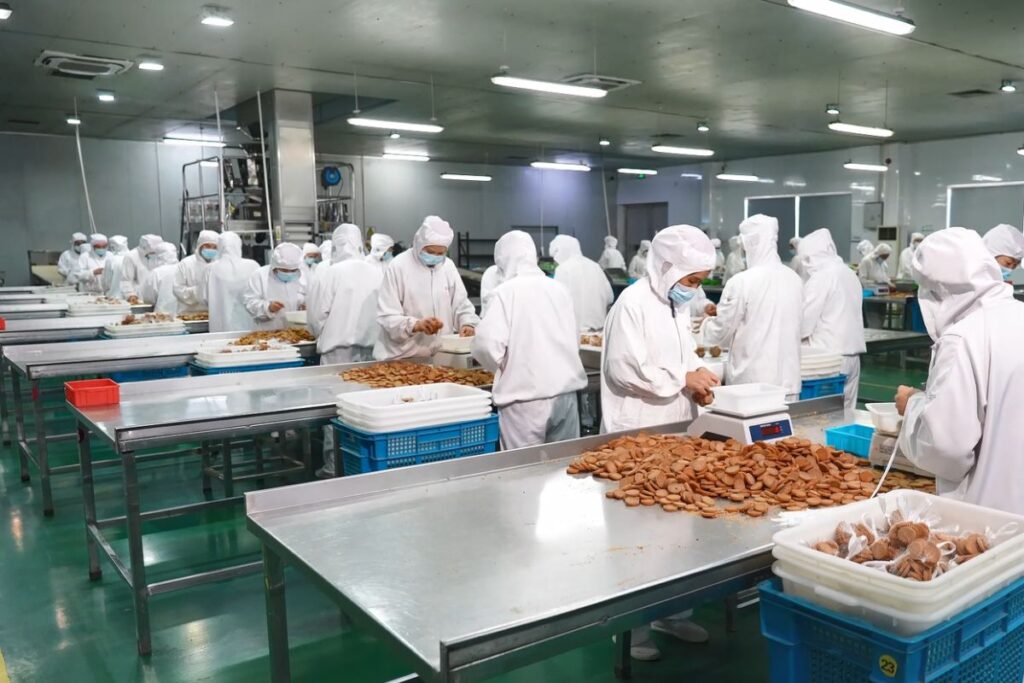
- How products are manufactured
- What quality standards are followed
Successful private label brands often highlight:
- Ingredient sourcing regions
- Organic certifications
- Manufacturing certifications
- Quality control procedures
- Third-party testing
Transparency builds trust and helps justify premium pricing.
Trend #8: Customized Private Label Programs Are Becoming More Popular
Retailers increasingly want products that are unique to their brand.
Instead of selecting standard stock formulas, many companies now request:
- Custom recipes
- Exclusive flavors
- Unique packaging
- Functional ingredient combinations
- Market-specific formulations
This trend creates opportunities for manufacturers capable of providing flexible OEM and ODM solutions.
Trend #9: Premium Treats Are Performing Well Even During Economic Uncertainty
While consumers may reduce spending in some categories, they often continue purchasing premium products for their pets.
Many pet owners view treats as affordable indulgences.
As a result:
- Premium organic treats maintain strong demand
- Higher margins remain achievable
- Private label opportunities continue expanding
This resilience makes organic dog treats attractive for both retailers and distributors.
How to Choose a Private Label Organic Dog Treat Manufacturer
When evaluating manufacturing partners, consider:
Certifications
Look for facilities with:
- BRC Certification
- ISO 22000
- HACCP Systems
- Organic certification support
Product Development Capabilities
Choose a manufacturer that offers:
- Custom formulations
- Packaging design support
- Regulatory guidance
- Market trend insights
Quality Control
Ask about:
- Raw material testing
- Production monitoring
- Finished product inspections
- Third-party verification
Production Flexibility
The ideal partner should support:
- Startup brands
- Growing retailers
- Large-volume distributors
The Future of Private Label Organic Dog Treats
The organic pet treat category is expected to remain one of the fastest-growing segments within the global pet industry.
Key growth drivers include:
- Humanization of pets
- Demand for clean-label products
- Functional nutrition trends
- Sustainable purchasing behavior
- Expansion of premium private label programs
Brands that focus on ingredient quality, transparency, and innovation will be best positioned to succeed.
Conclusion
Private label organic dog treats are no longer a niche category. They have become a mainstream growth opportunity for retailers, distributors, e-commerce sellers, and emerging pet brands.
The strongest trends in 2026 include clean-label ingredients, functional nutrition, freeze-dried products, sustainable packaging, single-protein recipes, and greater transparency throughout the supply chain.
Working with an experienced private label manufacturer allows brands to capitalize on these trends while accelerating product development and market entry.
As consumer expectations continue to evolve, companies that invest in premium organic formulations today will be better positioned for long-term growth tomorrow.
Frequently Asked Questions
What are private label organic dog treats?
Private label organic dog treats are products manufactured by a third-party facility and sold under a retailer’s or brand owner’s label using organic ingredients.
Are organic dog treats worth the higher price?
Many consumers believe organic treats offer cleaner ingredients, greater transparency, and higher-quality sourcing, making them worth the premium cost.
Which organic dog treat category is growing fastest?
Freeze-dried organic treats and functional organic treats are currently among the fastest-growing segments.
Can startups launch private label organic dog treats?
Yes. Many manufacturers offer flexible MOQ options, packaging support, and product development services for emerging brands.
What certifications should a manufacturer have?
Common certifications include ISO 22000, BRC, HACCP, and relevant organic certifications depending on the target market.