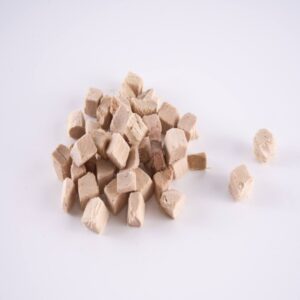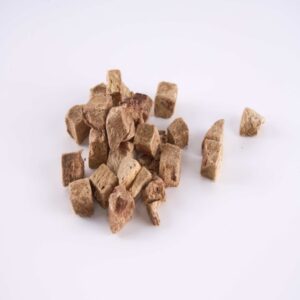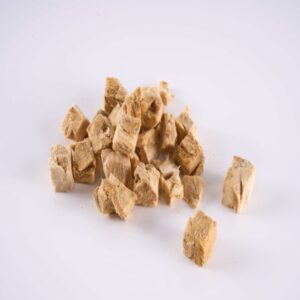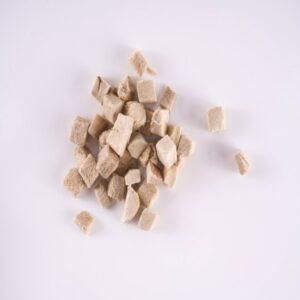

Natural vs Organic Wholesale Dog Treats
The global pet treat market is changing fast. Today’s consumers are reading ingredient labels more carefully than ever, and retailers are under pressure to stock products that match evolving buyer expectations. Among the biggest trends shaping the industry are natural dog treats and organic dog treats.
But here’s the challenge for wholesalers, distributors, supermarkets, Amazon sellers, and private label buyers:
Many customers use the words natural and organic interchangeably — even though they are not the same thing.
Understanding the difference matters because it directly affects:
- Product pricing
- Consumer trust
- Retail positioning
- Packaging strategy
- Regulatory compliance
- Profit margins
- Long-term brand growth
For B2B buyers sourcing from a wholesale dog treats manufacturer, choosing between natural and organic products is no longer just a marketing decision. It’s a strategic business decision.
In this guide, we’ll explore:
- The difference between natural and organic dog treats
- Which products consumers actually prefer
- Current retail and e-commerce trends
- Price sensitivity in different markets
- What Amazon and supermarket buyers are demanding
- How OEM/ODM buyers can position their brands successfully
If you are sourcing products for your pet business in 2026, this article will help you make smarter purchasing decisions.
What Are Natural Dog Treats?
Natural dog treats are products made with ingredients derived from natural sources and minimally processed.
In most markets, “natural” usually means:
- No artificial colors
- No artificial preservatives
- No synthetic flavors
- Real meat or recognizable ingredients
- Fewer chemical additives
However, this is important:
There is no universal global legal definition of “natural” in pet food.
That means standards can vary between manufacturers and countries.
Typical natural dog treats include:
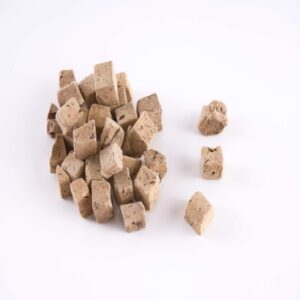
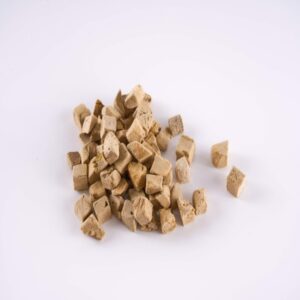
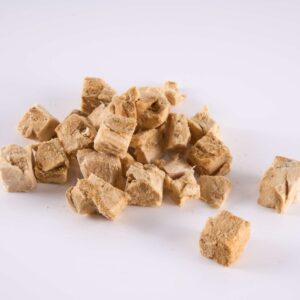
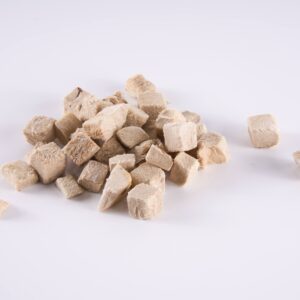
- Freeze-dried chicken treats
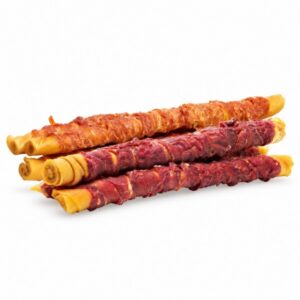
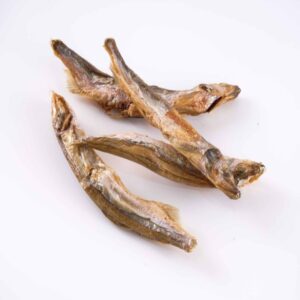
- Duck jerky
- Sweet potato chews
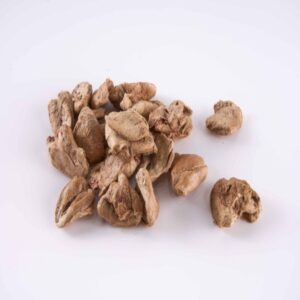
- Beef liver bites
- Air-dried meat strips
- Limited ingredient treats

Natural treats are extremely popular because they balance:
- Better perceived quality
- Affordable pricing
- Broad consumer appeal
For many retailers, natural treats offer the best combination of margin and market demand.
What Are Organic Dog Treats?
Organic dog treats follow stricter agricultural and manufacturing standards.
Organic ingredients are generally produced without:
- Synthetic pesticides
- Artificial fertilizers
- GMO ingredients
- Hormones
- Routine antibiotics
Depending on the market, products may require certifications such as:
- USDA Organic
- EU Organic
- JAS Organic
- Canada Organic
Organic pet treats usually contain certified organic ingredients like:
- Organic chicken
- Organic pumpkin
- Organic oats
- Organic blueberries
- Organic peanut butter
Compared with natural treats, organic treats often have:
- Higher production costs
- More complex sourcing
- Smaller ingredient supply chains
- Higher retail prices
For wholesalers, this means organic products can achieve stronger premium positioning — but not always higher sales volume.
Natural vs Organic: What Buyers Actually Prefer
Interestingly, consumer purchasing behavior often differs from online discussions.
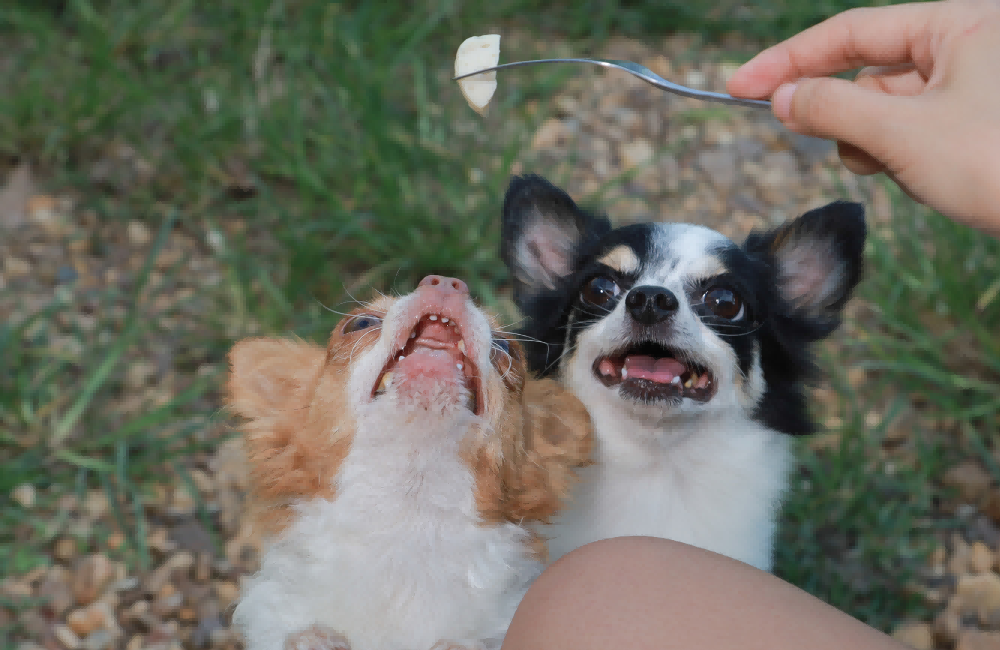
Many pet owners say they prefer organic products. But when it comes to actual purchasing decisions, price and convenience still play major roles.
In 2026, most large-volume pet treat buyers still purchase more natural treats than organic ones.
Why?
Because natural treats hit the “sweet spot” between:
- Quality perception
- Ingredient transparency
- Affordable pricing
Organic products remain popular, but mainly in premium market segments.
Why Natural Dog Treats Dominate Wholesale Demand
1. Better Pricing Flexibility
Natural treats are easier to price competitively.
For wholesalers supplying:
- Amazon stores
- Pet chains
- Local supermarkets
- Distributors
Pricing flexibility is critical.
Organic treats often cost significantly more due to certified ingredient sourcing and compliance requirements.
Natural treats allow retailers to maintain healthy margins while staying competitive.
2. Consumers Understand “Natural” More Easily
The word “natural” has become extremely familiar to pet owners.
Consumers often associate natural treats with:
- Healthier ingredients
- Cleaner labels
- Better nutrition
- Higher meat content
Even without formal certifications, natural positioning performs well in retail environments.
This is especially true for:
- Freeze-dried dog treats
- Single-protein treats
- Grain-free products
- High-protein snacks
3. Natural Treats Work Better for Impulse Purchases
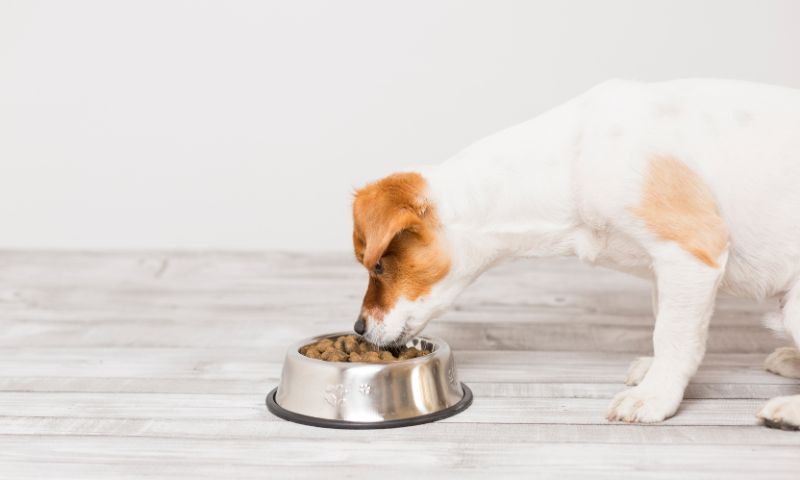
Many pet treats are emotional purchases.
A customer walking through a supermarket or browsing Amazon may buy treats because:
- The packaging looks healthy
- The ingredients sound simple
- The treats appear premium
Natural treats are usually easier to position for impulse buying because they are more affordable than organic alternatives.
4. Supply Chains Are More Stable
Organic ingredient sourcing can sometimes be inconsistent due to:
- Seasonal farming limitations
- Certification restrictions
- Higher raw material costs
- Limited suppliers
Natural treat manufacturing generally offers:
- Faster production cycles
- Lower MOQ pressure
- More flexible formulations
- Better scalability
This matters for OEM and private label buyers who need stable inventory planning.
Where Organic Dog Treats Perform Best
Although natural treats dominate volume sales, organic treats remain highly valuable in specific markets.
Premium Pet Boutiques
Upscale pet stores often focus heavily on:
- Organic ingredients
- Sustainability
- Eco-friendly packaging
- Ethical sourcing
Consumers shopping in premium boutiques are usually less price-sensitive.
High-Income Urban Markets
Organic treats perform especially well in:
- California
- Canada
- Germany
- Scandinavia
- Japan
- South Korea
These consumers often prioritize:
- Ingredient sourcing
- Transparency
- Environmental concerns
- Human-grade positioning

Subscription Box Brands
Many subscription pet brands use organic treats to strengthen premium branding.
Organic positioning helps create:
- Higher perceived value
- Better unboxing experiences
- Stronger customer loyalty
Limited Ingredient Diet Segments
Pet owners with allergy-sensitive dogs often search for:
- Organic single-protein treats
- Grain-free organic treats
- Clean-label snacks
These niche segments can be highly profitable despite lower overall volume.
What Amazon Buyers Prefer in 2026
Amazon pet treat trends show that buyers increasingly care about:
Ingredient Simplicity
Products with short ingredient lists often perform better.
Examples:
- “100% Duck Breast”
- “Single Ingredient Beef Liver”
- “Chicken & Pumpkin Recipe”
Freeze-Dried Formats
Wholesale freeze-dried dog treats continue growing rapidly because consumers perceive them as:
- More nutritious
- Less processed
- Protein-rich
- Premium quality
This category performs extremely well for both natural and organic positioning.
Functional Benefits
Modern consumers increasingly want treats with added benefits:
- Skin & coat support
- Digestive health
- Joint support
- Calming formulas
- High-protein training rewards
Natural functional treats are currently outperforming many traditional biscuit-style products.
Transparency
Consumers now expect brands to clearly communicate:
- Ingredient origin
- Manufacturing standards
- Protein sources
- Feeding benefits
This trend is pushing wholesalers toward cleaner packaging and more transparent product positioning.

Supermarket Buyers Focus More on Scalability
Large retail chains usually prioritize:
- Stable supply
- Competitive pricing
- Shelf consistency
- Packaging flexibility
- Strong margins
For this reason, many supermarkets prefer natural wholesale dog treats over fully organic lines.
Organic products often occupy smaller premium sections rather than mainstream shelves.
OEM & Private Label Trends in 2026
Private label pet treats continue growing globally.
Retailers increasingly want customized:
- Shapes
- Protein formulas
- Functional ingredients
- Packaging styles
- Regional flavor preferences
Natural treats are usually easier for OEM/ODM development because ingredient sourcing is more flexible.
Popular private label requests include:
Freeze-Dried Treats
- Chicken cubes
- Salmon bites
- Beef liver treats
- Duck breast strips
Functional Treats
- Hip & joint support
- Probiotic treats
- Calming chews
Clean Label Treats
- Grain-free
- Limited ingredient
- No artificial preservatives
Packaging Matters More Than Ever
Modern buyers increasingly judge products by packaging quality.
Successful wholesale dog treat packaging often emphasizes:
- Real meat imagery
- Transparent ingredient claims
- Resealable bags
- Minimalist design
- Sustainability messaging
For organic products, packaging usually highlights:
- Certification logos
- Farm sourcing stories
- Eco-conscious positioning
For natural products, brands often focus on:
- Protein-first messaging
- High meat content
- “No artificial additives”
- Everyday healthy feeding
How to Choose Between Natural and Organic for Your Business
Choose Natural Treats If You Want:
- Faster inventory turnover
- Broader customer appeal
- Competitive retail pricing
- Easier scaling
- Flexible OEM development
Natural treats are ideal for:
- Amazon sellers
- Supermarkets
- Large distributors
- Mass retail channels
Choose Organic Treats If You Want:
- Premium positioning
- Higher-end customers
- Boutique retail placement
- Eco-conscious branding
- Luxury pet market differentiation
Organic treats work best for:
- Premium pet brands
- Specialty retailers
- Subscription services
- Niche e-commerce stores
The Future of Wholesale Dog Treats
The future is likely not “natural versus organic.”
Instead, the market is moving toward:
- Cleaner ingredient labels
- Higher meat content
- Functional nutrition
- Transparency
- Sustainability
- Better sourcing stories
Consumers are becoming more educated, but they still value affordability.
That’s why natural treats will probably continue dominating volume sales, while organic treats remain a profitable premium niche.
For wholesalers and OEM buyers, the smartest strategy may be offering both.
Final Thoughts
Natural and organic dog treats each have strong market opportunities in 2026.
Natural treats currently lead in overall wholesale demand because they offer:
- Better pricing flexibility
- Strong consumer trust
- Easier scaling
- Broader retail compatibility
Organic treats, meanwhile, continue growing in premium markets where buyers prioritize certification, sustainability, and ingredient sourcing.
For wholesalers, distributors, Amazon sellers, and private label brands, success comes from understanding your target customer — not simply following trends.
The best-performing brands are the ones that combine:
- Clear positioning
- Reliable manufacturing
- Strong ingredient transparency
- Modern packaging
- Consistent product quality
If you are looking for customized wholesale dog treats, OEM/ODM manufacturing, or private label pet treats, visit Matchwell Pets to explore tailored solutions for global pet treat buyers.