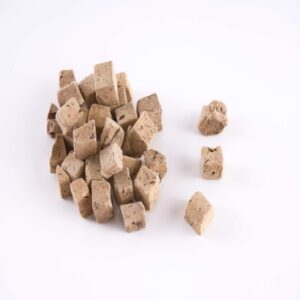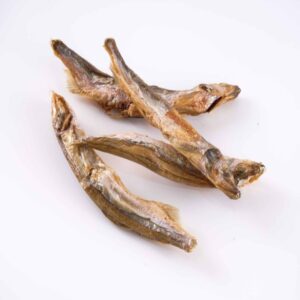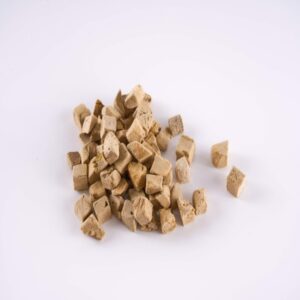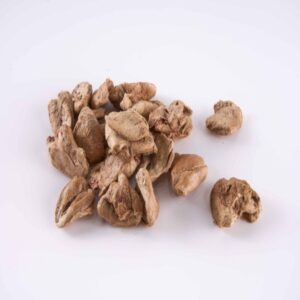

Private Label Cat Treats: A Complete Guide for Retailers and Pet Brands
The cat treat aisle is no longer limited to one flavour of crunchy biscuits. Today’s shoppers can choose from freeze-dried meat, soft strips, creamy lickable snacks, dental bites and treats designed around specific lifestyle needs. That variety creates an attractive opportunity for retailers, distributors and emerging pet brands—but it also makes product development more complex.
Private label cat treats allow a business to create a product range under its own brand while working with an experienced manufacturer. Instead of investing in a factory, specialist equipment and an in-house food-safety system, the brand can focus on its customer, positioning, sales channels and marketing.
The strongest private label programmes are not simply existing products placed in a new bag. They begin with a clear commercial brief, a format cats genuinely enjoy, transparent specifications and packaging designed for the target market. This guide explains the decisions buyers should make before requesting samples or comparing quotations.
What Are Private Label Cat Treats?
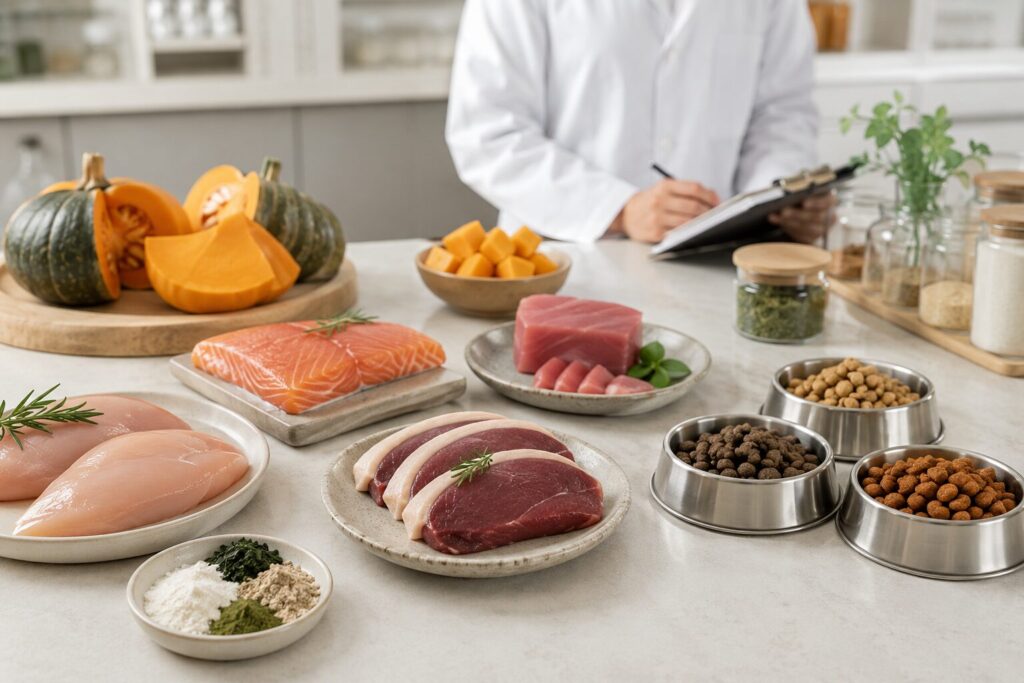
Private label cat treats are manufactured by a specialist producer and sold under the buyer’s brand. Depending on the supplier and project scope, the buyer may be able to customise:
- the protein source and flavour;
- the treat format, size, texture and moisture level;
- selected functional or nutritional ingredients;
- the recipe within technical and regulatory limits;
- pack size, packaging material and closure;
- artwork, claims and case configuration.
The terms private label, OEM and ODM are sometimes used interchangeably, but they can describe different levels of customisation. A white-label product is usually a proven, ready-made formula offered to several buyers with different packaging. OEM projects are produced to an agreed specification, while ODM support may include concept development, formulation, testing and packaging recommendations.
There is no universally “best” model. A retailer seeking a quick launch may prefer a tested stock formula. A specialist brand with a distinctive customer promise may need deeper recipe and format development. The right route depends on budget, launch timing, expected order volume and the degree of exclusivity required.
Why Build a Private Label Cat Treat Range?
Stronger brand differentiation
When every seller lists the same national brands, price becomes the easiest point of comparison. An own-brand product gives the retailer or distributor control over the proposition, pack design and story. The range can be designed around a specific customer group, such as indoor cats, multi-cat households, ingredient-conscious owners or premium gift buyers.
Better control over positioning
A private label programme can be positioned as an accessible everyday snack, a premium single-protein treat or a value-added product with carefully defined benefits. Buyers can choose the pack architecture and recommended retail price that fit their channel instead of adapting their strategy to another brand’s decisions.
A more coherent product portfolio
Private label products can use consistent colours, pack sizes and product naming across multiple formats. This helps a range look intentional on a physical shelf or online category page. It also makes cross-selling easier—for example, pairing an everyday crunchy bite with a premium freeze-dried reward and a creamy treat for bonding moments.
Direct access to product data
A capable manufacturing partner can provide product specifications, ingredient information, test reports and traceability documents. This gives buyers a stronger foundation for marketplace listings, distributor presentations and customer-service responses.
Choose the Right Cat Treat Format
Format affects far more than appearance. It influences palatability, production cost, shelf life, packaging and the way owners use the product.
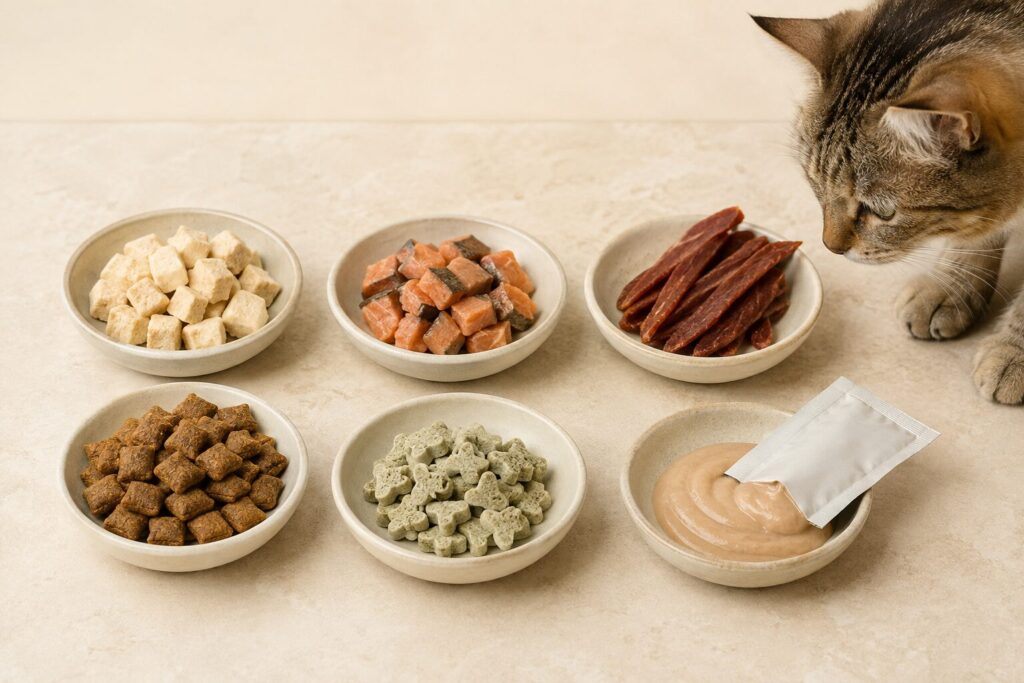
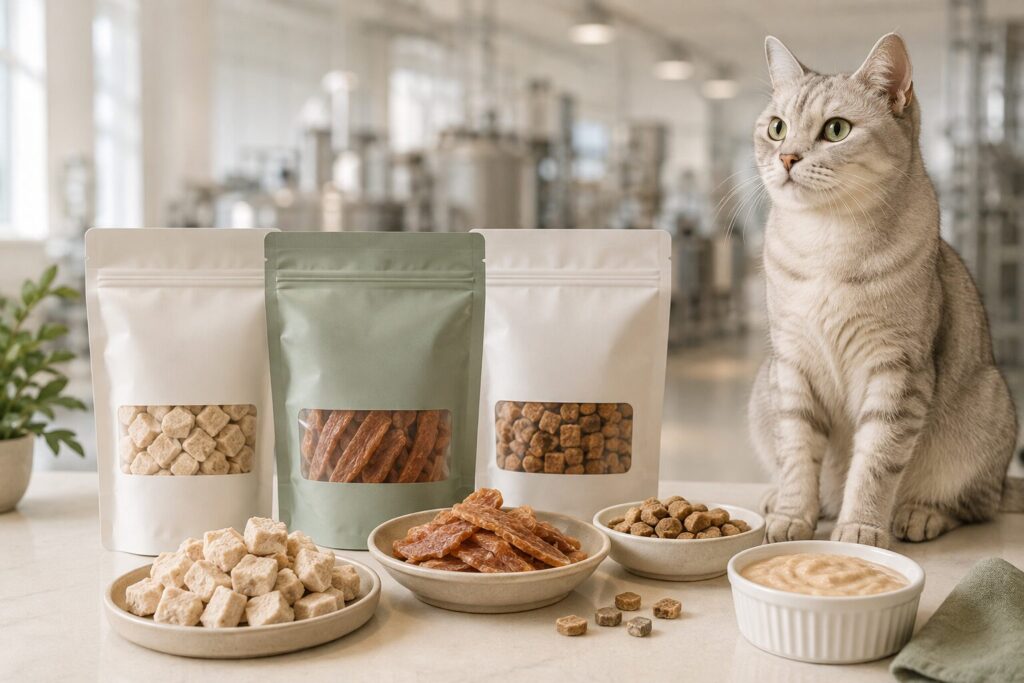
| Format | Typical positioning | Commercial considerations |
|---|---|---|
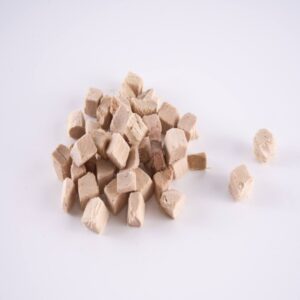
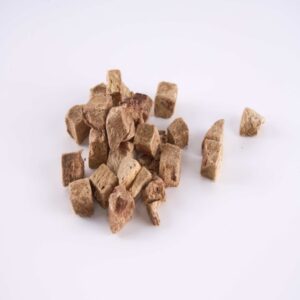
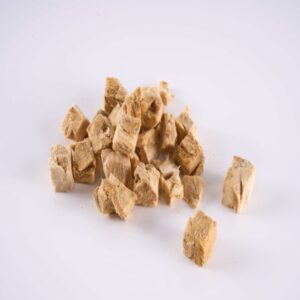
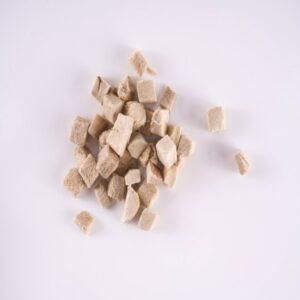
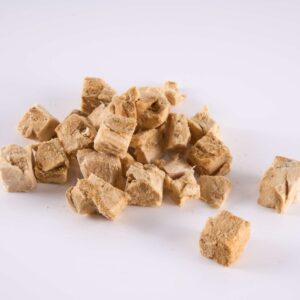
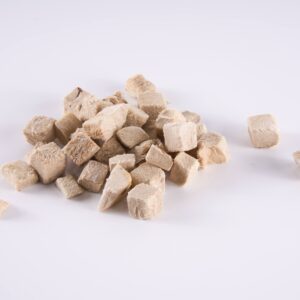
| Freeze-dried meat | Premium, meat-forward and minimal processing | Strong visual appeal; requires careful moisture control and barrier packaging |
| Air-dried or dehydrated bites | Natural-style rewards with a chewy or firm texture | Protein, thickness and drying parameters affect texture and yield |
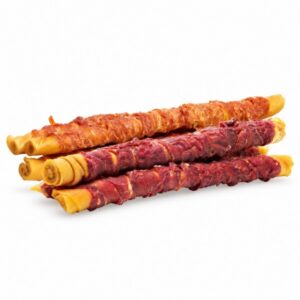
| Soft strips or jerky-style pieces | Easy to portion and suitable for frequent treating | Texture must remain consistent throughout the stated shelf life |
| Crunchy bites | Everyday reward, value packs and multi-flavour ranges | Shape, density, breakage rate and flavour coating matter |
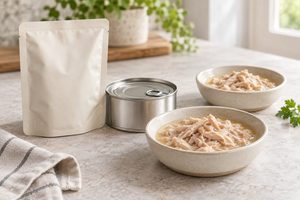
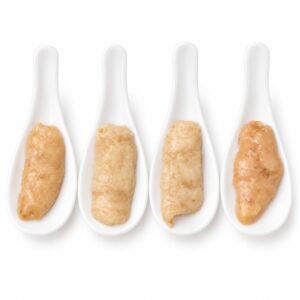
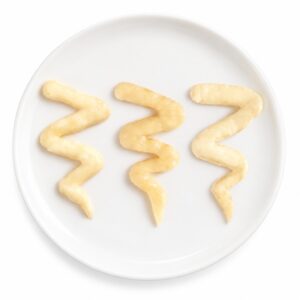
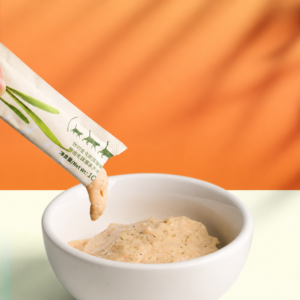
| Creamy or lickable treats | Bonding, hand feeding and high palatability | Sachet performance, viscosity and filling controls are important |
| Functional treats | Premium products built around a defined consumer need | Ingredients, dosage, claims and local classification require extra review |
A launch does not need to cover every format. In many cases, two or three clearly differentiated SKUs are more effective than a broad range with overlapping benefits. A simple opening collection might include one high-value meat treat, one everyday bite and one highly palatable interactive treat.
Start With a Precise Product Brief
Before asking a manufacturer for prices, define what the product must achieve. A useful brief should answer five questions:
- Who is the target customer? Consider shopping habits, price sensitivity and the claims that matter in the destination market.
- Where will the product be sold? Supermarkets, specialist pet stores, marketplaces, veterinary channels and subscription boxes have different pack and margin requirements.
- What is the intended use? An everyday reward, training-sized bite, topper, bonding snack or premium occasional treat will require a different format.
- What is the target retail price? Work backwards from the shelf price, allowing for freight, duty, warehousing, marketplace fees, distributor margin and promotions.
- Which requirements are essential? Separate non-negotiable ingredients, exclusions, certifications and pack features from preferences that can be adjusted.
This brief allows the supplier to recommend realistic options. Asking only for “the lowest price” often produces a quotation that cannot be compared fairly because the recipe, meat content, pack specification or testing scope may be different.
Build a Formula Cats Want to Eat
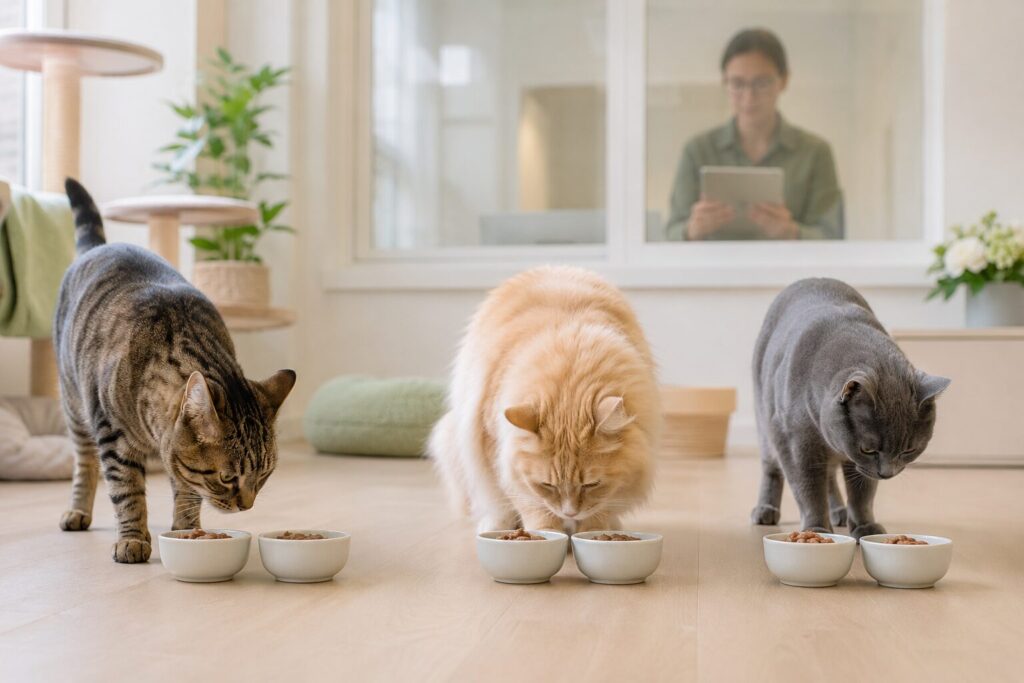
Cats evaluate food through aroma, taste, texture and mouthfeel. A recipe can look excellent on a label and still underperform if cats do not accept it consistently.
Select a clear protein direction
Chicken, duck, salmon, tuna and other animal proteins each create different cost, flavour and supply-chain considerations. A familiar protein may suit a broad retail audience, while a less common protein can support premium or limited-ingredient positioning. Buyers should confirm whether the named protein is the primary protein, a flavour component or one ingredient within a mixed recipe.
Balance label appeal with technical performance
Consumers often prefer shorter, recognisable ingredient lists, but every ingredient should have a purpose. Binders, humectants, antioxidants or palatability components may be needed to maintain texture, stability and acceptance. The goal should be a transparent formula that performs safely and consistently—not an artificially short label that creates avoidable quality problems.
Define size, texture and feeding experience
Cat treats should be easy to pick up, chew or lick. Oversized or excessively hard pieces can create a poor user experience, while fragile products may turn to crumbs during transport. Prototype reviews should examine dimensions, weight variation, aroma, breakage, stickiness and ease of portioning.
Keep claims proportional to the formula
Words such as natural, high protein, single protein, grain free or functional can carry market-specific definitions or evidence requirements. Ask the manufacturer for the data behind a proposed claim, then have the final label reviewed for the country where the product will be sold.
Use Sampling and Palatability Testing to Reduce Risk
A sample is not only a visual reference. It is an opportunity to test whether the concept can survive real customer use and commercial distribution.
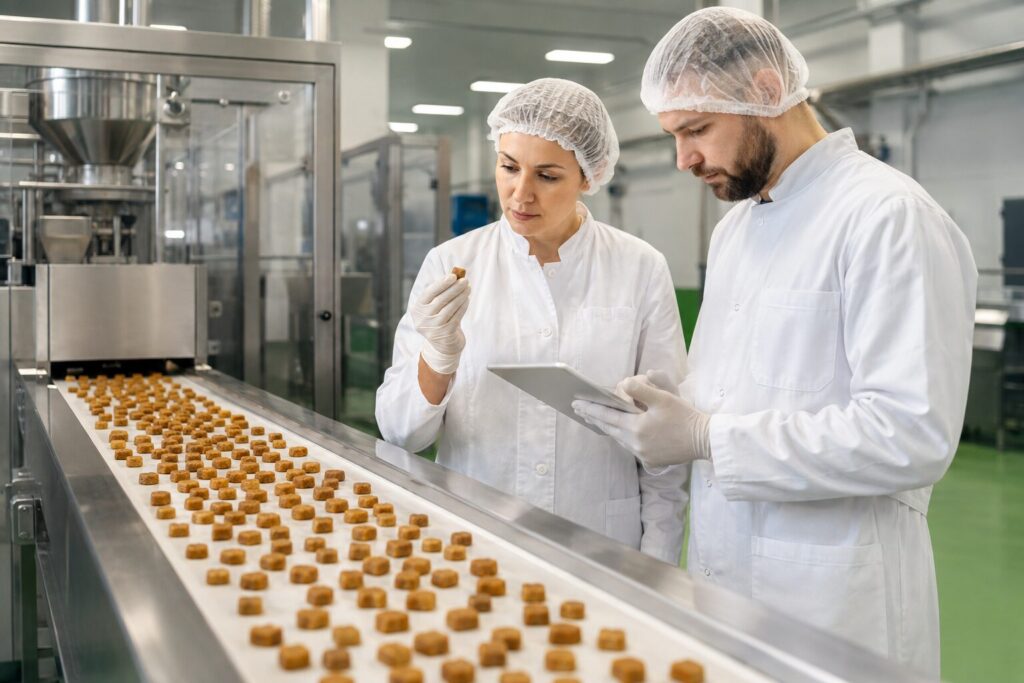
Evaluate prototypes in a consistent way. Record appearance, aroma, dimensions, weight, texture, residue, breakage and pack performance. If multiple formulas are being compared, code the samples so that reviewers are not influenced by the recipe name or price.
Palatability testing can include acceptance, first choice and consumption behaviour. The test design should match the question being asked. A two-bowl preference test may help compare formulas, while an in-home use test can reveal how owners perceive smell, convenience and portion size. Results should be interpreted across enough cats to be meaningful rather than relying on one pet’s reaction.
Once a formula is selected, approve a signed-off reference sample and a written specification. Future production should be assessed against those agreed standards.
Design Packaging for Freshness, Convenience and Sales
Packaging has two jobs: it must protect the product and communicate the brand. A striking design cannot compensate for a weak seal or unsuitable barrier material.
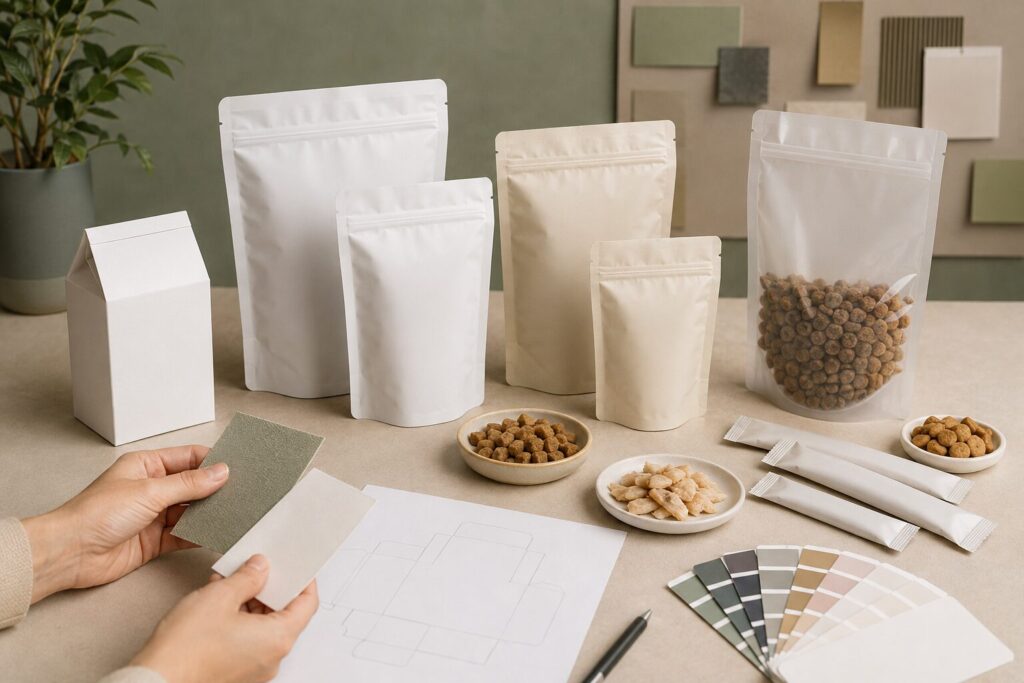
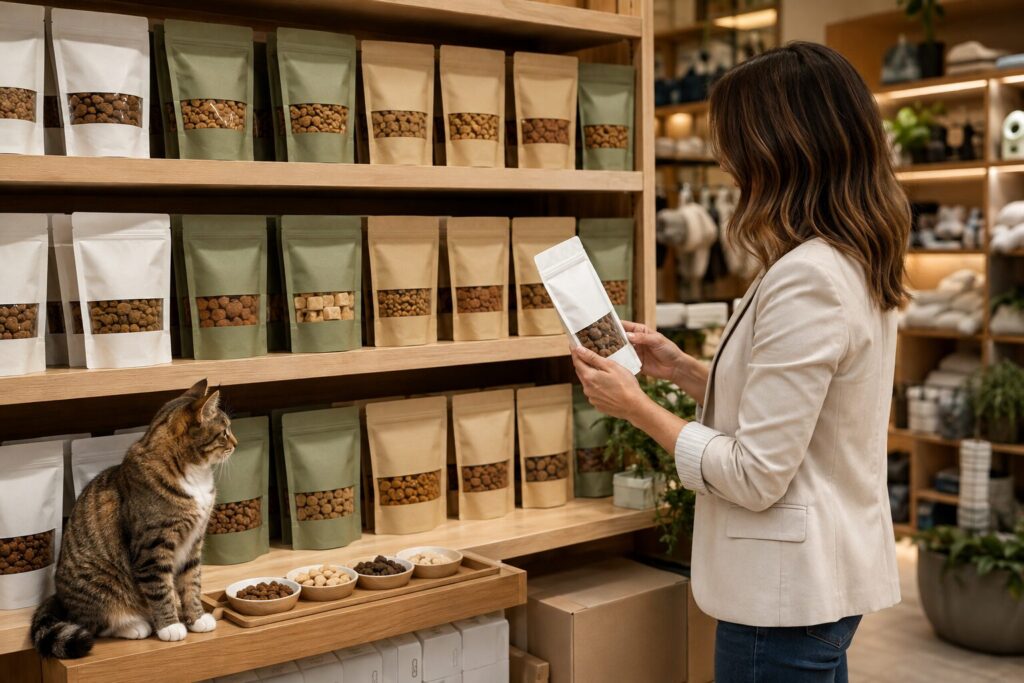
For dry and freeze-dried treats, ask about moisture and oxygen protection. For soft products, confirm how the film and seal support the target shelf life. Resealable zippers can improve convenience for multi-serve packs, while individual sachets support portion control and trial-sized formats.
Pack size should match both usage and price expectations. A large pouch may offer value but create a higher first-purchase barrier. A small pouch can encourage trial but may increase packaging cost per gram. Review display dimensions, shelf stability, shipping efficiency and carton configuration before finalising the design.
Front-of-pack communication should be easy to scan. A practical hierarchy is:
- brand and product name;
- protein or flavour;
- format and primary differentiator;
- net quantity;
- one or two supportable claims.
The back or side panel can then carry ingredients, analysis, feeding guidance, storage instructions, responsible business details, lot coding and other required information. Exact requirements vary by destination, so artwork should not go to print until regulatory review is complete.
Verify Manufacturing and Quality Controls
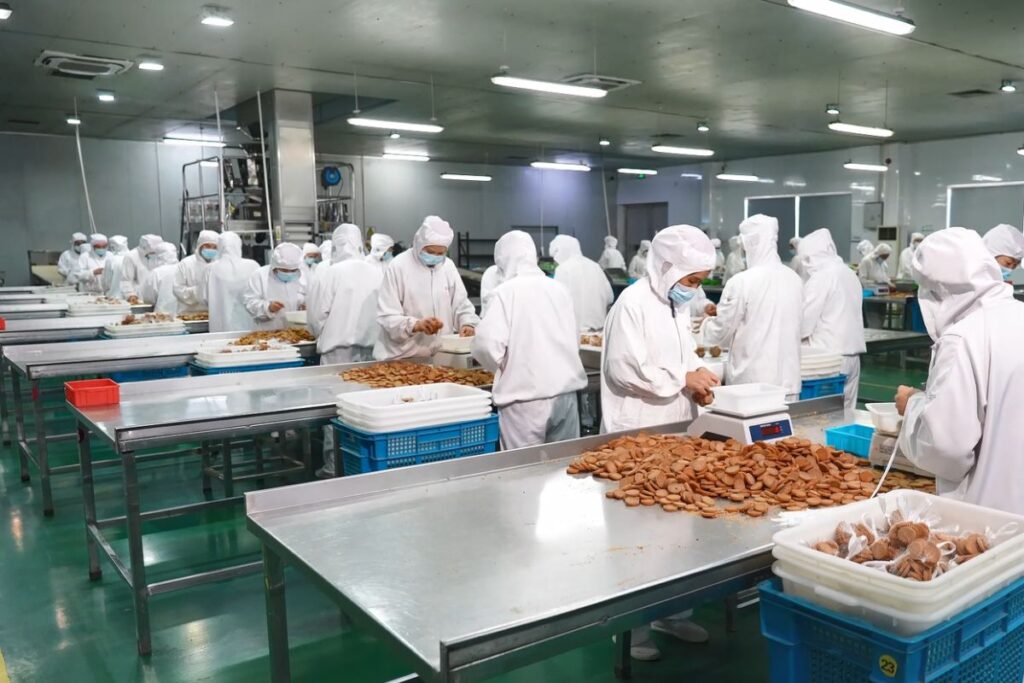
The supplier is producing a food product that will carry your name. A factory review therefore matters as much as the sample itself.
Ask the manufacturer to explain its quality system in practical terms. Important areas include:
- approved supplier and incoming-material controls;
- batch records and raw-material traceability;
- allergen and cross-contact management;
- time, temperature and moisture controls;
- metal detection or other foreign-body controls;
- environmental and finished-product testing;
- packaging seal and weight checks;
- retention samples and complaint investigation;
- recall procedures and mock-recall performance.
Certificates can be useful evidence, but they should not replace product-specific due diligence. Confirm the certificate scope, facility address, validity and whether it covers the process being quoted. Buyers should also agree which documents will be supplied with each shipment, such as a certificate of analysis, health documentation or batch test results.
Shelf-life validation deserves particular attention. The stated shelf life should be supported by the recipe, process and final packaging—not borrowed from a similar product. Discuss storage conditions, transport temperature and the amount of remaining shelf life required on arrival.
Plan MOQ, Pricing and Logistics as One Commercial Model
The lowest unit price is not always the lowest-risk option. A realistic landed-cost model should include:
- product cost and packaging cost;
- artwork setup, printing plates or cylinders where applicable;
- testing, documentation and inspection;
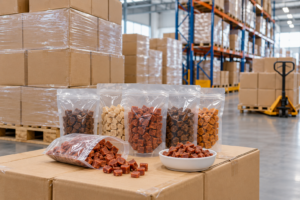
- cartons, pallets and case configuration;
- inland and international freight;
- duty, tax, customs and broker charges;
- warehousing, fulfilment and marketplace fees;
- samples, promotions, damage and expected waste.
Ask whether the MOQ applies per recipe, flavour, pack size or artwork. A factory may be able to produce one formula in a larger batch and split it across several pack sizes, but this depends on the line and packaging setup. Printed packaging can also have a separate supplier MOQ.
For a first launch, prioritise a range that can sell through within a comfortable portion of its shelf life. Reordering a successful SKU is healthier than holding too many slow-moving variants. Before committing, agree production lead time, artwork approval deadlines, deposit terms and the point at which changes can no longer be made.
Questions to Ask a Private Label Cat Treat Manufacturer
Use the following checklist during supplier discussions:
- Which cat treat formats are produced in your own facility?
- What customisation is possible for recipe, size, texture and packaging?
- What is the MOQ per formula and per printed packaging design?
- How are prototypes developed, tested and approved?
- Which food-safety certifications apply to the manufacturing site?
- How do you control pathogens, moisture, foreign material and cross-contact?
- What shelf-life evidence is available for the proposed product and pack?
- Which specifications and shipment documents will we receive?
- Can you support label information for our destination market?
- What are the sample, production and packaging lead times?
- How are complaints, non-conforming batches and recalls handled?
- Can the range scale if sales grow or additional SKUs are added?
Clear written answers make suppliers easier to compare and reduce costly assumptions later.
Develop Your Cat Treat Range With Matchwell
Matchwell supports pet brands, retailers and distributors with OEM and private label cat treat development. Our team can help buyers move from product brief to sampling, specification, packaging and commercial production across a range of treat formats.
Depending on the selected product and market, project support can include recipe and format recommendations, custom packaging, product documentation and quality-control coordination. Matchwell’s manufacturing programme is supported by recognised food-safety systems, including BRC, IFS and FSSC 22000. Typical projects can begin from a 500 kg MOQ, with samples available in around seven days and production lead times commonly around 15–20 days after all details are confirmed. Final terms depend on the formula, packaging and order plan.
If you are developing a new cat treat brand or expanding an existing range, send us your target market, preferred format, ingredients, pack size, annual volume and launch date. We will help you identify a practical route from idea to shelf.
Ready to start your private label cat treats project? Contact Matchwell to request product options, samples and a tailored quotation.
Frequently Asked Questions
What is the difference between white label and private label cat treats?
White-label products are usually established formulas offered to multiple brands with different packaging. Private label can include greater customisation of the recipe, format, size or pack. The terminology varies by supplier, so confirm exactly what can be changed and whether any exclusivity is included.
What is the typical MOQ for private label cat treats?
MOQ depends on the recipe, process, pack size and printed packaging. Matchwell projects may begin from approximately 500 kg for suitable products, but the exact MOQ should be confirmed for each SKU and artwork design.
Can I request samples before placing a production order?
Yes. Sampling should be part of the approval process. Provide a detailed brief, evaluate the prototypes against consistent criteria and keep an approved reference sample for comparison with commercial production.
Can cat treat ingredients and packaging be customised?
Many projects allow buyers to customise protein, flavour, dimensions, texture, pack size and artwork. Deeper formula changes may require additional development, testing, regulatory review and a different MOQ.
How long does a private label project take?
Timing depends on formula development, sample revisions, packaging production and regulatory approval. A straightforward project using a proven formula is usually faster than a fully customised product. Build additional time into the plan for artwork review, shipping and import procedures.
Are cat treats considered complete food?
Most treats are complementary or supplemental products and are not intended to replace a complete daily diet. The product description, feeding directions and claims should accurately reflect the final formulation and the rules of the destination market.