
OEM Wet Food Pouches for Dogs
Dog food buyers are changing fast. In many markets, pet owners are no longer satisfied with generic dry food alone. They want better texture, stronger aroma, visible meat content, convenient packaging, and formulas that feel closer to “real food.” That shift is one reason OEM wet food pouches for dogs have become such an important product category for B2B buyers.
For Amazon sellers, supermarket buyers, pet brand owners, distributors, and importers, dog wet food pouches offer a strong mix of convenience, shelf appeal, and product flexibility. For OEM and ODM customers, they also open the door to custom recipes, custom packaging, and market-specific positioning.
If you are sourcing dog wet food pouches for your own brand or distribution business, this guide will help you understand what matters most: product types, packaging options, customization, quality control, and how to choose the right manufacturing partner.
Why Dog Wet Food Pouches Are Gaining Attention
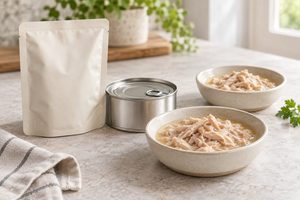
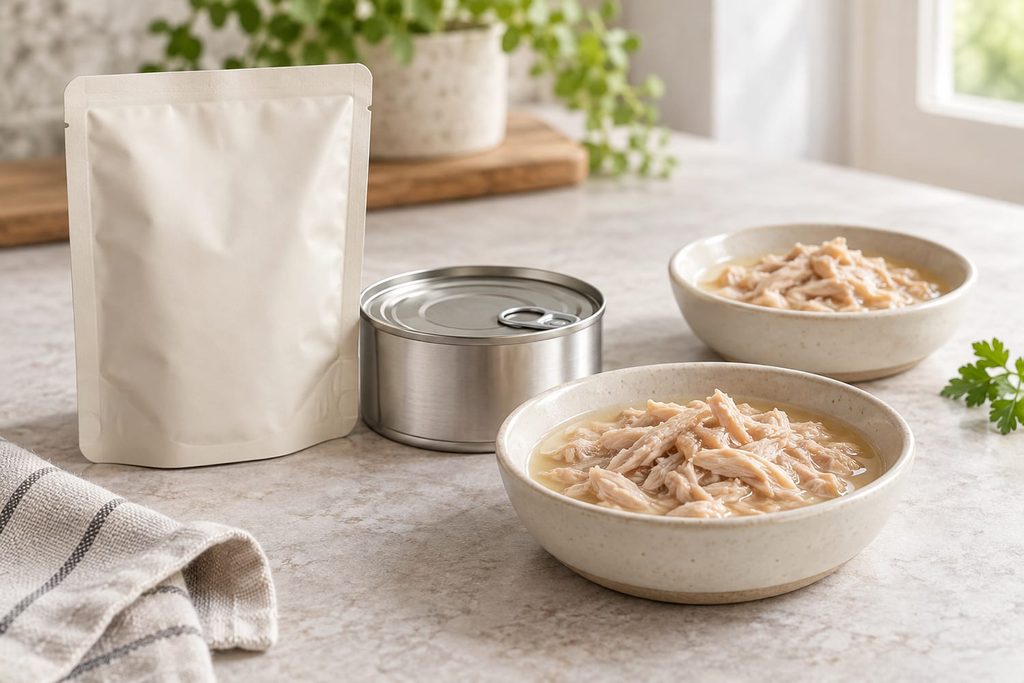
Wet dog food in pouch format has become increasingly attractive in both online and offline retail channels. The reason is simple: it matches what modern consumers want.
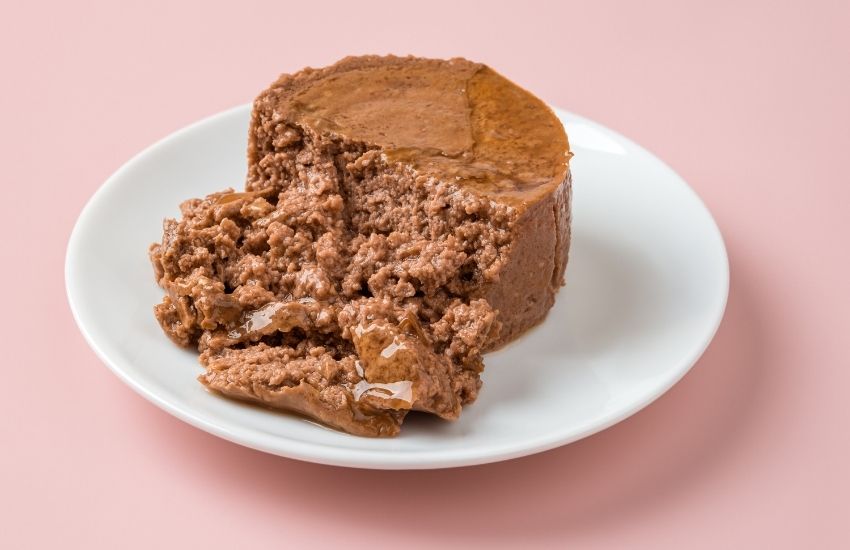
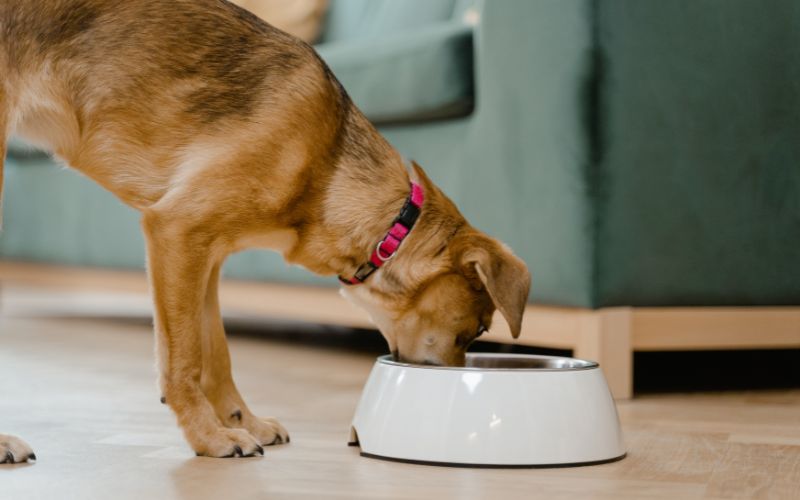
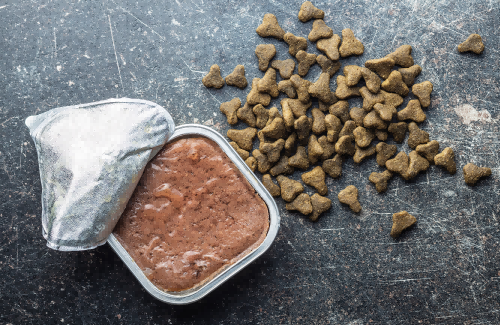
Compared with traditional cans, pouches often feel more convenient, lighter to ship, easier to store, and more premium in presentation. Compared with dry kibble, wet food is often seen as more palatable, more aromatic, and better suited for picky eaters, senior dogs, and small breeds.
From a B2B perspective, pouches also perform well because they can be adapted for different sales channels:
For Amazon and e-commerce sellers
Pouches are visually attractive, easy to brand, and suitable for multi-pack offers. They work well for shoppers looking for premium feeding solutions, variety packs, or breed-specific options.
For supermarkets and retail chains
Pouches can be merchandised as single-serve meals, toppers, or multipacks. Their packaging allows strong shelf impact and clear messaging around ingredients and benefits.
For distributors and importers
OEM wet food pouches provide flexibility. A single manufacturing partner can often support multiple flavors, pack sizes, packaging styles, and positioning strategies for different customers.
For private label brands
Pouches are ideal for building a modern pet food line. Whether your angle is grain-free, high meat, functional nutrition, or value-for-money family feeding, pouch packaging gives you room to tell that story.
What “OEM Wet Food Pouches Dogs” Really Means
When buyers search for OEM wet food pouches dogs, they are usually looking for a manufacturer that can produce dog wet food under their own brand.
OEM generally means the factory manufactures based on an existing or agreed product concept, with the buyer’s branding and packaging. ODM goes a step further and may include formula development, packaging design support, and product concept recommendations.
In practice, a professional OEM/ODM supplier can support you with:
- Recipe development
- Flavor selection
- Texture customization
- Functional ingredient additions
- Packaging design
- Private label printing
- Compliance documentation
- Export packaging
- Production scheduling
- Quality assurance
For many B2B customers, this is more efficient than building products from scratch with multiple vendors.
Common Types of Dog Wet Food Pouches
Not all dog wet food pouches are the same. Buyers should first understand which product type best fits their market and price positioning.
Complete Meal Pouches
These are designed to be fed as a standalone meal. They are popular among consumers who want convenience and portion control. Complete meal pouches are common in premium retail, supermarkets, and online subscription-style offerings.
Typical features include:
- Balanced nutrition
- Meat-based protein sources
- Vegetable or gravy inclusions
- Small single-serve portions
- Easy tear-open packaging
These are especially attractive for small dogs, urban pet owners, and premium shoppers.
Complementary Wet Food Pouches
These are not always intended as the dog’s full daily diet. Instead, they are used as toppers, mixers, or supplemental feeding options.
They are useful for brands targeting:
- Picky eaters
- Dogs needing appetite stimulation
- Owners who mix wet and dry food
- Premium treat-like feeding experiences
This type can be very effective for brands that want to cross-sell with dry dog food.
Functional Wet Food Pouches
Functional pet food is a growing area, and wet pouches fit this trend well. These products may target needs such as:
- Skin and coat support
- Digestive health
- Weight management
- Joint support
- Senior dog nutrition
- Puppy growth support
For B2B buyers, this category offers a chance to create more differentiated product lines rather than competing only on price.
Premium Meat-Forward Pouches
These formulas focus heavily on visible meat content, strong protein positioning, and more upscale branding. They often appeal to specialty retailers, premium e-commerce shops, and importers serving higher-end urban markets.
Claims in this segment may include:
- High meat content
- Real chicken, beef, duck, lamb, or fish
- Grain-free formula
- Limited ingredient recipe
- No artificial colors or preservatives
Why Pouch Packaging Works So Well
Packaging is not just a container. In pet food, it is part of the selling strategy.
Dog wet food pouches have become popular because they solve several practical problems at once.
Convenient for consumers
Pouches are easy to open, easy to serve, and easy to dispose of. Many pet owners prefer them for travel, quick feeding, or portion-controlled meals.
Strong visual presentation
A well-designed pouch can look modern and premium. This matters online, where packaging images influence clicks, and in stores, where packaging must stand out on crowded shelves.
Flexible sizing
Pouches can be produced in various sizes, allowing different feeding scenarios, from single portions to larger family-use packs.
Lighter than cans
For shipping, pouches are often more efficient in terms of weight and storage. This can be helpful for distributors and importers managing freight costs.
Better for product line expansion
Brands can launch multiple SKUs with different proteins, functions, or life-stage claims while keeping a consistent visual packaging format.
Key Customization Options for OEM Dog Wet Food Pouches
One of the biggest advantages of OEM and ODM production is customization. The best manufacturing partners do not just offer “one standard product.” They help you build a line that fits your channel and market.
Protein Sources
Different markets respond differently to protein positioning. Common options include:
- Chicken
- Beef
- Duck
- Lamb
- Turkey
- Tuna or other fish
- Mixed meat recipes
For some regions, chicken and beef are mainstream volume products. For premium lines, duck, lamb, or fish may help create stronger differentiation.
Texture Styles
Texture affects consumer perception and dog acceptance. Common pouch textures include:
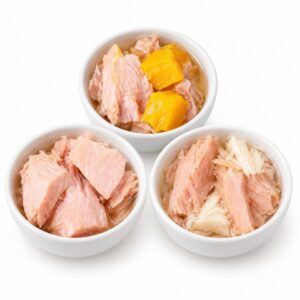
- Chunks in gravy
- Chunks in jelly
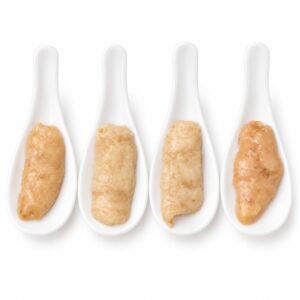
- Pâté style
- Shredded meat
- Minced meat
- Broth-rich formulas
The right texture depends on your product positioning. For example, gravy-based products often feel hearty and indulgent, while pâté may suit senior dogs or easier feeding.
Functional Ingredients
OEM buyers increasingly want formulas with added value. Possible additions include:
- Vitamins and minerals
- Omega fatty acids
- Prebiotics
- Fiber sources
- Glucosamine
- Chondroitin
- Taurine
- Botanical ingredients
This is especially useful for private label brands that want to enter premium retail or health-focused e-commerce categories.
Pack Size
Pack size should reflect your target sales channel. Smaller portions often work well in premium retail and single-serve feeding. Multipack strategies may be better for e-commerce and supermarket promotions.
Branding and Packaging Design
A good OEM supplier should support packaging customization such as:
- Private label logo printing
- Market-specific language
- Feeding guide layout
- Ingredient panel formatting
- Carton design
- Barcode and labeling support
For importers and wholesalers, this service reduces development time and helps product launches move faster.

What B2B Buyers Should Check Before Choosing a Manufacturer
Not every factory is a good OEM partner. A supplier may offer wet pet food, but that does not automatically mean they are the right fit for your brand or channel.
Here are the most important areas to evaluate.
Manufacturing Experience
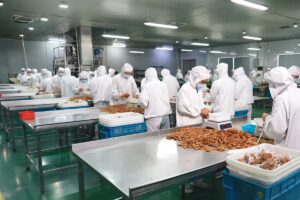
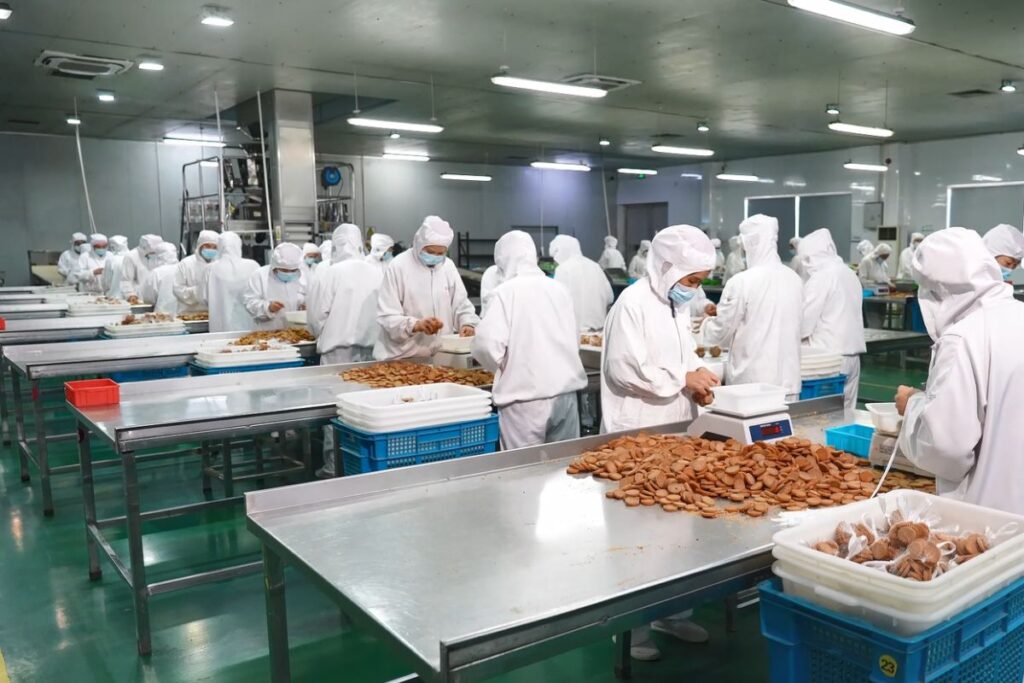
Ask whether the supplier has direct experience producing dog wet food pouches for export markets. Experience matters because pouch production, sterilization control, filling consistency, and packaging sealing all require technical reliability.
A factory that already works with international buyers will usually be better prepared for documentation, communication, and production planning.
Recipe Development Capability
Some buyers already know exactly what they want. Others need support turning an idea into a viable product.
A capable OEM/ODM partner should be able to help with:
- Formula recommendations
- Protein and texture selection
- Claim positioning
- Sample development
- Market-adapted suggestions
This is especially important for first-time private label buyers.
Quality Control System
Wet pet food is a category where quality control is critical. Buyers should ask detailed questions about:
- Raw material sourcing
- Batch traceability
- Microbiological control
- Sealing integrity
- Retort or sterilization process
- Finished product inspection
- Shelf-life testing
For supermarket and large retail supply, strong QA systems are not optional. They are part of doing business.
Export and Documentation Support
If you are importing into a regulated market, your supplier should be able to support documentation such as:
- Ingredient lists
- Nutritional analysis
- Product specifications
- Label files
- Health-related documents where required
- Country-specific export paperwork
A good manufacturer makes international trade smoother, not more complicated.

MOQ Flexibility
Minimum order quantity matters, especially for new brands and Amazon sellers. Some buyers need a lower MOQ to test a concept before scaling. Others need large-volume production from the start.
The right OEM partner should be clear about MOQ for:
- Existing formulas
- Custom formulas
- Printed packaging
- Mixed SKU orders
This helps you estimate risk and manage inventory better.
Lead Time and Production Planning
Many B2B buyers lose momentum because they underestimate lead time. Always check:
- Sampling timeline
- Packaging approval timeline
- Production schedule
- Peak season capacity
- Shipping support
This is particularly important if you plan to launch before a seasonal sales period or coordinate with promotions.
OEM Wet Food Pouches for Different Buyer Types
Not all customers buy for the same reason. A smart supplier understands this and adapts recommendations accordingly.
Amazon Sellers
Amazon-focused brands usually need:
- Strong packaging visuals
- Clear differentiation
- Competitive pack sizes
- Consumer-friendly product naming
- Consistent supply
- Lower-risk first orders when possible
They also benefit from variety packs and premium claims that help improve click-through and conversion.
Supermarkets and Chain Retailers
Retail buyers typically look for:
- Stable pricing
- Reliable quality
- Clear labeling
- Scalable production
- Packaging consistency
- Broad consumer appeal
For this channel, the manufacturer should be able to support both standard products and exclusive private label programs.
Pet Brand Owners
Private label brands often care most about identity. They want formulas and packaging that do not look generic. For them, OEM wet food pouches are a tool to create brand recognition and stronger margins.

Importers and Distributors
Distributors need products that can sell across multiple customer types. They often prioritize:
- Market flexibility
- Strong packaging support
- Good shelf life
- Export readiness
- Broad flavor range
- Professional documentation
How to Build a Strong Private Label Dog Pouch Line
Launching a private label wet dog food line does not mean creating dozens of SKUs immediately. In fact, many successful brands start with a focused assortment.
A practical launch structure might include:
Core protein range
Start with two or three popular proteins such as chicken, beef, and duck.
One premium line
Offer a higher-end option with grain-free or higher meat positioning.
One functional line
Add a targeted formula such as digestive support or skin and coat support.
Multipack option
For e-commerce and supermarkets, multipacks can help improve basket value and repeat purchase.
This approach keeps the line manageable while still giving buyers and end consumers meaningful choice.
Common Mistakes Buyers Should Avoid
Even experienced buyers can make avoidable sourcing mistakes.
Choosing only by price
Low price can look attractive at first, but wet pet food is not a category where cutting corners is wise. Problems with formula quality, packaging seal, or product consistency can damage your brand quickly.
Ignoring packaging strategy
A good product in weak packaging often underperforms. Pouch design, claim placement, and shelf presentation all matter.
Launching too many SKUs too early
Too many flavors or functions can complicate inventory planning. Start with the strongest commercial ideas first.
Not clarifying customization scope
Always confirm which elements are truly customizable: formula, pack size, artwork, cartons, language, and MOQ.
Underestimating compliance
Make sure labels, ingredient declarations, and import documentation match your target market requirements.
What Makes a Good OEM Partner Long Term
A supplier is not just a production source. For many brands, the right manufacturer becomes part of the business growth strategy.
A reliable long-term OEM partner usually offers:
- Clear communication
- Honest lead times
- Stable product quality
- Support for new product development
- Professional export experience
- Willingness to grow with the customer
That matters whether you are a new Amazon brand or an established supermarket supplier.
Final Thoughts
The market for OEM wet food pouches for dogs is full of opportunity, but success comes from more than simply finding a factory that can fill a pouch.
The best results usually come from choosing a partner that understands your channel, your price position, your packaging goals, and your long-term brand direction. Whether you are selling through Amazon, supplying large retailers, distributing to pet chains, or building a private label range from scratch, dog wet food pouches offer a flexible and commercially attractive format.
For B2B buyers, the real advantage lies in customization. With the right OEM/ODM manufacturer, you can create pouch products that fit your market instead of forcing your market to accept a generic product.
If your business is exploring custom dog wet food pouch solutions, private label development, or wholesale supply opportunities, Matchwell Pets can be a useful starting point for product discussions and OEM/ODM planning: https://matchwellpets.com/