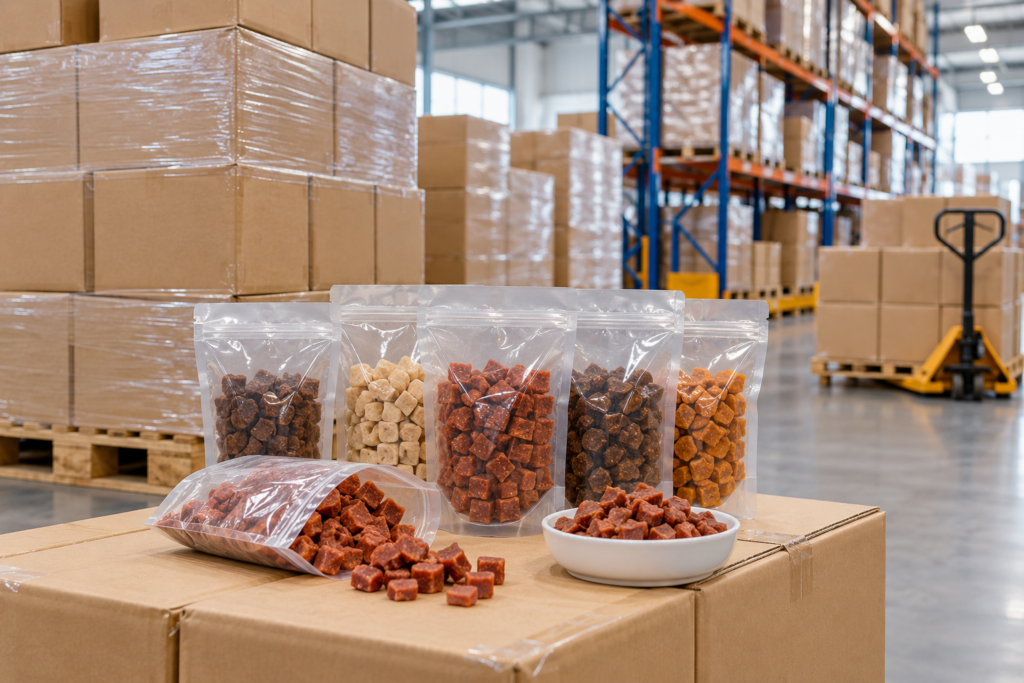

Pet Treat Wholesale Trade in 2026
If you are buying pet treats for Amazon, large retail chains, specialty stores, supermarkets, or your own private label brand, 2026 is not a year to source the same way you did two or three years ago.
The market is bigger, more competitive, and more channel-driven. In the U.S., pet industry spending reached $158 billion in 2025 and is projected to rise again in 2026, while pet ownership remains broad, with 95 million U.S. households owning a pet according to APPA data. That matters for wholesale buyers because it confirms that pet demand is still strong, but it also means more brands, more listings, and more pressure to stand out.
For wholesalers, importers, and OEM/ODM buyers, the biggest opportunity in 2026 is not simply to buy more pet treats. It is to buy smarter: choose products that fit current retail demand, build packaging and compliance for each channel, and work with manufacturers that can support both stable supply and customization.
Why pet treat wholesale still looks attractive in 2026
Pet owners are still spending, but their behavior has become more selective. Growth is being supported by a mix of premiumization, health-focused purchasing, and practical value-seeking. Recent industry reporting shows that health and wellness claims continue to influence buying decisions, and a 2024 Packaged Facts survey cited in 2026 coverage found that 74% of U.S. pet owners were willing to spend more on products with health and wellness benefits. At the same time, affordability remains important, which is why buyers are responding well to products that feel premium without becoming too expensive.

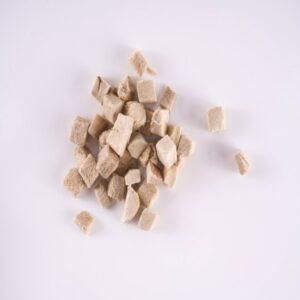
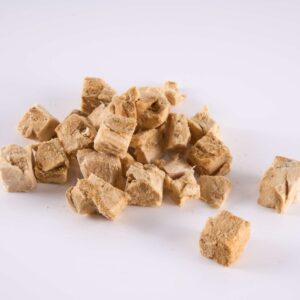
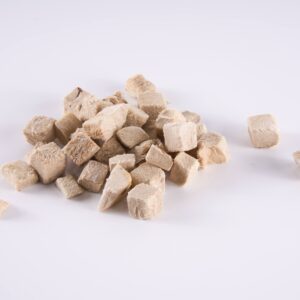
This is especially relevant in treats. Treats are often an “affordable premium” category. Consumers may hesitate on a very expensive daily food formula, but they are more willing to add freeze-dried treats, training treats, dental treats, or functional snacks if the product feels healthy, useful, and convenient. That makes pet treats one of the most flexible categories for wholesalers serving both online and offline channels.
The biggest wholesale trade trends shaping 2026
1. Online and offline channels are blending together
The pet trade is no longer split neatly between e-commerce and brick-and-mortar. In U.S. pet food shopping, 39% of sales occur online, and omnichannel shoppers account for an even larger share of dollars, according to industry reporting citing Packaged Facts and NielsenIQ. At the same time, digitally native pet brands are continuing to expand into physical retail, even though that brings lower margins and new trade costs such as slotting fees and promotional allowances.
For wholesale buyers, this means product selection has to work across channels. A treat that performs on Amazon because it photographs well, ships easily, and fits a clean product detail page may still need a different pack size, UPC setup, or merchandising format for supermarket or pet store shelves. In 2026, the winning suppliers are the ones that understand both.
2. Private label is getting more serious
Private label is not a side opportunity anymore. Recent pet industry reporting notes that private label pet care sales continued to grow, with unit sales outperforming many national brands, while major value retailers are expanding store-brand pet assortments. In plain language, retailers and marketplace sellers increasingly want control over price, brand positioning, and packaging.

That creates a strong opening for OEM/ODM pet treat manufacturing. Buyers are looking for manufacturers who can do more than produce a generic snack. They want support with recipe development, packaging formats, ingredient storytelling, sampling, shelf-life stability, and channel-specific documentation.
3. “Premium” now has to come with value
In past years, premium often meant simply higher protein, freeze-dried texture, or upscale packaging. In 2026, premium still matters, but buyers also need pricing discipline. Industry coverage this year points to a balancing act between premiumization and affordability. Shoppers still want better ingredients and wellness benefits, but they are comparing prices closely and often mixing premium add-ons with more affordable everyday feeding routines.
For a wholesaler, this means the best assortment is usually not all luxury and not all low-cost commodity. A stronger strategy is a layered range:
- entry-level everyday treats
- mid-tier natural or high-meat-content treats
- premium freeze-dried or functional treats
- private label options for margin control
4. Functional claims are becoming more important
Health-positioned pet products continue to attract attention. In 2026 reporting, digestive health, oral health, and skin and coat remain among the most important functional areas influencing pet owners. Broader industry data also points to continued growth in nutraceutical and supplement-adjacent pet categories.

For pet treat wholesale trade, that means buyers should pay close attention to:
- dental treats
- skin and coat support treats
- digestion-focused treats
- training treats with cleaner labels
- topper-style or freeze-dried treats that fit “add-on” feeding behavior
These do not need to become overcomplicated formulas. In many cases, a clear benefit, good palatability, and trustworthy labeling are more valuable than an overly crowded claim list.
What Amazon sellers and large retailers care about in 2026
Amazon sellers want speed, listing compliance, and repeatable margins. Amazon’s current guidance makes clear that pet food and treats must comply with FDA regulations, and sellers are responsible for accurate categorization, descriptions, and listing compliance. Amazon also continues to spotlight pet as an important promotional category, including 2026 Pet Days coverage.
That means marketplace-focused buyers usually need:
- retail-ready packaging
- clean ingredients and clear labels
- barcode and carton consistency
- stable lead times
- documentation that helps avoid listing issues
- pack sizes that balance shipping cost and conversion rate
Supermarkets, chain stores, and offline distributors care about somewhat different things. They look harder at audit readiness, supply continuity, margin structure, shelf impact, and operational consistency. Walmart’s public supplier materials emphasize compliance with applicable food safety laws and regulations, and Walmart also publicly states expectations around supplier animal welfare standards.

In practice, large offline buyers typically want:
- dependable factory systems
- strong QA and food safety documentation
- traceability
- dependable packaging performance
- scalable production capacity
- the ability to support promotions, seasonal runs, or private label launches
How B2B buyers should choose a pet treat supplier in 2026
A good price is still important, but it is no longer enough. In 2026, a wholesale supplier should be judged on five areas.
Product fit
Does the factory offer the types of treats the market is actually buying now, such as freeze-dried treats, natural training treats, functional treats, or premium meat-based snacks?
Customization ability
Can the supplier support OEM/ODM work, including formula adjustments, pack size changes, branding, and retailer-specific packaging needs?
Compliance readiness
Can the supplier provide the documentation needed for your target channel and market? For Amazon, that may mean smoother product setup and fewer listing problems. For supermarkets and importers, that may mean stronger food safety records and supplier audits.
Supply stability
Can they maintain lead times, communicate clearly, and scale from trial order to container order without quality drift?
Commercial understanding
Do they understand the difference between selling to an Amazon private label brand, a national supermarket buyer, a distributor, or a specialty pet retailer? In 2026, channel understanding is becoming a real competitive advantage.

A practical 2026 buying strategy for wholesalers
If you are planning your pet treat business this year, a sensible sourcing plan looks like this:
Start with a focused assortment instead of too many SKUs. Choose several proven winners that match current demand, such as freeze-dried treats, soft training treats, or functional products with simple claims.
Build for two channels at once. Even if you begin with Amazon, design packaging and compliance in a way that can later support offline expansion.
Use private label selectively. You do not need to private label everything. Many buyers do best with a mix of factory-standard products for speed and custom SKUs for margin and brand identity.
Watch value positioning carefully. 2026 is rewarding products that feel premium but remain commercially realistic. High-protein, clean-label, and functional are attractive, but pricing still needs to make sense for repeat purchase.
Choose suppliers that act like partners. A reliable manufacturer should help you think through packaging, documentation, carton loading, MOQ planning, and channel fit, not just send a quotation sheet.
Final thoughts
Pet treat wholesale trade in 2026 is full of opportunity, but it is also more demanding than before. Buyers are no longer looking only for “cheap bulk treats.” They want products that fit modern pet owner expectations, meet marketplace and retail standards, and leave room for brand growth.
The strongest B2B opportunities this year sit at the intersection of quality, compliance, customization, and channel strategy. If you are sourcing for Amazon, supermarkets, pet specialty retail, or your own OEM/ODM brand, the goal is not just to find a manufacturer. It is to find a supplier that can help you build a more competitive pet treats business.
For buyers exploring wholesale pet treats, private label development, or OEM/ODM manufacturing support, MatchwellPets can be a useful starting point for reviewing product options and discussing tailored B2B supply needs.
Website: https://matchwellpets.com/