
How Pet Treat Manufacturers Develop New Products: A Step-by-Step Guide
Launching a new pet treat involves much more than choosing an ingredient and putting it into attractive packaging.
Professional pet treat manufacturers must turn a market opportunity into a product that is palatable, stable, manufacturable and commercially viable. The process can involve market research, ingredient selection, formulation, sample production, testing, packaging development and regulatory review.
For pet brands, importers and distributors, understanding this process makes it easier to communicate with a manufacturer, control development costs and bring the right product to market faster.
This guide explains how pet treat manufacturers develop new products—from the first idea to commercial production.
What Is Pet Treat Product Development?
Pet treat product development is the process of transforming a product concept into a treat that can be produced consistently and sold in the target market.
A successful product must satisfy several requirements:
- It addresses a real consumer or retailer demand.
- Pets accept its flavor, aroma and texture.
- Its ingredients and claims are suitable for the target market.
- It remains stable throughout its intended shelf life.
- The factory can manufacture it efficiently at scale.
- Its final cost supports the brand’s target retail price.
- Its packaging protects the product and communicates its benefits.
Because these requirements are connected, experienced manufacturers evaluate the formula, production method, packaging and price together instead of treating them as separate decisions.
Step 1: Define the Product Concept
Every new product begins with a clear concept.
A pet brand may approach a manufacturer with a general request such as:
- A high-protein dog training treat
- A single-ingredient freeze-dried cat treat
- A long-lasting dog chew
- A functional treat for joint or digestive support
- A low-fat reward for weight-conscious dogs
- A private label treat for a supermarket or Amazon store
However, a general idea is not enough to begin formulation. The manufacturer needs to translate it into a detailed product brief.
A useful development brief normally includes:
- Target animal and life stage
- Intended market or country
- Product type and texture
- Preferred protein source
- Functional benefits
- Ingredient restrictions
- Target size and weight
- Packaging format
- Expected order quantity
- Target cost or retail price
- Competitor or reference products
The more specific the brief is, the easier it becomes for the manufacturer to recommend a realistic development route.
Step 2: Research the Market and Consumer Demand
Before creating a formula, pet treat manufacturers and brands need to understand what buyers actually want.
Market research may examine:
- Popular protein sources
- New treat formats
- Functional health trends
- Clean-label preferences
- Packaging sizes
- Competitor pricing
- Retailer requirements
- Customer reviews and complaints
For example, demand for limited-ingredient treats may support a simple meat-based formula. A training treat, however, may require small portions, low calories and a texture that does not crumble inside a pocket.
The target sales channel also matters. A product designed for an independent pet shop may have different packaging, pricing and minimum-volume requirements from one developed for a supermarket chain or an online subscription box.
This stage helps prevent a common mistake: developing an interesting product that does not fit the intended customer, price point or sales channel.
Step 3: Select the Product Format and Manufacturing Process
The chosen product format determines which ingredients, equipment and processing conditions will be required.
Common pet treat categories include:
- Dehydrated meat treats
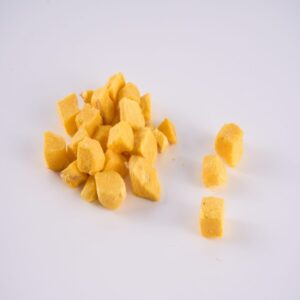
- Freeze-dried treats
- Soft and chewy treats
- Training treats
- Rawhide and collagen chews
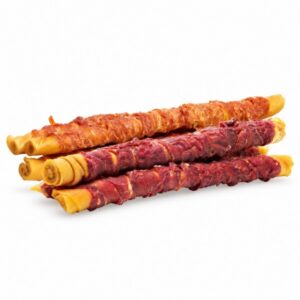
- Chicken-wrapped chews
- Dental treats
- Biscuits
- Functional tablets
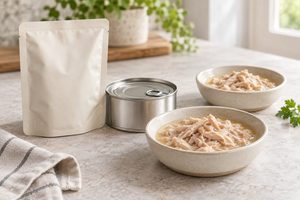
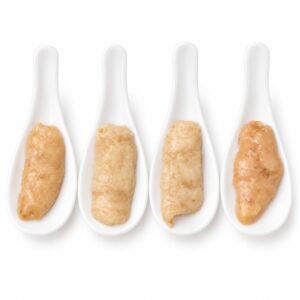
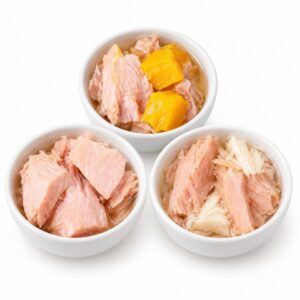
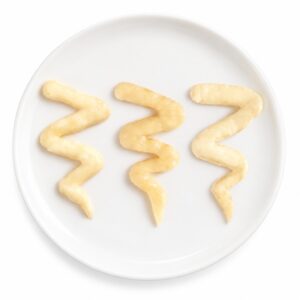
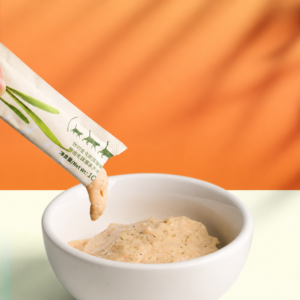
- Wet treats and meat pastes
Different manufacturing methods produce different results.
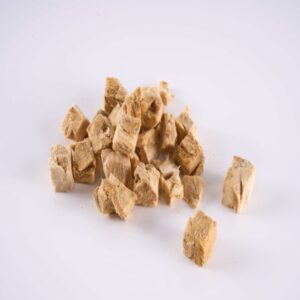
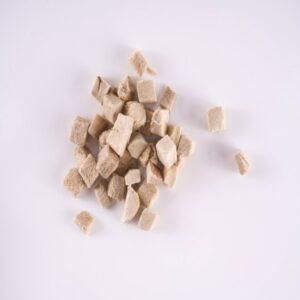
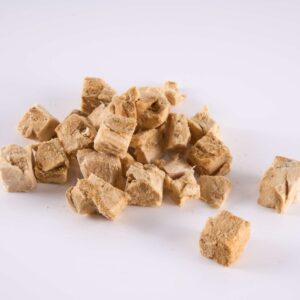
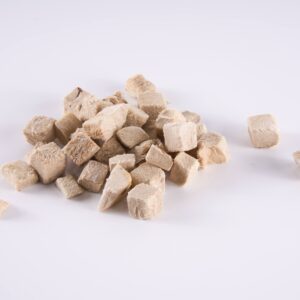
Freeze-drying, for example, helps preserve the structure and natural characteristics of raw materials. Dehydration removes moisture through controlled heat, while extrusion can produce more consistent shapes and textures. Chewy treats may require careful control of moisture, binders and drying conditions.
An experienced custom pet treat manufacturer should explain what can be achieved with each process and whether the concept is suitable for large-scale production.
Step 4: Choose Ingredients and Build the Formula
Once the format is established, the research and development team begins selecting ingredients.
Ingredient decisions are normally based on several factors:
Palatability
The treat must have an aroma, flavor and texture that appeal to the target animal.
Nutritional purpose
Ingredients should support the intended positioning, whether the product is a simple reward, protein-rich snack or functional supplement.
Processing performance
An ingredient that works in a kitchen recipe may behave differently during drying, extrusion or commercial-scale mixing.
Supply stability
Manufacturers need ingredients that can be sourced consistently in the required volume and quality.
Cost
Premium ingredients may strengthen the product’s positioning, but the total formula must still fit the brand’s target price.
Market requirements
Ingredient restrictions and labeling rules can differ between countries. The manufacturer should know the intended destination before finalizing the formula.
At this stage, the R&D team may adjust protein content, moisture, texture, color, aroma or functional ingredients. Several experimental formulas may be developed before the first customer sample is produced.
Step 5: Create Prototype Samples
Prototype production turns the formula into a physical product that the brand can evaluate.
During sampling, the manufacturer may test different versions of:
- Flavor
- Protein source
- Shape
- Thickness
- Hardness
- Color
- Moisture level
- Portion size
- Functional ingredient level
The customer should review more than the product’s appearance. A useful sample evaluation also considers aroma, texture, breakability, portion consistency and expected customer use.
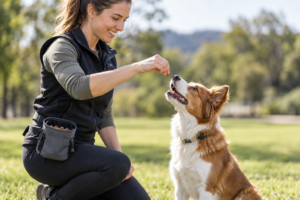
For example, a training treat should be easy to carry and give quickly. A dental chew should have sufficient structure for chewing. A freeze-dried treat should remain intact during transportation without becoming excessively hard.
Matchwell can generally prepare custom samples in approximately seven days after the product requirements and available formulation route are confirmed.
Step 6: Conduct Palatability and Product Testing
A technically correct formula is not automatically a commercially successful treat. Pets must want to eat it.
Pet treat manufacturers may use feeding observations or structured palatability tests to evaluate:
- Initial interest
- Acceptance rate
- Consumption
- Preference between formulas
- Chewing behavior
- Repeated acceptance
Manufacturers must also evaluate the physical and microbiological characteristics of the product. Depending on the product type, testing may cover:
- Moisture content
- Water activity
- Crude protein and fat
- Microbiological safety
- Texture and hardness
- Product dimensions
- Color and odor
- Packaging seal integrity
Raw material inspection, production controls and finished-product testing help reduce the risk of contamination, instability and inconsistent batches.
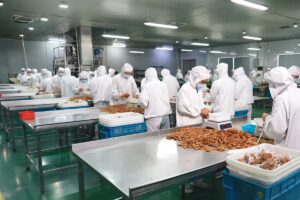
At Matchwell, quality management is supported by systems and certifications including BRC, IFS and FSSC 22000.
Step 7: Refine the Product for Commercial Production
The first prototype is rarely the final commercial formula.
Customer feedback may lead to changes such as:
- Making the treat softer or harder
- Reducing crumbling
- Changing the product size
- Improving aroma
- Adjusting color
- Replacing an ingredient
- Reducing production cost
- Improving packaging stability
This is also where production feasibility becomes critical.
A handmade sample may look excellent but be difficult to manufacture consistently in large quantities. The manufacturer must confirm that the product can move through mixing, forming, cooking, drying, cooling and packing without creating unacceptable variation or waste.
Pilot production helps bridge the gap between a laboratory sample and a full commercial order.
Step 8: Develop the Packaging
Packaging is both a protective system and a sales tool.
The correct packaging should help protect the product from:
- Moisture
- Oxygen
- Light
- Contamination
- Breakage
- Seal failure
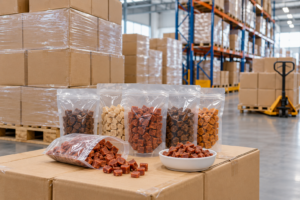
The packaging format depends on the product and sales channel. Available options may include:
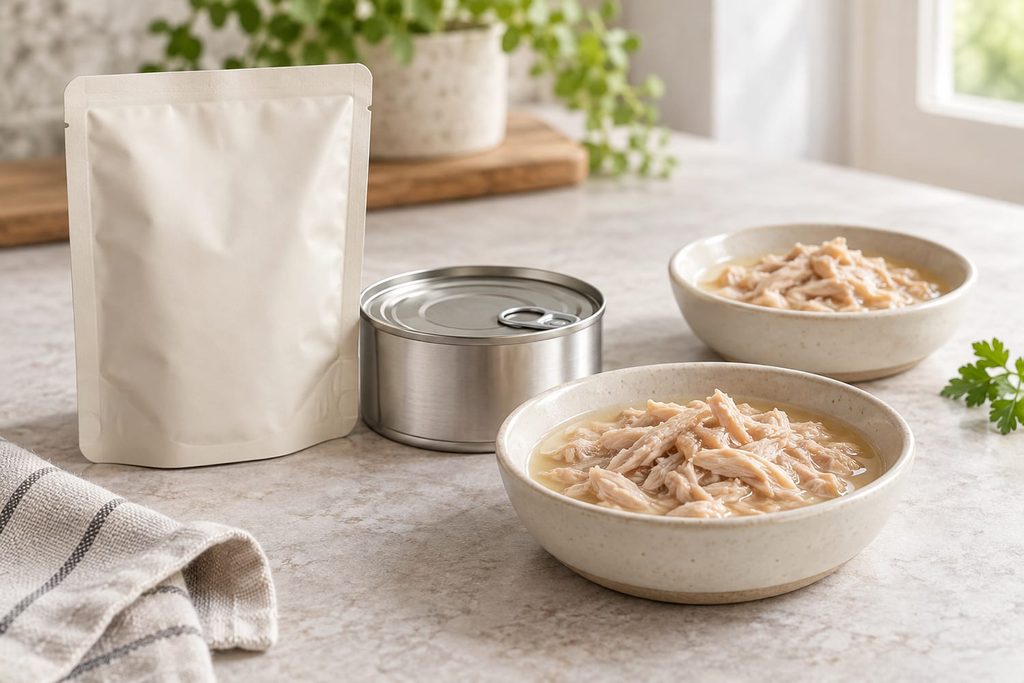
- Stand-up pouches
- Resealable zipper bags
- Small trial packs
- Individual portions
- Jars or tubs
- Display boxes
- Multipacks
- Gift boxes
Private label pet treat packaging may also include a custom logo, brand colors, feeding instructions, ingredient information, barcodes and country-specific labeling.
The product and packaging should be tested together. A stable treat can still fail if the packaging material or seal does not provide sufficient protection during storage and transportation.
Step 9: Review Labels and Regulatory Requirements
Before commercial production, the brand and manufacturer must review the information that will appear on the package.
Depending on the destination market and product category, the label may need to include:
- Product name
- Intended species
- Ingredient list
- Analytical or guaranteed analysis
- Net weight
- Feeding instructions
- Storage instructions
- Batch number
- Production or expiration date
- Manufacturer or distributor information
- Country of origin
- Required warnings
Claims also require careful attention. Statements such as “natural,” “grain-free,” “high protein” or health-related functional claims should be supported by the formula and permitted in the target market.
The importer or brand owner should confirm final compliance with the applicable local authorities before the product is sold.
Step 10: Begin Trial and Mass Production
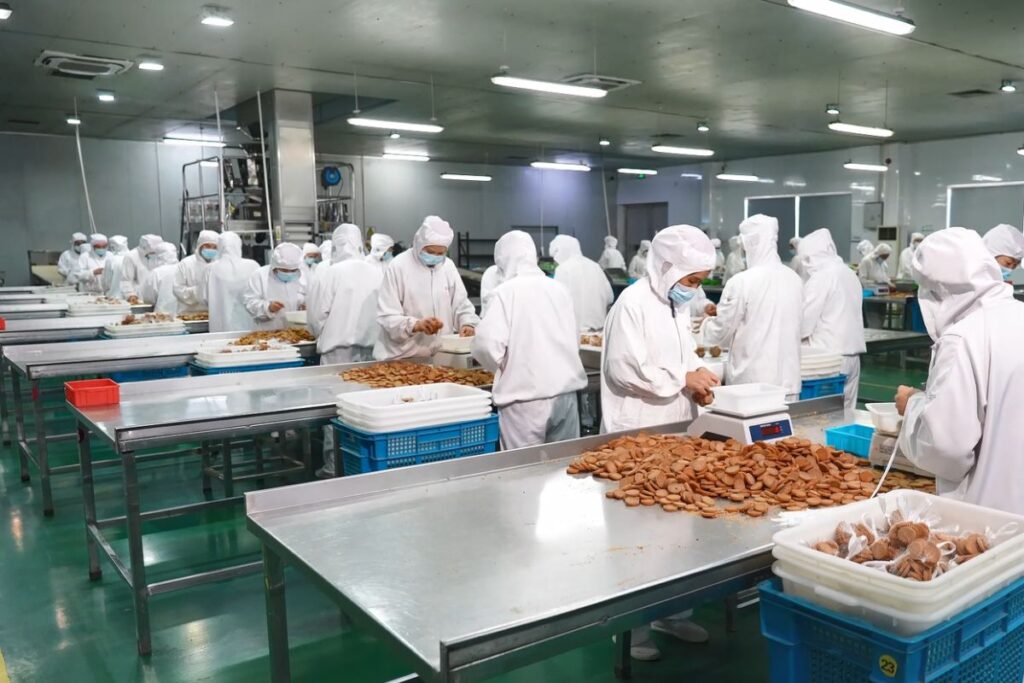
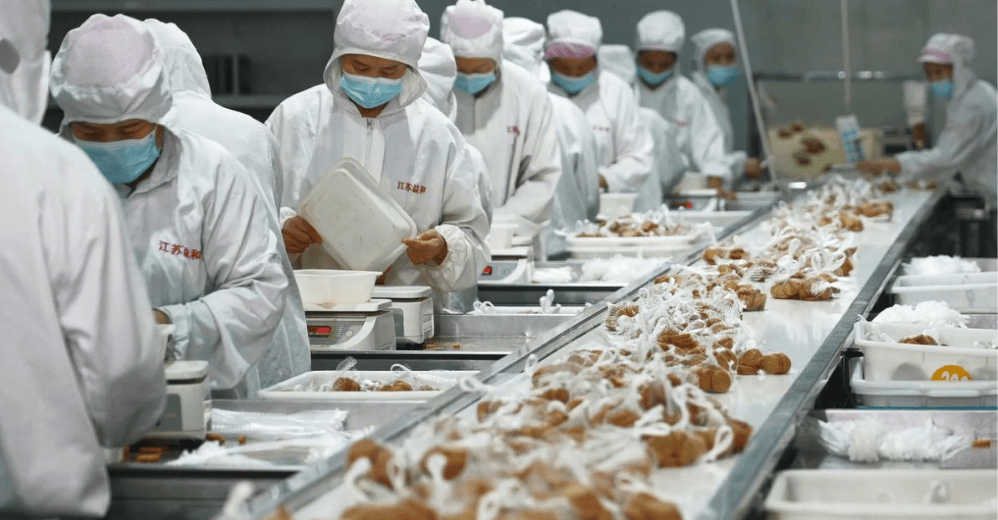
After the formula, specifications, packaging and commercial terms are approved, the manufacturer can schedule production.
The typical process includes:
- Raw material inspection
- Ingredient weighing and preparation
- Mixing or marinating
- Forming, cutting or wrapping
- Cooking, drying or freeze-drying
- Cooling and product inspection
- Metal detection where applicable
- Weighing and packaging
- Finished-product testing
- Carton packing and shipment
The factory should establish product specifications for size, weight, moisture, appearance and packaging so that future batches remain consistent.
For Matchwell private label projects, the standard minimum order quantity can start from 500 kg, depending on the product, formula and packaging requirements. Standard lead times are generally around 15–20 days after the formula, packaging and order details have been confirmed.
How Long Does New Pet Treat Development Take?
Development time depends on the complexity of the project.
A product based on an existing manufacturer formula may move forward relatively quickly. A completely new formula with special ingredients, customized shapes, functional claims or unique packaging may require several sampling and testing rounds.
The timeline is affected by:
- Availability of raw materials
- Number of sample revisions
- Laboratory testing requirements
- Packaging design and printing
- Regulatory review
- Production scheduling
- Customer response time
Providing a complete product brief and consolidated feedback can significantly reduce unnecessary delays.
Existing Formula or Fully Customized Formula?
Brands usually have two development options.
Existing or semi-custom formula
The brand selects a proven base product and customizes elements such as flavor, shape, size or packaging.
This option generally offers:
- Faster development
- Lower technical risk
- More predictable costs
- Easier sample approval
- Better suitability for first orders
Fully customized formula
The manufacturer develops a more distinctive product based on the brand’s specific requirements.
This option can provide:
- Stronger product differentiation
- More control over ingredients
- Exclusive product positioning
- Better alignment with a particular market opportunity
However, it normally requires more testing, development time and commercial commitment.
The best option depends on the brand’s budget, launch schedule, order volume and need for exclusivity.
What Information Should You Send a Pet Treat Manufacturer?
Before requesting a quotation or sample, prepare the following information:
- Product type
- Dog, cat or both
- Target country
- Preferred ingredients
- Ingredients to avoid
- Desired texture and shape
- Target unit weight
- Packaging size and format
- Estimated order volume
- Target price range
- Reference product or photographs
- Required certifications
- Planned launch date
This information allows the manufacturer to recommend a suitable formula, production method, MOQ and development schedule.
How to Choose a Manufacturer for New Product Development
Not every factory offers the same development capabilities. Brands should evaluate whether a potential partner can support the whole project instead of only producing a standard item.
Look for a manufacturer that offers:
- An experienced R&D team
- Multiple pet treat production technologies
- Reliable ingredient sourcing
- Sample development
- Quality-control systems
- International certifications
- Custom packaging support
- Clear MOQ and lead times
- Export experience
- Responsive technical communication
A reliable manufacturer should also be willing to explain technical limitations. Realistic recommendations during development can prevent expensive changes after production begins.
Frequently Asked Questions
Can a pet treat manufacturer reproduce a reference product?
A manufacturer can use a reference product to understand the desired format, texture and market positioning. However, the final formula may differ because of ingredient availability, manufacturing technology, regulatory requirements or intellectual property considerations.
How many sample revisions are usually required?
Simple projects may be approved after one or two rounds. More customized formulas may require several revisions to balance palatability, texture, cost and production performance.
Can manufacturers develop treats for both dogs and cats?
Yes. However, dogs and cats have different preferences, nutritional considerations and eating behaviors. The formula and product size should be developed for the intended species.
What is the MOQ for private label pet treats?
Matchwell’s MOQ can start from 500 kg, although the final requirement depends on the product category, formula, packaging and level of customization.
Can the manufacturer also design the packaging?
Many OEM and private label manufacturers can support packaging selection and design coordination. The customer should provide brand assets, required label content and the destination market.
How quickly can Matchwell provide samples?
Custom samples can generally be prepared in approximately seven days after the development requirements and feasible formula have been confirmed.
Develop Your Next Pet Treat with Matchwell
Successful pet treat development requires coordination between market research, formulation, processing, testing, packaging and regulatory review.
Matchwell provides OEM and private label manufacturing support for dog and cat treats, including training treats, chewy treats, freeze-dried meat, wet treats, functional products and customized packaging.
Our team can help you:
- Evaluate your product concept
- Select a suitable manufacturing process
- Develop or customize the formula
- Produce samples for evaluation
- Create private label packaging
- Prepare the product for commercial production
Whether you are launching your first pet treat or expanding an established product range, a clear development process can reduce risk and help your new product reach the market more efficiently.