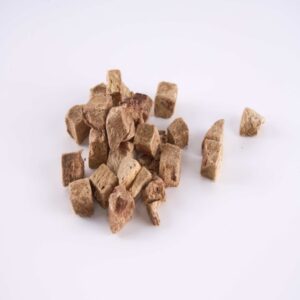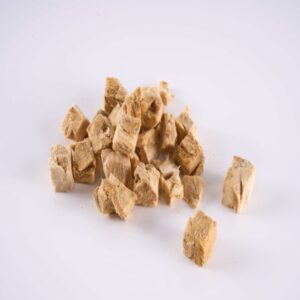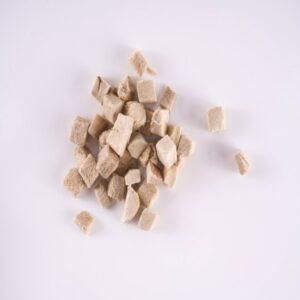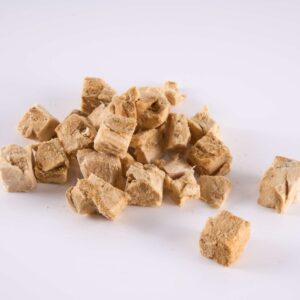

Natural Air Dried Dog Treats Explained: A Complete Guide for Pet Brands & Buyers
Natural pet treats have moved far beyond being a niche category. Today, many pet owners actively look for products with recognizable ingredients, high meat content, simple processing, and clear nutritional positioning.
For pet brands, distributors, retailers, and private-label buyers, this has created growing interest in natural air dried dog treats.
Air drying provides an effective way to turn meat and other suitable ingredients into convenient treats while creating the chewy texture and concentrated flavor dogs enjoy. But what exactly does “air dried” mean? How is it different from dehydration, freeze drying, or traditional jerky production?
This guide explains how natural air dried dog treats are produced, their major advantages, and what B2B buyers should evaluate before sourcing them.
What Are Natural Air Dried Dog Treats?
Natural air dried dog treats are treats produced by gradually removing moisture from meat or other ingredients using controlled airflow, temperature, humidity, and drying time.
Common raw materials include:
- Chicken breast
- Duck breast
- Beef
- Lamb
- Fish
- Rabbit
- Sweet potato
- Meat-and-vegetable combinations
Unlike heavily formulated snacks containing numerous ingredients, natural air dried products can often be developed around relatively simple recipes.
For example, a chicken-based treat might use chicken as its primary ingredient rather than relying heavily on starches, artificial colors, or complicated flavor systems.
This makes air dried treats particularly attractive to brands targeting the natural, premium, high-meat, or limited-ingredient dog treat segments.
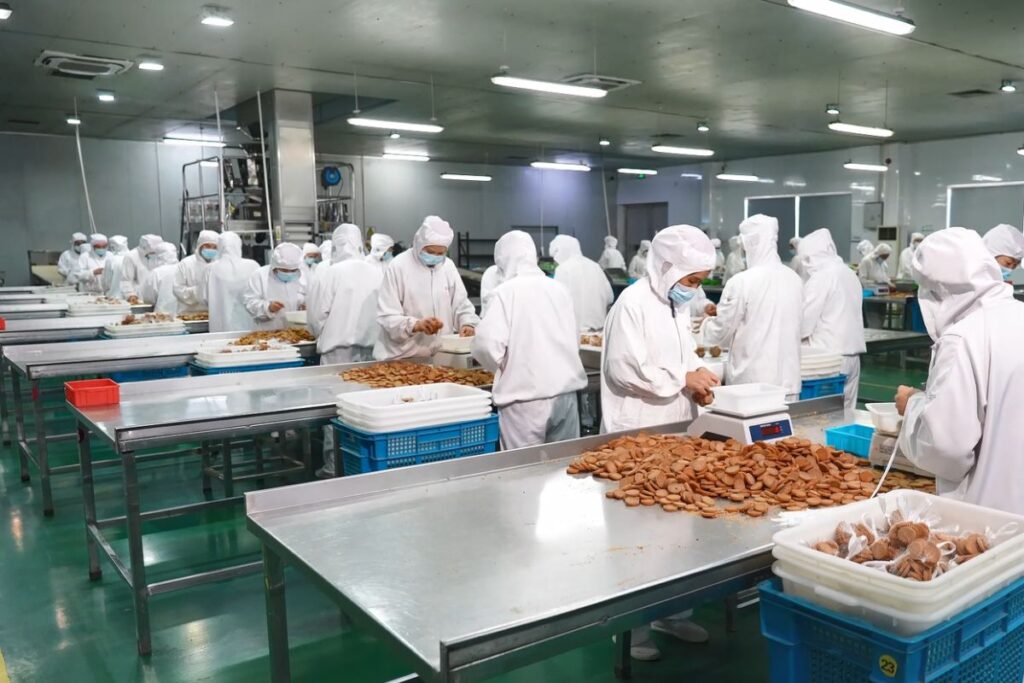
How Are Air Dried Dog Treats Made?
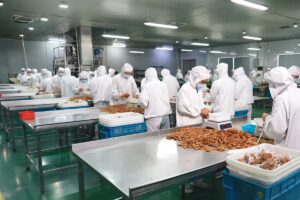
Although the exact manufacturing process varies according to the recipe, thickness, moisture target, and equipment, commercial production generally follows several important stages.
1. Raw Material Selection
Production starts with appropriate meat or other raw materials.
A professional dog treat manufacturer should establish specifications covering factors such as:
- Raw material source
- Appearance and odor
- Temperature
- Microbiological requirements
- Fat content
- Size and condition
- Supplier documentation
Raw material control is particularly important because drying should never be treated as a substitute for good ingredient management.
2. Preparation
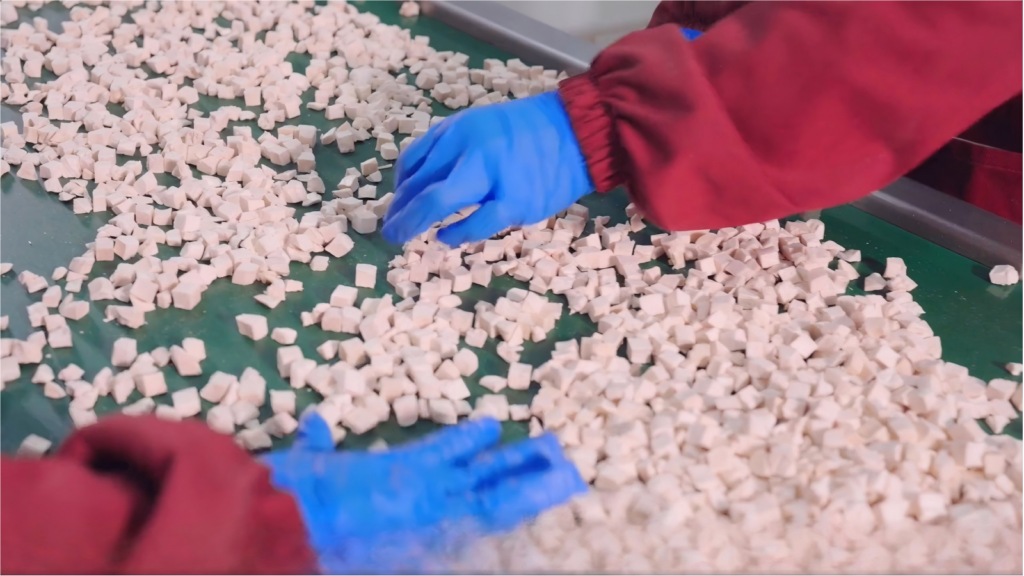
The ingredients are trimmed, sliced, formed, or cut according to the required finished-product specification.
Thickness matters.
If meat pieces are inconsistent in thickness, their drying rates can differ. This can result in inconsistent texture and moisture levels between pieces.
For private-label products, manufacturers may also adjust dimensions according to the intended application—for example, smaller training treats versus larger chewing strips.
3. Controlled Drying
The prepared ingredients enter controlled drying equipment.
Rather than simply exposing meat to warm air for an arbitrary amount of time, commercial production requires control of variables such as:
Temperature + airflow + humidity + time
These parameters influence moisture reduction, texture, appearance, and product consistency.
Different formulations therefore require different drying profiles.
A thin chicken strip cannot simply use the same process parameters as a thick beef treat.
4. Cooling and Inspection
After drying, treats need to be properly cooled and inspected before packaging.
Depending on the product and factory quality-control system, inspection may evaluate:
- Appearance
- Shape
- Weight
- Texture
- Foreign material
- Moisture-related specifications
- Microbiological compliance
Metal detection or other foreign-body controls may also be incorporated into the production process.
5. Packaging
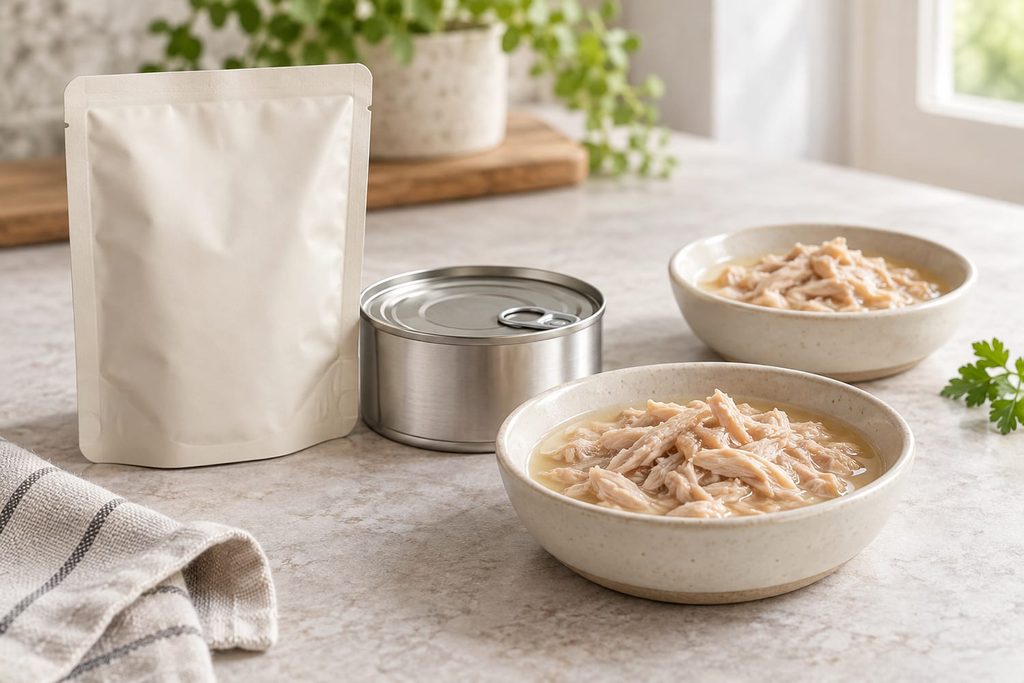
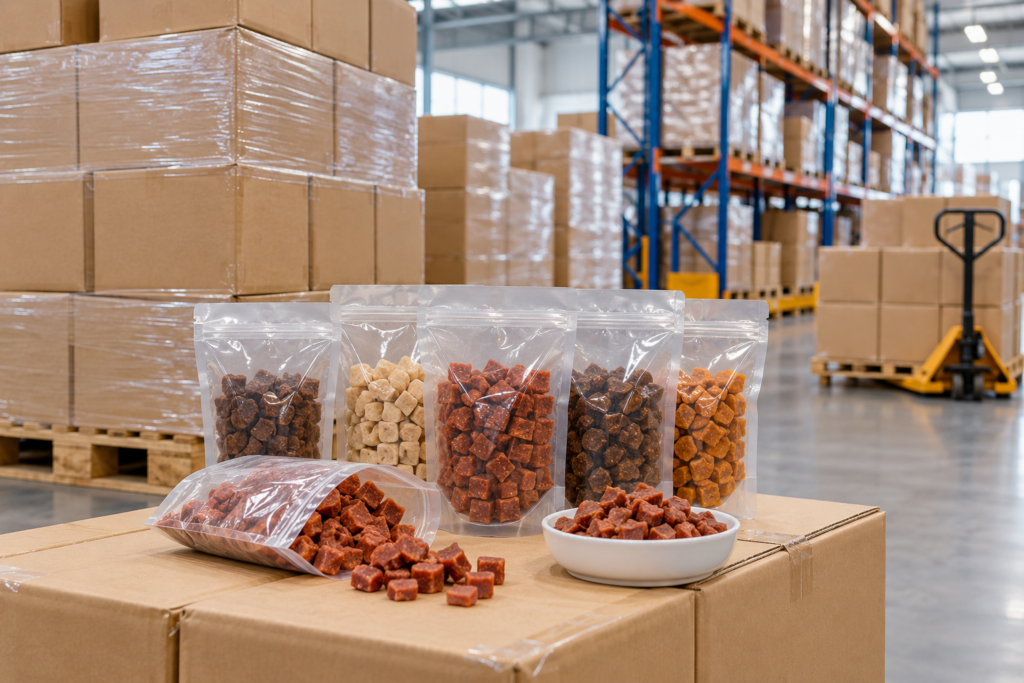
Finished treats are packaged according to the required shelf-life and market specifications.
Packaging options may include:
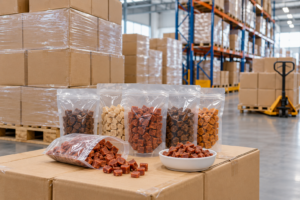
- Stand-up pouches
- Resealable zipper bags
- Flat-bottom bags
- Bulk bags
- Retail private-label packaging
Packaging is more than a branding decision. The selected material and sealing performance need to support the required moisture and oxygen barrier characteristics of the product.
Why Are Air Dried Dog Treats Popular?
The attraction of air dried treats comes from a combination of consumer-friendly positioning and practical product characteristics.
High Meat Content
Many air dried dog treats can be formulated with meat as the dominant ingredient.
This gives brands an easy-to-understand product proposition:
Real meat. Simple ingredients. Convenient treat format.
Such positioning works particularly well for brands competing in premium pet retail channels.
Concentrated Meat Aroma and Flavor
Removing a significant amount of water concentrates the characteristics of the original ingredients.
For dogs, this can create an appealing aroma and taste without requiring a highly complicated formulation.
Chewy Texture
Air drying can produce a texture somewhere between soft meat and very hard chews, although the final texture depends heavily on formulation and processing.
That versatility allows manufacturers to develop products for different applications, including:
- Everyday rewards
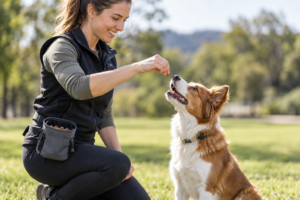
- Training
- Longer chewing
- Small-breed treats
- Large-breed treats
Simple Ingredient Lists
One of the strongest commercial advantages is the potential for relatively straightforward ingredient declarations.
Consumers increasingly read pet food labels, and an ingredient list they can quickly understand can support a premium positioning.
However, brands should avoid assuming that “natural” automatically means single ingredient. Formulation still depends on the desired texture, shelf life, nutritional characteristics, and target market.
Air Dried vs. Freeze Dried Dog Treats
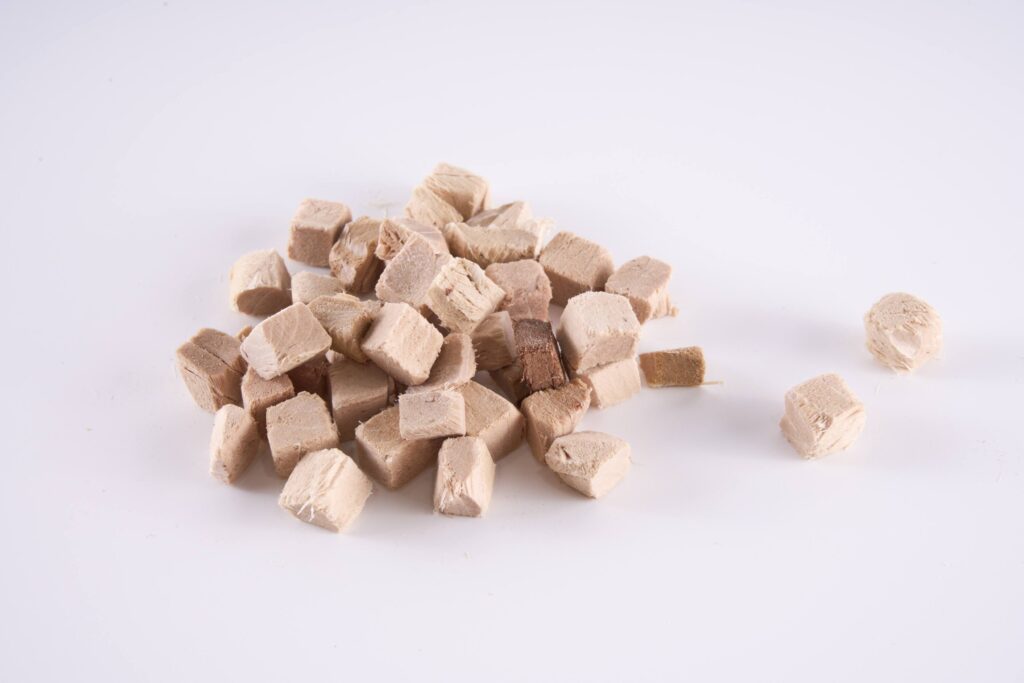
These two categories are frequently confused, but the production technologies are fundamentally different.
| Feature | Air Dried Treats | Freeze Dried Treats |
|---|---|---|
| Process | Controlled warm-air drying | Freezing followed by moisture removal under vacuum |
| Typical texture | Chewy to firm | Dry, porous, lightweight |
| Equipment | Drying systems | Specialized freeze-drying equipment |
| Processing time | Product dependent | Generally relatively long |
| Product positioning | Natural meat treats / jerky-style treats | Premium minimally processed treats |
| Typical appearance | Dense and meat-like | Porous and lightweight |
Neither method is automatically better.
The correct choice depends on the brand’s product concept, target retail price, texture requirements, packaging strategy, and target customer.
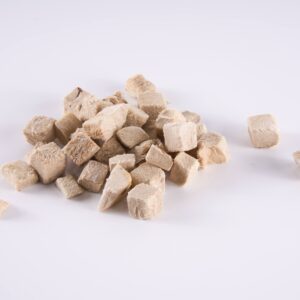
A brand wanting a chewy chicken breast strip, for example, may find air drying more appropriate. A company developing lightweight, highly premium single-ingredient meat cubes may prefer freeze drying.
Air Dried vs. Dehydrated Dog Treats
The terms air dried and dehydrated are sometimes used interchangeably in commercial marketing.
Technically, air drying is a method of dehydration because both processes remove water.
The important question for professional buyers is therefore not simply what terminology appears on the package.
Instead, ask the manufacturer:
How is the product actually processed?
Buyers should understand the drying temperature profile, process controls, final specifications, microbiological controls, and shelf-life validation rather than relying entirely on marketing terminology.
Are Natural Air Dried Dog Treats Healthy?
They can be a useful part of a dog’s diet when appropriately formulated and fed as intended.
Their nutritional characteristics depend primarily on the ingredients and formulation.
For example, a simple dried chicken breast treat can provide animal protein, while a meat-and-sweet-potato treat will have a different nutritional profile.
However, treats are still treats.
Unless a product has been specifically formulated and validated as a complete and balanced food for the relevant market, it should not be presented as a replacement for a dog’s primary diet.
Brands should also pay attention to feeding guidance and calorie contribution when developing packaging claims.
Popular Types of Natural Air Dried Dog Treats
For private-label brands, air drying provides considerable flexibility.
Air Dried Chicken Treats
Chicken is one of the most widely recognized proteins in the pet treat industry.
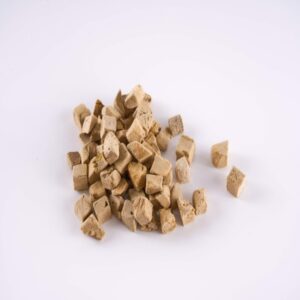
Popular formats include chicken breast strips, chicken jerky, chicken cubes, chicken-wrapped products, and smaller training pieces.
Air Dried Duck Treats
Duck can help brands create a more premium product range and expand beyond standard chicken-based SKUs.
Common formats include duck breast strips, duck jerky, duck cubes, and combination treats.
Air Dried Beef Treats
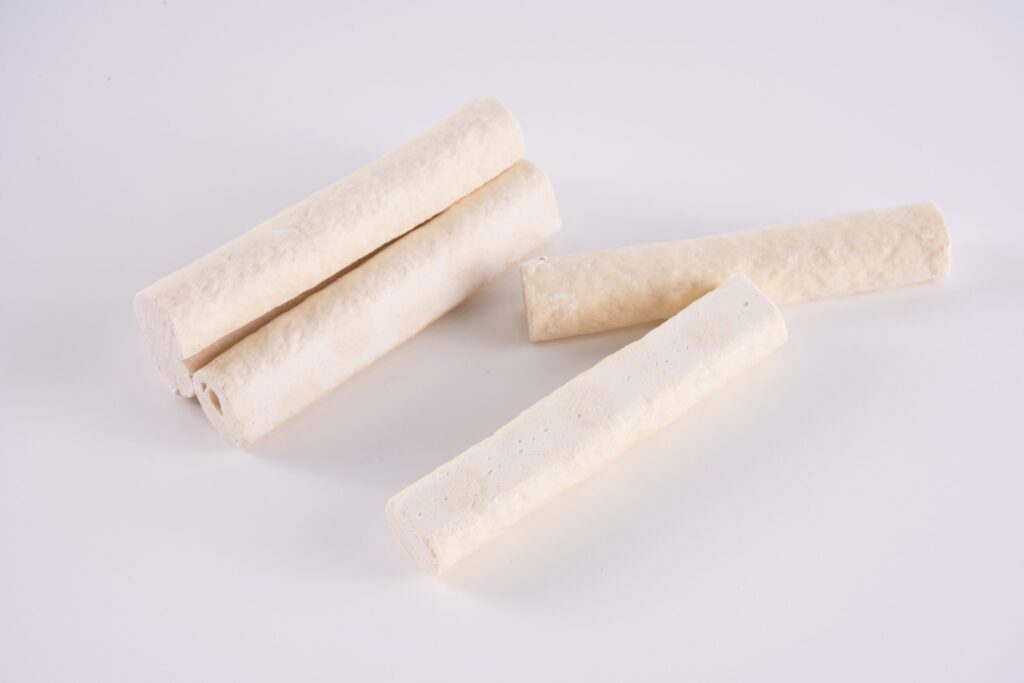
Beef offers a strong meat-oriented positioning and can be developed into strips, cubes, sticks, or other formats depending on processing capability.
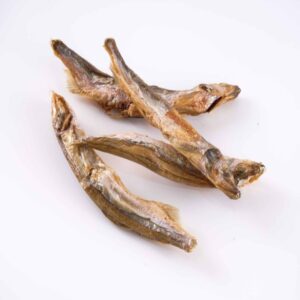
Air Dried Fish Treats
Fish-based treats can differentiate a product line while offering alternative animal-protein options.
Species selection, odor control, fat stability, and packaging should receive particular attention during product development.
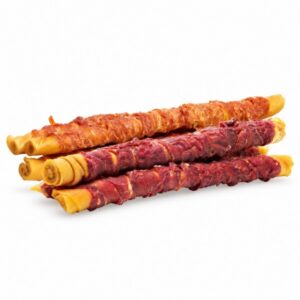
Meat-Wrapped Treats
Another commercially attractive format combines dried meat with another treat component.
Examples can include meat wrapped around suitable vegetable or chew components, creating a more visually distinctive product for retail shelves.
What Should B2B Buyers Look for in an Air Dried Dog Treat Manufacturer?
Finding an attractive product sample is only the beginning.
Importers and private-label brands should evaluate whether the supplier can repeatedly manufacture the same product at commercial scale.
Food Safety Management
Ask about the manufacturer’s food-safety system, certifications, traceability procedures, sanitation controls, allergen management, foreign-body controls, and microbiological testing.
Certifications can be valuable evidence of a structured management system, but buyers should still perform their own supplier qualification.
Raw Material Traceability
A reliable supplier should be able to trace relevant ingredients through its supply chain and production records.
For animal proteins in particular, buyers may need documentation supporting origin and compliance with destination-market requirements.
Moisture and Water Activity Control
This is one of the most important technical considerations for dried treats.
Buyers often focus only on moisture percentage, but water activity (aw) is also an important parameter in evaluating product stability and microbial risk.
Moisture content and water activity are related, but they are not the same measurement.
Professional product development should establish suitable specifications for the individual formulation instead of assuming one target works for every air dried product.
Microbiological Control
Meat-based treats require robust food-safety management.
Depending on the product, destination market, and specification, testing programs may address relevant microorganisms such as Salmonella and other indicators or pathogens.
Importers should confirm both regulatory requirements and their own internal specifications before placing commercial orders.
Batch Consistency
A sample may look excellent while commercial batches vary significantly.
Evaluate consistency in:
- Size
- Thickness
- Color
- Texture
- Odor
- Weight
- Moisture characteristics
- Packaging
Consistency becomes particularly important when supplying supermarkets, chain pet stores, and large e-commerce channels.
Private Label Opportunities for Air Dried Dog Treats
For pet brands, the category offers more possibilities than simply putting a logo on an existing chicken jerky product.
A capable private label dog treat manufacturer can help buyers differentiate products through protein selection, shape, size, recipe, packaging, and positioning.
For example, a brand could build an air dried range around:
Chicken Breast Strips → Duck Jerky → Beef Cubes → Fish Treats → Meat-Wrapped Chews
This creates a coherent product family while providing consumers with different proteins and treat experiences.
Private-label buyers can also explore different pack sizes and retail positioning for pet stores, supermarkets, subscription boxes, distributors, and online marketplaces.
Questions to Ask Before Ordering
Before selecting an air dried dog treat supplier, buyers should clarify several points:
- What raw materials are used?
- Where are the key animal proteins sourced?
- What food-safety certifications does the facility hold?
- How is the drying process controlled?
- What are the finished-product moisture and water activity specifications?
- What microbiological testing is performed?
- What shelf-life validation is available?
- Can the recipe, shape, size, and packaging be customized?
- What is the MOQ for private-label production?
- What documentation is available for the destination market?
These questions provide much more useful information than comparing suppliers purely on price per kilogram.
Common Mistakes When Sourcing Air Dried Dog Treats
One common mistake is selecting the lowest quotation without considering ingredient specifications, testing, process controls, packaging, and batch consistency.
Another is approving a sample without establishing a detailed commercial specification.
The approved specification should define measurable characteristics wherever practical so both buyer and manufacturer understand what constitutes an acceptable production batch.
Buyers should also confirm import requirements before finalizing formulations. Regulations covering ingredients, animal-origin products, labeling, additives, claims, and documentation vary between markets.
Why Work With an Experienced Dog Treat Manufacturer?
Launching natural dog treats requires more than sourcing meat and drying it.
Commercial production requires coordination between formulation, raw-material procurement, manufacturing, food safety, quality control, packaging, documentation, and export requirements.
For brands expanding into multiple markets, working with an experienced OEM or private-label partner can significantly simplify this process.
At Matchwell, we support B2B customers developing private-label pet treat programs across multiple categories, including jerky treats, freeze-dried treats, chews, and other meat-based dog treats.
Our OEM/ODM services can support product development from initial concept and sample evaluation through packaging and commercial production.
FAQ About Natural Air Dried Dog Treats
What are air dried dog treats?
Air dried dog treats are products in which moisture is gradually removed from meat or other ingredients under controlled drying conditions. The process can produce shelf-stable or extended-shelf-life treats with a concentrated flavor and chewy-to-firm texture, depending on the formulation and validated process.
Are air dried dog treats the same as freeze dried treats?
No. Air drying uses controlled airflow and heat, while freeze drying first freezes the product and then removes moisture through sublimation under vacuum. The resulting texture and product characteristics are substantially different.
Can air dried dog treats be single ingredient?
Yes. Certain products can be developed around one ingredient, such as chicken, duck, beef, or fish. Whether additional ingredients are required depends on the desired product characteristics and manufacturing process.
Can air dried dog treats be private labeled?
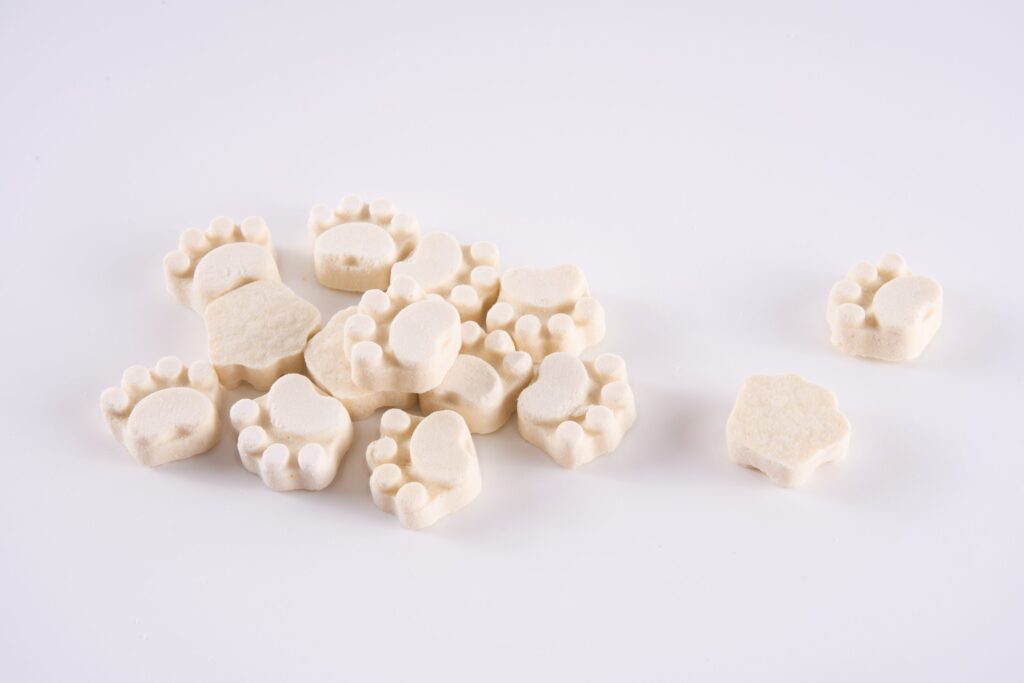
Yes. Private-label programs can potentially customize protein type, shape, dimensions, formulation, package size, and packaging design, subject to the manufacturer’s capabilities and minimum order requirements.
How should importers evaluate an air dried dog treat supplier?
Evaluate the supplier’s food-safety certifications, manufacturing controls, traceability, testing program, product specifications, export experience, batch consistency, and ability to meet the regulations of your destination market.
Final Thoughts
Natural air dried dog treats combine several characteristics that modern pet brands value: recognizable ingredients, meat-focused formulations, appealing texture, convenient storage, and strong premium positioning.
For B2B buyers, however, successful sourcing depends on much more than finding a good-looking jerky sample.
The most important factors are controlled manufacturing, reliable raw materials, food-safety management, moisture and water activity specifications, microbiological controls, batch consistency, and appropriate packaging.
If you are developing an air dried dog treat range for your brand, Matchwell can support OEM and private-label dog treat manufacturing, from product selection and sampling to packaging and bulk production.