
Private Label Cat Puree Treats: A Manufacturing Guide for Pet Brands
Lickable cat treats have created a distinctive product category in the pet snack market.
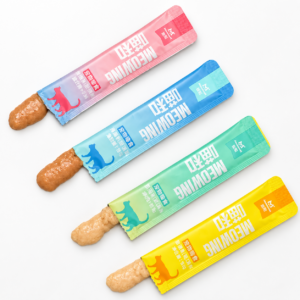
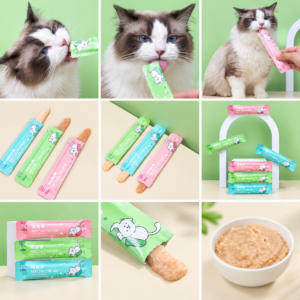
Unlike conventional dry biscuits or crunchy treats, creamy cat puree snacks can be served directly from individual tubes, added to meals, or used as an interactive reward.
For pet brands, importers, retailers, and distributors, private label cat puree treats offer an opportunity to develop recognizable products in a convenient single-serve format.
However, developing a successful cat puree product involves more than selecting a chicken or tuna flavor.
The formula, texture, processing method, packaging materials, filling accuracy, and market requirements must all work together.
This guide explains what buyers should consider when sourcing cat puree treats from an OEM manufacturer.
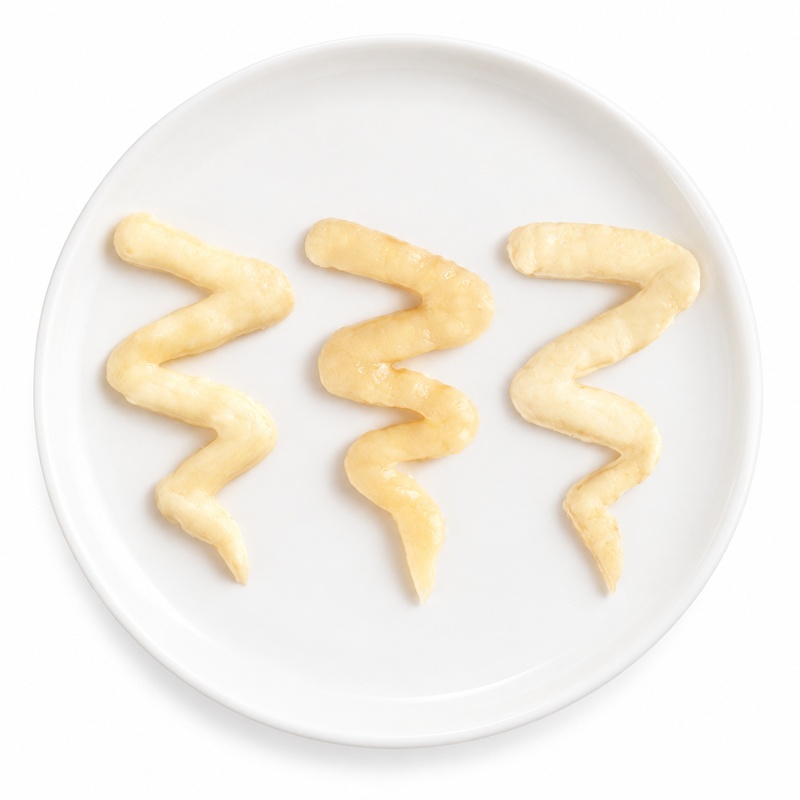
What Are Private Label Cat Puree Treats?
Private label cat puree treats are creamy or semi-liquid cat snacks manufactured by a specialist supplier and sold under a customer’s brand.
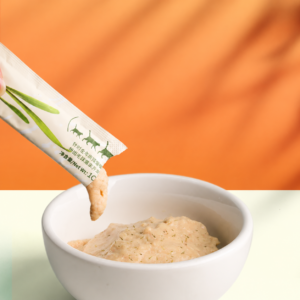
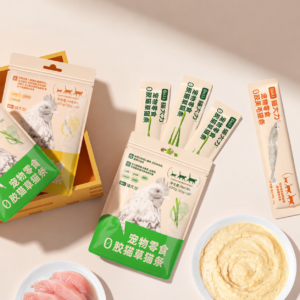
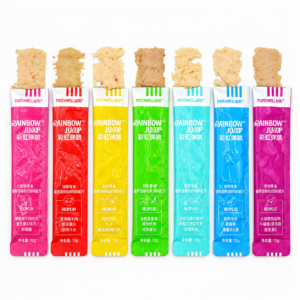
They are commonly packed in individual tubes or sachets that allow pet owners to dispense small amounts directly.
Depending on the formulation and intended use, these products may be positioned as:
- Lickable cat snacks
- Creamy cat treats
- Interactive feeding rewards
- Cat food toppers
- Complementary cat treats
Unlike complete and balanced cat food, complementary treats are generally intended to be fed alongside an appropriate daily diet.
The product’s nutritional classification and feeding directions must be determined according to its actual formulation and destination-market requirements.
Why Consider Cat Puree Treats for Your Pet Brand?
Convenient Single-Serve Packaging
Individual cat puree tubes make feeding convenient.
Pet owners can open a tube, offer a small amount, and dispose of the empty package after use.
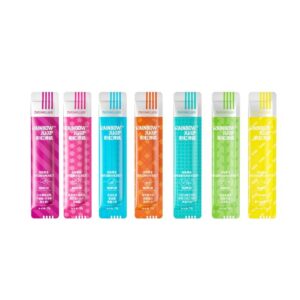
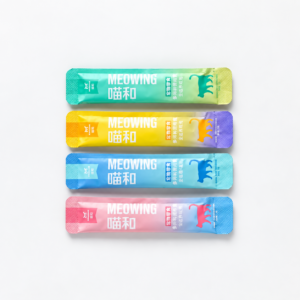
For brands, a multipack of individual tubes also creates opportunities for flavor variety and convenient retail presentation.
Interactive Feeding Experience
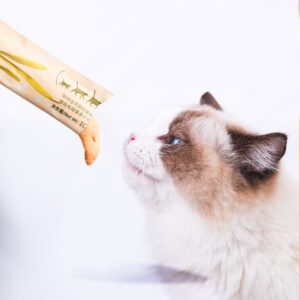
Many cat owners enjoy feeding lickable treats by hand.
This feeding occasion differentiates puree snacks from dry treats placed in a bowl.
Marketing can focus on the interaction between the owner and cat, while avoiding unsupported behavioral or health claims.
Flexible Product Positioning
Cat puree snacks can be offered in a variety of protein combinations, textures, and package formats.
Brands may choose familiar flavors for broad retail appeal or more specialized combinations for a differentiated assortment.
Cross-Selling Opportunities
Cat puree treats can complement other cat product categories.
For example, a retailer selling dry cat food, wet cat food, or freeze-dried snacks may also offer creamy treats as an additional purchase option.
Popular Flavors for Private Label Cat Puree Treats
Flavor selection is an important part of product development.
Different proteins offer different aroma characteristics, cost structures, and ingredient-positioning opportunities.
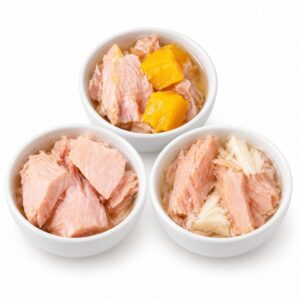
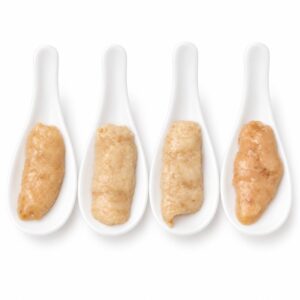
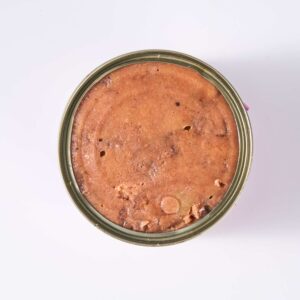
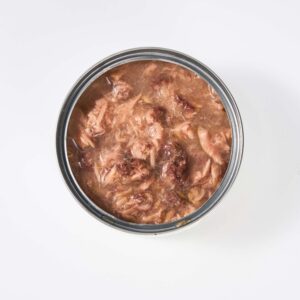
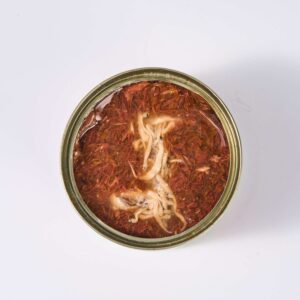
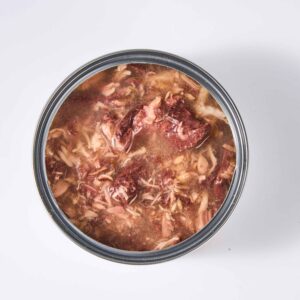
Matchwell offers cat puree product options including chicken, tuna, salmon, and selected mixed-protein recipes.
Chicken Cat Puree Treats
Chicken is a familiar ingredient for many cat treat consumers.
Chicken-based puree products can be suitable for brands seeking a straightforward and recognizable flavor direction.
Possible product positioning includes everyday rewards and creamy cat snack multipacks.
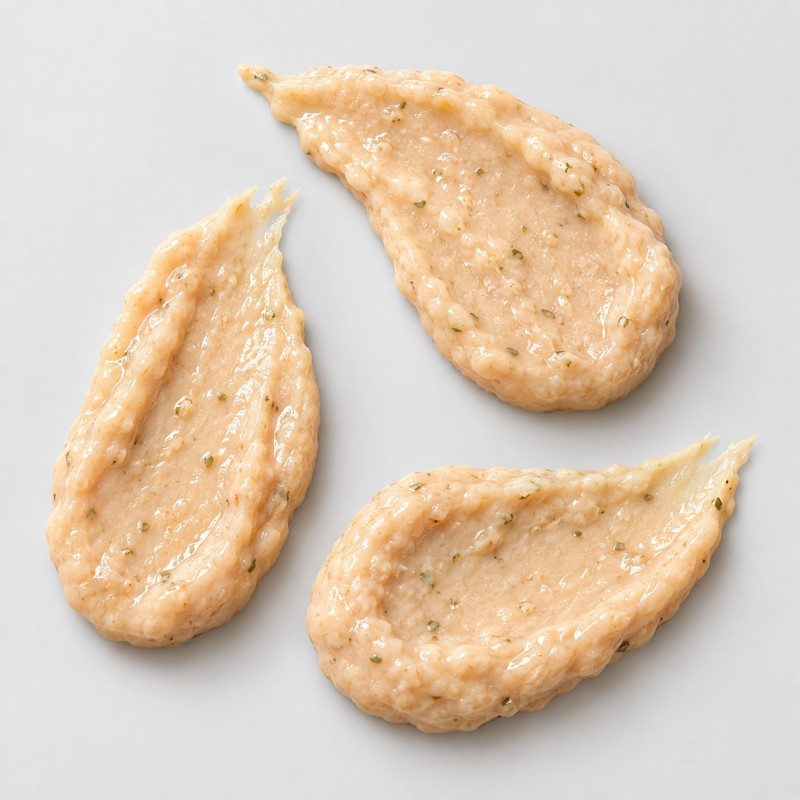
Tuna Cat Puree Treats
Tuna-based cat puree treats offer a seafood flavor profile.
They can be considered for brands developing a fish-focused range or expanding beyond poultry-based snacks.
Product development should evaluate ingredient sourcing, nutritional composition, contaminant specifications, and consistency of the finished puree.
Chicken and Salmon Cat Puree Treats
Combining chicken and salmon offers an alternative to single-protein products.
Such formulations may be suitable for premium-style product ranges, depending on their actual ingredient content and specifications.
Mixed Seafood Cat Puree Treats
Other possible flavor combinations include tuna and shrimp or chicken and scallop.
These options can help a brand develop a more varied product assortment.
However, brands should not choose flavor names based solely on marketing appeal.
The product formulation, ingredient declaration, supply stability, and applicable labeling requirements must support the final product description.
Explore Matchwell’s cat puree treats collection for available product options.
Why 15g Cat Puree Tubes Are Worth Considering
Single-serve tubes are a familiar format in the lickable cat treat category.
Matchwell offers selected 15g cat puree products, including chicken, tuna, and mixed-flavor options.
For brands evaluating 15g tubes, several practical details matter.
Portion Size
A 15g tube offers a clearly defined serving unit.
However, the appropriate feeding guidance depends on the product’s nutritional composition, calorie content, and intended use.
Retail Multipacks
Brands may consider retail packs containing multiple tubes.
The final number of tubes per carton, flavor mix, and packaging format should be discussed with the manufacturer.
For example, an assortment might include chicken, tuna, and salmon-based products, depending on confirmed formulation availability.
Packaging Convenience
Tube packaging should be easy for consumers to open and dispense.
During development, buyers should evaluate opening performance, residue, leakage, and user handling.
Logistics
The shipping configuration affects freight costs and warehouse handling.
Brands should confirm the net weight, gross weight, case dimensions, and pallet configuration before finalizing their landed-cost calculation.
Six Manufacturing Factors That Affect Cat Puree Product Quality
1. Raw Material Quality
Ingredient consistency is essential in wet pet treat manufacturing.
Protein ingredients should be sourced and inspected according to defined specifications.
Depending on the recipe, relevant quality parameters may include microbiological status, species identity, ingredient composition, and chemical contaminants.
For brands entering export markets, traceability and appropriate supplier documentation are particularly important.
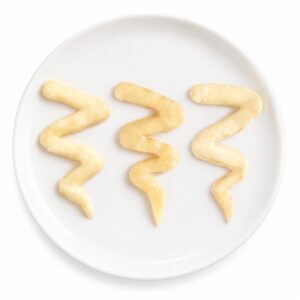
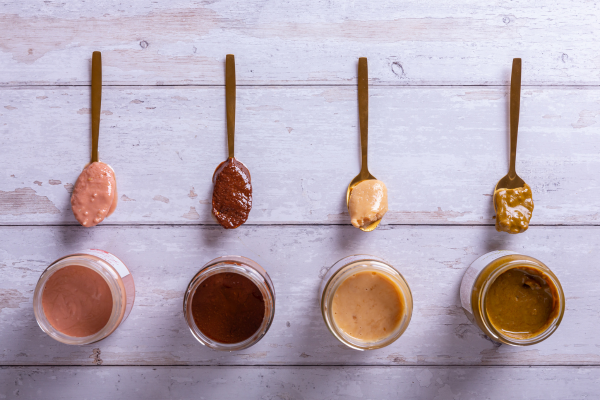
2. Puree Texture and Viscosity
Texture is one of the defining characteristics of a lickable cat treat.
A puree that is too thick may be difficult to dispense.
A product that is too thin may not provide the intended feeding experience.
During product development, manufacturers should evaluate:
- Smoothness
- Viscosity
- Product separation
- Dispensing behavior
- Stability during storage
The desired texture should be defined through physical samples rather than general terms such as “creamy” or “smooth” alone.
3. Formula Consistency
A commercial product must be reproducible.
Brands should confirm the agreed formulation and acceptable manufacturing tolerances before production.
Parameters may include protein content, fat content, moisture, and other relevant quality specifications.
4. Thermal Processing and Food Safety
High-moisture cat puree products require an appropriate food-safety process.
The processing method must be validated for the product formulation, packaging system, and intended storage conditions.
Buyers should ask manufacturers about applicable process validation, microbiological controls, and batch-release requirements.
Shelf stability should never be assumed simply because the product is packaged in a sealed tube.
5. Packaging Integrity
Poor sealing can compromise product safety and shelf life.
Quality assurance should address seal integrity, filling accuracy, packaging compatibility, and the potential for damage during transportation.
6. Shelf-Life Validation
Shelf-life claims should be supported by suitable testing.
Validation may involve microbiological assessments, packaging integrity, physical stability, and other relevant parameters throughout the claimed storage period.
A shelf-life period should only be finalized after the formulation and packaging system have been properly evaluated.
OEM vs. Private Label: Which Model Fits Your Brand?
There are different approaches to sourcing cat puree treats.
| Sourcing Model | Description | Suitable Buyer |
|---|---|---|
| Existing product with private label packaging | Select an available formulation and apply approved brand packaging | Brands seeking a simpler product launch |
| OEM manufacturing | Manufacture products to agreed specifications | Brands with defined product requirements |
| ODM product development | Develop or adapt a product with manufacturer support | Brands seeking greater differentiation |
The right model depends on the scope of customization, production volume, technical requirements, and development budget.
A brand launching its first cat puree product may prefer an established formulation.
A larger brand may need a more detailed product specification covering texture, ingredients, packaging, and commercial positioning.
What Is the MOQ for Private Label Cat Puree Treats?
Minimum order quantity is a common concern for importers and new pet brands.
The required MOQ can depend on:
- The selected formula
- Tube size
- Packaging material
- Printed packaging requirements
- Number of flavors
- Manufacturing line requirements
- Production and packaging configuration
Matchwell’s broader pet treat manufacturing services advertise an MOQ starting at 500 kg for suitable projects.
However, the exact minimum for private label cat puree tubes should be confirmed individually, especially when customized printed packaging or several flavor variants are requested.
A clear quotation should explain whether the MOQ applies to one flavor, one packaging design, or the total order.
What Documents Should Buyers Request From a Manufacturer?
Before placing a commercial order, request documents relevant to the product and destination market.
These may include:
- Product specification sheet
- Ingredient declaration
- Guaranteed or analytical nutritional composition
- Microbiological specifications
- Shelf-life information
- Packaging specifications
- Relevant food-safety certification documentation
- Batch traceability information
- Applicable export documents
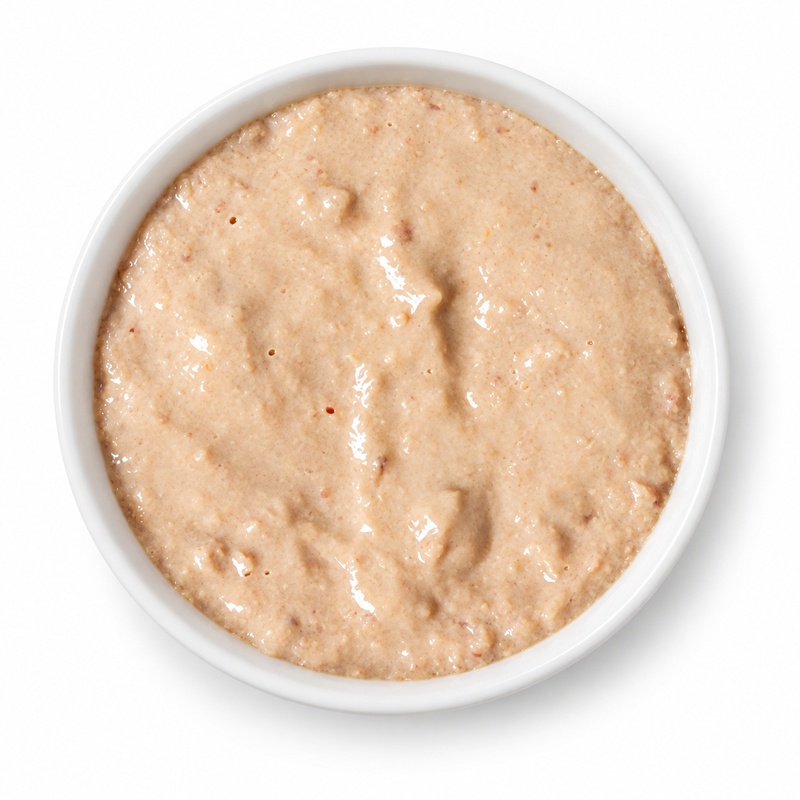
For U.S., EU, UK, Australian, and other markets, brands should confirm the applicable import, ingredient, product registration, and labeling requirements.
Requirements may differ depending on product classification and country.
In particular, any claims relating to hydration, digestion, hairball control, or other functional benefits should be reviewed for both scientific support and regulatory acceptability.
How to Start a Cat Puree OEM Project With Matchwell
Matchwell provides OEM/ODM and private label manufacturing support for pet treats and food products.
For brands developing lickable cat treats, the process can begin with a product brief.
Step 1: Define Your Target Market
Tell the manufacturer where the products will be sold.
The target market affects labeling, packaging language, documentation, and regulatory planning.
Step 2: Select Your Product Direction
Identify your preferred flavor and tube format.
For example:
- Chicken puree, 15g
- Tuna puree, 15g
- Chicken and salmon puree, 15g
Final availability and formulation requirements should be confirmed with the team.
Step 3: Discuss Packaging and Branding
Provide your preferred brand presentation, package configuration, and required language.
If packaging artwork is already available, the manufacturer can review it for production feasibility.
Step 4: Request Product Samples
Samples help evaluate flavor direction, texture, appearance, dispensing performance, and packaging.
Any final production specifications should be agreed upon before approving the commercial order.
Step 5: Confirm Quality and Commercial Terms
Before production, confirm the product specification, MOQ, pricing basis, quality requirements, lead time, and shipping arrangements.
Matchwell’s broader OEM manufacturing capabilities include pet treat product development, private labeling, and quality-control support.
Visit our cat treat manufacturing page to explore available product categories and OEM/ODM services.
Frequently Asked Questions
Can I create my own brand of lickable cat treats?
Yes. Private label manufacturing allows a pet brand to sell products under its own approved branding. Available customization depends on the manufacturer and project requirements.
What flavors are available for private label cat puree treats?
Matchwell’s product range includes chicken, tuna, salmon combinations, and selected mixed-protein recipes. Contact the team for current availability and specifications.
Are 15g cat puree tubes available?
Matchwell lists selected 15g cat puree treat products. Buyers should confirm current tube specifications, pack configurations, and production requirements.
Can I customize the packaging?
Packaging and branding options can be discussed as part of an OEM or private label project. Final feasibility depends on the packaging system, order quantity, and design requirements.
How long does private label cat puree production take?
Production and development schedules depend on sampling, formulation approval, packaging procurement, order size, and factory scheduling. Request a project-specific timeline before placing an order.
Can Matchwell support international buyers?
Matchwell works with international pet brands, wholesalers, distributors, and importers. Buyers should provide their destination market so that relevant product and documentation requirements can be reviewed.
Conclusion: Build a Cat Puree Product That Is Ready for Your Market
Private label cat puree treats offer pet brands a convenient product format with multiple flavor and retail positioning possibilities.
Successful development requires careful attention to ingredients, texture, food safety, packaging integrity, and market-specific requirements.
By working with an experienced OEM manufacturer, brands can evaluate established products or discuss more specialized development requirements.
Looking for a private label cat puree treats manufacturer?
Contact Matchwell Pets to discuss your OEM or private label cat treat project.
Send us your target country, preferred flavors, tube size, estimated order quantity, and packaging requirements.
Our team can review your project and help you explore suitable product options, samples, specifications, and manufacturing arrangements.