
How to Develop Custom Dog Treat Formulas for Your Brand
The pet treat market is more competitive than ever. Modern pet owners are no longer satisfied with generic biscuits or basic snacks. They are actively looking for treats that align with their dogs’ health needs, dietary preferences, and lifestyles.
For retailers, distributors, and emerging pet brands, this presents a significant opportunity. Developing a custom dog treat formula allows your brand to stand out from competitors while offering unique value to customers.
Whether you’re launching your first private label product or expanding an existing product line, understanding how custom formulations are developed can help you create products that meet market demand and build long-term customer loyalty.
In this guide, we’ll walk through the entire process of developing custom dog treat formulas—from concept to commercialization.
Why Create a Custom Dog Treat Formula?
Many brands start by purchasing ready-made products. While this approach can be faster, it often limits differentiation.
Custom formulations offer several advantages:
Stronger Brand Identity
A unique recipe helps customers associate specific benefits and quality standards with your brand.
Examples include:
- Grain-free dog treats
- High-protein training treats
- Limited ingredient recipes
- Functional dental treats
- Skin and coat support treats
- Joint health treats
Better Profit Margins
Custom products are harder to compare directly with competitors, reducing price competition.

Increased Customer Loyalty
When dogs enjoy a specific recipe and owners see positive results, repeat purchases become more likely.
Market Differentiation
Custom formulas help retailers avoid competing against dozens of identical products sold online.
Step 1: Define Your Target Market
Before selecting ingredients, determine who the product is designed for.
Ask the following questions:
What type of dog?
- Puppies
- Adult dogs
- Senior dogs
- Small breeds
- Medium breeds
- Large breeds
What customer segment?
- Premium pet owners
- Budget-conscious buyers
- Natural pet food enthusiasts
- Veterinary-focused consumers
- Eco-conscious shoppers
Where will the product be sold?
- Amazon
- Pet specialty stores
- Veterinary clinics
- Supermarkets
- Online DTC stores
- Regional distributors
Understanding the target customer influences every formulation decision.
Step 2: Identify the Product Positioning
The most successful private label dog treats solve a specific problem.
Popular positioning strategies include:
Functional Treats
These provide health benefits beyond basic nutrition.
Examples:
- Joint support
- Digestive health
- Calming treats
- Dental care
- Weight management
Natural Treats
Consumers increasingly prefer:
- No artificial colors
- No artificial preservatives
- No artificial flavors
High-Protein Treats
Protein-rich treats remain one of the fastest-growing segments.
Common proteins include:
- Chicken
- Duck
- Beef
- Lamb
- Salmon
- Tuna
Limited Ingredient Treats
Ideal for dogs with food sensitivities.
These recipes typically contain:
- Single protein sources
- Minimal additives
- Simplified ingredient lists
Step 3: Select Core Ingredients
Ingredient selection forms the foundation of every successful dog treat formula.
Protein Sources
Protein is usually the primary ingredient.
Popular options include:
Animal Proteins
- Chicken
- Duck
- Turkey
- Beef
- Lamb
- Rabbit
- Salmon
- Whitefish
Novel Proteins
Growing demand has increased interest in:
- Venison
- Quail
- Kangaroo
- Insect protein
Novel proteins often appeal to dogs with allergies.
Carbohydrates
Carbohydrates provide structure and texture.
Common choices include:
- Sweet potato
- Peas
- Brown rice
- Oats
- Tapioca
- Potato starch
Functional Ingredients
Many brands now add ingredients that support specific health goals.
Examples include:
Joint Support
- Glucosamine
- Chondroitin
- Green-lipped mussel
Digestive Health
- Probiotics
- Prebiotics
- Pumpkin powder
Skin and Coat Health
- Fish oil
- Omega-3 fatty acids
- Flaxseed
Calming Support
- Chamomile
- L-Theanine
- Passionflower
Step 4: Determine Treat Format
The formulation process depends heavily on the final product format.
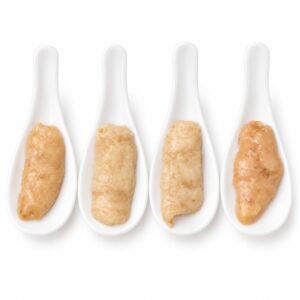
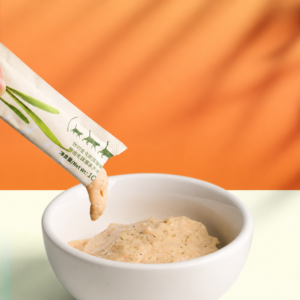
Soft Chews
Benefits:
- Highly palatable
- Easy to consume
- Suitable for functional ingredients
Popular for:
- Calming treats
- Joint supplements
- Daily wellness products
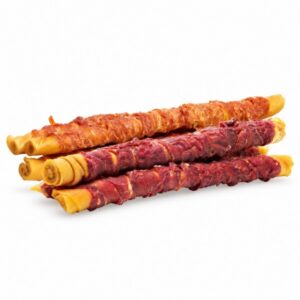
Jerky Treats
Benefits:
- High meat content
- Premium perception
- Strong consumer demand
Popular proteins:
- Chicken
- Duck
- Beef
- Fish
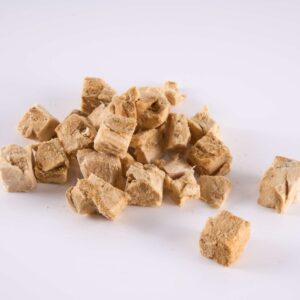
Freeze-Dried Treats
One of the fastest-growing categories globally.
Advantages:
- High protein
- Minimal processing
- Excellent palatability
Common applications:
- Training rewards
- Premium snacks
- Meal toppers
Biscuits and Baked Treats
Benefits:
- Cost-effective production
- Long shelf life
- Strong retail appeal
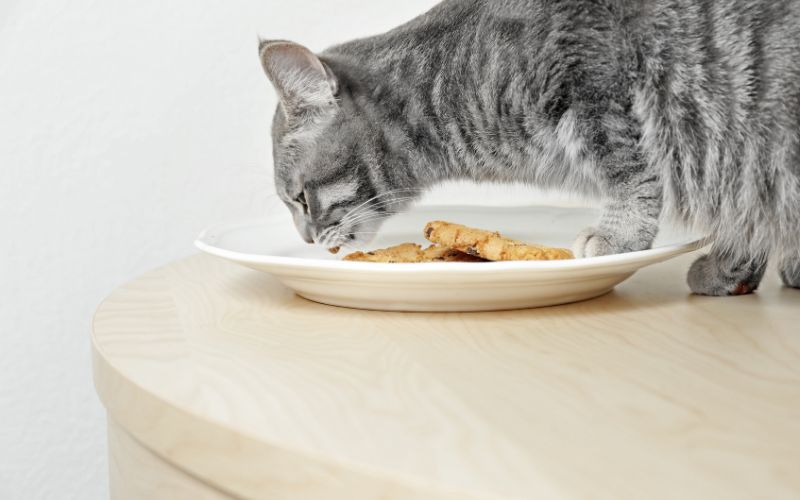
Step 5: Focus on Palatability
Even the healthiest treat will fail if dogs refuse to eat it.
Palatability is one of the most important factors in product success.
Professional manufacturers often improve acceptance using:
- Hydrolyzed proteins
- Natural meat flavors
- Animal fats
- Yeast extracts
- Liver coatings
Product testing should evaluate:
- First-choice preference
- Consumption rate
- Repeat acceptance
Dogs ultimately determine whether a product succeeds in the marketplace.
Step 6: Ensure Regulatory Compliance
Different markets have different requirements.
Before launching a custom dog treat, verify compliance with destination regulations.
Important considerations include:
United States
Requirements often involve:
- Ingredient declarations
- Guaranteed analysis
- Manufacturing standards
European Union
Additional requirements may include:
- Traceability systems
- Approved ingredient lists
- Labeling regulations
United Kingdom
Post-Brexit regulations may differ from EU standards.
Australia and New Zealand
Import permits and ingredient restrictions may apply.
An experienced manufacturer can help navigate these requirements.
Step 7: Develop Packaging That Supports Your Brand
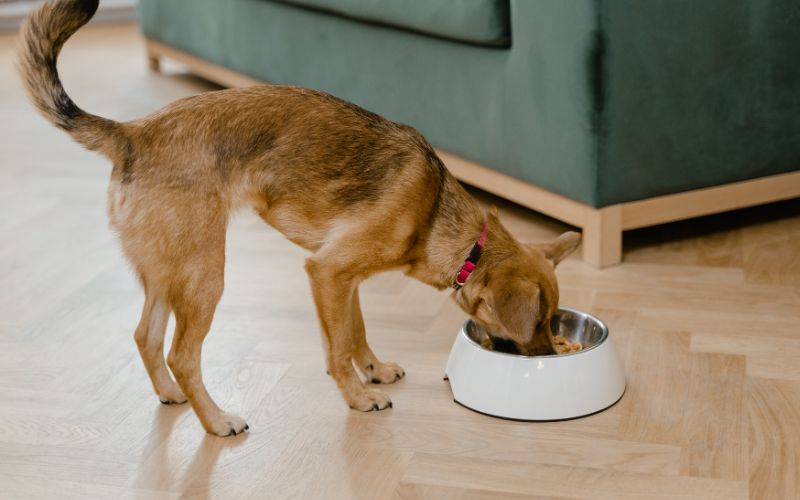
Packaging is often the first thing consumers notice.
Custom packaging options include:
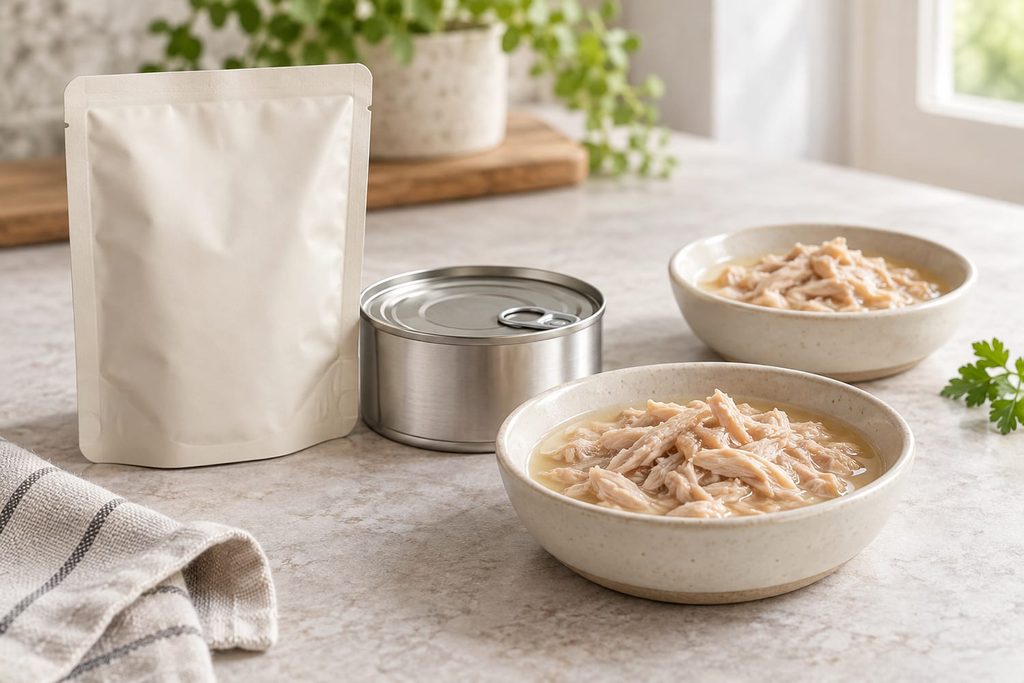
Stand-Up Pouches
Popular for:
- Soft treats
- Jerky treats
- Freeze-dried treats
Resealable Bags
Benefits:
- Convenience
- Freshness preservation
Retail Display Boxes
Ideal for:
- Supermarkets
- Pet stores
- Chain retailers
Include key selling points prominently:
- Grain-free
- High protein
- Single protein
- Natural ingredients
- Functional benefits
Step 8: Conduct Product Testing
Never launch a product without testing.
Key evaluations include:
Palatability Testing
Measures dog acceptance.
Stability Testing
Evaluates:
- Moisture levels
- Texture retention
- Shelf-life performance
Packaging Testing
Ensures protection during transportation and storage.
Market Feedback Testing
Gather input from:
- Retail partners
- Distributors
- Pet owners
Early feedback often identifies improvements before full-scale production.
Step 9: Scale Production with the Right Manufacturing Partner
Choosing the right manufacturing partner is critical.
Look for suppliers that offer:
Private Label Services
Including:
- Formula development
- Packaging design
- Label creation
Quality Certifications
Examples:
- BRC
- IFS
- ISO 22000
- HACCP
OEM and ODM Capabilities
This allows brands to:
- Create unique recipes
- Modify existing formulas
- Expand product portfolios
Export Experience
Especially important when selling internationally.
Common Mistakes to Avoid
Copying Competitors
Successful brands differentiate rather than imitate.
Ignoring Market Trends
Consumer preferences evolve quickly.
Current trends include:
- Human-grade ingredients
- Functional nutrition
- Freeze-dried products
- Limited ingredient recipes
Prioritizing Cost Over Quality
Low-cost formulas often struggle to build customer loyalty.
Launching Without Testing
Even well-designed products require real-world validation.
Future Trends in Custom Dog Treat Formulation
Several trends are shaping the next generation of wholesale dog treats:

Functional Wellness Treats
Products targeting:
- Mobility
- Digestion
- Immunity
- Cognitive health
Sustainable Ingredients
Including:
- Alternative proteins
- Upcycled ingredients
Personalized Nutrition
Customized formulas based on:
- Breed
- Age
- Lifestyle
- Health conditions
Clean Label Products
Consumers increasingly prefer recognizable ingredients and shorter ingredient lists.
Brands that embrace these trends are likely to gain a competitive advantage.
Conclusion
Developing a custom dog treat formula is one of the most effective ways to build a distinctive pet brand. By carefully defining your target market, selecting quality ingredients, focusing on palatability, and partnering with an experienced manufacturer, you can create products that stand out in today’s crowded pet treat market.
Whether you’re launching premium jerky, functional soft chews, or wholesale freeze-dried dog treats, the right formulation can transform your product from just another snack into a trusted brand that customers purchase repeatedly.
At Matchwell Pets, we help global distributors, retailers, and emerging brands develop custom private label dog treats tailored to their market needs. From formula development and ingredient sourcing to packaging and export support, our team provides complete OEM and ODM solutions for growing pet brands worldwide.