
How to Choose the Right Pet Treats for Your Target Market
One of the most common mistakes when launching a private label pet treat brand is choosing products based only on what looks attractive.
A successful product should match the buying habits of your target market.
For example, buyers in different countries may have very different preferences regarding protein sources, treat sizes, packaging styles, ingredient claims, and acceptable retail prices.
Before confirming a product, consider:
- Who is your target customer?
- Are you selling through pet stores, supermarkets, Amazon, or your own website?
- Is your positioning mass market, premium, natural, or functional?
- What package size fits your expected retail price?
- Which proteins are already popular in your market?
- Do your customers prefer simple ingredients or functional benefits?
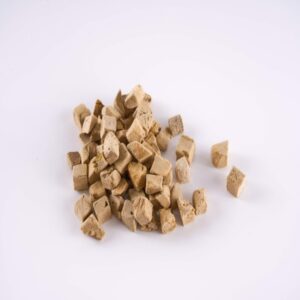
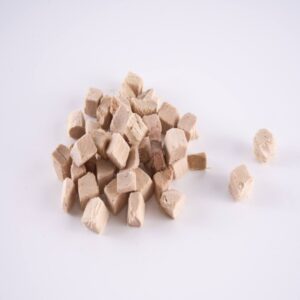
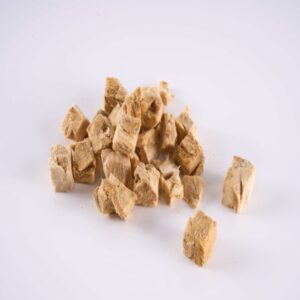
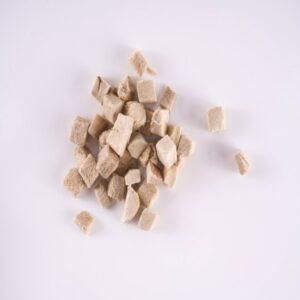
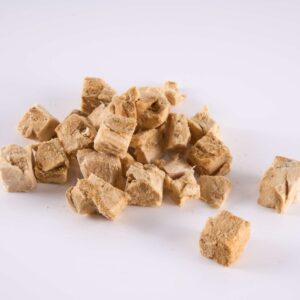
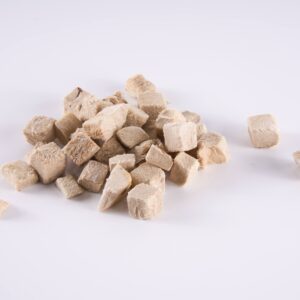
For a premium brand, freeze-dried meat treats or high-meat-content jerky may be a better fit.
For a broader retail market, smaller training treats, meat strips, or chew products may provide a more accessible price point.
If you are still comparing categories, you can explore Matchwell’s pet treat product range before deciding which products best fit your brand.
Ingredient Selection for Private Label Pet Treats
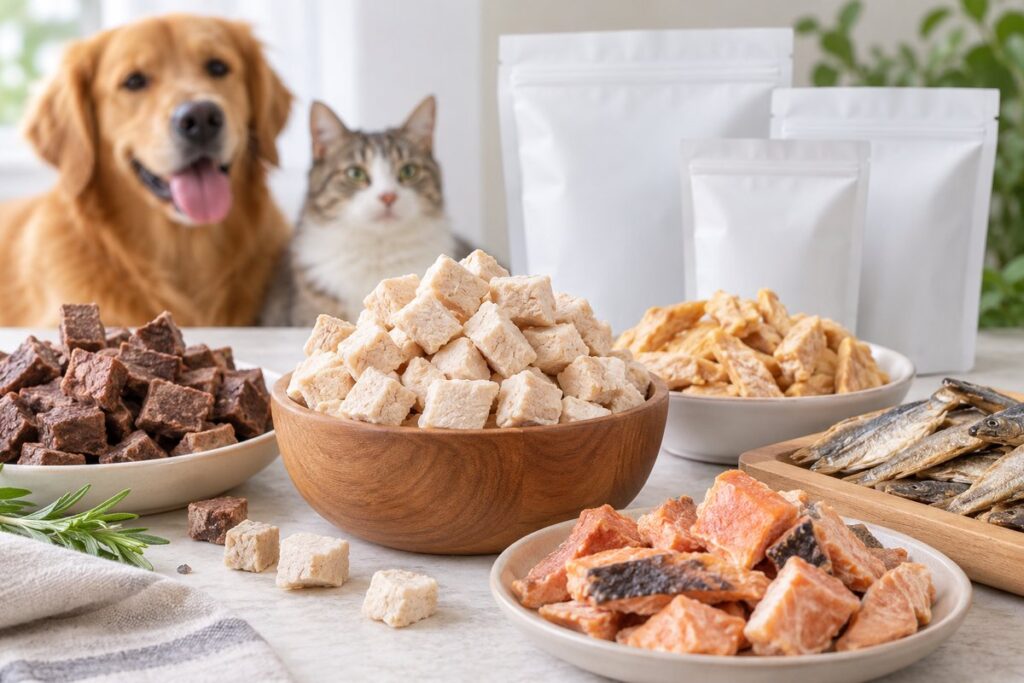
Ingredients are one of the strongest factors influencing how consumers perceive a pet treat.
Many buyers now look beyond flavor and consider ingredient transparency, protein source, processing method, and functional positioning.
Common animal proteins used in private label pet treats include:
chicken, duck, beef, rabbit, fish, turkey, and other meat sources.
Different proteins can support different brand concepts.
Chicken is widely recognized and can work well for mainstream product lines.
Duck is often used in premium or limited-ingredient concepts.
Fish-based treats may be positioned around their natural protein source and distinctive flavor.
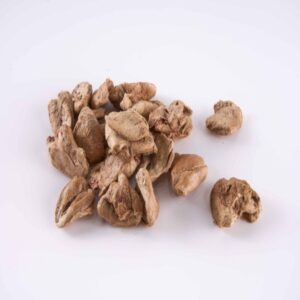
Freeze-dried liver and other organ meats can also appeal to buyers looking for simple, meat-focused products.
For customized OEM projects, ingredient selection should consider not only marketing value but also production stability, sourcing availability, cost, shelf life, and export requirements.
Private Label Dog Treats for Different Use Cases
A stronger product line does not simply offer different flavors.
Each SKU should ideally serve a clear purpose.
Everyday Reward Treats
These are products owners can give regularly.
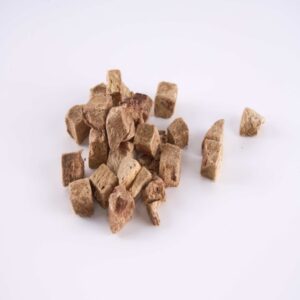
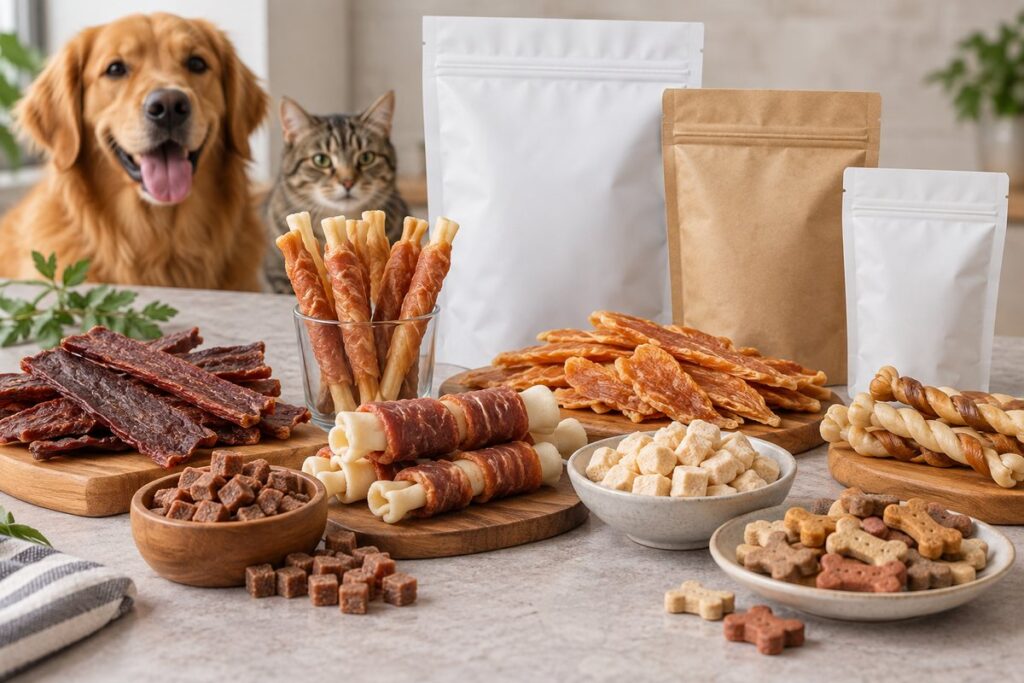
Small meat pieces, strips, cubes, and bite-size treats are common options.
The priority is usually palatability, convenient portioning, and reasonable retail pricing.
Training Treats
Training products are typically smaller and easier to feed repeatedly.
A useful training treat should be convenient to carry and easy for the dog to eat quickly during a training session.
Long-Lasting Chews
Chews serve a different consumption occasion.
Depending on the product format, they may be designed to keep dogs occupied for longer than conventional snack treats.
Buyers interested in this category can view Matchwell’s private label dog chews.
Premium Meat Treats
Premium products often focus on recognizable meat ingredients and straightforward product presentation.
Jerky and freeze-dried treats can fit well into this category.
These products may be especially suitable for specialty pet stores, premium online brands, and gift or subscription-box concepts.
Should You Start With One SKU or a Full Product Range?
For a new brand, launching too many products can increase inventory pressure.

Every additional SKU may require separate packaging, artwork, inventory management, product photography, marketing materials, and purchasing decisions.
A more controlled launch can begin with two to four products.
For example:
- One core chicken jerky
- One premium freeze-dried product
- One chew
- One training treat
This creates enough variety for your brand to look established without making the initial order unnecessarily complex.
Once you have real sales data, you can identify which product attracts the most repeat purchases and expand around it.
Established distributors, on the other hand, may prefer a wider private label range from the beginning because they already have existing sales channels.
What Makes a Good Private Label Pet Treat Supplier?
Price is important, but it should not be your only supplier-selection criterion.
A low quotation has little value if the supplier cannot maintain consistent product quality, communicate clearly, deliver on schedule, or support future product development.
A reliable private label pet treats manufacturer should be able to provide clear answers about:
Manufacturing Capability
Ask which products are manufactured regularly and which products require special development.
A factory with experience in your target product category is generally easier to work with than a supplier learning the process through your first order.
Quality Management
Understand how raw materials are checked and how finished products are controlled.
You should also discuss testing, traceability, inspection procedures, and product specifications before placing a commercial order.
Export Experience
If you are importing pet treats, experience with international B2B orders can make communication and documentation easier.
The supplier should understand that different markets may require different documentation, labels, packaging information, and product specifications.
Customization Capability
If you intend to differentiate your brand, determine how much customization the factory can provide.
Some suppliers only offer existing stock formulas.
Others support custom recipes, dimensions, shapes, packaging, and product development.
Communication
Good communication becomes especially important during sampling, artwork approval, production, inspection, and shipment.
A supplier that responds clearly during the quotation stage is often easier to work with after production begins.
Why Samples Matter Before Mass Production
Samples allow both the buyer and manufacturer to confirm expectations before a larger order is produced.
A sample can help you evaluate:
- Appearance
- Color
- Aroma
- Size
- Thickness
- Texture
- Product uniformity
- Packaging concept
- Overall market fit
For private label projects, it is useful to compare the sample against the final agreed specification rather than relying only on photos.
If you have an existing benchmark product, sending reference information can also help the manufacturer understand the product you are trying to develop.
This is particularly useful when you need to match a certain size, texture, format, or retail positioning.
How Packaging Affects Your Selling Price
Packaging is not only a design decision.
It directly influences your total product cost.
A simple transparent or stock pouch may have a different cost structure from a fully printed custom bag.
Likewise, small retail packs can require more packaging material and labor per kilogram than larger bulk packs.
When planning your selling price, calculate the complete landed cost rather than only the factory price of the treats.
Your cost model may include:
product cost, packaging, cartons, printing, inspection, freight, customs, local warehousing, marketplace fees, distributor margin, and advertising.
This is especially important for Amazon sellers and direct-to-consumer brands because fulfillment and advertising can represent a significant part of the final retail economics.
Custom Packaging Options for Pet Treat Brands
Packaging is one of the easiest ways to make a private label product feel like your own brand.
Common options include:
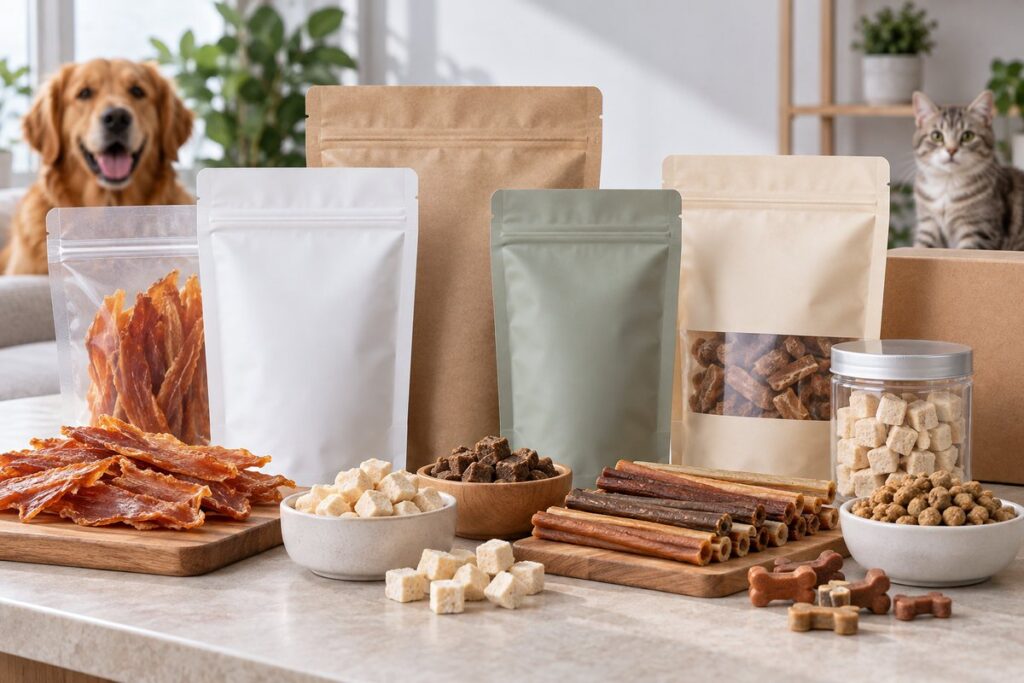
- Stand-up zipper pouches
- Flat pouches
- Transparent-window bags
- Kraft-style packaging
- Full-color printed bags
- Jars
- Display boxes
- Multipacks
The best format depends on the product.
Jerky products may work well in resealable pouches.
Freeze-dried treats usually benefit from packaging that helps protect the product from moisture.
Long chews may require taller or differently shaped bags.
When requesting a packaging quotation, provide the approximate package dimensions and target net weight whenever possible.
Private Label Pet Treats for Importers and Distributors
Importers and distributors often have different priorities from small startup brands.

They may need:
- A broader product range
- Stable production capacity
- Consistent specifications
- Export documentation
- Multiple packaging options
- Competitive wholesale pricing
- Reliable lead times
- Long-term supply capability
For these buyers, working with one manufacturer across several pet treat categories can simplify purchasing.
Instead of sourcing jerky from one supplier, chews from another, and freeze-dried treats from a third, a broader manufacturing partner can help reduce supplier-management complexity.
This can also make it easier to build coordinated private label ranges for retail chains.
Private Label Pet Treats for E-Commerce Brands
E-commerce brands should think differently about product selection.
Online customers make decisions based heavily on:
product images, ingredients, reviews, perceived value, packaging, product differentiation, and brand trust.
For an online launch, a product should be visually easy to understand.
A simple chicken jerky strip or freeze-dried meat cube can often communicate more clearly in product photography than a product whose ingredients are difficult to identify visually.
Packaging should also be designed with shipping in mind.
Products may pass through several logistics stages before reaching the customer, so the bag and carton should protect the treats during fulfillment.
What Information Should Be Included in Your OEM Inquiry?
If you want a fast and useful response from a manufacturer, avoid sending only:
“Please send price.”
Instead, provide a short but specific purchasing brief.
For example:
Product: Chicken jerky dog treats
Target Market: United States
Packaging: 100 g printed zipper pouch
Quantity: 500–1,000 kg
Brand: Private label
Requirements: High meat content, custom packaging
Purchase Plan: Within 1–3 months
This gives the manufacturer enough information to recommend a suitable product and provide a more meaningful quotation.
If you are interested in several categories, list them in the same inquiry.
Common Mistakes to Avoid When Starting a Private Label Pet Treat Brand
Choosing Products Only by Price
The cheapest product does not always provide the best commercial result.
A slightly higher-cost product may offer better appearance, consistency, packaging, or market positioning.
Ordering Too Many SKUs
A large initial assortment can create unnecessary inventory pressure.
Start with products that have clear roles in your range.
Ignoring Packaging Costs
Printed packaging often has its own MOQ and setup requirements.
Confirm these details early.
Not Confirming Specifications
Product dimensions, weight, moisture, texture, and packaging requirements should be clearly agreed before mass production.
Waiting Too Long to Discuss Compliance
If you are importing pet food products, discuss target-market requirements early in the development process.
This can help avoid unnecessary changes later.
Focusing Only on the Product
A successful pet treat brand also needs strong positioning, packaging, photography, distribution, pricing, and marketing.
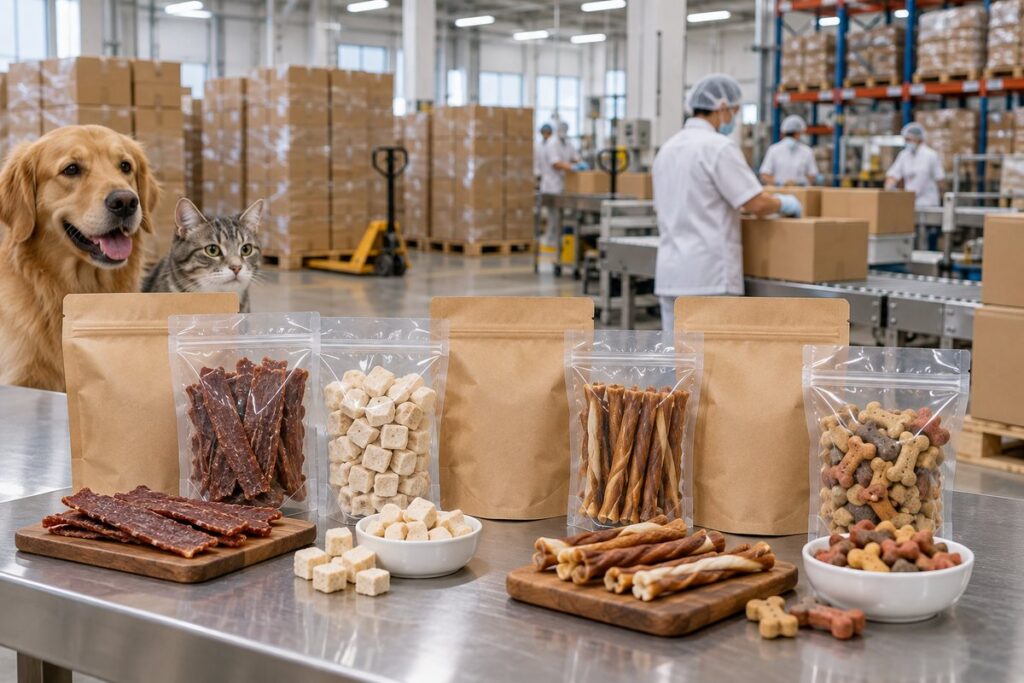
Manufacturing is only one part of the business.
How Long Does a Private Label Pet Treat Project Take?
The timeline depends on the level of customization.
A straightforward private label product using an established formula can normally move faster than a completely new OEM formula.
The development process may include:
product selection, sample preparation, sample approval, packaging design, packaging production, commercial production, inspection, and shipping.
If your launch has a fixed deadline, tell your supplier at the beginning of the project.
This allows the factory to evaluate whether the expected schedule is realistic.
How to Compare Quotations From Different Manufacturers
Do not compare only the price per kilogram.
Make sure the quotations are based on similar specifications.
Check whether the price includes:
- Product only
- Retail packaging
- Printed bags
- Cartons
- Labels
- Testing
- Pallets
- Export documentation
- Other customization
A cheaper quotation may simply exclude items included in another supplier’s price.
You should also compare MOQ, production lead time, payment terms, available certifications, sampling process, packaging support, and manufacturing experience.
Building a Long-Term Private Label Pet Treat Business
The best private label relationship should become easier over time.
Once specifications, packaging, production standards, and purchasing procedures are established, repeat orders can become more efficient.
Your manufacturer may also be able to support future extensions of your range.
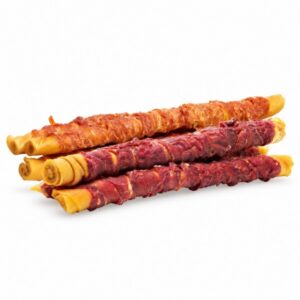
For example, a successful chicken jerky product could later be expanded into duck jerky, training cubes, meat-wrapped chews, or freeze-dried products.
This allows you to build a consistent product portfolio without restarting the supplier-development process for every new SKU.
Start Your Private Label Pet Treat Project
A private label pet treat line can help pet brands, retailers, distributors, and online sellers enter the market without investing in their own manufacturing facility.
The key is choosing products that fit your target market and working with a manufacturer that can support consistent production, quality control, customization, packaging, and long-term supply.
Matchwell provides B2B OEM and ODM manufacturing for multiple pet treat categories, including jerky treats, freeze-dried treats, dog chews, cat treats, and other customized pet snack products.
Explore the pet treat range or learn more about Matchwell.
If you already know what you are looking for, send your product type, expected quantity, target market, and packaging requirements through the Contact Us page to discuss your private label project.