
How Dog Treat Factories Produce Bulk Orders Efficiently
Launching a successful pet treat brand is no longer just about creating delicious recipes. Today’s retailers, distributors, Amazon sellers, and private label brands need manufacturing partners capable of delivering large-volume orders quickly without compromising quality.
Whether you’re introducing a new freeze-dried dog treat, expanding your product line, or preparing for peak holiday sales, production efficiency directly impacts inventory availability, delivery schedules, and customer satisfaction.
But what actually happens inside a modern dog treat factory?
How can manufacturers produce tens or even hundreds of thousands of bags while maintaining consistent quality, food safety, and competitive pricing?
In this guide, we’ll walk you through the complete manufacturing process and explain the systems leading OEM manufacturers use to efficiently produce bulk dog treat orders for global brands.
Quick Answer
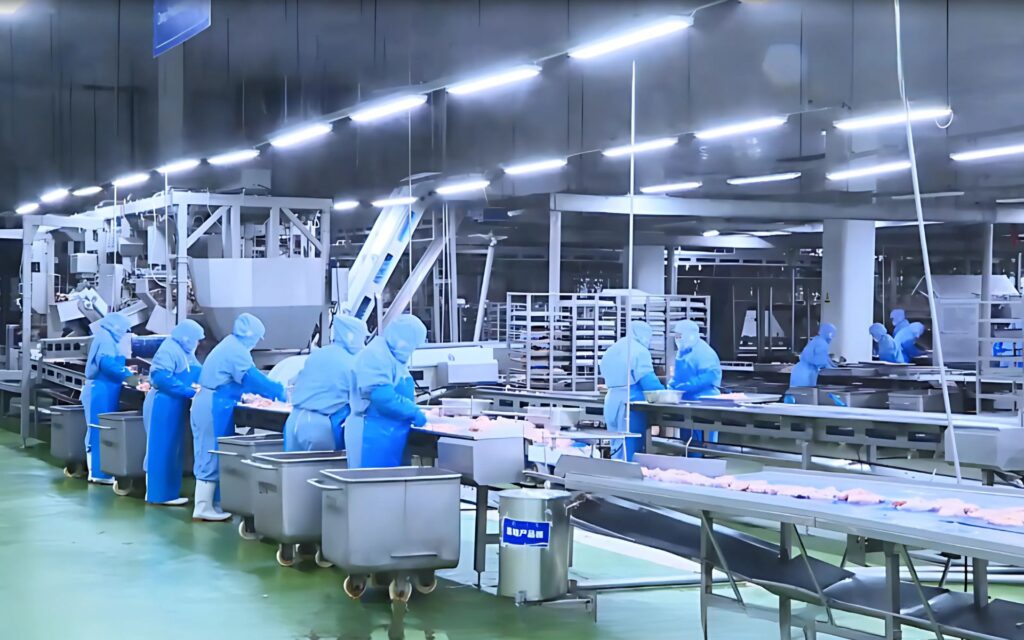
A professional dog treat factory improves bulk production efficiency through:
- Automated ingredient batching
- Continuous production lines
- Advanced drying technology
- Multiple packaging systems
- Real-time quality inspections
- Certified food safety management
- Optimized production scheduling
- Stable raw material supply chains
These systems reduce production costs, shorten lead times, and ensure every batch meets the same quality standards.
Why Efficient Bulk Manufacturing Matters
Many buyers focus only on unit price when selecting a manufacturer. However, production efficiency often has a much greater impact on the total cost of doing business.
An inefficient factory can lead to:
- Delayed shipments
- Inconsistent product quality
- Packaging shortages
- Missed seasonal sales
- Increased inventory costs
- Customer complaints
For private label brands, these issues can quickly damage reputation and reduce profitability.
Efficient manufacturing, on the other hand, helps brands maintain reliable inventory levels while responding faster to market demand.
The Growing Demand for Large-Scale Private Label Production
The global pet industry continues to grow as pet owners increasingly seek premium nutrition, functional treats, and natural ingredients. Retailers are expanding their private label offerings to meet these changing consumer preferences.
This shift has created higher expectations for manufacturers. Today’s OEM partners must be able to:
- Handle larger production volumes
- Support multiple SKUs simultaneously
- Offer flexible packaging options
- Maintain strict food safety standards
- Deliver consistent products across every shipment
Factories that invest in automation, digital production management, and quality systems are better equipped to meet these expectations.
What Makes a Dog Treat Factory Efficient?
Efficient manufacturing is not simply about producing more products in less time. It involves optimizing every stage of the production process while maintaining quality and safety.
Key characteristics include:
1. Stable Raw Material Supply
Reliable suppliers ensure continuous access to high-quality meat, vegetables, functional ingredients, vitamins, and packaging materials. Long-term supplier partnerships reduce the risk of production interruptions.
2. Automated Ingredient Preparation
Modern factories use computerized weighing and batching systems to improve recipe accuracy while minimizing human error.
Benefits include:
- Consistent nutrition
- Uniform taste
- Reduced waste
- Faster production
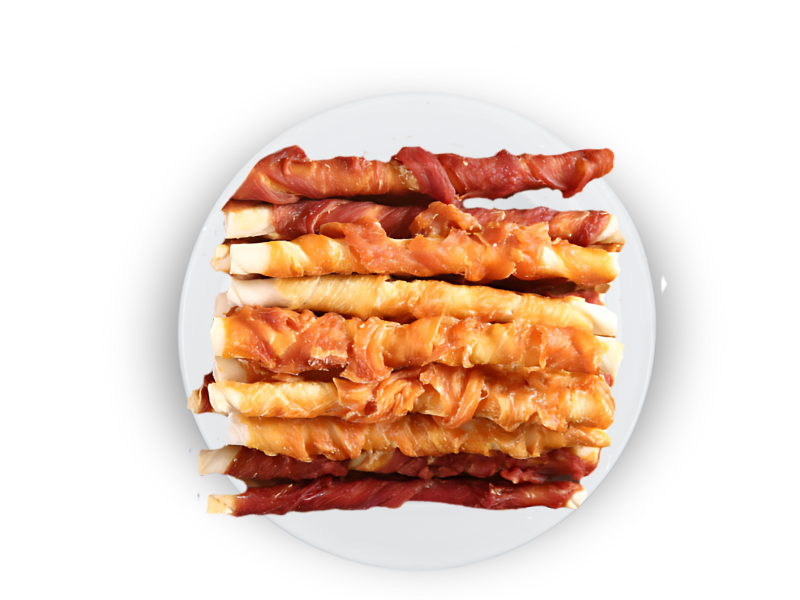
3. Continuous Production Lines
Rather than stopping between batches, advanced production lines operate continuously, improving throughput while reducing labor costs.
Continuous production is especially valuable for products such as:
- Soft dog treats
- Jerky treats
- Dental chews
- Biscuits
- Freeze-dried snacks
Why Automation Is Essential for Bulk Orders
Automation has transformed modern pet treat manufacturing.
Instead of relying solely on manual labor, factories integrate intelligent production equipment throughout the manufacturing process.
Examples include:
- Automatic ingredient feeding
- Precision mixing systems
- Forming and shaping machines
- Conveyor drying systems
- Optical quality inspection
- Robotic packaging
- Automatic carton sealing
- Barcode traceability
Automation not only increases production speed but also improves consistency across thousands of products.
For private label customers, this means each shipment closely matches previous production runs, helping maintain a consistent brand experience.
Planning Production Before Manufacturing Begins
Efficient factories spend significant time planning production before the first ingredient enters the mixer.
Production planning typically considers:
- Order quantities
- Delivery deadlines
- Ingredient availability
- Packaging inventory
- Equipment capacity
- Labor allocation
- Maintenance schedules
Proper scheduling minimizes machine downtime while maximizing daily output.
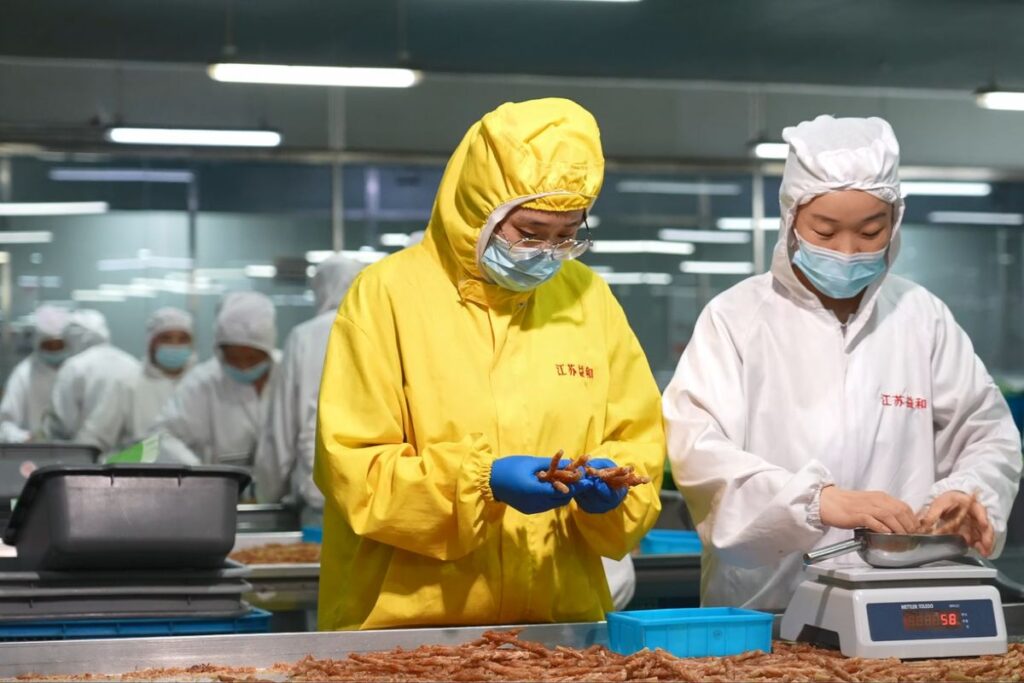
For example, manufacturers often group similar products together to reduce cleaning time between production runs and improve equipment utilization.
Efficient Factories Reduce Lead Time
Lead time is one of the biggest concerns for importers.
An experienced manufacturer shortens lead time by:
- Keeping frequently used raw materials in stock
- Maintaining safety inventory of packaging
- Using standardized production procedures
- Scheduling multiple production lines simultaneously
- Coordinating logistics in advance
As a result, buyers receive products faster without sacrificing quality.
Efficiency Benefits Every Customer
Whether you’re ordering 2,000 bags or 200,000 bags, an efficient manufacturing system provides measurable advantages.
These include:
- Faster order fulfillment
- More consistent product quality
- Lower manufacturing costs
- Better inventory planning
- Reduced production errors
- Greater flexibility for custom formulations
- Improved on-time delivery performance
For growing pet brands, these advantages can significantly improve competitiveness in today’s fast-moving market.
Part 2: Inside the Manufacturing Process
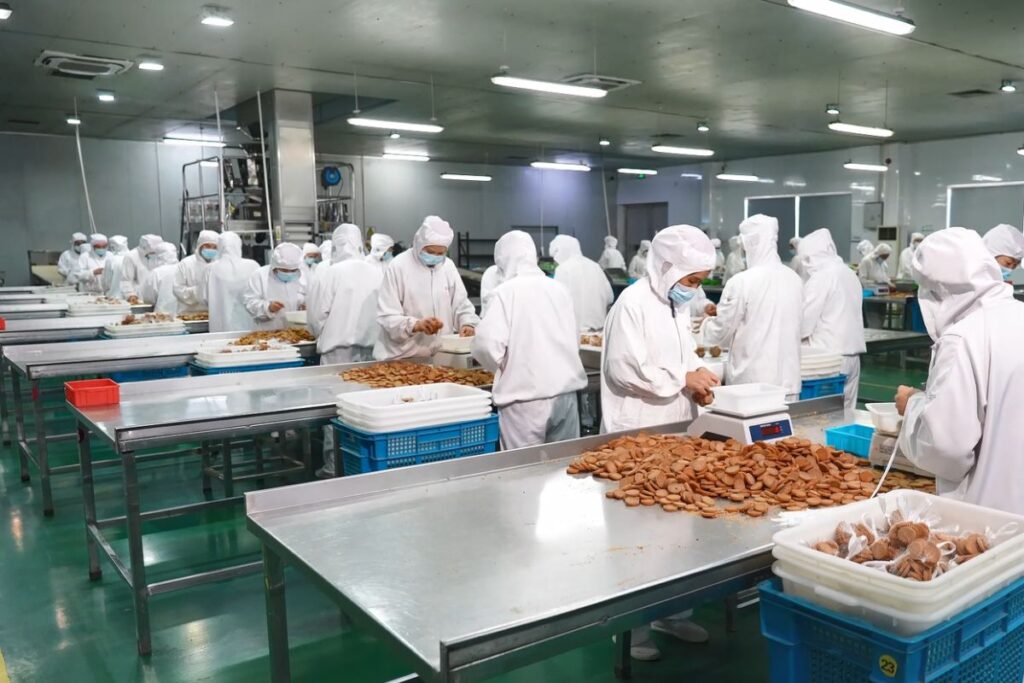
Once a production schedule is finalized, every step inside a professional dog treat factory follows standardized operating procedures (SOPs). The goal is simple: maximize efficiency while ensuring every batch meets the same quality, safety, and nutritional standards.
Below is the complete workflow used by leading private label dog treat manufacturers.
Step 1. Raw Material Receiving and Inspection
Efficient production begins long before manufacturing starts.
Every shipment of raw materials is inspected upon arrival to verify:
- Appearance and freshness
- Moisture content
- Protein and fat levels
- Microbiological safety
- Supplier documentation
- Batch traceability
Only approved materials enter the warehouse.
Premium factories often maintain dedicated storage areas for:
- Fresh meat
- Frozen meat
- Vegetables
- Functional ingredients
- Vitamins and minerals
- Packaging materials
This organized inventory system minimizes production interruptions and improves traceability.
Step 2. Intelligent Ingredient Batching
Instead of manually weighing ingredients, modern factories use computerized batching systems.
Each recipe is uploaded into the production management system, allowing equipment to automatically dispense the correct quantities.
Benefits include:
- Higher weighing accuracy
- Faster preparation
- Consistent formulas
- Less ingredient waste
- Improved repeatability
For private label customers, this ensures that every reorder maintains the same nutritional profile and flavor.
Step 3. High-Efficiency Mixing
After batching, ingredients move into industrial mixers designed to achieve uniform distribution.
The mixing process affects:
- Texture
- Moisture consistency
- Nutrient distribution
- Product appearance
- Palatability
Advanced mixers can process hundreds of kilograms per batch while maintaining consistent mixing times.
Sensors monitor:
- Temperature
- Mixing speed
- Mixing duration
This reduces human error and improves product consistency.
Step 4. Forming and Shaping
The mixed ingredients are then transferred to specialized equipment depending on the product type.
Examples include:
Soft Chews
Extrusion machines create consistent shapes and sizes suitable for training treats or functional supplements.
Jerky Treats
Whole-muscle meat is sliced to uniform thickness before entering the drying system.
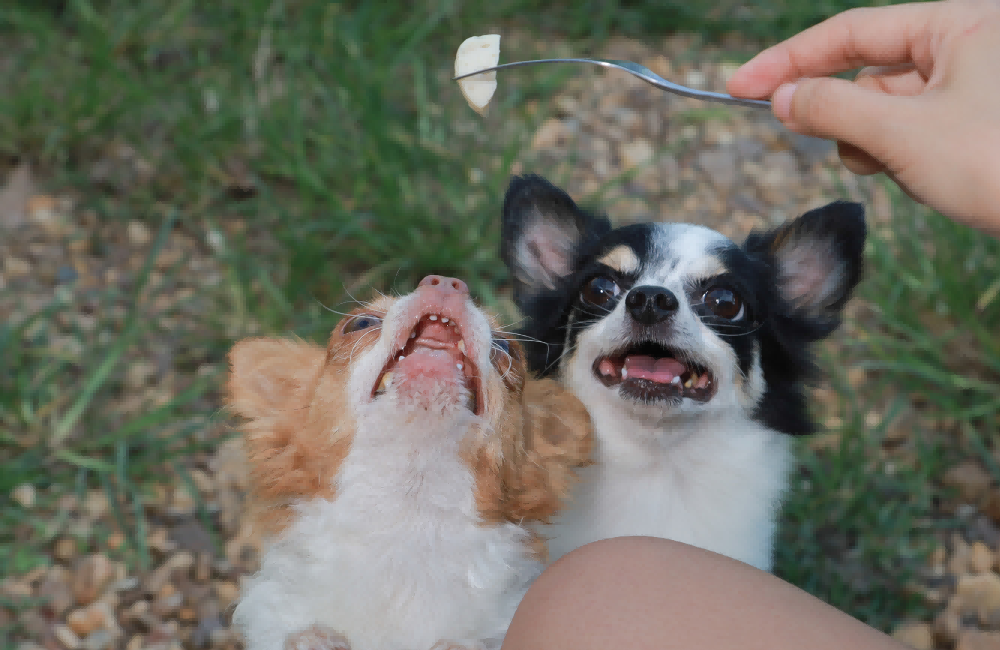
Biscuits
Rotary molds stamp thousands of identical pieces every hour.
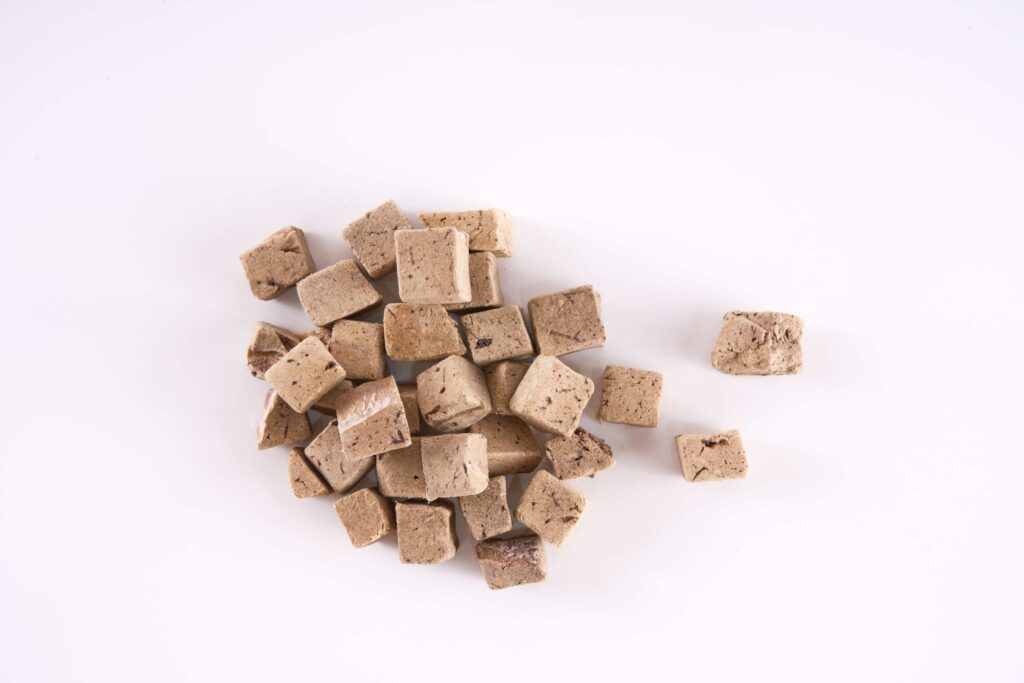
Dental Chews
Precision extrusion systems produce complex textures that help support dental health.
Automated forming equipment significantly increases production speed while reducing product variation.
Step 5. Controlled Cooking or Drying
Cooking is one of the most critical production stages.
Factories carefully control:
- Temperature
- Humidity
- Airflow
- Cooking time
Different products require different technologies.
Air Drying
Suitable for premium meat treats that retain natural flavor while reducing moisture.
Advantages include:
- Better nutrient retention
- Natural appearance
- Improved shelf life
Oven Baking
Ideal for biscuits and baked snacks.
Benefits include:
- Uniform texture
- Consistent color
- High production efficiency
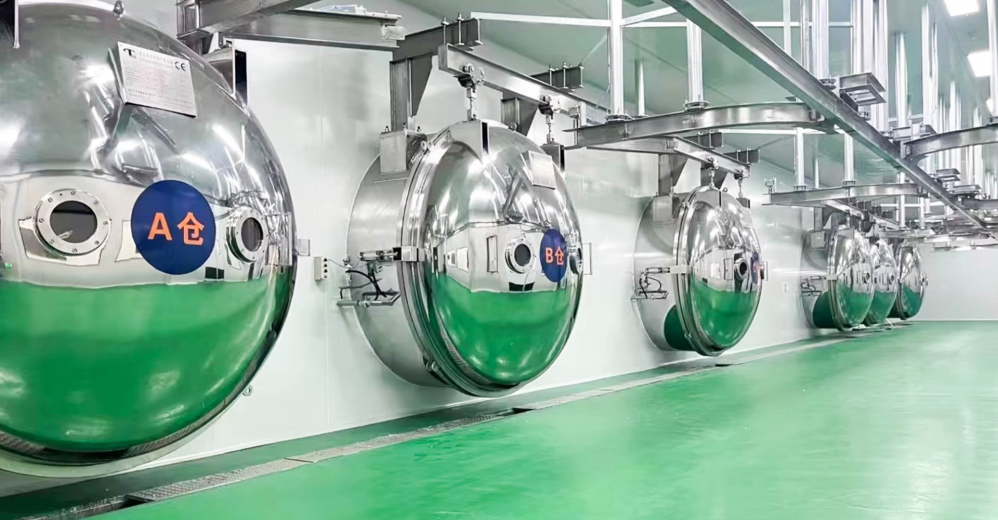
Freeze Drying
Premium freeze-dried treats undergo a completely different process.
The products are frozen before moisture is removed under vacuum conditions.
This helps preserve:
- Protein structure
- Natural aroma
- Vitamins
- Texture
- Nutritional value
Although freeze drying requires longer production time, automated systems can process multiple chambers simultaneously for improved efficiency.
Step 6. Cooling and Moisture Stabilization
Freshly produced treats cannot be packaged immediately.
Products first pass through controlled cooling tunnels where they gradually reach the appropriate temperature.
Cooling prevents:
- Condensation
- Package swelling
- Moisture migration
- Texture changes
Factories also verify final moisture levels to ensure products remain stable throughout transportation and storage.
Step 7. Multiple Quality Inspection Points
Instead of waiting until production ends, leading manufacturers perform inspections throughout the manufacturing process.
Typical checkpoints include:
Raw Materials
- Ingredient quality
- Supplier documentation
- Food safety compliance
During Production
- Product dimensions
- Moisture content
- Color consistency
- Equipment calibration
Finished Products
- Appearance
- Weight
- Packaging integrity
- Metal detection
- Microbiological testing
Continuous quality monitoring reduces waste while identifying potential issues before large batches are completed.
Step 8. Automated Packaging Systems
Packaging is one of the most automated areas inside modern factories.
Depending on customer requirements, production lines may include:
- Vertical form-fill-seal machines
- Premade pouch filling systems
- Vacuum packaging
- Nitrogen flushing
- Stand-up pouch filling
- Cartoning systems
Automated packaging offers several advantages:
- Higher speed
- Accurate filling weights
- Reduced contamination risk
- Professional package appearance
- Better sealing consistency
Private label customers can also customize:
- Bag size
- Materials
- Zipper closures
- Hang holes
- Matte or glossy finishes
- Window designs
Step 9. Coding and Product Traceability
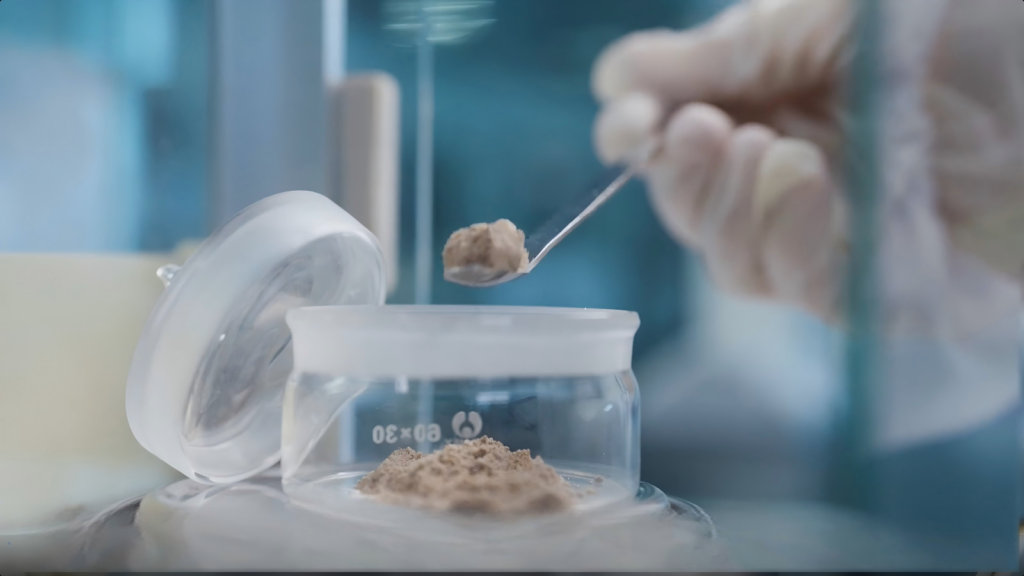
Every package receives a production code that links directly to manufacturing records.
This allows factories to trace:
- Production date
- Raw material batches
- Machine operators
- Production line
- Quality inspection reports
Complete traceability is essential for food safety compliance and international exports.
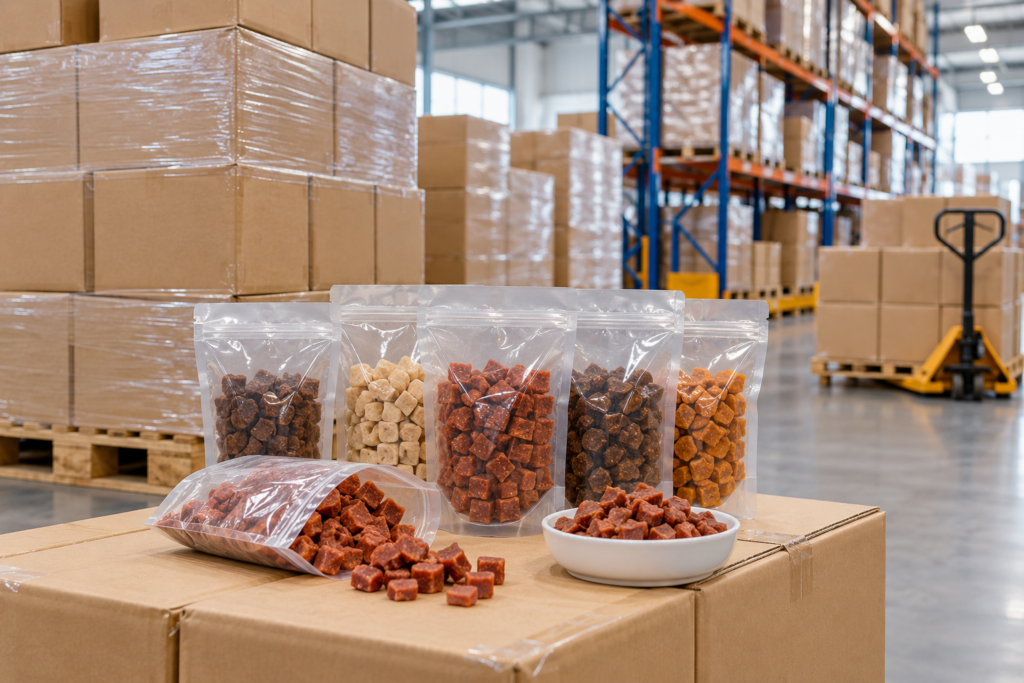
Step 10. Warehousing and Shipment Preparation
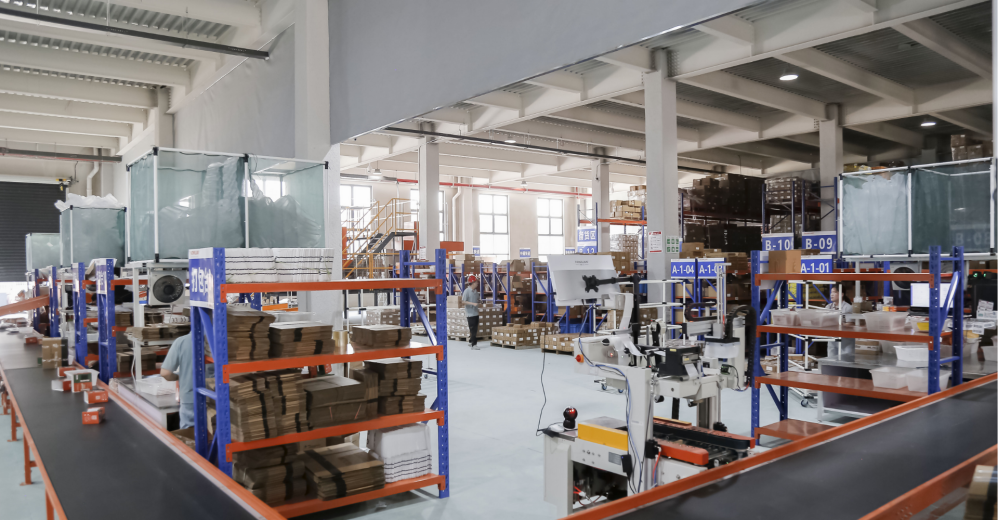
Finished products are transferred to climate-controlled warehouses before shipment.
Warehouse management systems track:
- Inventory levels
- Batch numbers
- Shelf life
- Customer orders
When orders are confirmed, products are picked, palletized, wrapped, and prepared for international shipping.
Factories with integrated warehouse management systems can process export orders much faster than facilities relying on manual inventory tracking.
How Modern Technology Improves Manufacturing Efficiency
Today’s leading OEM dog treat manufacturers rely on digital factory management systems to optimize every stage of production.
These systems monitor:
- Equipment utilization
- Production output
- Downtime
- Energy consumption
- Inventory levels
- Labor efficiency
Real-time dashboards allow production managers to identify bottlenecks and make immediate adjustments, reducing delays and maximizing output.
This data-driven approach enables factories to produce large volumes while maintaining consistent quality and controlling manufacturing costs.
Part 3: Private Label Customization, Certifications, Logistics & Cost Optimization
One of the biggest challenges in bulk manufacturing isn’t producing thousands of dog treats—it’s producing thousands of customized dog treats for multiple brands at the same time.
Professional OEM factories achieve this through standardized production systems, modular packaging, and flexible manufacturing lines. This allows them to offer private label services without sacrificing production efficiency.
Private Label Doesn’t Mean Starting From Scratch
Many new pet brands assume that private label manufacturing requires building an entirely new production line for every product.
In reality, experienced manufacturers use a modular production approach.
Instead of redesigning the entire process, they customize only the elements that matter most to the brand, such as:
- Recipe formulation
- Functional ingredients
- Treat shape and size
- Flavor combinations
- Packaging design
- Label artwork
- Case packing
- Marketing claims (subject to local regulations)
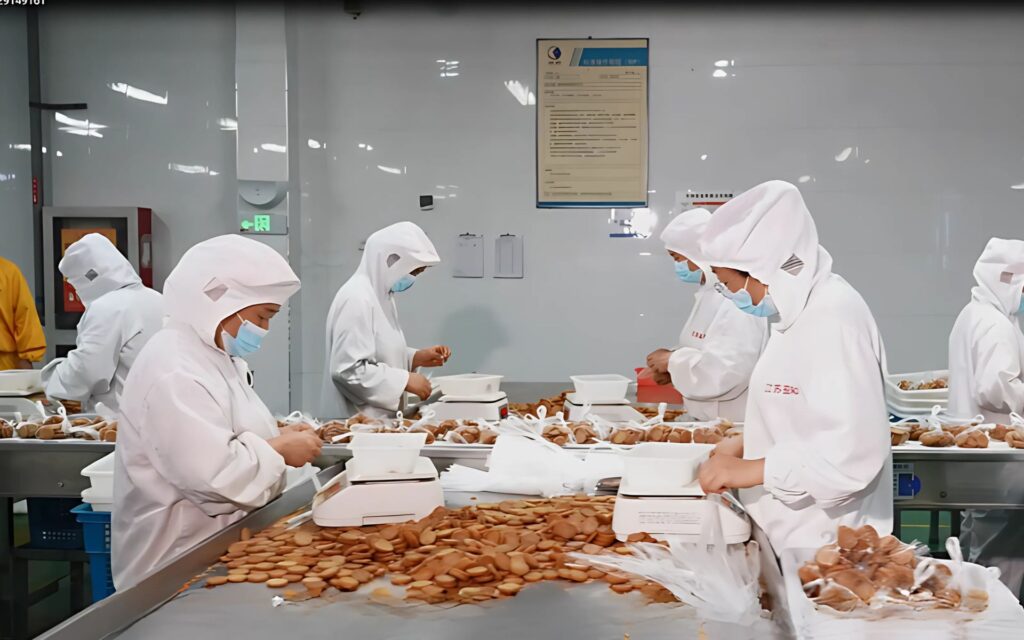
Because the core manufacturing process remains standardized, factories can efficiently produce multiple private label brands on the same production line.
Flexible Production for Different Order Sizes
Not every customer needs a full container of dog treats.
Modern factories often support a range of order volumes, including:
Small Trial Orders
Ideal for:
- New pet brands
- Amazon sellers
- Market testing
- Seasonal product launches
These smaller runs allow buyers to validate demand before scaling up.
Medium-Volume Orders
Suitable for:
- Regional distributors
- Chain pet stores
- Subscription box companies
- Growing e-commerce brands
Manufacturers can optimize production by combining compatible orders, improving machine utilization while keeping costs competitive.
Large Export Orders
For established brands and wholesalers, factories can schedule dedicated production lines capable of manufacturing tens of thousands of bags per day.
Efficient Packaging Customization
Packaging is often one of the most time-consuming aspects of private label production.
To improve efficiency, leading manufacturers maintain partnerships with professional packaging suppliers and stock commonly used packaging materials.
Customers can typically choose from options such as:
Packaging Formats
- Stand-up pouches
- Flat bags
- Pillow bags
- Resealable zipper bags
- Vacuum packaging
- Gift boxes
- Variety packs
Material Options
- Matte finish
- Gloss finish
- Kraft paper
- Recyclable materials
- High-barrier laminated films
Retail Features
- Euro hanging holes
- Transparent windows
- Easy-open notches
- Resealable zippers
- QR codes
- Batch coding
Because packaging production is planned alongside manufacturing, delays are minimized and production schedules remain on track.
Formula Customization Without Sacrificing Efficiency
Today’s pet owners expect more than basic treats. They want products that support specific health goals and dietary preferences.
An experienced OEM manufacturer can efficiently customize formulas for:
Functional Dog Treats
- Joint support
- Skin and coat health
- Digestive health
- Calming formulas
- Immune support
- Weight management
Natural Product Lines
- Grain-free
- Limited ingredient recipes
- High-protein treats
- Human-grade ingredient selections
- Organic ingredient options
Premium Categories
- Freeze-dried treats
- Air-dried treats
- Soft chews
- Meat jerky
- Dental chews
- Training treats
By using validated base formulations and controlled ingredient substitutions, factories reduce development time while maintaining product stability.
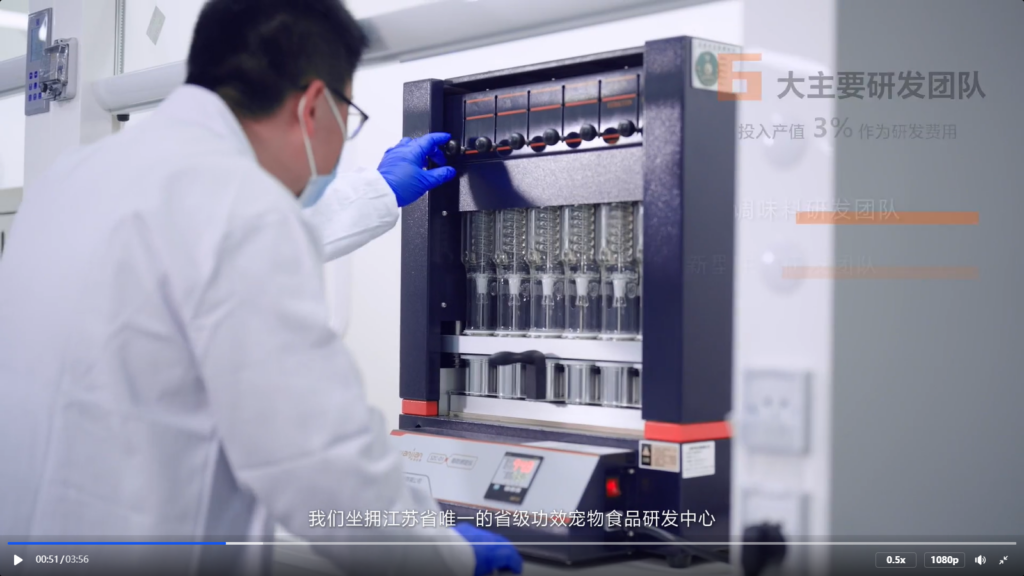
Food Safety Is Built Into Every Production Stage
Efficiency should never come at the expense of safety.
Professional dog treat manufacturers integrate quality management into every production step rather than relying solely on final product inspection.
Typical quality control measures include:
- Supplier qualification
- Incoming material inspection
- Allergen management
- Metal detection
- Foreign object prevention
- Environmental hygiene monitoring
- Finished product testing
- Batch traceability
This systematic approach reduces recalls, minimizes waste, and protects brand reputation.
International Certifications Improve Buyer Confidence
When sourcing dog treats for export, certifications provide assurance that manufacturing processes meet internationally recognized standards.
Depending on the target market, buyers often look for factories with certifications such as:
- BRCGS Food Safety
- IFS Food
- ISO 22000
- HACCP
- GMP
- FDA Registration (for applicable exports)
- SMETA or other social compliance audits
These certifications demonstrate that the factory follows documented food safety and quality management systems.
For distributors and retailers, working with certified manufacturers can simplify supplier approval and reduce procurement risk.
Digital Production Management Improves Delivery Performance
Large OEM factories increasingly rely on digital manufacturing systems to coordinate production.
These systems monitor:
- Production progress
- Machine utilization
- Raw material inventory
- Packaging availability
- Labor allocation
- Maintenance schedules
- Shipment planning
Real-time production data allows managers to quickly identify bottlenecks and adjust schedules before delays occur.
The result is improved on-time delivery performance—an important advantage for importers working with fixed retail launch dates or seasonal promotions.
Efficient Logistics Support Global Customers
Manufacturing is only part of the process.
Export-ready factories also optimize logistics by coordinating with freight forwarders and shipping partners.
Typical export services include:
- Mixed container loading
- Full container load (FCL)
- Less-than-container load (LCL)
- Pallet optimization
- Export documentation
- Customs support
- Label compliance
- Barcode application
Careful logistics planning helps reduce transportation costs and ensures products arrive in good condition.

How Efficient Manufacturing Reduces Total Costs
Many buyers focus only on the unit price of a dog treat.
However, the total cost of ownership includes much more than manufacturing.
Efficient production helps reduce:
- Material waste
- Labor costs
- Machine downtime
- Packaging errors
- Product defects
- Shipping delays
- Inventory shortages
- Emergency air freight
Although a highly automated factory may not always offer the lowest quoted price, it often delivers better long-term value through reliable quality and consistent supply.
Questions to Ask Before Choosing a Dog Treat Factory
Before selecting a manufacturing partner, consider asking:
- What is your monthly production capacity?
- Which certifications do you hold?
- Can you support custom formulations?
- What packaging options are available?
- How do you manage quality control?
- What is your average production lead time?
- Do you support private label and OEM services?
- Can you provide product development assistance?
- What export markets do you currently serve?
- How do you ensure traceability for every batch?
A transparent manufacturer should be able to answer these questions clearly and provide supporting documentation when required.

Part 4: Choosing the Right Manufacturing Partner, Why Matchwell Pets, FAQs & Conclusion
Choosing the right dog treat factory is one of the most important decisions you’ll make for your pet brand. The right partner doesn’t just manufacture products—they help you scale your business, protect your reputation, and support long-term growth.
Here’s what to look for when evaluating an OEM manufacturer.
How to Choose the Right Dog Treat Factory
Not all manufacturers offer the same capabilities. Beyond competitive pricing, buyers should evaluate a factory’s production capacity, quality management, product development expertise, and export experience.
A reliable manufacturing partner should demonstrate strengths in the following areas.
1. Scalable Production Capacity
Your supplier should be able to grow with your business.
Ask questions such as:
- What is your monthly production capacity?
- How many production lines do you operate?
- Can you support seasonal demand increases?
- How quickly can you expand production for repeat orders?
Factories with multiple automated production lines are generally better equipped to handle both trial orders and large-scale production.
2. Strong Product Development Capabilities
Successful private label brands rarely compete on price alone.
Look for manufacturers that offer:
- Custom formulations
- Functional ingredient recommendations
- Flavor development
- Texture optimization
- Packaging consulting
- Regulatory support
A knowledgeable R&D team can shorten product development timelines and improve product differentiation.
3. Comprehensive Quality Management
Quality should be built into every production stage—not inspected only at the end.
An experienced manufacturer should have documented systems covering:
- Raw material approval
- Supplier audits
- Production monitoring
- Finished product testing
- Traceability
- Corrective action procedures
Consistent quality is especially important for brands selling through Amazon, specialty retailers, and large supermarket chains.
4. Flexible Private Label Services
As your business grows, your manufacturing needs will evolve.
Choose a factory that can support:
- Multiple SKUs
- Different packaging formats
- Formula upgrades
- Seasonal products
- Regional labeling requirements
- Multi-language packaging
This flexibility allows you to expand into new markets without changing suppliers.
5. Export Experience
International logistics require experience beyond manufacturing.
An export-oriented factory should understand:
- International documentation
- Packaging regulations
- Shipping requirements
- Container optimization
- Customs compliance
- Market-specific labeling standards
Working with an experienced exporter reduces delays and minimizes compliance risks.
Why Global Brands Choose Matchwell Pets
At Matchwell Pets, we understand that efficient manufacturing means more than producing large quantities. It means delivering consistent quality, reliable lead times, and flexible private label solutions that help our customers grow with confidence.
As an experienced OEM and ODM pet treat manufacturer, we support customers worldwide with a wide range of premium products, including:
- Freeze-dried dog treats
- Freeze-dried cat treats
- Soft treats
- Meat jerky
- Dental chews
- Functional pet treats
- Training treats
- Cat treats
- Wet pet food
- Customized private label products
Our integrated manufacturing system combines advanced automation, strict quality control, and efficient production scheduling to ensure every order meets international standards.
What We Offer
✔ OEM & ODM manufacturing
✔ Custom recipes and formulations
✔ Private label packaging design
✔ Flexible MOQ options
✔ High-capacity production lines
✔ BRC, IFS, ISO 22000, and HACCP quality management systems
✔ Professional R&D support
✔ Global export experience
Whether you’re launching your first pet treat brand or expanding an established product portfolio, our team works closely with you from product development through final delivery.
Frequently Asked Questions
How long does it take to manufacture a bulk dog treat order?
Production time depends on product type, packaging requirements, and order quantity. Standard private label orders typically require several weeks after artwork approval and raw material preparation. Repeat orders are often completed more quickly because formulations and packaging specifications are already established.
Can I customize ingredients for my private label dog treats?
Yes. Most professional OEM manufacturers offer customized formulations, including protein sources, functional ingredients, grain-free recipes, limited-ingredient formulas, and various treat textures.
What is the minimum order quantity (MOQ)?
MOQ varies depending on the product, packaging type, and level of customization. Manufacturers often provide flexible solutions for startups while offering more cost-efficient pricing for larger production runs.
How do manufacturers maintain consistent quality across large orders?
Consistency is achieved through standardized formulations, automated production equipment, in-process quality inspections, laboratory testing, and complete batch traceability.
Can one factory produce multiple product categories?
Yes. Many modern pet treat manufacturers operate multiple production lines capable of producing freeze-dried treats, soft chews, biscuits, jerky, dental chews, and wet pet food within the same facility while maintaining strict production controls.
Which certifications should I look for?
When selecting a manufacturing partner, look for internationally recognized certifications such as ISO 22000, HACCP, BRCGS, and IFS Food. These certifications indicate that the factory follows established food safety and quality management practices.
Final Thoughts
Efficient bulk production is the foundation of a successful private label pet treat business. The most capable manufacturers combine advanced automation, experienced production teams, rigorous quality management, and flexible OEM services to deliver consistent products at scale.
Rather than focusing solely on price, businesses should evaluate a factory’s ability to support long-term growth through reliable production, continuous innovation, and dependable global logistics.
Choosing the right manufacturing partner today can help your brand launch faster, maintain product consistency, and respond more effectively to changing market demands in the years ahead.
Ready to Build Your Private Label Pet Treat Brand?
Whether you’re sourcing freeze-dried dog treats, functional soft chews, premium cat treats, or developing a completely customized product line, Matchwell Pets is ready to support your business.
Our experienced team can help you:
- Develop unique private label products
- Customize formulas and packaging
- Optimize manufacturing costs
- Meet international quality standards
- Deliver reliable bulk orders on schedule
Contact Matchwell Pets today to discuss your project, request product samples, or receive a customized quotation. Let’s build a pet treat brand that stands out in today’s competitive global market.