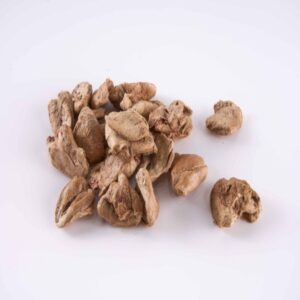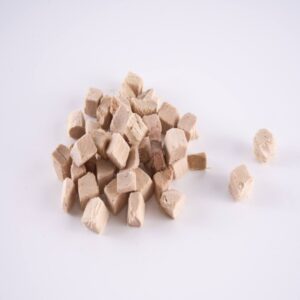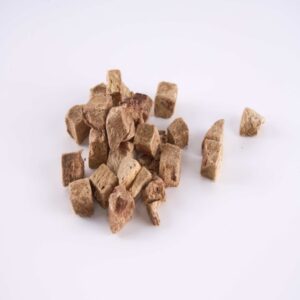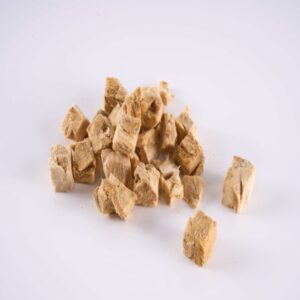

Organic Dog Treat Market Trends in North America
North American dog owners are paying closer attention to what goes into the treats they buy, how those treats are processed, and whether label claims can be verified. As a result, organic dog treats are moving beyond a small specialty niche and becoming part of a broader premium pet wellness market.
For pet brands, wholesalers, retailers, and importers, however, success is not as simple as adding the word “organic” to a package. Buyers want products that combine credible sourcing, recognizable ingredients, practical benefits, safe manufacturing, attractive pricing, and clear regulatory documentation.
This article examines the most important organic dog treat market trends shaping North America in 2026, with a particular focus on the United States and Canada.
North American Organic Dog Treat Market Overview
The organic dog treat segment benefits from the continued strength of the wider pet industry. The American Pet Products Association reports that total U.S. pet spending reached $158 billion in 2025 and is projected to reach $165 billion in 2026. Pet food and treats alone are projected to account for $69.7 billion in 2026.
Canada also presents a substantial opportunity. According to Agriculture and Agri-Food Canada, Canadian dog treat and mixer sales reached Can$860.1 million in 2024, up 7.3% from the previous year. The category is forecast to reach Can$1.16 billion by 2029.
These figures do not represent organic treats alone, but they show the size and resilience of the categories in which organic products compete. Organic treats are positioned at the intersection of premiumization, clean-label purchasing, pet humanization, and demand for greater supply-chain transparency.
1. Verified Organic Claims Matter More Than Vague “Natural” Positioning
One of the clearest market changes is a shift from broad lifestyle language toward more specific, supportable claims. North American consumers increasingly recognize that “organic” and “natural” are not interchangeable.
In the United States, an organic pet food claim must comply with the USDA National Organic Program. AAFCO explains that certified organic pet food must contain at least 95% organic ingredients to display the USDA Organic seal. An organic dog treat must also comply with applicable FDA animal food rules and state feed laws.
This has several implications for brands:
- Organic certificates must be valid and traceable to the relevant ingredients and operations.
- Packaging claims must match the certified formula and documentation.
- Ingredient substitutions cannot be made casually if they change the product’s certification status.
- Marketing teams should distinguish among “organic,” “made with organic ingredients,” and “natural” positioning.
Verified claims create trust, but inaccurate organic language can create regulatory and reputational risk. Brands should decide on the intended front-of-pack claim before finalizing the formula and supply chain.

2. Short, Recognizable Ingredient Lists Are Winning Attention
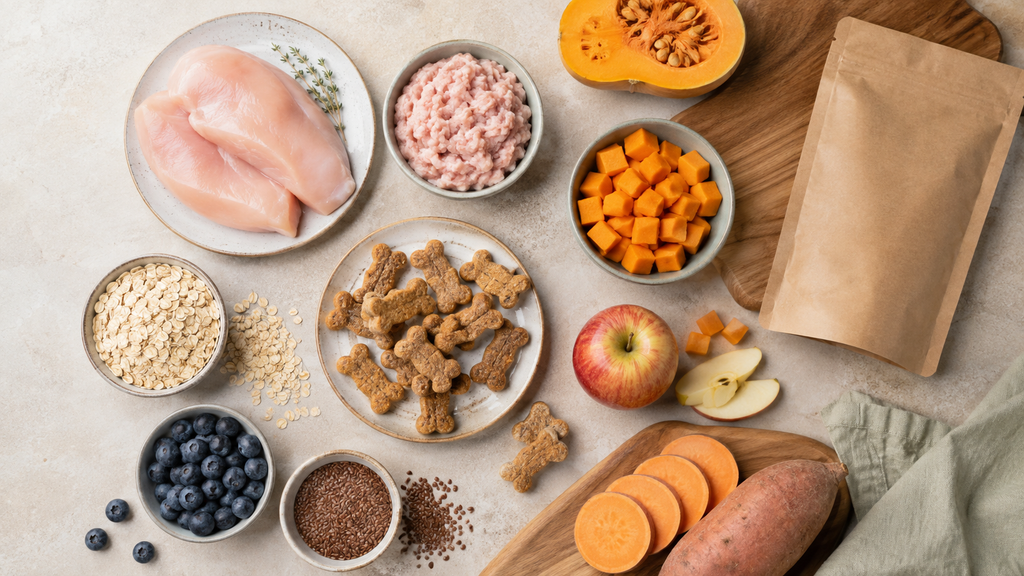
Clean-label expectations continue to influence the organic dog treat market. Shoppers often turn the package over and look for ingredients they immediately recognize, such as chicken, beef, turkey, sweet potato, pumpkin, apple, oats, or peanut butter.
This is increasing demand for:
- Single-protein treats
- Limited-ingredient recipes
- Grain-free options where appropriate
- Recipes without artificial colors, flavors, or preservatives
- Clear protein-source identification
- Simple explanations of each ingredient’s purpose
The strongest products do not merely remove ingredients. They create an easy-to-understand reason to buy. For example, an organic chicken and pumpkin training bite has a clearer identity than a long, complicated formula with several overlapping claims.
Simple formulations can also make supplier approval, quality control, and label communication easier. However, brands must still validate shelf life, texture, palatability, microbial safety, and packaging performance.
3. Functional Benefits Are Expanding the Role of Treats
Dog treats are no longer purchased only as occasional rewards. Many owners now expect a treat to serve a second purpose, creating demand for products positioned around everyday wellness needs.
Popular functional directions include:
- Digestive support
- Skin and coat support
- Joint and mobility support
- Calming routines
- Dental care
- Weight-conscious training
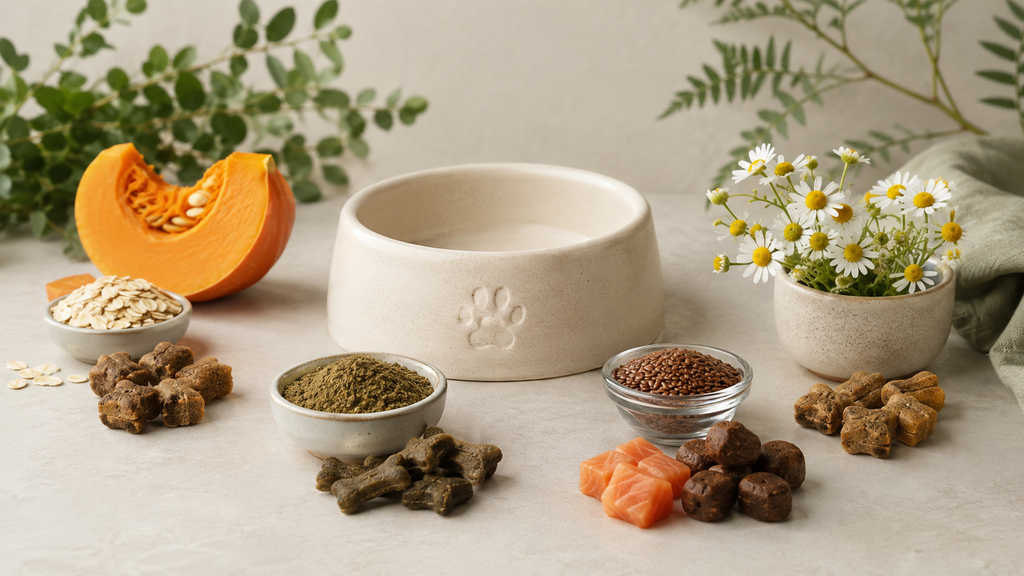
Organic ingredients can support a premium wellness story, while carefully selected functional ingredients help differentiate the product. Examples might include organic pumpkin in a digestive-focused recipe or organic flaxseed in a skin-and-coat concept.
Brands must be careful with claim wording. The FDA’s animal food labeling guidance notes that claims to cure, treat, prevent, or mitigate disease may cause a product to be treated as a new animal drug. Functional dog treats should therefore use supportable food-related claims and avoid unapproved medical promises.
4. Minimally Processed Formats Continue to Gain Ground
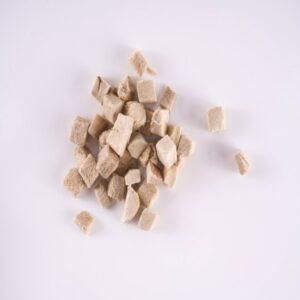
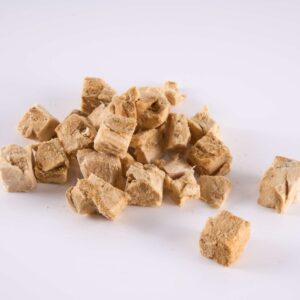
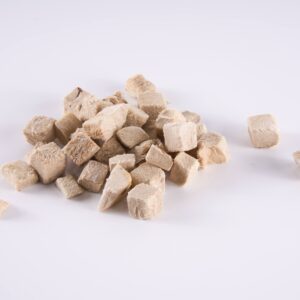
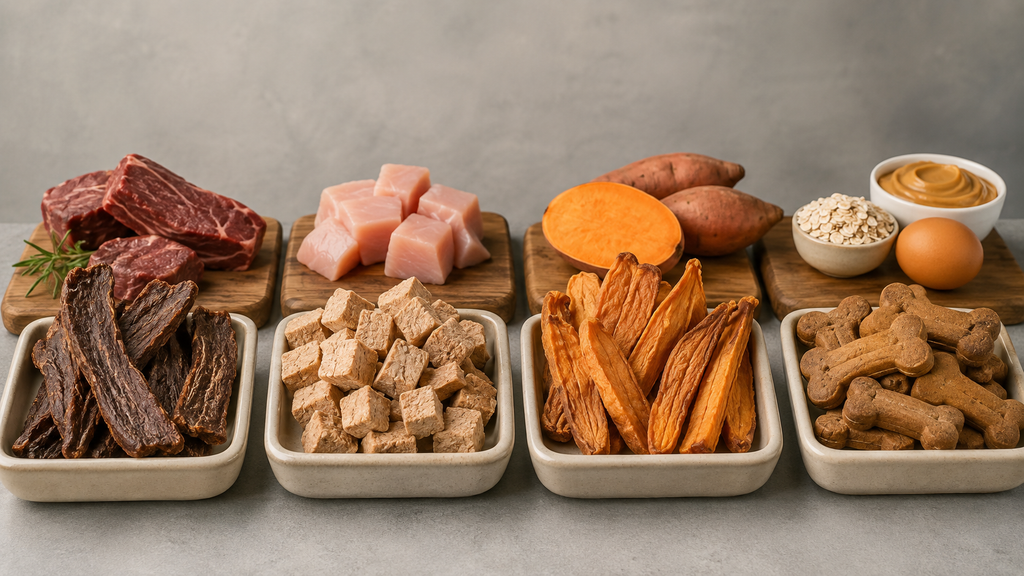
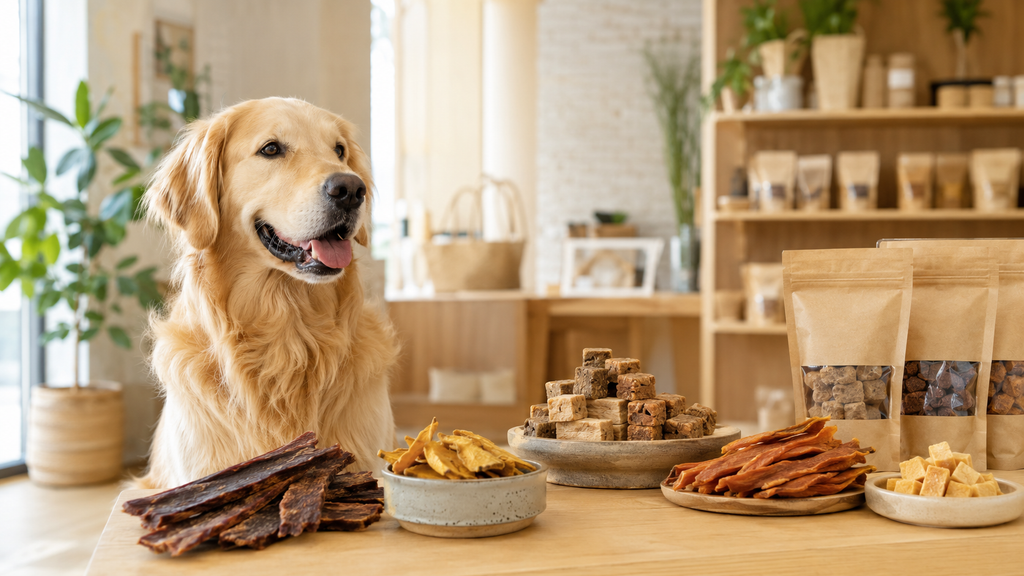
Organic sourcing is increasingly paired with processing methods perceived as simple or gentle. Air-dried, dehydrated, freeze-dried, and baked treats fit this demand because they can offer convenient handling while maintaining a visible connection to the original ingredients.
The most promising formats include:
- Air-dried meat strips and bites
- Freeze-dried organ or muscle-meat treats
- Dehydrated vegetable and meat combinations
- Soft-baked organic training treats
- Crunchy biscuits with organic grains or produce
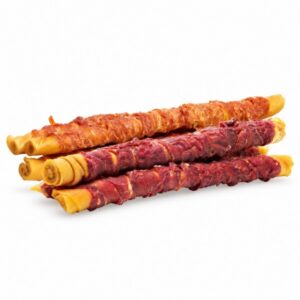
The appeal is not only nutritional. Texture and feeding occasion matter. Small soft bites suit frequent training, jerky strips create a longer reward experience, and freeze-dried pieces can also be crumbled over food as a topper.
For manufacturers, format selection affects moisture targets, water activity, pathogen controls, breakage rates, shipping costs, and package barrier requirements. The “least processed” story still needs a robust food-safety plan.
5. Single-Protein and Limited-Ingredient Products Remain Strong
Many shoppers want to know exactly which animal protein they are feeding. This makes single-protein products especially attractive in the premium and organic segments.
Chicken and beef remain familiar choices, but turkey, lamb, duck, rabbit, and fish can help brands build differentiated product lines. A focused range might combine:
- A high-volume core protein
- A premium alternative protein
- A low-calorie training format
- A longer-lasting chew or jerky format
Limited-ingredient positioning can appeal to owners seeking simpler feeding choices, but it should not be confused with a veterinary allergy claim. Brands must also manage cross-contact risks and decide whether claims such as “single animal protein” can be supported by the facility’s sourcing and production controls.
6. Traceability Is Becoming Part of the Product Story
Organic consumers often want more than a certification logo. They want to understand where the ingredients came from, how the product was made, and which company is accountable for quality.
For B2B buyers, useful documentation may include:
- Ingredient specifications and organic certificates
- Certificates of analysis
- Batch and lot traceability records
- Allergen and cross-contact controls
- Microbiological testing plans
- Shelf-life and stability data
- Manufacturing certifications and audit records
- Country-of-origin information
Traceability also improves marketing. QR codes, sourcing maps, batch information, and concise ingredient stories can turn compliance documentation into consumer-facing trust signals.
Brands should verify that every claim can be maintained at commercial scale. A compelling origin story loses value if the approved raw material cannot be supplied consistently.
7. Premiumization Is Being Balanced With Affordability
Pet owners may want premium organic products, but they are still comparing price per ounce, pack size, and frequency of use. This is leading to more practical premium strategies rather than unlimited price expansion.
Brands can improve accessibility through:
- Smaller trial-size bags
- Lightweight training bites
- Resealable packaging that reduces waste
- Good-better-best product tiers
- Mixed-protein variety packs
- Subscription or multipack offers
- Concentrated value messaging, such as treats per bag
The opportunity is to preserve the organic product’s credibility while giving shoppers a clear reason for the price difference. Certification, ingredient sourcing, processing quality, functional value, and feeding convenience should all be communicated plainly.
8. Sustainable Packaging Must Also Protect Product Quality
Sustainability continues to influence premium pet product development. Buyers may request recyclable structures, reduced plastic use, responsibly sourced paper, or smaller packaging footprints.
However, packaging decisions for organic dog treats must start with product protection. Meat-based, air-dried, and freeze-dried treats can be sensitive to oxygen and moisture. A package that looks environmentally responsible but causes oxidation, texture loss, or a shorter shelf life creates more waste rather than less.
A practical packaging strategy balances:
- Required oxygen and moisture barriers
- Reseal performance
- Product-to-package ratio
- Shipping durability
- Local recycling availability
- Clear disposal instructions
Brands should test packaging with the actual product rather than choosing a structure based only on appearance.

9. Private Label Development Is Expanding Beyond Basic Logo Changes
Retailers and e-commerce sellers increasingly use private label products to create differentiation and improve customer retention. In the organic dog treat category, buyers are looking for more than a stock recipe placed in a custom bag.
Competitive private label programs may include:
- Custom protein and ingredient combinations
- Different treat sizes for training or everyday rewards
- Texture selection, including soft, crunchy, chewy, or freeze-dried
- Functional ingredient options
- Custom shapes and portion sizes
- Market-specific packaging and label support
- Scalable order quantities and product-line extensions
The best development process begins with the target consumer, retail price, sales channel, pack size, and intended claim. These decisions guide the formula and prevent unnecessary redevelopment later.
10. U.S. and Canadian Compliance Must Be Planned Separately
North America is not a single regulatory market. A product developed for U.S. distribution may require adjustments before entering Canada.
In the United States, the FDA requires animal food labels to identify the product, declare net quantity, name the manufacturer or distributor, and list ingredients in descending order by weight. State registration and labeling requirements may also apply. AAFCO model regulations influence many state rules, including the treatment of snacks and treats.
Canada has separate import requirements, particularly for products containing animal-origin ingredients. The Canadian Food Inspection Agency states that imported pet foods and treats with animal-origin ingredients may require approved facilities, zoosanitary certification, and import permits depending on the product and exporting country.
For this reason, brands should confirm the intended destination markets before approving ingredients, processing methods, label copy, and commercial quantities.
Product Opportunities for 2026 and Beyond
Based on current organic dog treat market trends, several concepts offer strong potential for North American brands:
- Organic single-protein jerky treats with short ingredient lists
- Organic chicken and pumpkin mini training bites
- Organic soft-baked treats for everyday rewarding
- Air-dried limited-ingredient strips for premium pet retail
- Organic grain-inclusive biscuits using oats and recognizable produce
- Small-format functional treats with carefully controlled claims
- Variety packs that encourage trial without requiring a large initial purchase
The right concept depends on the brand’s sales channel. E-commerce products need strong visual differentiation and efficient shipping. Independent pet stores may favor unique proteins and educational stories. Mass retail requires dependable supply, competitive pricing, and rapid consumer understanding.
What Buyers Should Ask an Organic Dog Treat Manufacturer
Before selecting a manufacturing partner, buyers should ask:
- Can you document the organic status of every relevant ingredient?
- Which organic label claim can the final formula legally support?
- How are organic and non-organic materials separated and traced?
- What pathogen controls and finished-product tests are used?
- Can you provide shelf-life and packaging compatibility data?
- How do you control ingredient substitutions?
- Can the label be reviewed for the target U.S. states or Canadian market?
- What are the MOQ, sample timeline, and commercial lead time?
- Can the formula, size, texture, and packaging be customized?
- What happens if an approved organic ingredient becomes unavailable?
Clear answers at the beginning of the project reduce the risk of delays, claim changes, and unexpected costs.
Frequently Asked Questions
Are organic dog treats the same as natural dog treats?
No. “Organic” refers to a regulated production and handling system. “Natural” is a separate labeling concept. A product may be natural without being certified organic, and an organic claim must be supported by the relevant certification and regulatory requirements.
Does organic automatically mean healthier for dogs?
Not necessarily. Organic certification verifies how ingredients are produced and handled; it does not automatically prove that a treat is safer, more nutritious, or suitable for every dog. Buyers should also evaluate formulation, calories, treat size, quality controls, and feeding directions.
Which organic dog treat formats have the greatest potential?
Single-protein jerky, small training bites, limited-ingredient baked treats, air-dried products, and freeze-dried treats all align with current demand for recognizable ingredients and convenient premium formats.
Can an overseas manufacturer produce organic dog treats for North America?
Potentially, yes, but the product, ingredients, operation, documentation, label, and import pathway must meet the destination market’s requirements. Canadian products containing animal-origin ingredients may also be subject to specific CFIA import controls.
Final Thoughts
The North American organic dog treat market is becoming more sophisticated. Certification remains important, but future growth will also depend on clean formulations, useful product formats, responsible claims, transparent sourcing, suitable packaging, and accessible pricing.
For brands and retailers, the strongest opportunity is not simply to launch another premium treat. It is to create a product with a clearly defined consumer, feeding occasion, ingredient story, and compliance plan.
Matchwell supports pet brands, importers, wholesalers, and retailers with OEM and private label dog treat development. From concept selection and product sampling to packaging and commercial production, our team can help you evaluate the right format for your target market. Contact Matchwell to discuss your next dog treat project.