
How Pet Treat Manufacturers Ensure Product Safety
For pet brands, wholesalers, Amazon sellers, supermarket buyers, and distributors, product safety is not just a basic requirement. It directly affects brand trust, customer reviews, repeat purchases, import compliance, and long-term business stability.
When buyers choose pet treat manufacturers, they usually compare price, formula options, packaging, MOQ, and lead time. But behind every successful wholesale or private label pet treat project, there is one factor that should come first: product safety.
Professional pet treat factories do not rely on one final inspection alone. Instead, they build safety into every stage, from raw material sourcing to processing, packaging, storage, and shipment. This is especially important for products such as freeze-dried treats, jerky treats, dental chews, soft treats, cat treats, dog treats, and customized OEM/ODM pet snacks.
1. Raw Material Control Starts Before Production
Product safety begins long before the production line starts running. For pet treats, raw materials may include chicken, duck, beef, fish, lamb, vegetables, fruits, starches, functional ingredients, and natural flavoring components. If the raw materials are unstable, the final product cannot be truly safe.
A qualified pet treat manufacturer usually evaluates raw materials from three angles. First, the supplier must be approved. Factories should work with stable raw material suppliers and check supplier qualifications, production records, and delivery consistency.
Second, incoming materials must be inspected. This may include checking appearance, odor, freshness, temperature, packaging integrity, expiration dates, and batch documentation.
Third, higher-risk materials should be tested according to product type. For example, meat-based treats may require microbiological control, moisture control, and residue checks. Freeze-dried pet treats require strict freshness control because the quality of the finished product depends heavily on the quality of the raw meat.
For B2B buyers, this step matters because raw material quality directly affects product safety, texture, palatability, shelf life, and customer satisfaction.
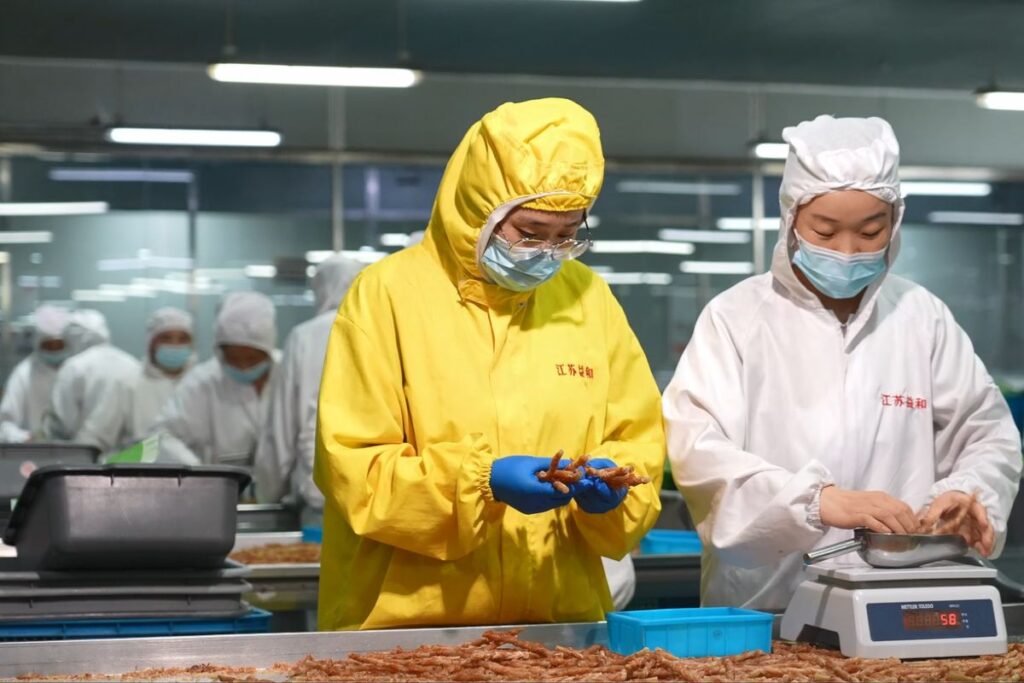
2. Hygienic Production Environment Reduces Contamination Risk
A professional pet treats factory must control the production environment carefully. Pet treats are food products, so contamination prevention is essential.
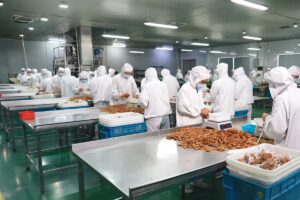
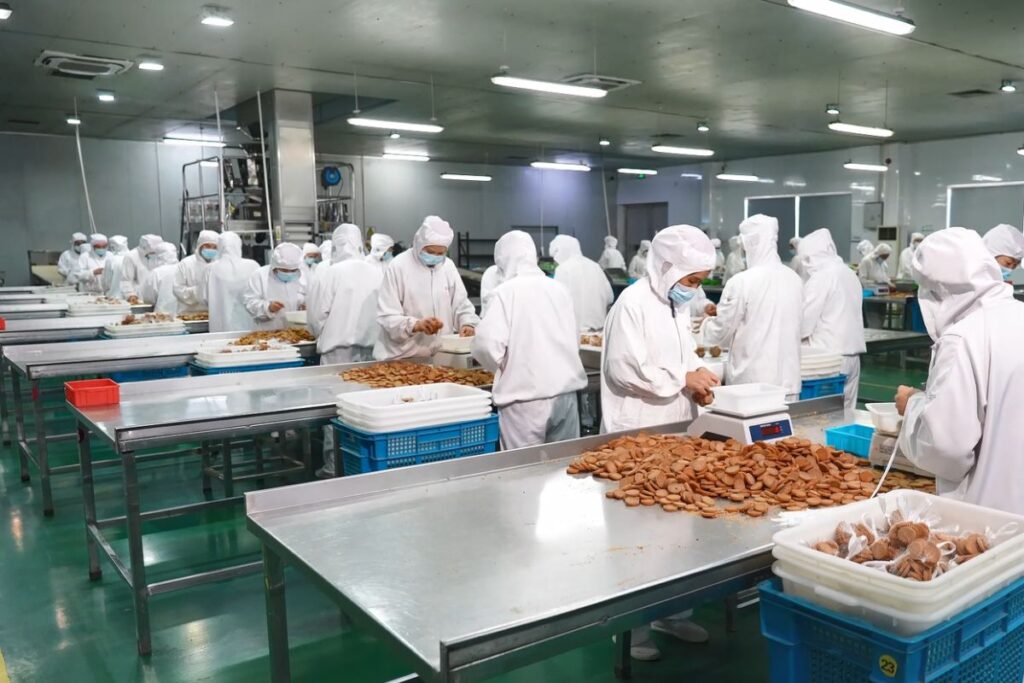
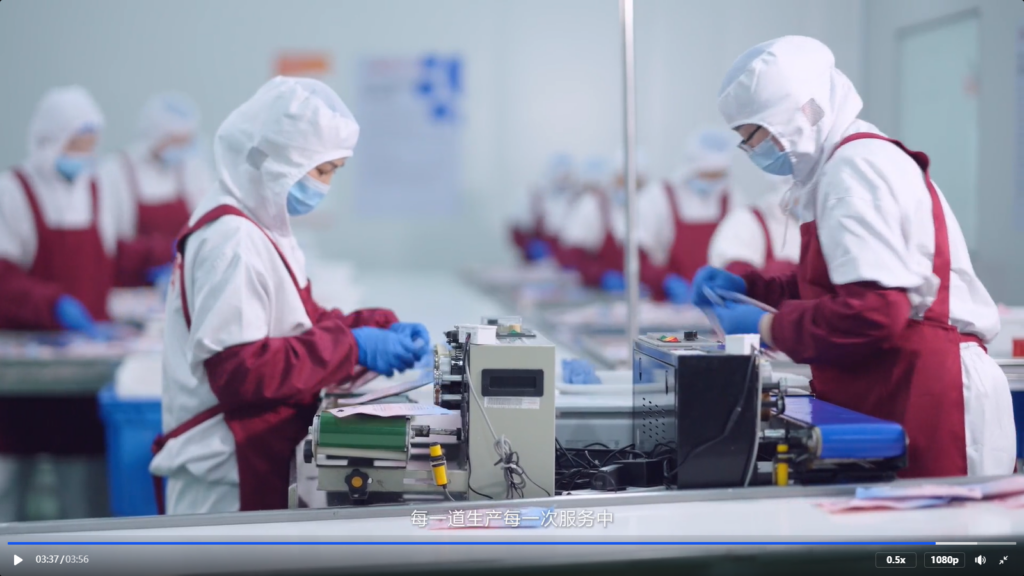
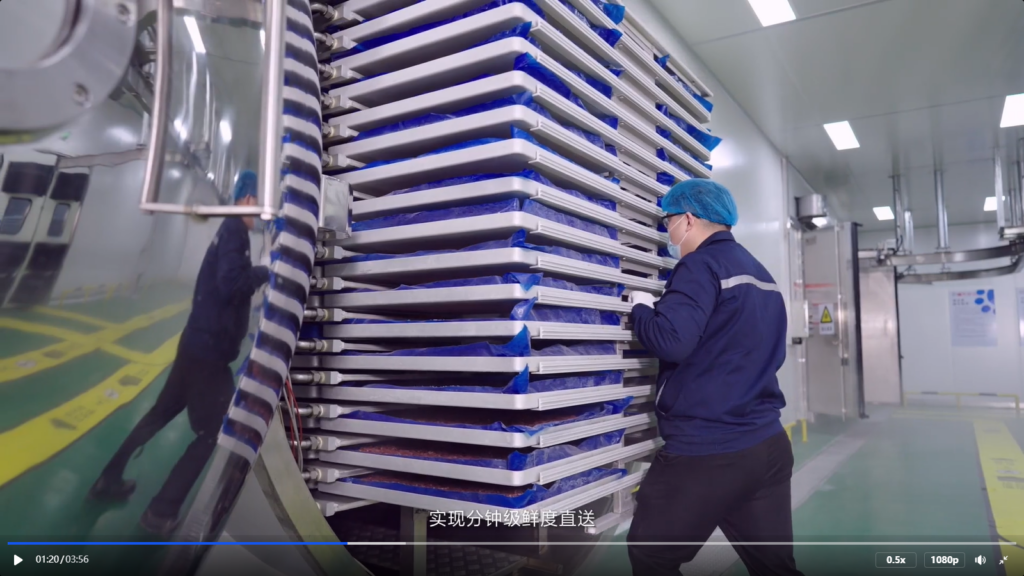
Common hygiene control measures include protective clothing, masks, hair covers, gloves, clean production zones, equipment sanitation, and controlled personnel movement. Production areas are usually separated according to different processing steps to reduce the risk of cross-contamination.
In factories producing multiple types of dog treats and cat treats, zoning is especially important. Raw material handling areas, semi-finished product areas, drying or freeze-drying rooms, packaging rooms, and finished goods warehouses should be managed separately.
For international buyers, a clean and well-managed workshop is often a strong sign that the manufacturer has a mature quality system. It shows that safety is not treated as an afterthought, but as part of daily production discipline.
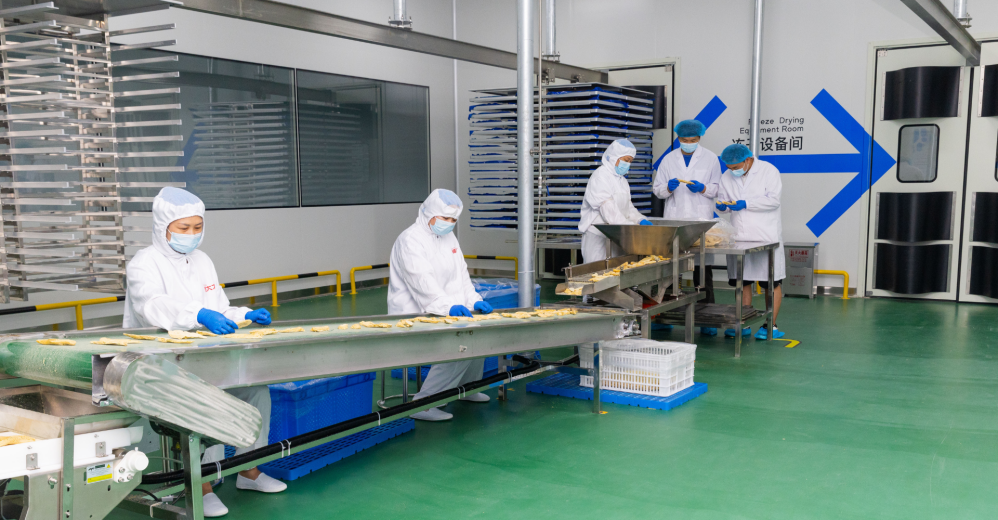
3. Standardized Processing Keeps Every Batch Consistent
Product safety is closely linked to process consistency. If temperature, time, moisture, or handling steps vary too much, product quality may become unstable.
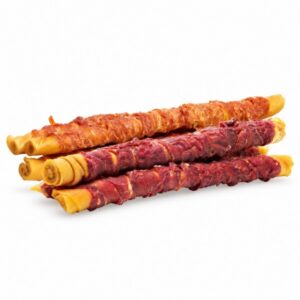
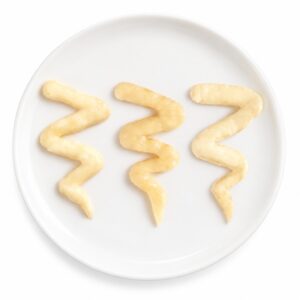
For example, jerky treats require proper drying control. Freeze-dried treats require strict freezing and drying parameters. Soft treats require stable formulation, mixing, shaping, baking or drying, and moisture control. Dental chews require consistent texture and structural safety.
Professional pet treat manufacturers usually create standard operating procedures for each product category. These procedures define raw material preparation, mixing ratio, processing temperature, drying or freeze-drying time, moisture target, metal detection requirements, packaging method, storage condition, sampling, and inspection frequency.
This is especially important for private label pet treats. If a buyer orders the same product repeatedly, they expect every batch to match the approved sample. Standardized processing helps ensure that the product remains consistent in appearance, weight, smell, texture, nutrition, and safety.
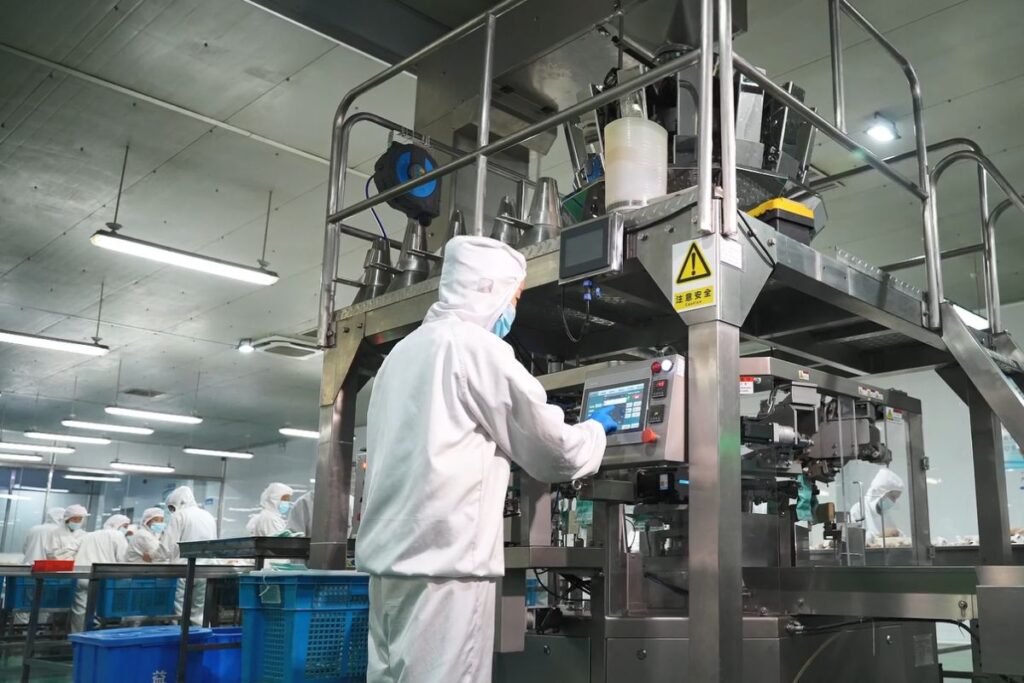
4. In-Process Quality Control Finds Problems Early
Good manufacturers do not wait until the final product is packed before checking quality. They inspect products during production.
In-process quality control may include checking product size, shape, color, texture, weight, moisture, and foreign matter. Workers and quality inspectors monitor whether the product matches the approved specification.
For pet treat buyers, this step is important because many product problems are easier to fix during production than after packaging. For example, if moisture is too high, the product may have a shorter shelf life. If size is inconsistent, packaging weight may become unstable. If drying is uneven, texture and safety may be affected.
A reliable pet treat manufacturer should have clear inspection points during production, not just a simple final check.
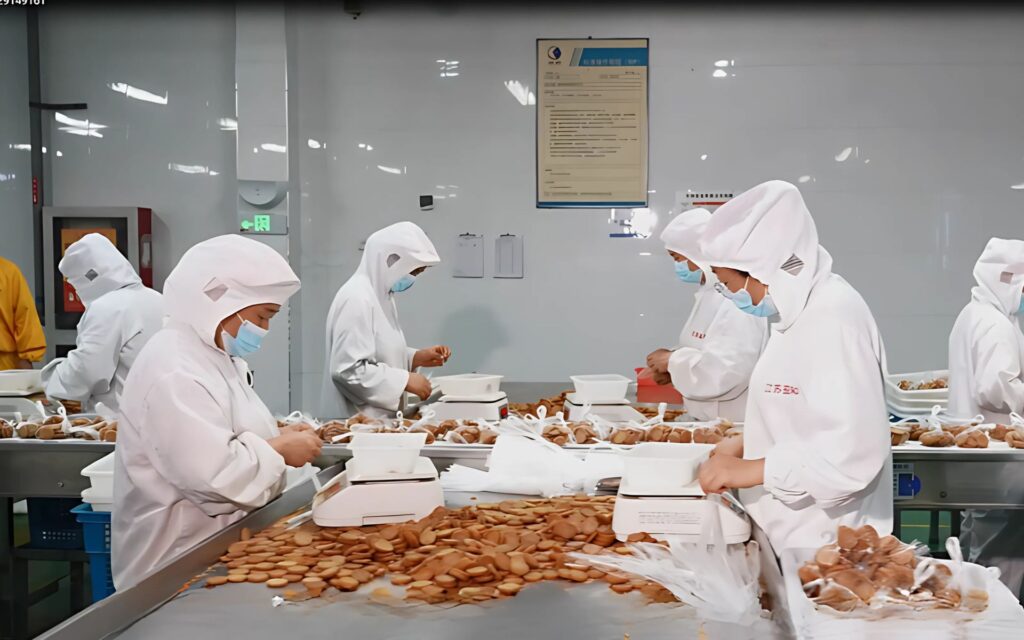
5. Manual Inspection Adds an Extra Layer of Safety
Even with automated equipment, manual inspection remains valuable in pet treat production. Skilled workers can identify visual issues that machines may not fully detect.
Manual inspection can help remove broken pieces, abnormal shapes, discolored products, visible foreign materials, or products that do not meet the brand’s appearance requirements.
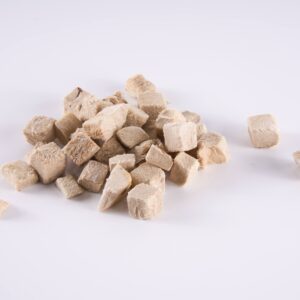
This is especially useful for natural pet treats, handmade-style treats, freeze-dried meat cubes, wrapped treats, and products with irregular shapes. Natural ingredients may vary slightly, so experienced inspection helps maintain a better final presentation.
For wholesalers and retailers, this improves not only safety but also shelf appeal. A cleaner, more consistent product is easier to sell and less likely to generate complaints.
6. Factory Management Systems Support Long-Term Safety
Product safety is not only about equipment. It also depends on management.
Professional pet treat manufacturers usually operate with structured food safety management systems. These systems may include raw material approval, supplier evaluation, production records, quality inspection procedures, sanitation records, equipment maintenance, pest control, employee training, batch traceability, and corrective action procedures.
For international buyers, certifications and audits are important reference points. Certifications such as ISO-based food safety systems, BRC, IFS, HACCP-based controls, or other recognized factory audits can help buyers evaluate whether a manufacturer has systematic safety management.
However, buyers should not only ask, “Do you have certificates?” They should also ask how the factory applies those systems in real production.
Useful questions include:
- How do you inspect incoming raw materials?
- How do you control moisture and shelf life?
- Do you provide batch production records?
- Can you support third-party testing?
- How do you handle non-conforming products?
- Can each order be traced back to raw material batches?
7. Laboratory Testing Verifies Product Safety
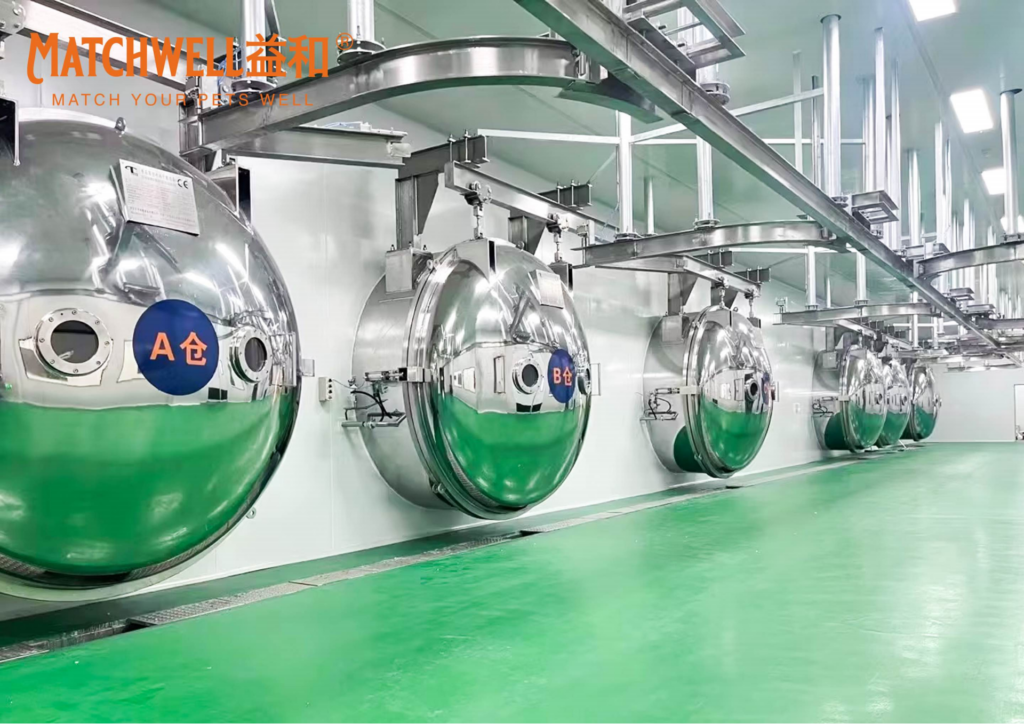
Testing is one of the most important parts of pet treat safety control. Depending on the product type and destination market, testing may include microbiological indicators, moisture, water activity, heavy metals, nutritional values, additives, and other safety-related items.
For pet treats, moisture and water activity are especially important because they affect shelf stability. Products with improper moisture control may be more likely to spoil, change texture, or develop quality issues during storage and shipping.
Microbiological testing is also critical. Pet treats are handled by pet owners and consumed by animals, so factories must control microbial risk during processing and packaging.
For private label and wholesale pet treat orders, buyers may request factory internal test reports, third-party lab reports, nutritional analysis, shelf-life testing, microbiological testing, export-related documents, and certificate of analysis by batch.
A responsible manufacturer should be able to explain what tests are required for different product types and target markets.
8. Freeze-Dried Treats Require Strict Freshness and Moisture Control
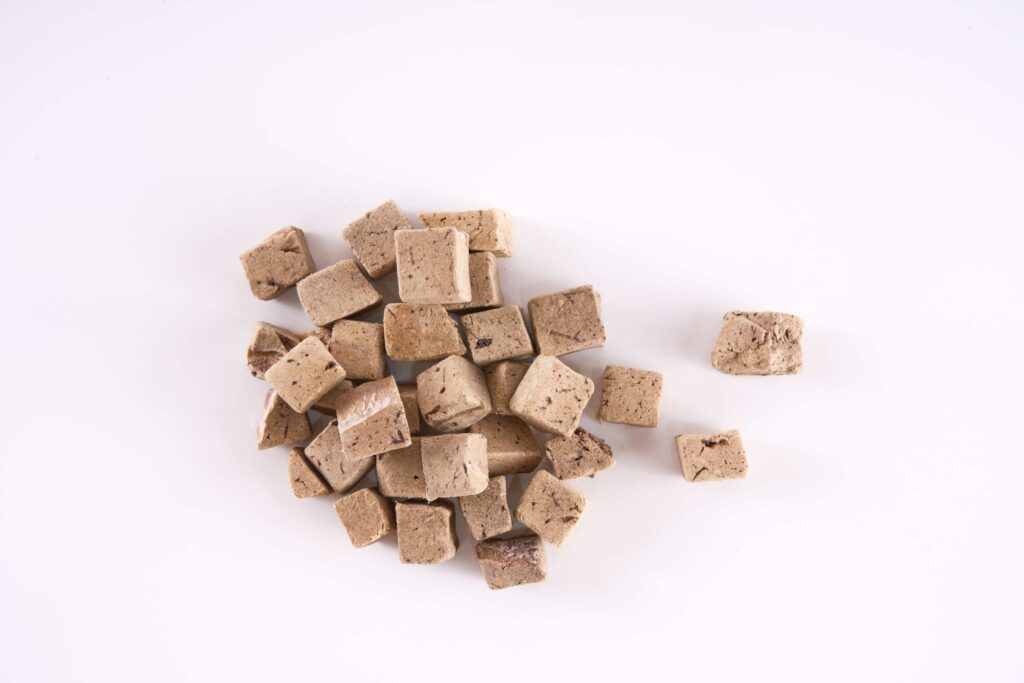
Freeze-dried pet treats are popular because they can preserve natural flavor, texture, and nutrition. But they also require strict production control.
The process usually involves raw material preparation, freezing, vacuum freeze-drying, sorting, inspection, and packaging. The main safety points include raw material freshness, freezing speed, drying parameters, moisture control, and packaging protection.
If freeze-dried treats are not dried properly, shelf life may be affected. If packaging does not provide sufficient protection, the product may absorb moisture after packing. That is why professional manufacturers control both production and packaging conditions carefully.
For buyers sourcing wholesale freeze-dried dog treats or cat treats, it is important to confirm whether the manufacturer can control freshness, drying consistency, product breakage, packaging sealing, and batch testing.

9. Sorting and Final Inspection Protect the Finished Product
Before products enter final packaging, manufacturers usually perform sorting and final inspection. This step helps ensure that only qualified products are packed.
Final inspection may include appearance check, weight check, size check, moisture check, foreign matter check, metal detection, packaging material check, label verification, and batch number confirmation.
For pet treats sold online, product consistency is extremely important. If customers receive products that look different from the product image, reviews may suffer. If the product has broken pieces, abnormal odor, or unstable texture, repeat purchase may decline.
Final inspection helps reduce these risks before shipment.
10. Foreign Matter Control Is Essential
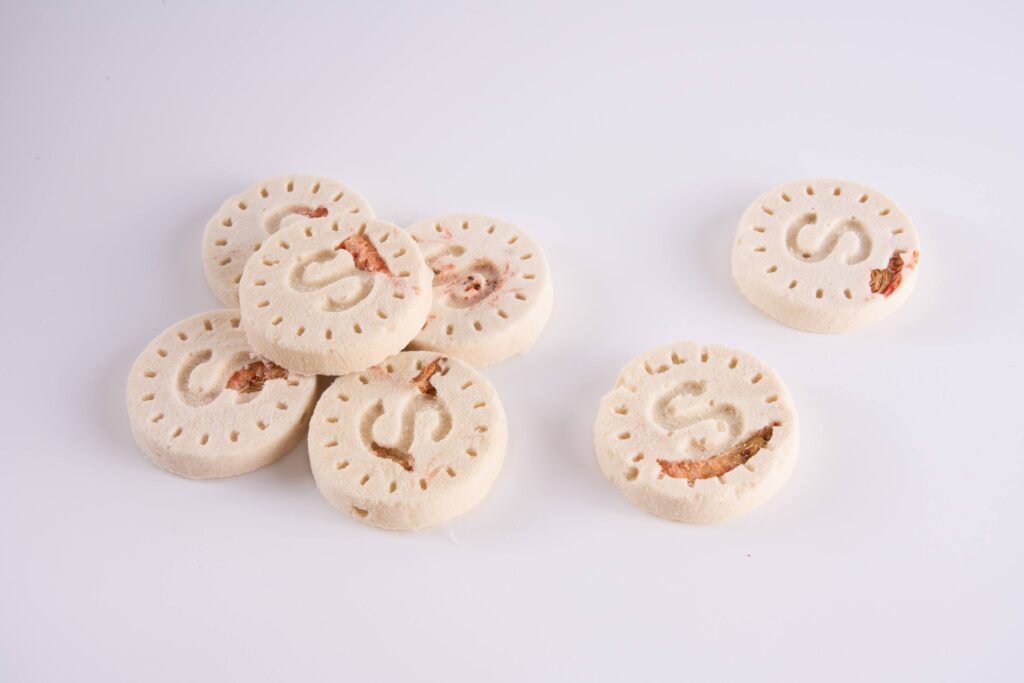
Foreign matter control is a key safety requirement in food and pet food manufacturing. Professional pet treat manufacturers use multiple control points to reduce the risk of contamination.
These may include raw material screening, visual inspection, equipment cleaning, magnets, sieving, metal detection, and packaging inspection.
Metal detection is especially important in factories using cutting, grinding, mixing, forming, drying, or packaging equipment. Even a small risk must be controlled before products leave the factory.
For B2B buyers, it is reasonable to ask whether the factory uses metal detection and whether inspection records can be provided for each batch.
11. Packaging Safety Protects Products During Storage and Shipping
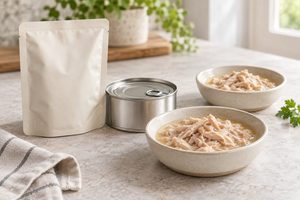
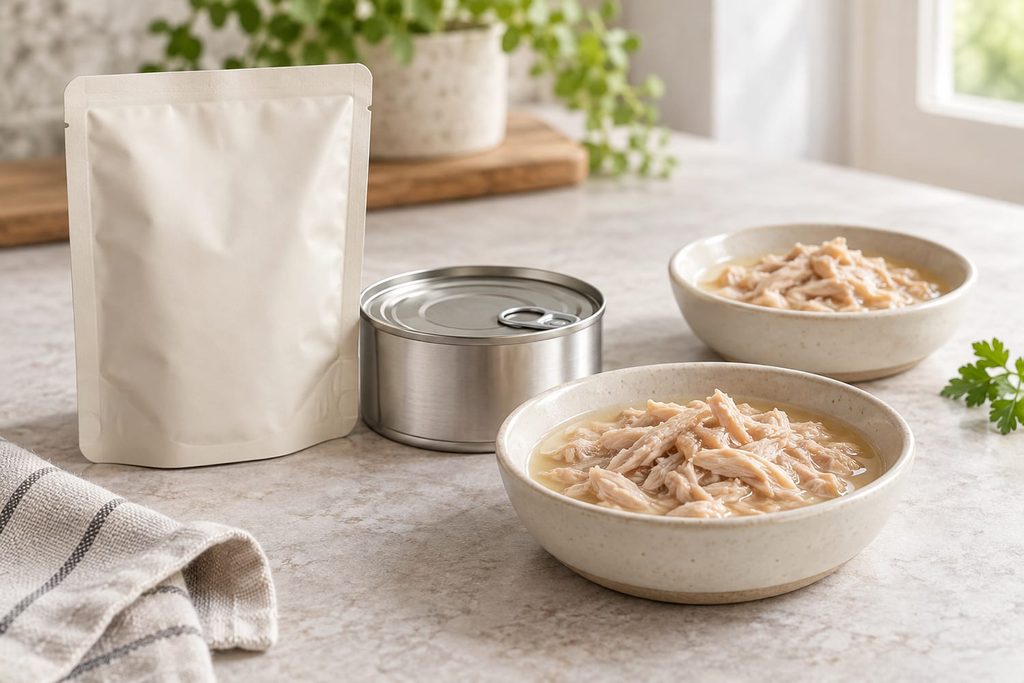
Packaging is not only for branding. It also protects pet treats from moisture, oxygen, light, contamination, and physical damage.
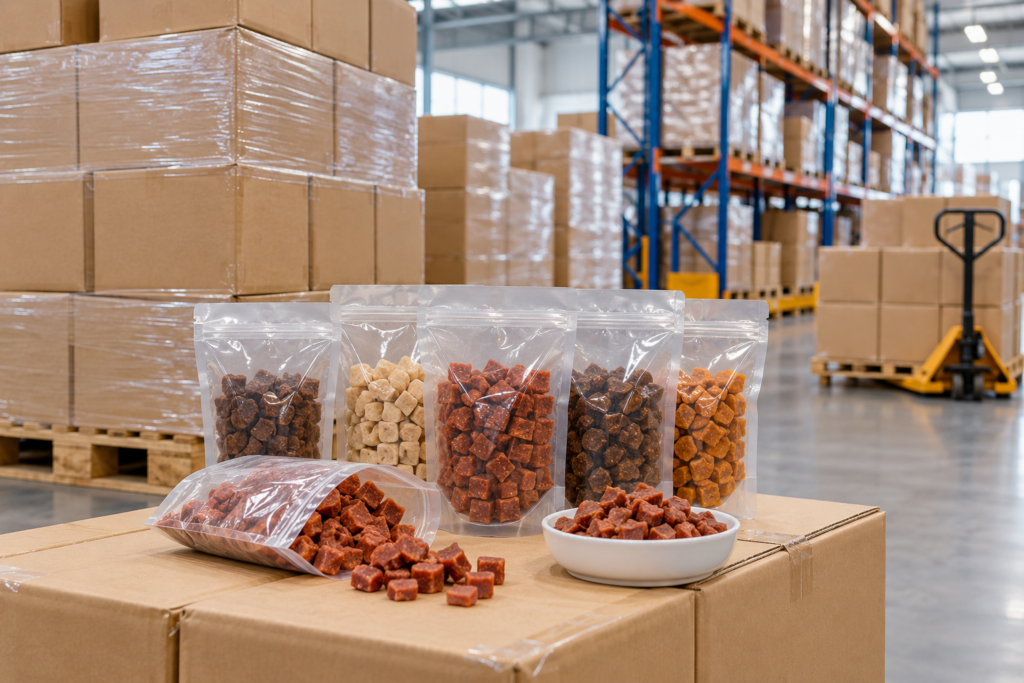
For different product types, manufacturers may recommend different packaging structures. Freeze-dried treats often need strong moisture protection. Jerky treats may require good sealing and oxygen control. Soft treats may need packaging that supports freshness and shelf stability. Individually wrapped treats require stable sealing and accurate counting.
Packaging safety control includes checking packaging material quality, bag thickness and barrier performance, seal strength, label accuracy, batch code printing, net weight, carton strength, and storage condition.
For importers and retailers, packaging mistakes can create serious problems. Incorrect labels, missing batch codes, weak sealing, or poor carton protection may affect compliance, shelf life, and customer experience.
A professional OEM/ODM pet treat manufacturer should review packaging before mass production and confirm all details with the buyer.
12. Traceability Allows Fast Problem Solving
Traceability means that each finished product batch can be traced back to its raw materials, production date, production line, inspection records, packaging materials, and shipment details.
This is critical for product safety management. If a problem occurs, the manufacturer can quickly identify which batch is affected and what caused the issue.
Good traceability systems usually include raw material batch records, production batch numbers, inspection reports, packaging records, warehouse records, shipment records, and retained samples.
For wholesale pet treat buyers, traceability reduces business risk. It also shows that the factory is prepared for long-term cooperation, not just one-time production.
13. Retained Samples Help Verify Future Quality Issues
Many professional pet treat manufacturers keep retained samples from each production batch. These samples can be used for later comparison if a buyer reports a quality issue.
For example, if a distributor says a product changed color after arrival, the factory can compare it with the retained sample. If a customer reports texture differences, the retained sample helps determine whether the issue came from production, storage, transportation, or local handling.
Retained samples are an important part of responsible quality management. They help manufacturers and buyers solve problems based on evidence, not guesswork.
14. Product Safety Also Means Pet-Friendly Formulation
Safety is not only about avoiding contamination. It also includes responsible formulation.
Pet treats should be designed according to the needs of dogs and cats. Ingredients should be appropriate for pets, and formulas should avoid unsafe or unsuitable components. Functional ingredients should be used at reasonable levels. Texture should also match the target pet group.
For example, puppy treats, senior dog treats, dental chews, cat treats, training treats, and freeze-dried meat treats may require different formulation logic.
For private label buyers, this is where a manufacturer’s R&D experience becomes valuable. A good manufacturer can help buyers develop products that are safe, marketable, and suitable for the target audience.
15. Employee Training Keeps Safety Standards Consistent
Even with advanced equipment, people are still a key part of production safety. Workers must understand hygiene rules, production procedures, equipment operation, product inspection standards, and emergency handling procedures.
Regular training helps reduce mistakes. It also ensures that new workers follow the same standards as experienced workers.
In a pet treat factory, training may cover personal hygiene, protective clothing requirements, handwashing procedures, raw material handling, cross-contamination prevention, equipment cleaning, product inspection, foreign matter control, packaging checks, and batch record completion.
For buyers, a trained production team means more stable output and fewer quality problems.
16. Storage and Transportation Must Be Controlled
Even safe products can become risky if storage and shipping are not managed properly.
Pet treats should be stored under suitable temperature and humidity conditions. Products should be protected from moisture, pests, odor contamination, direct sunlight, and physical damage. Finished goods should be clearly labeled and separated by batch.
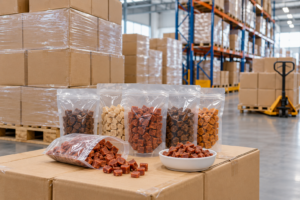
For export orders, carton strength, palletizing, container loading, and shipping time also matter. Products may travel long distances before reaching the buyer’s warehouse, so the manufacturer must consider real transportation conditions.
For freeze-dried products, moisture protection is especially important. For soft treats, temperature and shelf-life control may be more sensitive. For bulk wholesale orders, carton and pallet protection help reduce breakage during transportation.
17. Why Product Safety Matters for Wholesale and Private Label Buyers
For wholesalers, distributors, and private label brands, product safety affects the whole business chain.
A safe and consistent product can help buyers build trust with retailers, online customers, supermarkets, and pet owners. It can reduce complaints, returns, negative reviews, and regulatory risks.
Unsafe or inconsistent products can create serious consequences, including customer claims, product recalls, import delays, platform penalties, brand reputation damage, and lost retail opportunities.
That is why buyers should evaluate pet treat manufacturers carefully before placing large orders. The lowest price is not always the best choice. A reliable factory should provide stable quality, clear communication, safety documentation, and professional production control.
18. What Buyers Should Ask Before Choosing a Pet Treat Manufacturer
Before choosing a dog treats manufacturer, cat treats manufacturer, or private label pet treat factory, buyers should ask practical safety-related questions.
- What raw material inspection procedures do you use?
- Do you have a supplier approval system?
- How do you control moisture and water activity?
- Do you provide batch test reports?
- Can you support third-party testing?
- Do you use metal detection?
- How do you prevent cross-contamination?
- What certifications or audits does your factory have?
- Can you provide production traceability?
- Do you keep retained samples?
- How do you handle quality complaints?
- Can you customize packaging according to export market requirements?
19. A Reliable Manufacturer Builds Safety Into Every Step
Product safety is not achieved by one certificate, one inspection, or one promise. It is built through daily operations.
A professional pet treat manufacturer should control raw materials, production hygiene, equipment, processing parameters, worker training, testing, packaging, storage, and shipment. Every step must work together.
For B2B buyers, this is the difference between a simple supplier and a long-term manufacturing partner.
When a factory has strong safety control, buyers can focus more on brand growth, product development, sales channels, and market expansion. They do not need to worry constantly about unstable quality or hidden safety risks.
FAQ: Pet Treat Product Safety
1. Why is product safety important when sourcing pet treats?
Product safety protects pets, pet owners, and the buyer’s brand reputation. For wholesalers, retailers, and private label brands, unsafe products may lead to complaints, recalls, negative reviews, and lost customer trust.
2. How do pet treat manufacturers control raw material safety?
Manufacturers control raw material safety through approved suppliers, incoming inspection, batch records, freshness checks, and necessary testing. Meat-based and freeze-dried treats usually require especially strict raw material control.
3. What tests are commonly used for pet treats?
Common tests may include moisture, water activity, microbiological testing, nutritional analysis, heavy metals, and other product-specific safety checks. The exact testing depends on product type and target market requirements.
4. Why is moisture control important for pet treats?
Moisture affects shelf life, texture, and product stability. If moisture is too high, the risk of spoilage or quality change may increase. This is especially important for jerky treats, freeze-dried treats, and soft treats.
5. What should buyers check before choosing a pet treat manufacturer?
Buyers should check factory hygiene, certifications, raw material control, testing ability, traceability, packaging control, production experience, and whether the manufacturer can provide clear documentation for each order.
Final Thoughts
Product safety is the foundation of successful pet treat manufacturing. For buyers sourcing wholesale pet treats, private label dog treats, cat treats, freeze-dried treats, jerky treats, or OEM pet snacks, choosing the right manufacturer means choosing a partner that can protect both product quality and brand reputation.
A reliable manufacturer does not only produce treats. It controls every detail behind the product: raw materials, hygiene, processing, testing, packaging, traceability, and shipment.
For pet brands and distributors, that level of control is what turns one order into long-term cooperation.
Looking for a reliable pet treat manufacturer for wholesale or private label projects? Contact Matchwell to discuss OEM/ODM pet treat solutions, sample development, packaging options, and product safety requirements for your target market.