
What Certifications Should a Dog Treat Factory Have?
Finding the right dog treat manufacturer is about much more than comparing prices. Whether you’re launching a private label pet treats brand, expanding your product line, or sourcing wholesale dog treats for retail, choosing a factory with the right certifications is one of the most important decisions you’ll make.
Manufacturing certifications demonstrate that a factory follows internationally recognized standards for food safety, quality management, traceability, sanitation, and continuous improvement. They also reduce business risks, simplify import procedures, and increase consumer confidence in your products.
Unfortunately, many buyers focus only on certifications printed on a supplier’s website without understanding what they actually mean—or which ones truly matter for their target market.
This guide explains the most important certifications a dog treat factory should have, what each certification covers, and how to evaluate whether a manufacturer is genuinely qualified to produce safe, high-quality pet treats.
Why Certifications Matter When Choosing a Dog Treat Factory
Dog treats are considered pet food products, meaning they are subject to strict regulations in most countries. A certified manufacturing facility helps ensure:

- Consistent product quality
- Safe ingredient sourcing
- Hygienic production environments
- Complete batch traceability
- Effective allergen management
- Reliable export documentation
- Compliance with international regulations
For private label buyers, certifications also reduce the risk of product recalls, shipment delays, customs issues, and damage to brand reputation.
The Most Important Certifications Every Dog Treat Factory Should Have
1. ISO 22000 – Food Safety Management System
ISO 22000 is one of the world’s most recognized food safety management standards.
It combines:
- HACCP principles
- Risk management
- Food safety controls
- Continuous improvement
- Supply chain management
An ISO 22000-certified factory has established documented procedures that help identify, monitor, and control food safety risks throughout the manufacturing process.
Benefits for buyers
- Standardized production
- Better process consistency
- Lower contamination risk
- International recognition
2. BRCGS Certification
BRCGS (formerly BRC Food Safety Standard) is considered one of the highest-level certifications for food manufacturing facilities.
Many supermarkets and retailers in Europe and the UK require suppliers to hold BRCGS certification before doing business.
BRCGS focuses heavily on:
- Product safety
- Factory hygiene
- Equipment maintenance
- Employee training
- Supplier approval
- Risk assessment
- Product integrity
For brands targeting premium retail markets, BRCGS certification often serves as a strong indicator of manufacturing excellence.
3. IFS Food Certification
IFS (International Featured Standards) is another globally recognized certification widely accepted across Europe.
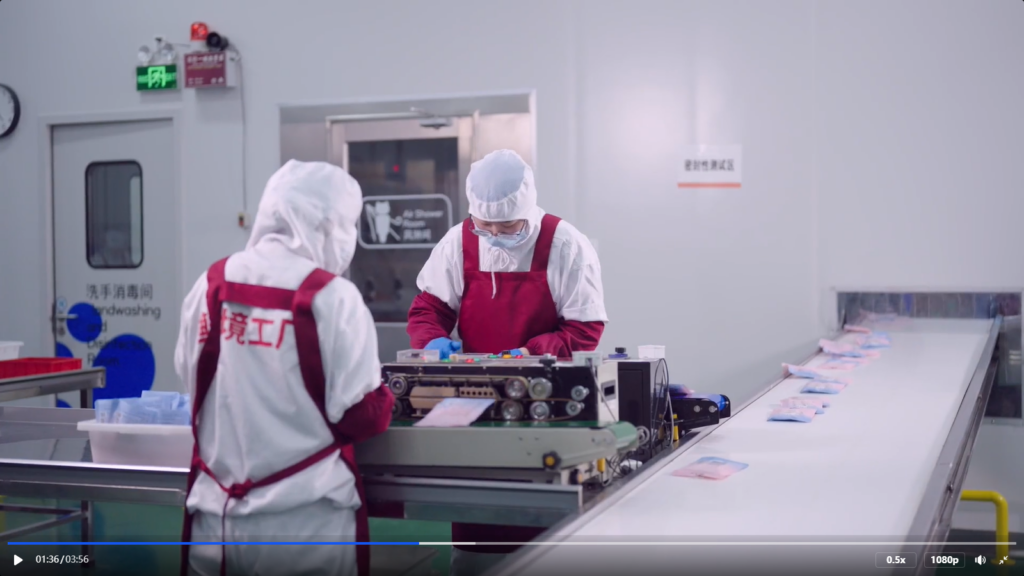
IFS evaluates both:
- Food safety
- Product quality
Unlike some certifications that mainly assess documentation, IFS also places strong emphasis on operational performance and production consistency.
Factories certified under IFS typically undergo rigorous third-party audits to verify compliance with strict manufacturing requirements.
4. HACCP Certification
HACCP (Hazard Analysis and Critical Control Points) forms the foundation of modern food safety systems.
Instead of relying only on final product testing, HACCP focuses on preventing hazards before they occur.
It identifies critical control points during production, including:
- Raw material receiving
- Ingredient storage
- Mixing
- Cooking
- Drying
- Packaging
- Finished goods storage
By controlling risks at every stage, manufacturers can significantly reduce the likelihood of contamination.
5. GMP (Good Manufacturing Practices)
Good Manufacturing Practices establish the daily operating standards necessary for safe food production.
GMP covers areas such as:
- Employee hygiene
- Facility cleanliness
- Equipment maintenance
- Pest control
- Water quality
- Production documentation
- Staff training
Although GMP alone is not sufficient, it provides the operational foundation that supports more advanced certifications like ISO 22000 and BRCGS.
6. FDA Registration (Essential for the U.S. Market)
If you plan to sell dog treats in the United States, working with an FDA-registered factory is highly recommended.
The U.S. Food and Drug Administration (FDA) oversees imported pet food facilities to help ensure they meet applicable food safety regulations. While FDA registration itself is not a quality certification, it demonstrates that the manufacturing facility is registered with the agency and subject to relevant regulatory requirements.
A professional dog treat factory exporting to the U.S. should be familiar with:
- FDA facility registration
- Current Good Manufacturing Practices (CGMP)
- Food Safety Modernization Act (FSMA)
- Preventive Controls for Animal Food
- Export documentation requirements
Why it matters
Choosing a factory that regularly exports to the U.S. often means smoother customs clearance, more complete documentation, and greater familiarity with U.S. compliance expectations.
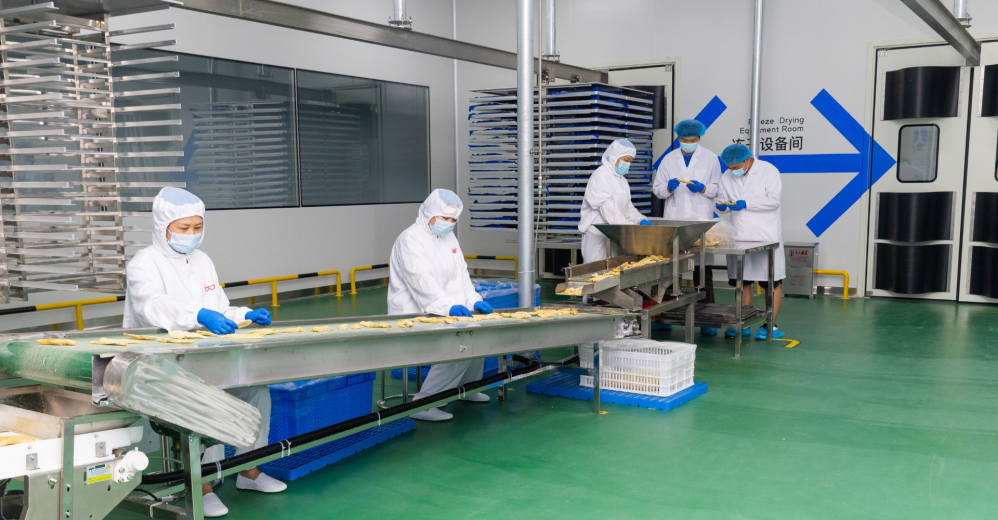
7. FSSC 22000
FSSC 22000 is an advanced food safety certification built upon ISO 22000 and recognized by the Global Food Safety Initiative (GFSI).
Compared with ISO 22000 alone, FSSC 22000 includes additional requirements covering:
- Food defense
- Food fraud prevention
- Supplier management
- Environmental monitoring
- Equipment validation
- Risk-based thinking
Many multinational retailers and premium pet food brands prefer manufacturers certified to FSSC 22000 because it demonstrates a mature food safety management system.
8. USDA Organic Certification
If you’re developing an organic dog treat line for the U.S. market, USDA Organic certification is one of the most valuable credentials.
A USDA Organic-certified manufacturer must follow strict requirements regarding:
- Organic ingredient sourcing
- Storage segregation
- Production procedures
- Cleaning protocols
- Documentation
- Annual inspections
Products labeled as organic must meet specific organic content requirements established by USDA regulations.
Ideal for
- Organic pet brands
- Premium retailers
- Natural pet stores
- Eco-conscious consumers
9. EU Organic Certification
For brands targeting Europe, EU Organic certification plays a similar role.
An EU-certified manufacturer demonstrates compliance with European organic production standards, including:
- Approved organic ingredients
- Sustainable agricultural sourcing
- Traceability
- Processing requirements
- Independent certification audits
If Europe is your primary export market, this certification adds considerable value to your products.
10. Third-Party Laboratory Testing
Certifications verify that a factory operates under recognized management systems, but independent laboratory testing provides additional assurance that finished products meet quality and safety specifications.
Leading manufacturers typically work with internationally recognized laboratories for routine testing.

Common tests include:
- Microbiological analysis
- Heavy metals
- Pesticide residues
- Mycotoxins
- Nutritional composition
- Moisture content
- Shelf-life validation
- Pathogen testing (such as Salmonella)
Third-party reports provide objective evidence that products meet agreed quality standards before shipment.
11. Traceability System
One of the most overlooked capabilities is a factory’s traceability system.
A qualified manufacturer should be able to trace every batch from finished product back to its raw materials.
A complete traceability system records:
- Ingredient suppliers
- Batch numbers
- Production dates
- Equipment used
- Operators involved
- Packaging materials
- Quality inspection records
- Shipment information
If an issue occurs, affected products can be identified quickly, minimizing business disruption.
Certifications Comparison Table
| Certification | Purpose | Recommended For |
|---|---|---|
| ISO 22000 | Food safety management | All international buyers |
| BRCGS | Premium food safety standard | UK & European retailers |
| IFS Food | Food safety and quality | European private label brands |
| HACCP | Hazard prevention | All manufacturers |
| GMP | Manufacturing best practices | All factories |
| FDA Registration | U.S. regulatory compliance | U.S. market exports |
| FSSC 22000 | GFSI-recognized food safety | Global premium brands |
| USDA Organic | Organic production | U.S. organic brands |
| EU Organic | Organic compliance | European organic market |
| Third-Party Testing | Product verification | Every OEM project |
Questions to Ask Before Choosing a Dog Treat Factory
Before signing a manufacturing agreement, ask potential suppliers these questions:
Do you hold internationally recognized certifications?
Request copies of current certificates and verify that they are still valid.
Who issues your certifications?
Independent certification bodies generally provide greater credibility than internal assessments.
How often are audits conducted?
Regular third-party audits indicate that quality systems are actively maintained rather than implemented only once.
Can you provide recent laboratory test reports?
Review testing results for microbiological safety, contaminants, and nutritional analysis.
Do you have full batch traceability?
The factory should be able to trace every finished product back to its ingredient sources within a short period of time.
What export markets do you currently serve?
Manufacturers already exporting to the U.S., Europe, Australia, Japan, or other regulated markets are often more familiar with international compliance requirements.
Red Flags to Watch Out For
Not every factory advertising certifications actually maintains high standards.
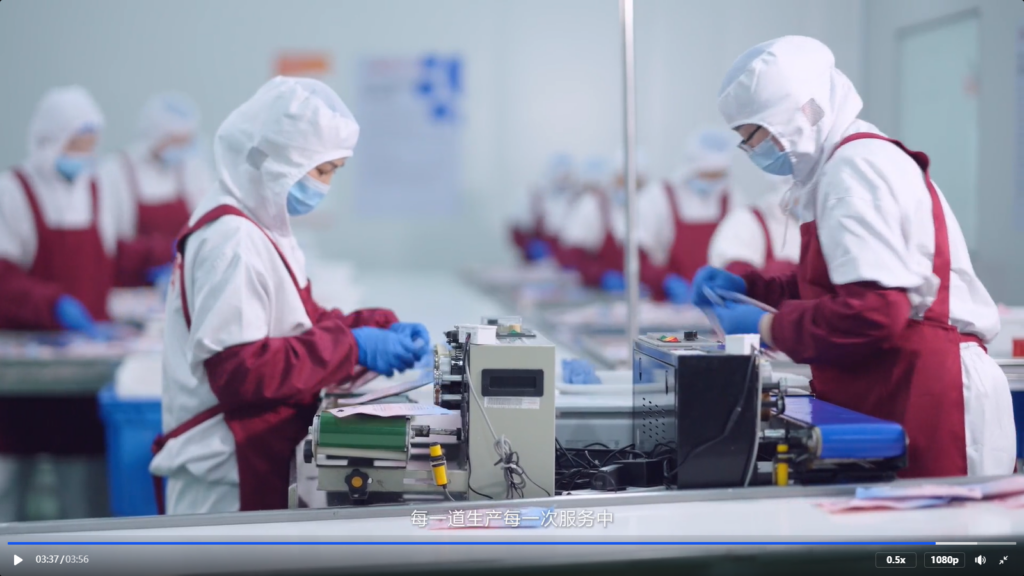
Be cautious if a supplier:
- Refuses to provide certification copies
- Shares expired certificates
- Cannot explain its quality control process
- Lacks third-party laboratory reports
- Offers unusually low prices without documentation
- Cannot explain ingredient traceability
- Has no experience exporting to your target market
Remember, certifications should support a well-managed quality system—they should not be the only factor in your supplier evaluation.
How Matchwell Ensures Quality Through International Certifications
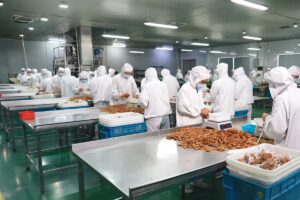
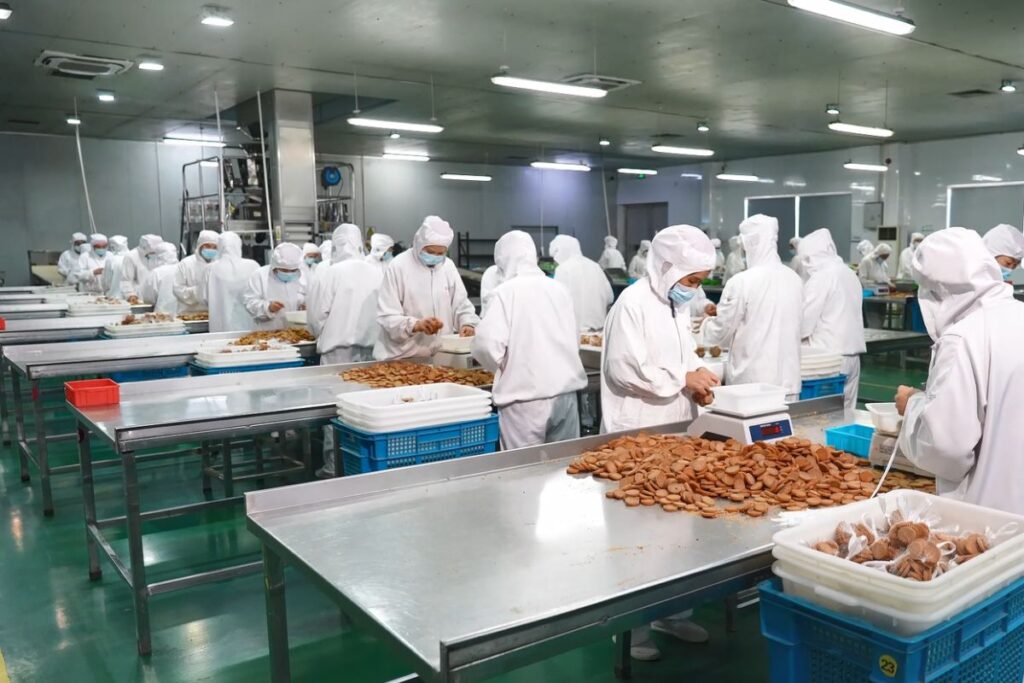
At Matchwell, food safety is built into every stage of the manufacturing process—not just verified at the end. As an OEM and private label dog treat manufacturer serving customers worldwide, we understand that international buyers need more than competitive pricing. They need a reliable production partner with documented quality systems and consistent execution.
Our manufacturing facilities operate under internationally recognized food safety management systems, including:
- ISO 22000 Food Safety Management System
- BRCGS Global Standard for Food Safety
- IFS Food Certification
To further strengthen quality assurance, we also work with independent laboratories such as SGS and Intertek for third-party testing when required by customers or destination markets.
Every production batch follows strict procedures for:
- Approved raw material sourcing
- Incoming material inspection
- Production process monitoring
- Metal detection
- Packaging inspection
- Finished product testing
- Batch traceability
- Shipment documentation
Whether you’re launching a new private label dog treat brand or expanding an existing product line, our goal is to deliver products that meet international food safety expectations and help your brand grow with confidence.
Certifications Alone Are Not Enough
While certifications are an important indicator of a factory’s capabilities, they do not tell the whole story.
A factory may hold several certifications but still struggle with issues such as inconsistent quality, poor communication, or limited product development capabilities.
When evaluating a manufacturing partner, consider the following factors alongside certifications.
Product Development Capability
Can the factory help develop custom recipes based on your market?
Look for manufacturers that can support:
- Grain-free formulations
- Limited ingredient recipes
- Functional treats
- Organic products
- Freeze-dried treats
- Dental treats
- Training treats
Strong R&D capabilities allow your brand to differentiate itself rather than competing solely on price.
Quality Control System
Ask how quality is monitored during production—not just after production.
A mature quality control program typically includes:
- Incoming ingredient inspection
- In-process quality checks
- Metal detection
- Moisture monitoring
- Microbiological testing
- Packaging verification
- Final product approval
Factories that identify problems during production can reduce waste and ensure more consistent quality.
Supply Chain Stability
Reliable manufacturers maintain long-term relationships with qualified ingredient suppliers.
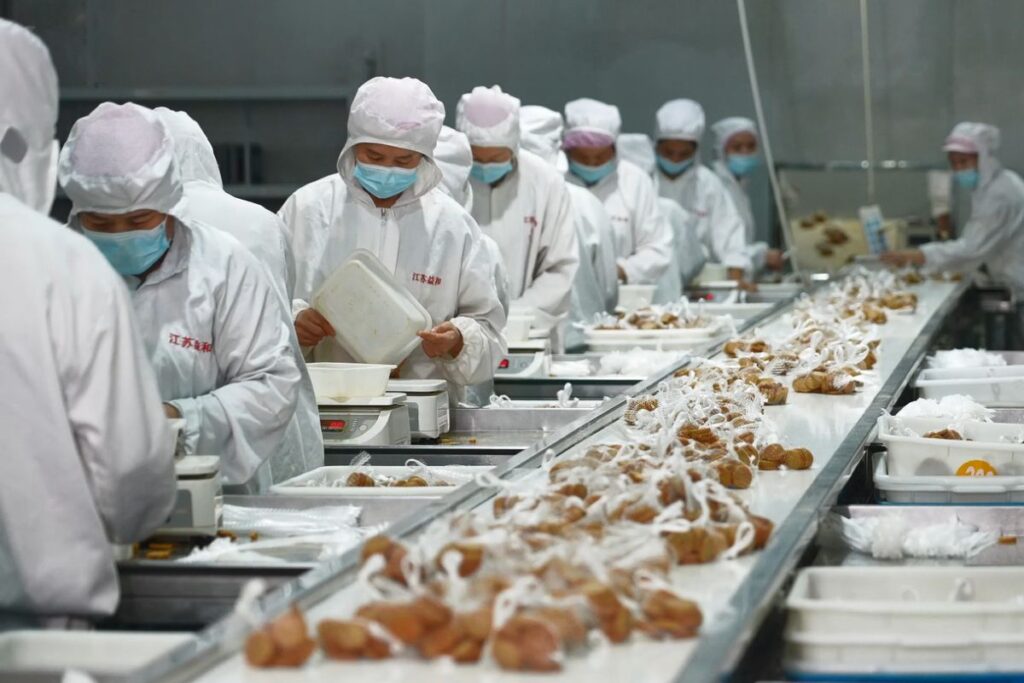
Stable sourcing helps ensure:
- Consistent ingredient quality
- Better pricing
- Reduced production delays
- Greater traceability
This is especially important for brands planning long-term product launches or recurring purchase orders.
Export Experience
International certifications are valuable, but export experience is equally important.
An experienced export manufacturer understands:
- Country-specific labeling requirements
- Customs documentation
- Packaging regulations
- Shipping logistics
- Import compliance
Choosing a supplier with proven export experience reduces unnecessary delays and compliance risks.
How to Verify a Factory’s Certifications
Never rely solely on certification logos displayed on a supplier’s website.
Before placing an order, take these additional steps.
Request Current Certificates
Ensure the certificates are valid and have not expired.
Verify the Certification Body
Check whether the certificate was issued by an accredited certification organization.
Review the Scope
Confirm that the certification specifically covers pet food or pet treat manufacturing rather than unrelated products.
Ask About Audit Frequency
Professional factories undergo regular surveillance audits to maintain certification.
Review Testing Reports
Request recent laboratory reports for products similar to the ones you intend to purchase.
Conduct a Factory Audit
If possible, arrange either:
- An on-site audit
- A virtual factory inspection
- A third-party audit
Seeing the production process firsthand often provides more insight than paperwork alone.
Featured Snippet
What certifications should a dog treat factory have?
A reliable dog treat factory should ideally hold internationally recognized certifications such as ISO 22000, BRCGS, IFS Food, HACCP, and GMP. If exporting to the United States, FDA registration is also important. For organic products, USDA Organic or EU Organic certifications are valuable. In addition, reputable manufacturers should provide third-party laboratory testing reports and maintain complete product traceability to ensure food safety and consistent quality.
Frequently Asked Questions
Is FDA registration enough when choosing a dog treat manufacturer?
No. FDA registration is an important regulatory requirement for facilities exporting to the United States, but it does not replace comprehensive food safety certifications such as ISO 22000 or BRCGS.
Which certification is most important for exporting to Europe?
Many European retailers recognize BRCGS and IFS Food certifications as key indicators of high food safety and quality standards.
Do all private label dog treat manufacturers need ISO 22000?
While not legally required in every country, ISO 22000 is widely recognized and demonstrates that a manufacturer follows an internationally accepted food safety management system.
What is the difference between HACCP and ISO 22000?
HACCP focuses on identifying and controlling food safety hazards during production. ISO 22000 incorporates HACCP principles while adding management system requirements, documentation, communication, and continuous improvement.
Should I request laboratory test reports?
Yes. Third-party laboratory reports provide independent verification of product safety, nutritional composition, and compliance with customer specifications.
How can I verify whether a certification is genuine?
Request a copy of the certificate, check its validity date, verify the issuing certification body, and confirm that the certification scope includes pet food or pet treat manufacturing.
Are organic certifications necessary for all dog treats?
No. Organic certifications are only required if products are marketed as organic or intended for consumers seeking certified organic pet food.
Can a factory have good products without certifications?
Some smaller manufacturers may produce quality products, but internationally recognized certifications provide greater assurance of consistent processes, documented quality management, and regulatory compliance—especially for export markets.
Conclusion
Choosing the right dog treat factory is about building a long-term partnership based on quality, transparency, and trust. While price is always a consideration, certifications offer valuable evidence that a manufacturer follows internationally recognized standards for food safety and quality management.
When evaluating suppliers, look beyond the certificate itself. Consider the factory’s production capabilities, quality control systems, traceability, export experience, and willingness to provide documentation. A reliable manufacturing partner should be able to answer your questions confidently and support your brand’s growth with consistent, safe, and compliant products.
By selecting a certified and experienced dog treat manufacturer, you reduce business risk, improve product quality, and strengthen consumer confidence in your brand.
Request a Trusted Private Label Dog Treat Manufacturing Partner
At Matchwell, we help brands worldwide develop premium private label dog treats backed by internationally recognized food safety systems and rigorous quality control.
Whether you’re sourcing training treats, freeze-dried treats, dental chews, jerky, or functional recipes, our experienced team can support you from product development through production and export.
Contact us today to request product samples, discuss your OEM requirements, or receive a customized quotation for your next private label dog treat project.