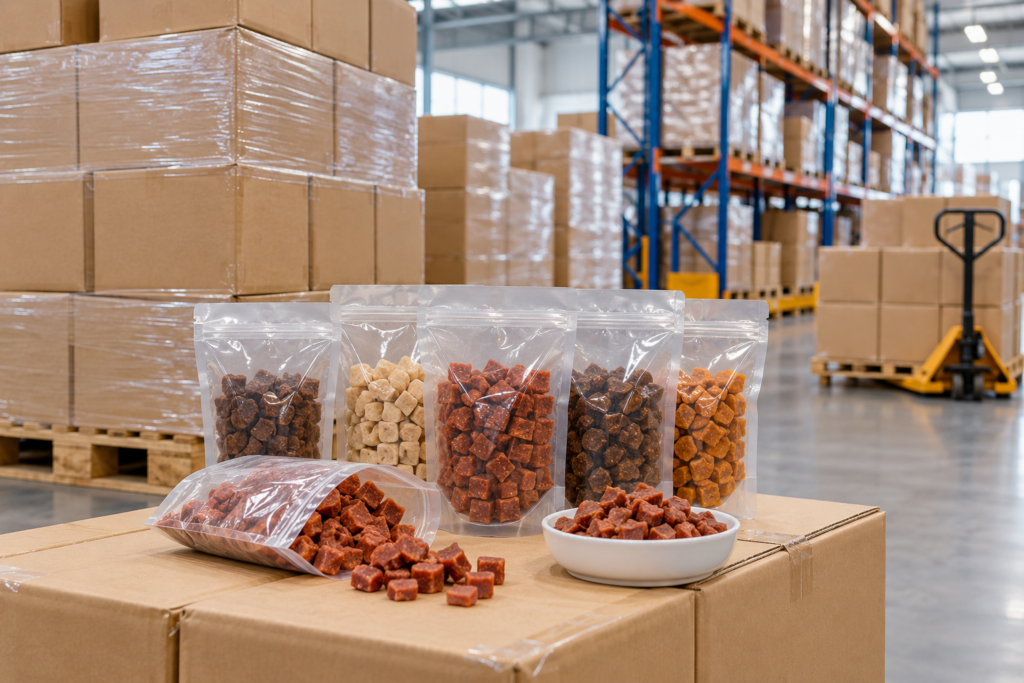

Secondary Keywords
- private label cat treats
- cat treat manufacturer
- OEM cat treats
- custom cat treats
- cat treat production
- cat snack manufacturing
- private label pet treats
- cat treat factory
Private Label Cat Treat Manufacturing Process: From Formula Development to Finished Products
The global cat treat market continues to expand as pet owners seek healthier, functional, and premium products for their cats. For distributors, retailers, Amazon sellers, and emerging pet brands, private label cat treats offer an efficient way to enter the market without building their own manufacturing facilities.
However, many buyers wonder what happens behind the scenes before a finished cat treat reaches store shelves.
This guide explains the complete private label cat treat manufacturing process, from concept development to final packaging, helping brands better understand how professional manufacturers deliver safe, consistent, and market-ready products.
What Is Private Label Cat Treat Manufacturing?
Private label cat treat manufacturing is a business model in which a specialized pet treat factory produces products that are sold under another company’s brand name.
The manufacturer handles:
- Formula development
- Ingredient sourcing
- Production
- Quality control
- Packaging
- Export documentation
Meanwhile, the brand owner focuses on:
- Marketing
- Distribution
- Sales
- Customer relationships
This approach significantly reduces investment costs while accelerating product launches.
Step 1: Product Concept and Market Research
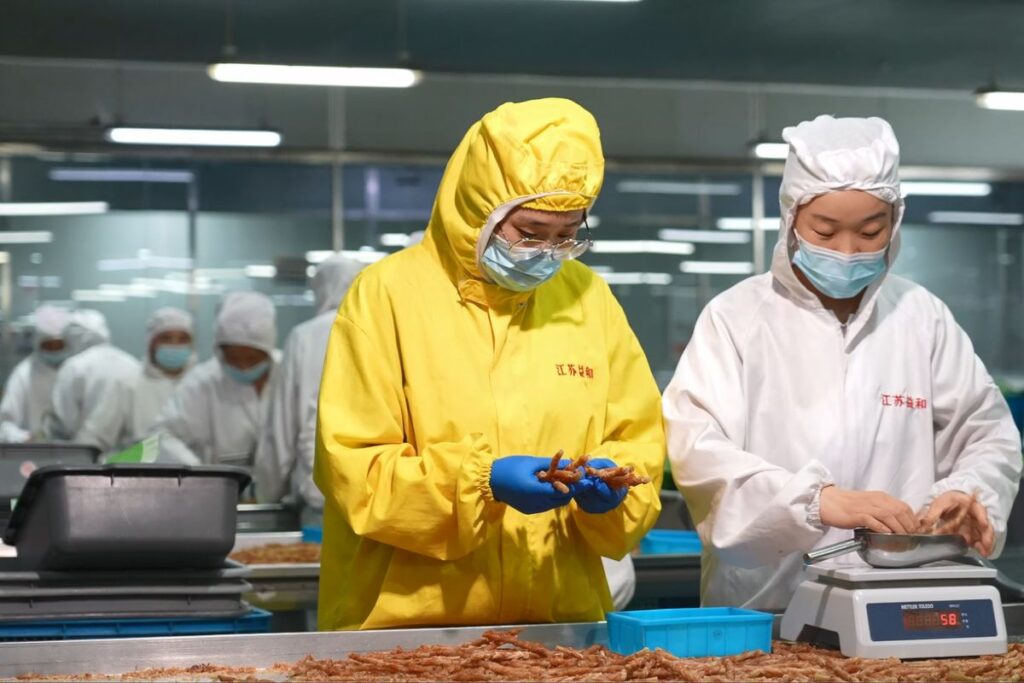
Every successful cat treat begins with understanding the target market.
Manufacturers work with clients to determine:
Target Cat Demographic
- Kittens
- Adult cats
- Senior cats
- Indoor cats
- Weight management cats
Product Type
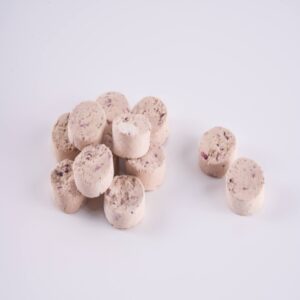
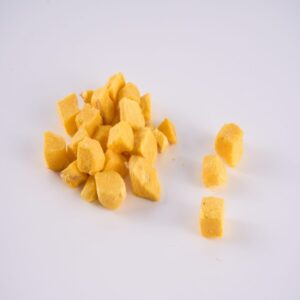
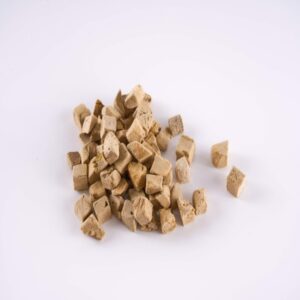
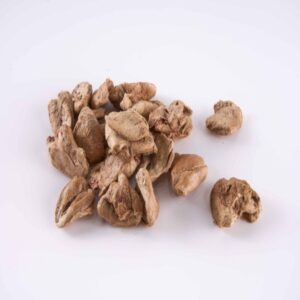
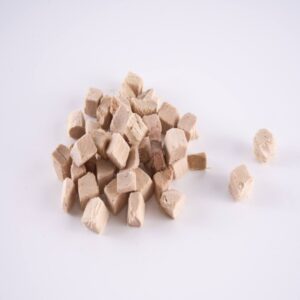
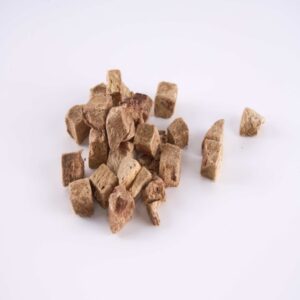
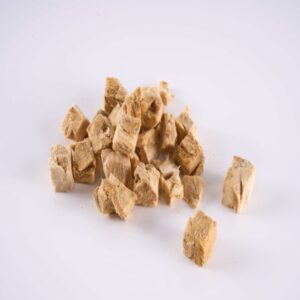
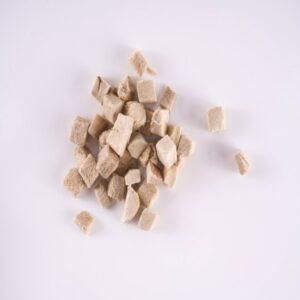
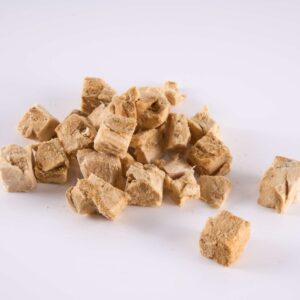
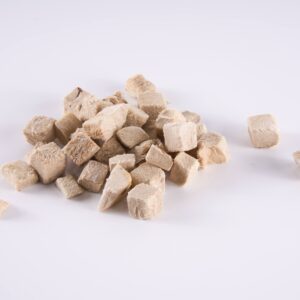
- Freeze-dried cat treats
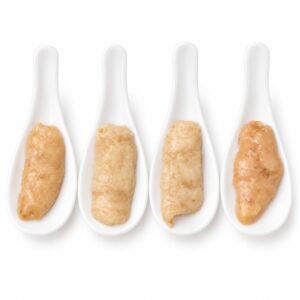
- Soft cat treats
- Jerky treats
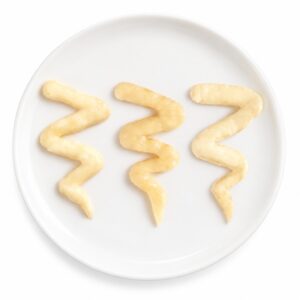
- Creamy cat treats
- Functional cat treats
- Dental treats
Functional Claims
Popular functional categories include:
- Hairball control
- Skin and coat support
- Digestive health
- Immune support
- Joint care
- Urinary health
Understanding consumer demand early helps create products that stand out in a competitive marketplace.
Step 2: Formula Development
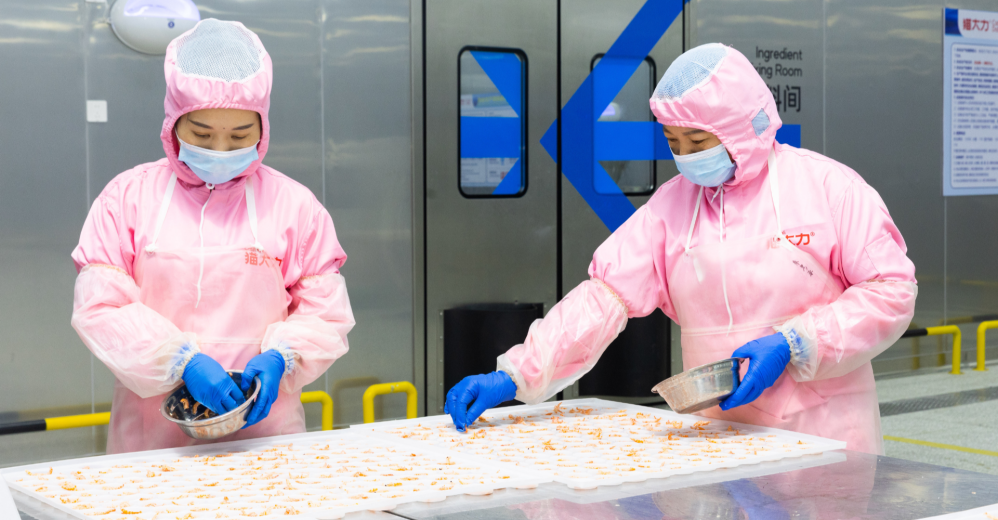
Formula development is one of the most critical stages in the private label cat treat manufacturing process.
Professional R&D teams evaluate:
Nutritional Requirements
Cats are obligate carnivores, requiring:
- High-quality animal protein
- Essential amino acids
- Taurine
- Healthy fats
- Vitamins and minerals
Ingredient Selection
Popular ingredients include:
- Chicken
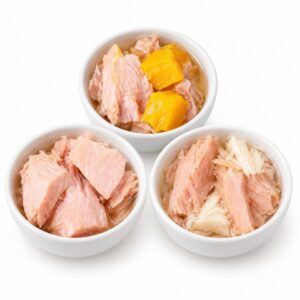
- Tuna
- Salmon
- Duck
- Turkey
- Beef
- Egg products
Premium formulas may also incorporate:
- Goat milk
- Cranberry
- Pumpkin
- Probiotics
- Omega-3 fatty acids
Palatability Testing
Cats are known for being selective eaters.
Manufacturers often conduct:
- Single-bowl tests
- Two-bowl preference tests
- Acceptance studies
These evaluations ensure strong palatability before mass production begins.
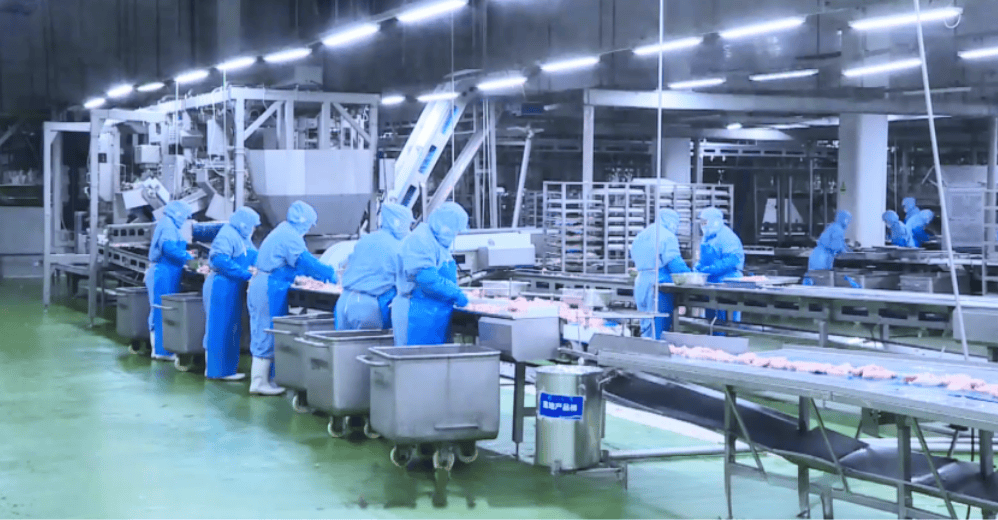
Step 3: Raw Material Procurement
Ingredient quality directly impacts product safety and customer satisfaction.
Reliable cat treat manufacturers establish strict supplier qualification systems.
Key requirements include:
Traceable Supply Chains
Each ingredient should have:
- Source documentation
- Batch records
- Supplier certifications
Quality Verification
Incoming materials undergo testing for:
- Microbiology
- Heavy metals
- Moisture content
- Nutritional composition
Food Safety Compliance
Many manufacturers source ingredients that meet standards such as:
- HACCP
- BRCGS
- IFS
- ISO 22000
Consistent raw material quality is the foundation of a successful cat treat brand.
Step 4: Pilot Production and Sample Evaluation
Before commercial production, manufacturers typically conduct a pilot run.
This stage allows brands to evaluate:
- Appearance
- Texture
- Flavor
- Aroma
- Packaging compatibility
Sample approval helps prevent costly modifications during large-scale manufacturing.
For new brands, this step is especially valuable for confirming market readiness.
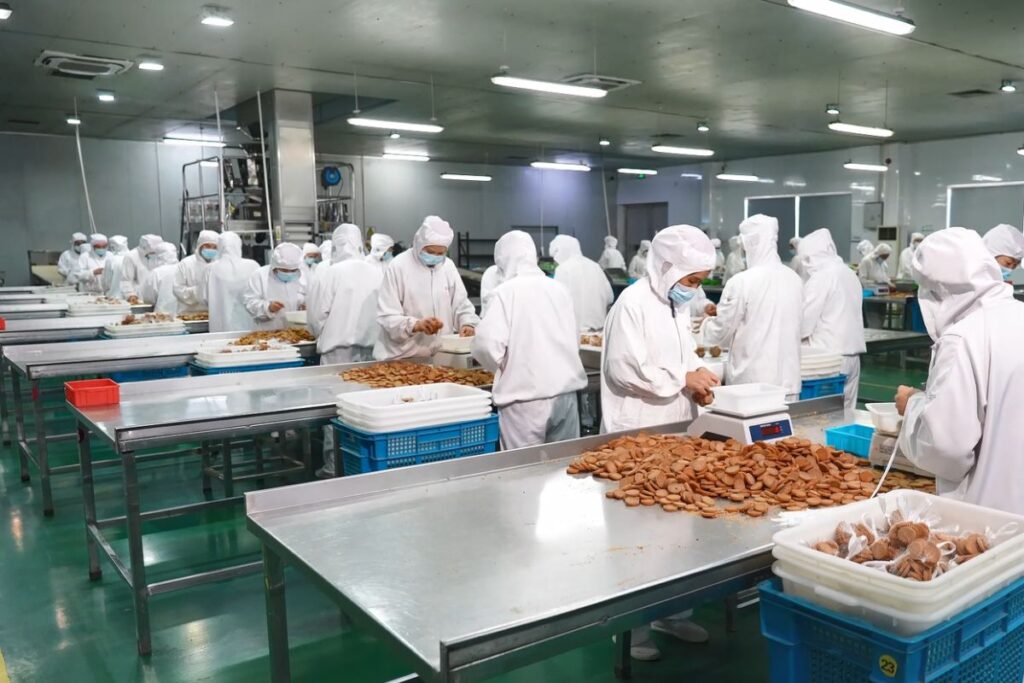
Step 5: Large-Scale Production
After formula approval, commercial production begins.
The exact process varies by product type.
Freeze-Dried Cat Treats
Production steps include:
- Raw meat preparation
- Cutting and portioning
- Rapid freezing
- Vacuum freeze drying
- Moisture reduction
- Metal detection
- Packaging
Freeze drying preserves nutrients while maintaining excellent palatability.
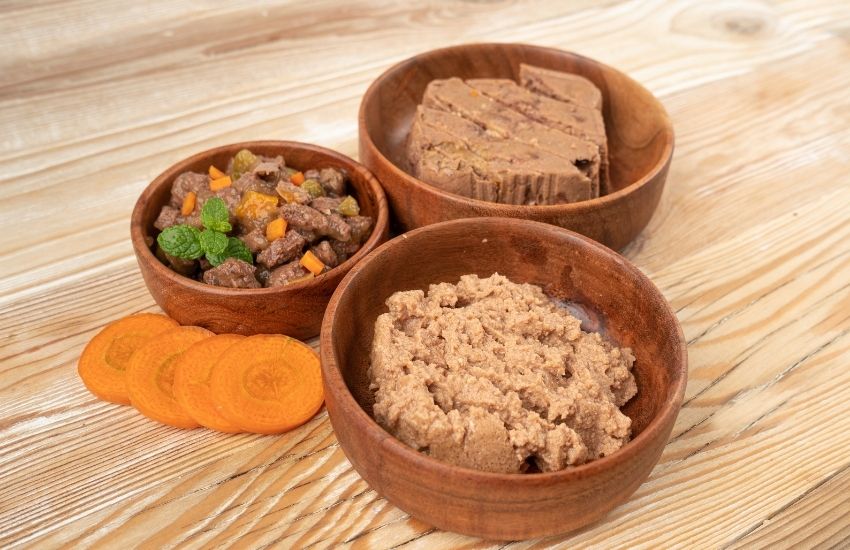
Soft Cat Treats
Production typically includes:
- Ingredient blending
- Cooking
- Extrusion or molding
- Drying
- Cooling
- Packaging
Jerky Cat Treats
Common production steps:
- Meat marination
- Forming
- Slow drying
- Moisture control
- Packaging
Each manufacturing method is optimized for product stability and shelf life.
Step 6: Quality Control Throughout Production
Quality assurance is integrated into every stage of manufacturing.
Leading OEM cat treat manufacturers implement multiple inspection points.
In-Process Quality Checks
Operators monitor:
- Product dimensions
- Moisture levels
- Weight consistency
- Temperature controls
Laboratory Testing
Finished products are often tested for:
- Salmonella
- E. coli
- Total plate count
- Nutritional analysis
Metal Detection
Every batch passes through metal detection systems to identify potential contamination.
Many premium manufacturers perform three-stage inspections:
- Raw material inspection
- Production inspection
- Third-party verification
This approach helps maintain product consistency across all production batches.
Step 7: Private Label Packaging Development
Packaging plays a major role in brand success.
Manufacturers often provide complete packaging support.
Options include:
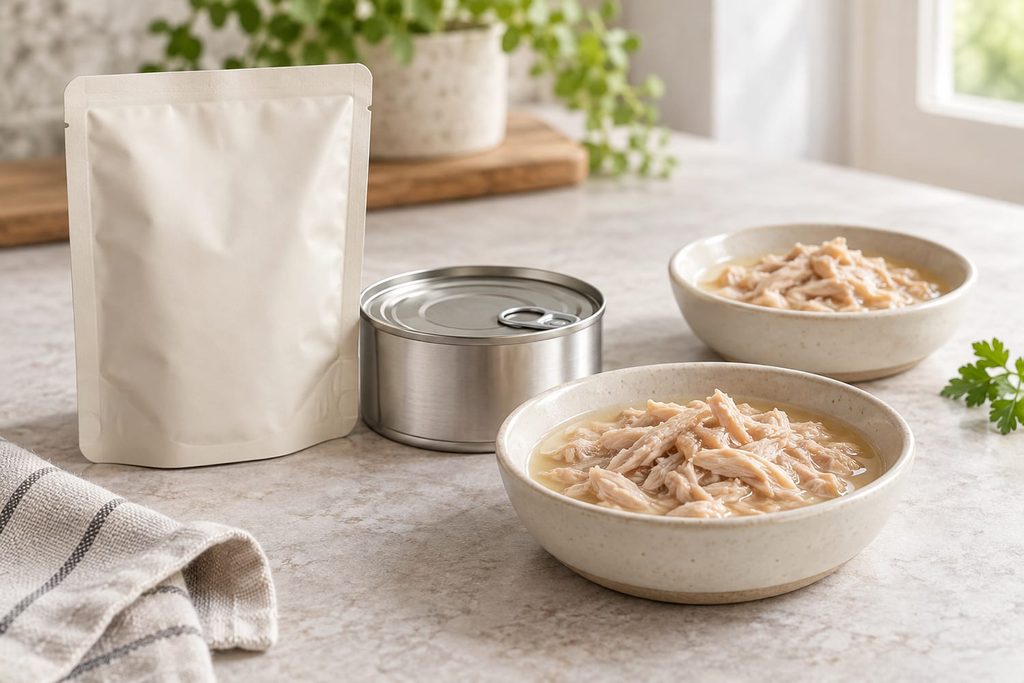
Flexible Packaging
- Stand-up pouches
- Zipper bags
- Flat pouches
Premium Packaging
- Matte finish bags
- Aluminum foil pouches
- Window packaging
Retail-Ready Solutions
- Barcode printing
- Nutrition panels
- Regulatory labeling
- Multi-language packaging
Customized packaging helps brands differentiate themselves in both online and offline retail channels.
Step 8: Regulatory Compliance and Documentation
Export markets require different compliance standards.
Experienced manufacturers assist clients with documentation such as:
United States
- FDA registration
- Ingredient declarations
- Label compliance
European Union
- Feed regulations
- Product traceability
- Labeling requirements
Asia-Pacific Markets
- Import permits
- Product registration
- Country-specific certifications
Proper documentation reduces customs delays and improves market access.
Step 9: Final Inspection and Shipment
Before shipment, finished goods undergo final verification.
Inspection items typically include:
- Product appearance
- Packaging integrity
- Label accuracy
- Carton condition
- Quantity verification
Once approved, products are prepared for international shipment.
Shipping options may include:
- Sea freight
- Air freight
- Rail transport
- Door-to-door logistics
Reliable logistics coordination ensures products arrive safely and on schedule.
Why Choose an Experienced Private Label Cat Treat Manufacturer?
A professional manufacturing partner offers advantages beyond production capacity.
Benefits include:
Faster Product Development
Experienced R&D teams reduce trial-and-error costs.
Better Product Quality
Established quality systems improve consistency.
Regulatory Expertise
Manufacturers understand international compliance requirements.
Scalable Production
Factories can support both startup brands and large retail chains.
Supply Chain Stability
Long-term supplier relationships help ensure reliable ingredient availability.
These advantages allow brands to focus on growth while manufacturing experts manage production.
Future Trends in Private Label Cat Treat Manufacturing
The cat treat industry continues evolving rapidly.
Key trends include:
Human-Grade Ingredients
Consumers increasingly seek premium ingredients similar to human foods.
Functional Nutrition
Demand is growing for treats supporting:
- Digestion
- Immunity
- Joint health
- Skin and coat condition
Clean Labels
Simple ingredient lists are becoming a major purchasing factor.
Sustainable Packaging
Eco-friendly packaging solutions are gaining popularity worldwide.
Freeze-Dried Premium Products
Freeze-dried treats remain one of the fastest-growing categories due to their nutritional retention and natural appeal.
Brands that align with these trends are likely to achieve stronger long-term growth.
Conclusion
The private label cat treat manufacturing process involves much more than simply producing treats. From market research and formula development to ingredient sourcing, production, quality assurance, packaging, and international compliance, every stage contributes to product success.
Choosing an experienced cat treat manufacturer can help brands launch products faster, maintain consistent quality, and build customer trust in competitive global markets.
Whether you are an Amazon seller, distributor, retailer, or emerging pet brand, partnering with the right OEM manufacturer is a critical step toward creating a successful private label cat treat business.
FAQ
What is private label cat treat manufacturing?
Private label cat treat manufacturing allows businesses to sell cat treats under their own brand while production is handled by a specialized manufacturer.
What is the MOQ for private label cat treats?
MOQ varies by manufacturer and product type. Many factories offer flexible minimum order quantities for new brands.
How long does custom cat treat development take?
Formula development and packaging approval typically require several weeks before mass production begins.
What types of cat treats can be private labeled?
Common options include freeze-dried treats, jerky treats, soft treats, creamy treats, dental treats, and functional treats.
How do manufacturers ensure product safety?
Manufacturers implement raw material inspections, laboratory testing, metal detection, and multiple quality control procedures throughout production.
CTA