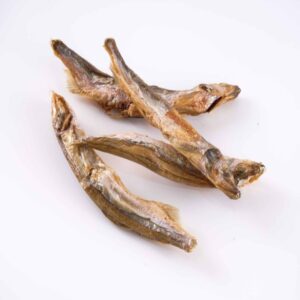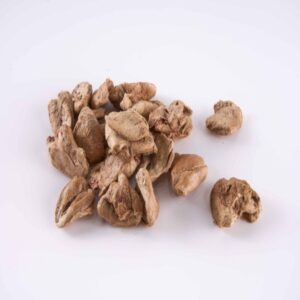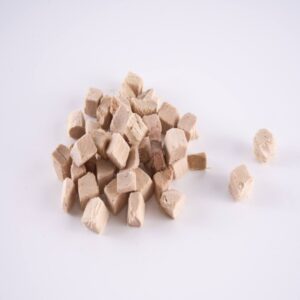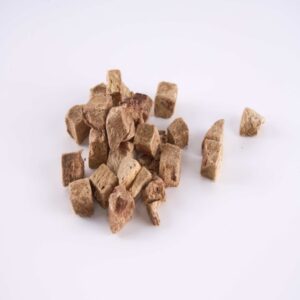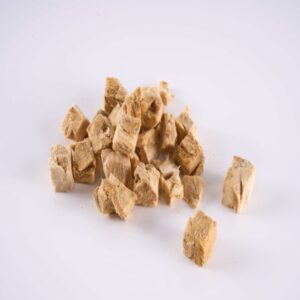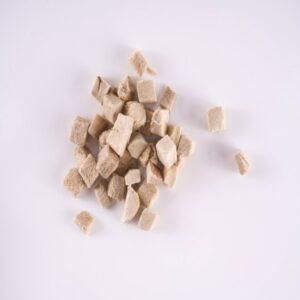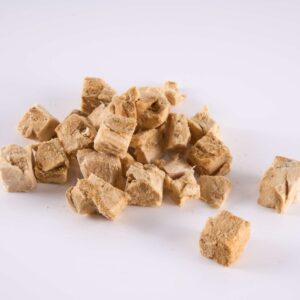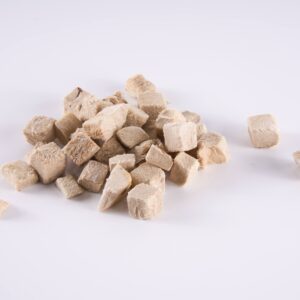

Wholesale Dog Treat Manufacturer
The global pet treat industry is growing faster than ever. According to data from the American Pet Products Association (APPA), pet owners continue to increase spending on premium pet products, especially natural and functional dog treats. At the same time, retailers, Amazon sellers, supermarkets, and private label brands are facing one major challenge:
How do you choose the right wholesale dog treat manufacturer?
A reliable manufacturing partner can help your business scale quickly, maintain stable product quality, and build a strong brand reputation. The wrong supplier, however, can lead to inconsistent products, shipping delays, compliance problems, and unhappy customers.
Whether you are launching a new pet treat brand or expanding your existing product line, this guide will help you understand exactly what to look for when selecting a wholesale dog treat manufacturer.
Why Choosing the Right Manufacturer Matters
Dog treats are no longer viewed as simple snacks. Modern pet owners expect treats to offer:
- High-quality ingredients
- Functional health benefits
- Safe production standards
- Transparent sourcing
- Attractive packaging
- Consistent taste and texture
This means wholesalers and retailers need manufacturers that can meet both market trends and strict quality expectations.

For Amazon sellers and supermarket buyers especially, product reviews and repeat purchases depend heavily on consistency. One bad batch can damage an entire brand listing.
That is why selecting the right OEM/ODM manufacturing partner is a strategic business decision, not just a sourcing task.
Understand Your Business Needs First
Before contacting suppliers, define your own requirements clearly.
Ask Yourself These Questions
What type of dog treats do you want to sell?
Popular categories include:
- Freeze dried dog treats
- Soft chewy treats
- Jerky treats
- Dental treats
- Training treats
- Functional treats
- Natural or organic treats
- Grain-free treats
Different manufacturers specialize in different product types.
For example, a factory experienced in freeze drying may not be the best choice for baked biscuits or soft chews.
Are You Looking for OEM or ODM Services?
OEM (Original Equipment Manufacturing):
You provide your own formula, packaging design, and branding.

ODM (Original Design Manufacturing):
The manufacturer already has mature formulas and products that you can customize with your own label.
Many growing brands prefer ODM because it reduces development time and lowers R&D costs.
What Is Your Target Market?
Your target customers influence product positioning and compliance requirements.
Examples:
- Amazon FBA sellers
- Pet specialty stores
- Supermarkets
- Pet distributors
- Subscription box companies
- Veterinary channels
Different markets may require different certifications, packaging formats, or ingredient standards.
Evaluate Product Quality Standards
Ingredient Quality Is Everything
Today’s pet owners carefully read ingredient labels.

High-demand ingredients include:
- Real chicken
- Duck
- Beef
- Salmon
- Lamb
- Sweet potato
- Pumpkin
- Blueberries
Avoid manufacturers that rely heavily on artificial additives or low-quality fillers unless your target market specifically demands low-cost products.
Ask suppliers:
- Where do ingredients come from?
- Are ingredients traceable?
- Do they use human-grade raw materials?
- Are preservatives natural or artificial?
Factories that are transparent about sourcing are usually more reliable partners.
Ask About Food Safety Certifications
A professional wholesale dog treat manufacturer should have internationally recognized certifications.
Important certifications may include:
- HACCP
- BRC
- ISO22000
- FDA registration
- GMP
- SGS testing reports
These certifications demonstrate that the factory follows standardized safety and quality control systems.
You can also verify certifications through organizations like SGS or Intertek.

Check Manufacturing Capabilities
Not all factories have the same production capacity or technology.
Production Capacity
Ask questions like:
- How many tons can they produce monthly?
- Can they handle seasonal demand spikes?
- What is their average lead time?
- How do they manage large orders?
This is especially important for supermarket chains and large distributors that require stable inventory supply.
Product Development Ability
A strong manufacturer should also act as a product innovation partner.
Look for factories that can help with:
- Flavor development
- Functional ingredient recommendations
- Texture optimization
- Market trend analysis
- Packaging suggestions
For example, demand for high-protein freeze dried treats and clean-label products continues to grow globally.
Manufacturers with dedicated R&D teams are often better positioned to help brands stay competitive.
Evaluate OEM/ODM Customization Services
Customization is becoming increasingly important in the pet treat industry.

Packaging Flexibility
Can the manufacturer provide:
- Custom bag designs?
- Retail-ready packaging?
- Multi-language labels?
- Sustainable packaging options?
- Small trial runs?
Good packaging is critical for both online and offline retail success.
For Amazon sellers, packaging directly affects click-through rates and conversion performance.
Formula Customization
Some buyers want completely unique recipes.
Others simply want to adjust:
- Protein content
- Flavor profiles
- Functional ingredients
- Shape and size
- Texture
A flexible manufacturer can support both.
Request Samples Before Large Orders
Never skip product sampling.
Testing samples helps evaluate:
- Palatability
- Smell
- Texture
- Ingredient appearance
- Packaging quality
- Shelf stability
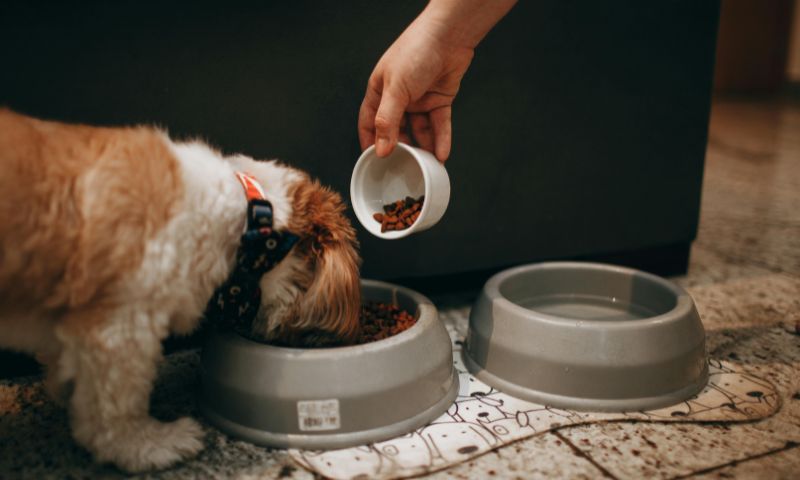
You should also test products with real dogs whenever possible.
Remember:
A treat that looks good on paper may not perform well in actual feeding situations.
Understand Supply Chain Reliability
Stable Supply Chains Reduce Risk
Global supply chain disruptions have made reliability more important than ever.
Ask manufacturers:
- How do they source raw materials?
- Do they have backup suppliers?
- How do they manage shipping delays?
- What export markets do they currently serve?
Factories with extensive export experience usually handle logistics and documentation more efficiently.
Export Experience Matters
Experienced exporters understand:
- International labeling regulations
- Customs documentation
- Container loading optimization
- Shipping compliance
- Market-specific requirements
This can save buyers significant time and money.
Compare Pricing Carefully
Choosing the cheapest supplier is often a mistake.
Instead, focus on value.
What Should Be Included in Pricing?
Ask for detailed quotations covering:
- Product cost
- Packaging cost
- Private label fees
- Mold fees
- Shipping terms
- Sample costs
- MOQ requirements
Sometimes a slightly higher unit price includes better ingredients, better packaging, and lower defect rates.
In the long run, this often improves profitability.
Communication Is a Huge Factor
One overlooked factor is communication quality.
A good manufacturer should provide:
- Fast response times
- Clear quotations
- Technical knowledge
- Professional export support
- Transparent problem solving
Poor communication often leads to delays and costly misunderstandings.
For international business, responsiveness matters almost as much as product quality.
Visit the Factory If Possible
If you are planning long-term cooperation or large-volume purchasing, factory visits are highly recommended.
During a factory audit, check:
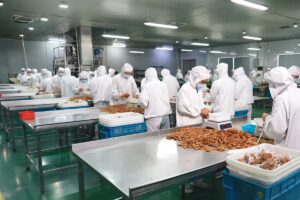
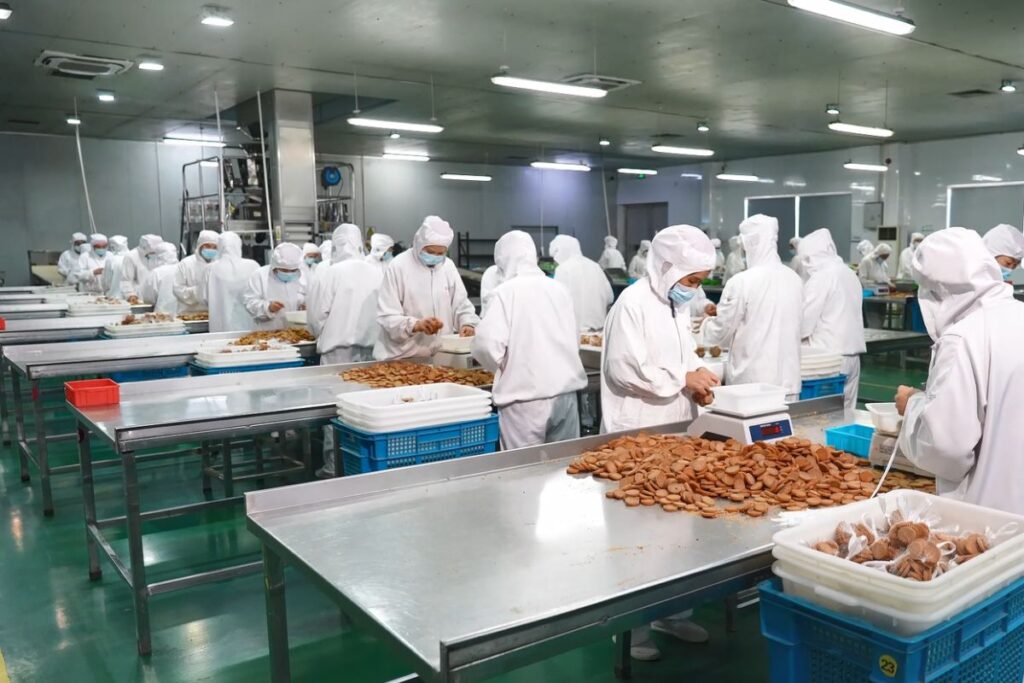
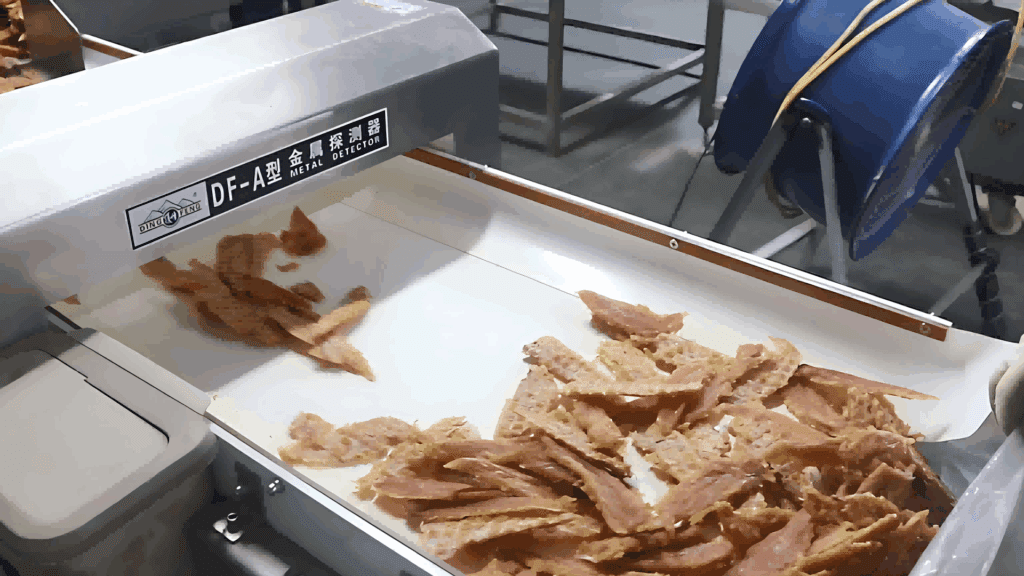
- Hygiene conditions
- Production lines
- Warehousing systems
- Employee management
- Quality inspection procedures
If visiting in person is difficult, request:
- Video factory tours
- Live production videos
- Third-party audit reports
Red Flags to Watch Out For
Be cautious if a supplier:
- Refuses to provide certifications
- Cannot explain ingredient sourcing
- Offers unrealistically low prices
- Has inconsistent communication
- Avoids sample requests
- Has no export experience
- Provides vague quotations
These warning signs often lead to future problems.

Trends Shaping the Wholesale Dog Treat Industry
Understanding market trends helps buyers choose future-ready manufacturers.
Functional Treats Are Growing Fast
Pet owners increasingly look for treats that support:
- Joint health
- Skin and coat
- Digestion
- Calming support
- Dental care
Manufacturers capable of functional formulations may offer better long-term opportunities.
Freeze Dried Treats Continue Expanding
Freeze dried treats remain one of the fastest-growing categories because they offer:
- High protein
- Minimal processing
- Strong palatability
- Premium positioning
This category performs particularly well in North America and premium retail markets.
Sustainability Is Becoming Important
Many retailers now prioritize:
- Sustainable sourcing
- Eco-friendly packaging
- Reduced additives
- Transparent supply chains
Manufacturers already investing in sustainability may become stronger long-term partners.
Final Thoughts
Choosing the right wholesale dog treat manufacturer is about much more than finding a low price.
The best manufacturing partners help businesses grow through:
- Reliable product quality
- Strong food safety systems
- Flexible OEM/ODM services
- Stable supply chains
- Professional communication
- Continuous innovation
Whether you sell through Amazon, supermarkets, pet specialty stores, or private label distribution channels, your manufacturer directly impacts your brand reputation.
If you are looking for a professional partner for wholesale dog treats, private label solutions, or customized OEM/ODM production, visit Matchwell Pets to explore product solutions and manufacturing capabilities for global pet treat businesses.