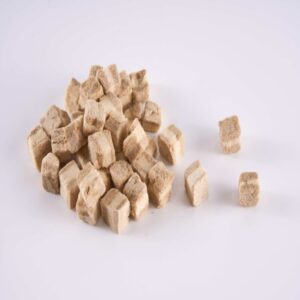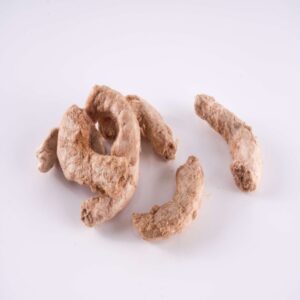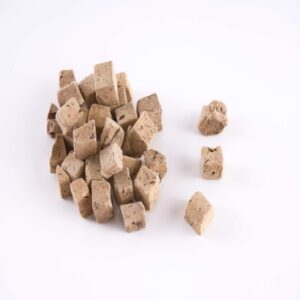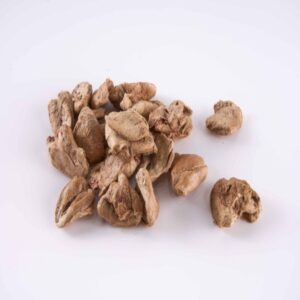

Wholesale Pet Treats Suppliers
The global pet industry is no longer driven by basic demand alone. Today’s buyers are looking for products that combine quality, safety, consistency, branding flexibility, and strong market appeal. For importers, distributors, supermarket chains, Amazon sellers, and private label brands, finding the right wholesale pet treats suppliers is no longer just about getting a low price. It is about building a stable and scalable supply chain.
If you are sourcing wholesale pet treats for resale or brand development, choosing the right supplier can directly affect your product quality, delivery speed, customer satisfaction, and profit margins. A reliable supplier helps you grow. The wrong one can create delays, quality complaints, and damage to your brand reputation.
This guide explains what wholesale pet treats suppliers do, what products they typically offer, how to evaluate them, and what B2B buyers should look for when choosing a manufacturing partner.
Why Wholesale Pet Treats Suppliers Matter in Today’s Market
Pet treats have become one of the fastest-moving categories in the pet food business. Pet owners are spending more on training treats, functional snacks, freeze-dried products, chew treats, and premium reward items. In both online and offline retail, treats are often impulse purchases, repeat-purchase products, and effective margin drivers.
For B2B buyers, this creates a strong opportunity. But it also increases competition.
A professional wholesale pet treats supplier does more than produce snacks. The right supplier can help you:
- Expand your product range faster
- Launch private label pet treats with lower development risk
- Maintain consistent quality across multiple batches
- Adapt formulas and packaging for different markets
- Meet retailer and importer requirements more smoothly
- Improve lead time planning for peak seasons
In other words, the supplier is not just a vendor. In many cases, they become part of your brand strategy.
What Products Do Wholesale Pet Treats Suppliers Usually Offer?
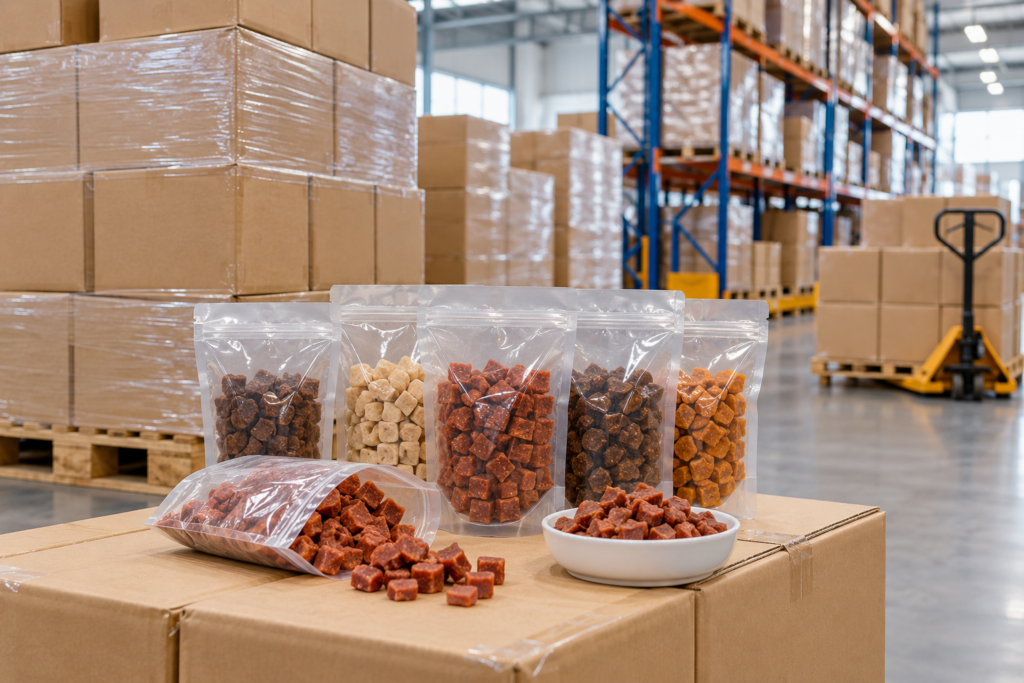
Most experienced pet treats suppliers serve a wide range of market needs. Their product lines often include standard wholesale items, trend-driven products, and custom OEM or ODM solutions.
Common categories include:
Dog treats
This is usually the largest category. Popular products include:
- Jerky treats
- Training treats
- Dental treats
- Soft chews
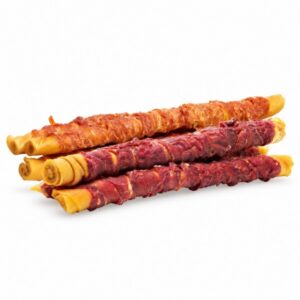
- Meat strips
- Biscuits
- Rawhide alternatives
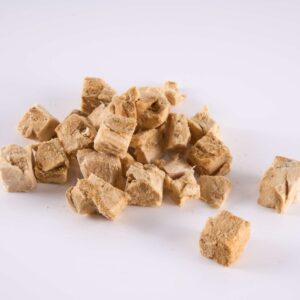
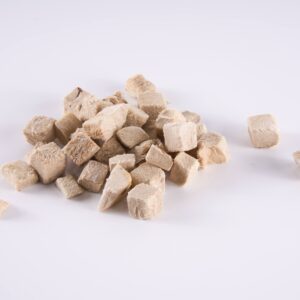
- Freeze-dried dog treats
Cat treats
Cat treats are growing quickly, especially in premium and functional segments. Popular options include:
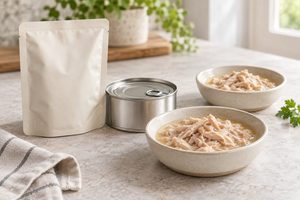
- Soft cat treats
- Freeze-dried cat treats
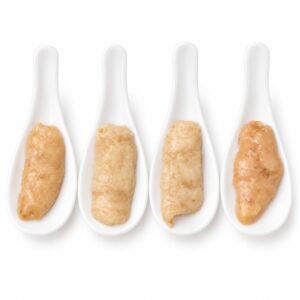
- Creamy treats
- Functional cat snacks
- Meat cubes and slices
Natural and premium treats
More buyers are looking for clean-label products made with simple, recognizable ingredients. These often include:
- Single-protein treats
- Grain-free treats
- Limited-ingredient treats
- No artificial color or preservative formulas
- High-meat-content snacks

Functional treats
These products are designed to support a benefit beyond simple snacking. For example:
- Skin and coat support treats
- Joint support treats
- Digestive health treats
- Calming treats
- Dental health treats
Customized private label products
OEM and ODM buyers often need more than an existing catalog. Many wholesale pet treats suppliers also provide:
- Custom recipes
- Flavor development
- Texture adjustment
- Shape and size customization
- Custom packaging
- Brand design support
- Market-specific product adaptation
This is especially important for buyers who want to differentiate themselves on Amazon, in supermarkets, or in specialty retail channels.
Who Needs Wholesale Pet Treats Suppliers?
The answer is broader than many people think. Wholesale pet treats suppliers typically work with many kinds of business buyers.
Amazon sellers
Amazon sellers often need products that are visually appealing, easy to store, and competitive in high-volume marketplaces. They also care about packaging design, review performance, and repeat purchase potential.

For this group, the ideal supplier should offer:
- Low to moderate MOQ options
- Attractive retail-ready packaging
- Stable production quality
- Easy customization
- Strong communication
- Clear lead times
Supermarkets and chain retailers
Large retail buyers usually focus on compliance, supply reliability, and packaging consistency. They also tend to ask for stronger production capabilities and documented quality systems.
For this segment, suppliers should be able to support:
- Large-volume orders
- Consistent labeling and carton standards
- Retail shelf-ready packaging
- Audits and certifications
- Timely shipments for promotional windows
Pet product distributors and wholesalers
Distributors need broad product coverage and dependable replenishment. They may serve multiple stores, regions, or customer segments, so variety matters.
A strong supplier for distributors should offer:
- Multiple treat categories
- Flexible packaging formats
- Competitive wholesale pricing
- Stable inventory planning
- Fast response for repeat orders
Private label brands
Private label customers want more control over branding, formulas, and market positioning. This group often values product development support as much as manufacturing itself.
For them, the supplier should be able to help with:
- OEM and ODM development
- Formula recommendations
- Branding and packaging customization
- Sampling and refinement
- Confidential and efficient project management
What Makes a Good Wholesale Pet Treats Supplier?
Not every factory that makes pet treats is the right B2B partner. A good supplier needs to perform well in several areas at once.
1. Product quality and consistency
This is the first requirement. Samples may look good, but what matters even more is whether the quality stays stable across every shipment.
You should evaluate:
- Ingredient sourcing
- Batch consistency
- Product appearance
- Odor and palatability
- Moisture control
- Shelf life
- Packaging integrity
In pet treats, inconsistency is one of the fastest ways to lose trust with customers and retailers.
2. Food safety and quality management
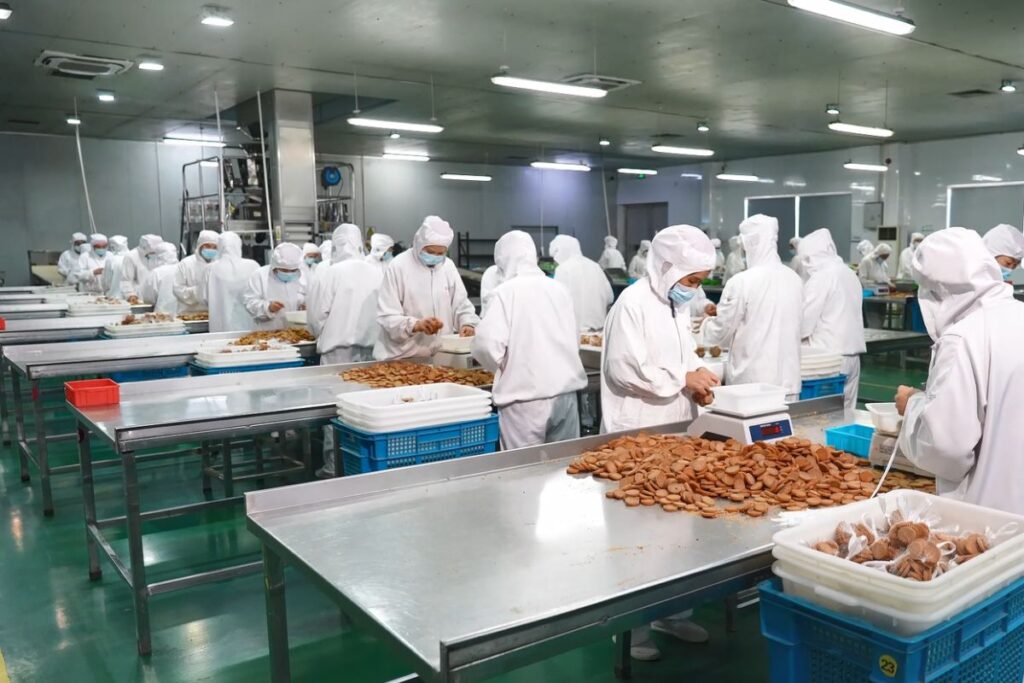
Professional buyers should always ask about factory certifications and quality control systems. A serious supplier should have clear processes for raw material inspection, in-process control, and finished product testing.
Look for suppliers that understand international B2B requirements and can explain their quality procedures clearly.
3. Product development ability
A supplier with strong R&D support can be much more valuable than one that only offers fixed products. Markets change quickly. Consumer preferences change. Retail packaging trends change. Functional claims become more important.
A supplier that can help develop new products gives you more room to grow.
4. Packaging flexibility
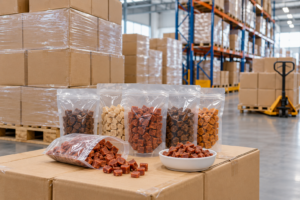
Packaging is often just as important as the product itself, especially for e-commerce and retail. Good suppliers should support different pouch sizes, jar options, hanging bags, display cartons, and bulk packaging for different channels.
They should also be able to adapt packaging for:
- Private label needs
- Different languages
- Market-specific labeling
- Brand positioning
- Promotional packs
5. Communication and service
B2B sourcing is rarely smooth when communication is slow or unclear. A trustworthy wholesale pet treats supplier should be responsive, organized, and familiar with export workflows.
Strong communication helps prevent mistakes in:
- Artwork approval
- Formula details
- Shipping marks
- Delivery schedules
- Document preparation
6. OEM and ODM experience
Many buyers today do not just want products. They want customized products. Suppliers with real OEM and ODM experience understand how to turn ideas into commercial products.
This is especially useful for businesses launching:
- New pet snack brands
- Country-specific products
- Channel-exclusive packaging
- Premium product lines
- Seasonal pet treats
How to Evaluate Wholesale Pet Treats Suppliers Before You Order
Choosing a supplier should never rely on price alone. A low quote may look attractive at first, but the real value comes from the supplier’s ability to support long-term business.
Here is a practical evaluation framework.

Review the product range
Check whether the supplier’s existing product line fits your business model. A broad and well-organized catalog often suggests stronger manufacturing experience.
Ask yourself:
- Do they offer both dog treats and cat treats?
- Do they cover standard and premium segments?
- Can they support both retail and bulk formats?
- Do they offer trend-friendly products like freeze-dried treats?
Request samples
Samples are essential. Evaluate not only the product itself, but also the supplier’s sampling process.
Pay attention to:
- Sample preparation speed
- Label accuracy
- Product appearance
- Ingredient positioning
- Packaging quality
- Overall professionalism
A supplier who handles samples well usually handles orders more reliably too.
Ask about MOQ and production flexibility
MOQ requirements matter, especially for smaller brands and new product launches. Some buyers need container-scale supply. Others need lower-volume trial orders.
A good supplier should explain:
- Standard MOQ
- MOQ for customized packaging
- MOQ for custom formulas
- Lead times for first orders and repeat orders
Check export experience
Export experience matters because it affects documentation accuracy, shipping coordination, and problem-solving ability.
Experienced wholesale pet treats suppliers are often better at handling:
- International labeling requirements
- Shipping schedules
- Customs documentation
- Market-specific adjustments
- Reorder planning
Understand their customization process
If you need OEM or ODM support, ask how they handle new projects.
Useful questions include:
- Can you customize ingredients and flavors?
- Can you create exclusive packaging?
- How does artwork approval work?
- How many rounds of sample revision are possible?
- How long does development usually take?
These answers tell you whether the supplier is really prepared for brand-building partnerships.
Why Private Label Pet Treats Are Growing So Fast
More importers and retailers are moving toward private label because it offers better control and better margins. Instead of selling the same products as everyone else, brands can create something more unique.
With the right wholesale pet treats supplier, private label lets you:

- Build brand recognition
- Control packaging and positioning
- Improve pricing power
- Offer exclusive SKUs
- Adapt faster to target market trends
This is especially useful for businesses selling through Amazon, direct-to-consumer websites, regional distribution, or supermarket channels.
Private label is no longer only for large companies. Many mid-sized buyers are also entering this space because consumers are willing to try new pet brands when the quality and packaging feel premium.
Trends Shaping the Wholesale Pet Treats Market
B2B buyers should also keep an eye on where the market is moving. The best suppliers are not just able to manufacture current products. They are also prepared for future demand.
Some of the strongest trends include:
Humanization of pets
Pet owners increasingly treat pets like family members. This drives demand for premium treats with better ingredients, stronger branding, and more emotional appeal.
Clean-label demand
Simple ingredient lists and transparent positioning are becoming more important. Buyers want natural-looking products that are easy to explain to customers.
Freeze-dried growth
Freeze-dried dog treats and cat treats continue to attract attention because they are high in protein, lightweight, shelf-stable, and strongly associated with premium quality.
Functional positioning
Treats with a purpose are increasingly attractive. Skin support, digestion, joint care, dental health, and calming benefits all create stronger value propositions.

Retail-ready design
Good packaging matters more than ever. Buyers want products that look professional online and on shelves. Eye-catching packaging helps convert attention into sales.
Common Mistakes Buyers Make When Choosing Pet Treat Suppliers
Even experienced importers can make sourcing mistakes. The most common ones include:
Choosing only by the lowest price
A cheaper product can become expensive very quickly if the quality is unstable, delivery is late, or packaging errors create losses.
Ignoring scalability
Some suppliers can support small orders but struggle when volumes grow. It is important to think beyond the first order.
Overlooking communication quality
A supplier who is hard to reach during the sample stage usually does not become easier to work with during production.
Failing to verify customization capability
Some suppliers advertise OEM or ODM service but only offer limited packaging changes. Real customization needs real technical and operational support.
Not thinking about channel fit
A product that works for a pet specialty shop may not be right for Amazon or supermarkets. The supplier should understand your sales channel and recommend suitable packaging and product styles.
What B2B Buyers Should Ask Before Starting Cooperation
Before finalizing a new supplier, ask clear questions about the partnership.
Good questions include:
- What treat categories do you specialize in?
- Do you support private label pet treats?
- Can you customize formulas and packaging?
- What is your MOQ for stock products and custom projects?
- What is your average lead time?
- What quality control steps do you follow?
- What export markets do you already serve?
- Can you support long-term volume growth?
These questions help reveal whether the supplier is simply selling products or is truly ready to support your business.
Choosing a Supplier for Long-Term Success
The best wholesale pet treats suppliers understand that B2B buyers need more than inventory. They need dependability, flexibility, and a partner who can support business growth over time.
Whether you are an Amazon seller looking for fast-moving pet snack products, a supermarket buyer building a retail line, a distributor expanding your catalog, or an OEM/ODM customer creating a custom pet treats brand, the right supplier should help you move with confidence.
A strong pet treats supplier should offer:
- Reliable quality
- A wide and market-relevant product range
- Professional export support
- Flexible customization options
- Scalable production capability
- Clear and efficient communication
When these elements come together, sourcing becomes smoother, launches become faster, and your business has a stronger foundation for long-term success.
Final Thoughts
The market for pet treats continues to grow, but so do buyer expectations. Businesses that want to win in this category need more than a product list. They need a supply partner that understands quality, customization, branding, and B2B execution.
That is why choosing the right wholesale pet treats suppliers is one of the most important decisions for any pet treats business.
If you are building a product line for online retail, expanding into offline distribution, or developing a private label brand, working with an experienced manufacturer can help you reduce risk and grow faster.
At Matchwell Pets, we focus on helping B2B customers source high-quality pet treats with flexible OEM and ODM support for different market needs. To explore wholesale pet treats opportunities and customized solutions, visit https://matchwellpets.com/.