
Wholesale Dehydrated Dog Treats
In today’s competitive pet market, buyers are no longer looking for “just another snack.” They are looking for clean labels, high meat content, longer shelf life, and stable supply chains. That’s exactly where wholesale dehydrated dog treats stand out.
For Amazon sellers, supermarket buyers, regional distributors, and private label brands, dehydrated treats represent a high-margin, fast-growing category that balances premium positioning with operational efficiency.
In this guide, we’ll break down:
- What dehydrated dog treats really are
- Why demand is accelerating in 2026
- Margin and logistics advantages for wholesalers
- How to evaluate a reliable OEM/ODM manufacturer
- Key product trends shaping private label opportunities
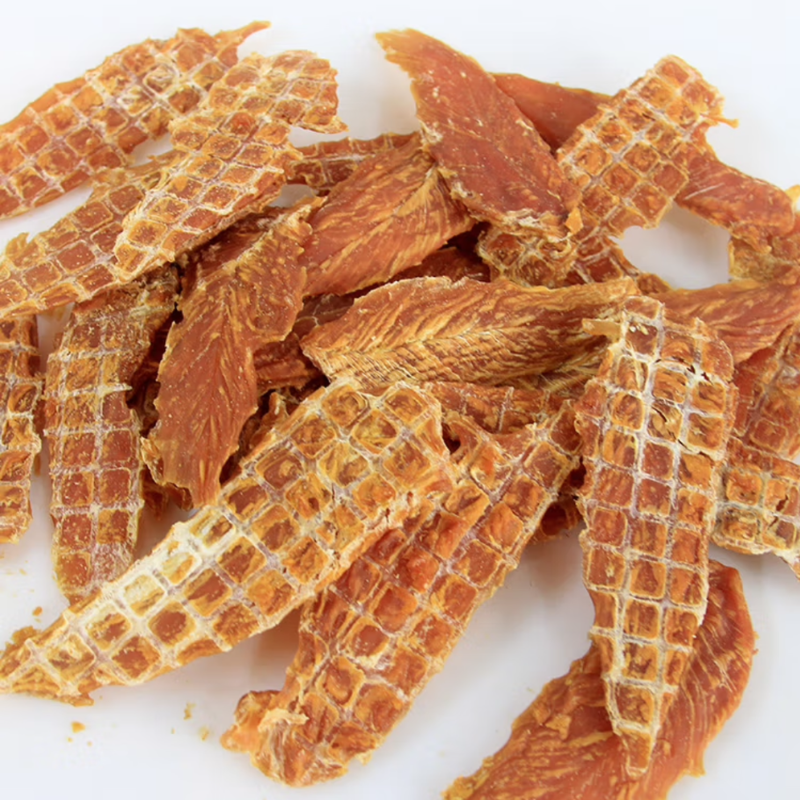
What Are Dehydrated Dog Treats?
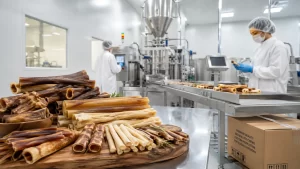
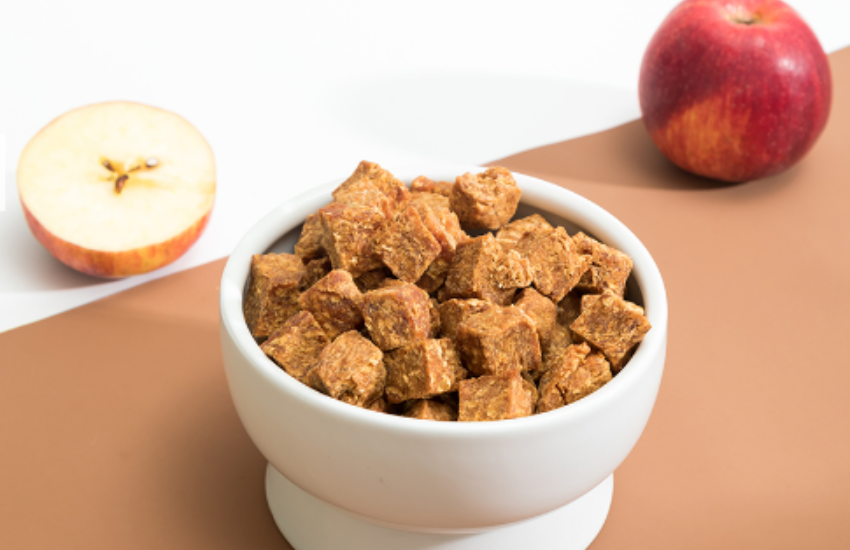
Dehydrated dog treats are made by slowly removing moisture at low temperatures, preserving nutrients and natural flavor while extending shelf life.
Unlike traditional baked biscuits or extruded snacks, dehydration:
- Maintains higher protein integrity
- Enhances natural aroma
- Reduces the need for artificial preservatives
- Produces a chewy, meat-forward texture dogs love
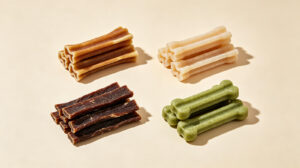
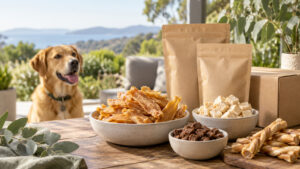
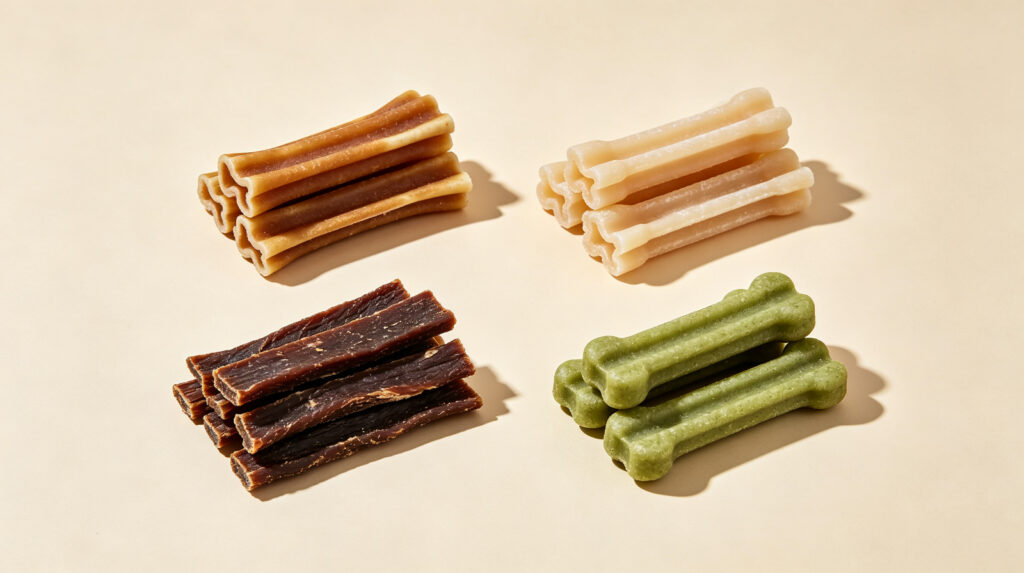
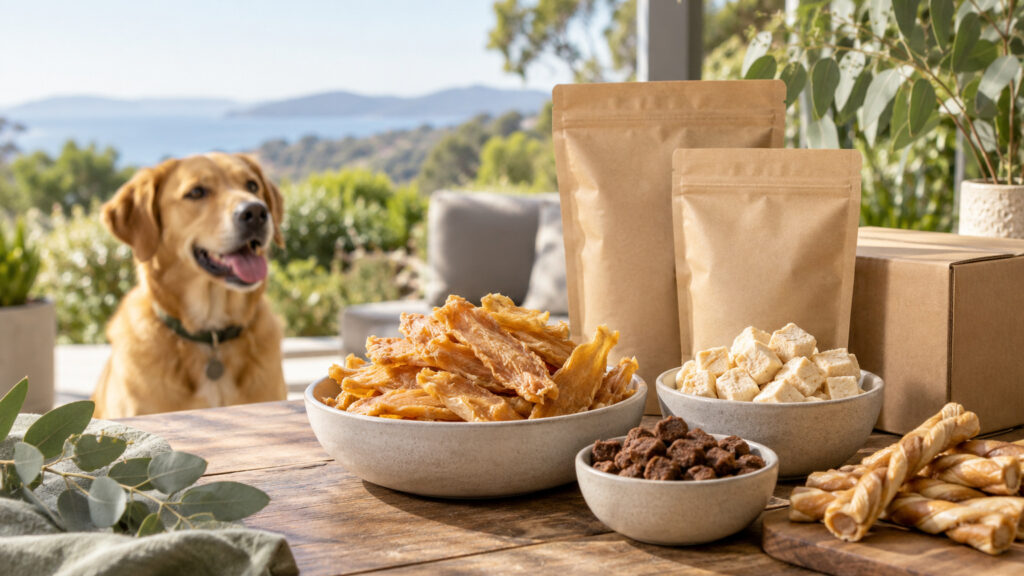
Common wholesale SKUs include:
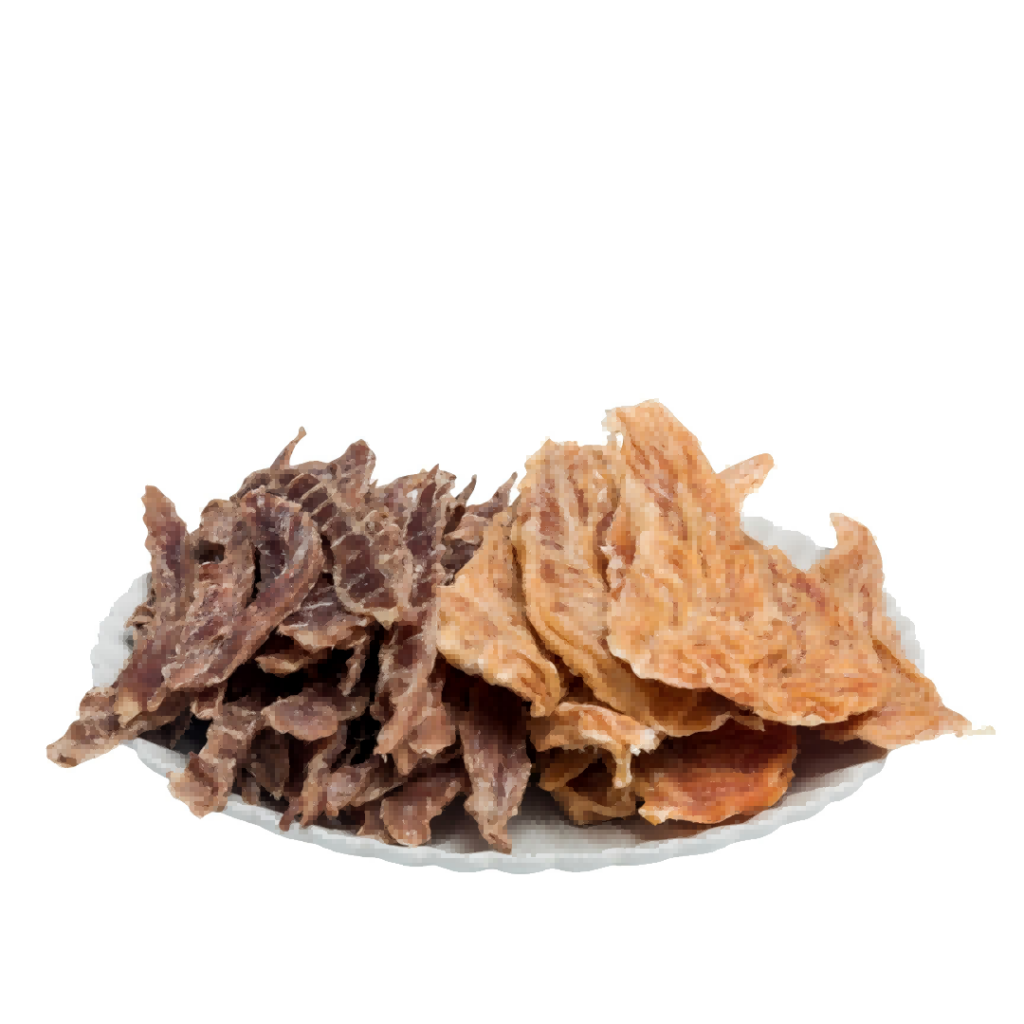
- Dehydrated chicken breast strips
- Duck jerky
- Beef liver slices
- Sweet potato chews
- Fish skin rolls
- Mixed protein training bites
For retailers, this format positions perfectly within the “natural,” “single-ingredient,” and “high-protein” segments that continue to dominate premium pet shelves.
Why Wholesale Dehydrated Dog Treats Are Growing in 2026
1. Clean Label Movement
Consumers increasingly demand:
- Limited ingredient lists
- No artificial colors
- No synthetic preservatives
- Grain-free and gluten-free options
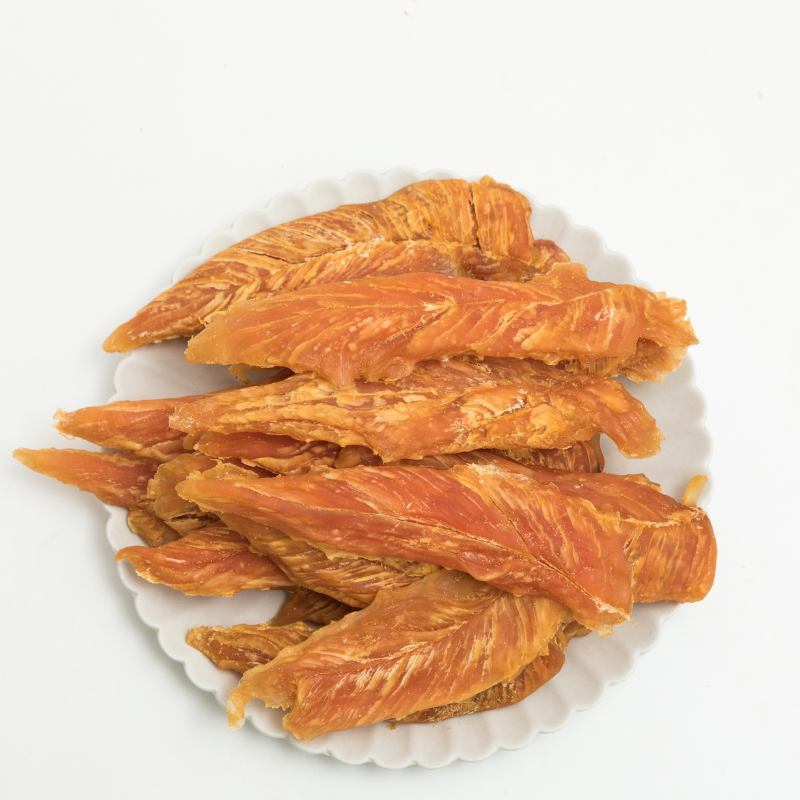
Dehydrated treats naturally align with this expectation because the process itself reduces dependency on chemical additives.
2. Shelf Stability = Logistics Advantage
For wholesalers and supermarkets, product stability matters.
Dehydrated treats typically offer:
- 12–24 months shelf life
- No refrigeration required
- Lower moisture risk during shipping
- Better inventory turnover flexibility
This is especially important for cross-border Amazon FBA sellers and distributors managing multi-warehouse inventory.
3. High Perceived Value, Strong Margins
Compared to standard biscuits, dehydrated meat treats command:
- Higher retail pricing
- Premium packaging presentation
- Strong repeat purchase behavior
For private label buyers, this means better gross margin potential without dramatically increasing production complexity.
Popular Wholesale Dehydrated Dog Treat Categories
Single-Ingredient Protein Treats
These are ideal for:
- Sensitive stomach formulas
- Limited ingredient diets
- Hypoallergenic positioning
Popular export proteins:
- Chicken
- Duck
- Beef liver
- Lamb
- Fish
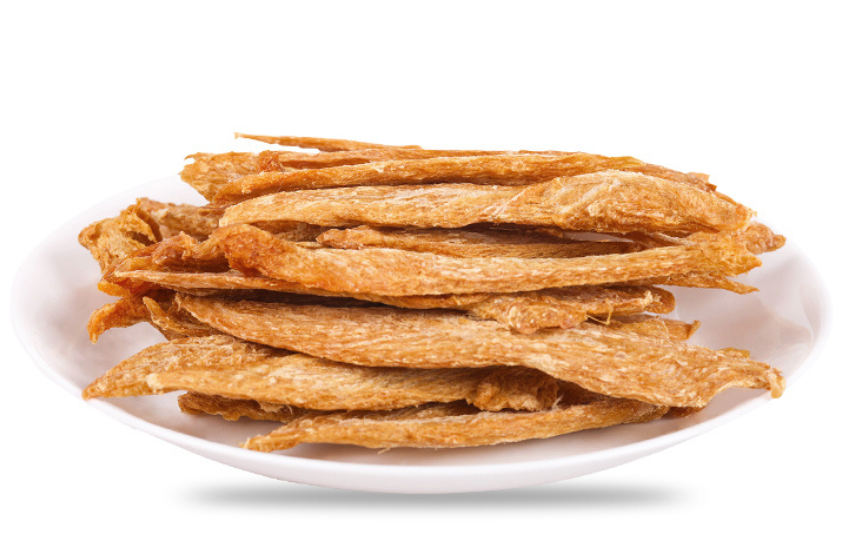
Functional Dehydrated Chews
Functional positioning examples:
- Dental support
- Joint support (with added glucosamine coating)
- High-protein training treats
- Low-fat weight management snacks
Retail buyers increasingly prefer SKUs that combine nutrition + purpose.
Why OEM/ODM Matters in the Dehydrated Segment
For B2B buyers, success is rarely about “just product.” It’s about differentiation.
Customization Options That Drive Retail Success
A professional manufacturer can offer:
- Custom protein blends
- Tailored moisture levels
- Size and thickness adjustments
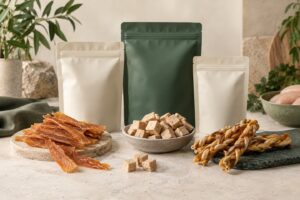
- Private label packaging
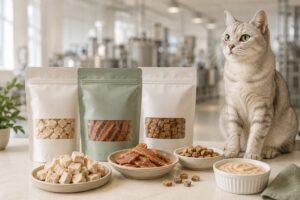
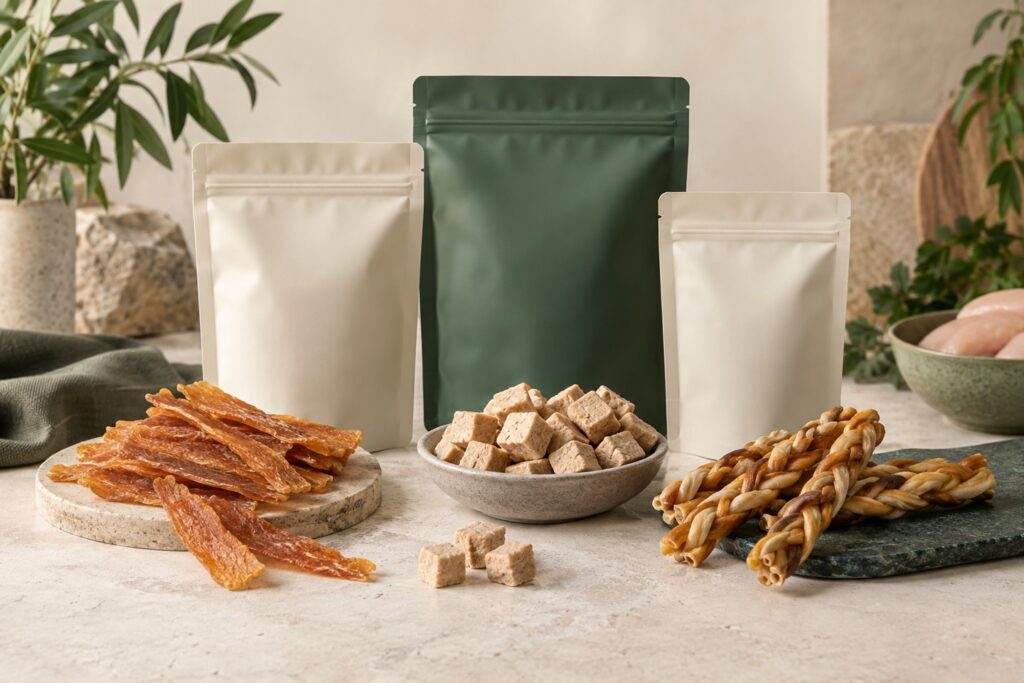
- Custom bag design (stand-up pouch, zip lock, window bag)
- Target market compliance (EU, UK, US, Southeast Asia)
For Amazon sellers, packaging differentiation alone can significantly improve CTR and conversion rates.
For supermarket chains, exclusive formulations prevent price wars and protect shelf positioning.
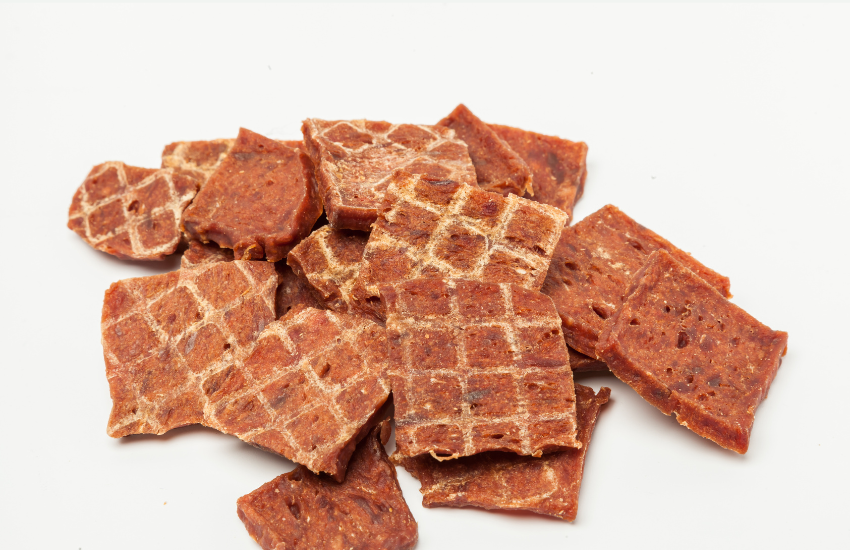
How to Evaluate a Wholesale Dehydrated Dog Treat Manufacturer
When selecting an OEM/ODM partner, serious buyers typically evaluate five areas:
1. Raw Material Control
- Stable protein sourcing
- Traceability systems
- Heavy metal & residue testing
- Microbiological inspection
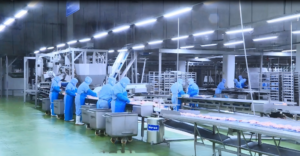
2. Production Standards
Look for certifications such as:
- BRC
- IFS
- FSSC 22000
- HACCP
These ensure compliance for export markets and large retailers.
3. Moisture & Safety Control
Dehydrated treats require precise moisture management.
Too high = mold risk.
Too low = brittle texture.
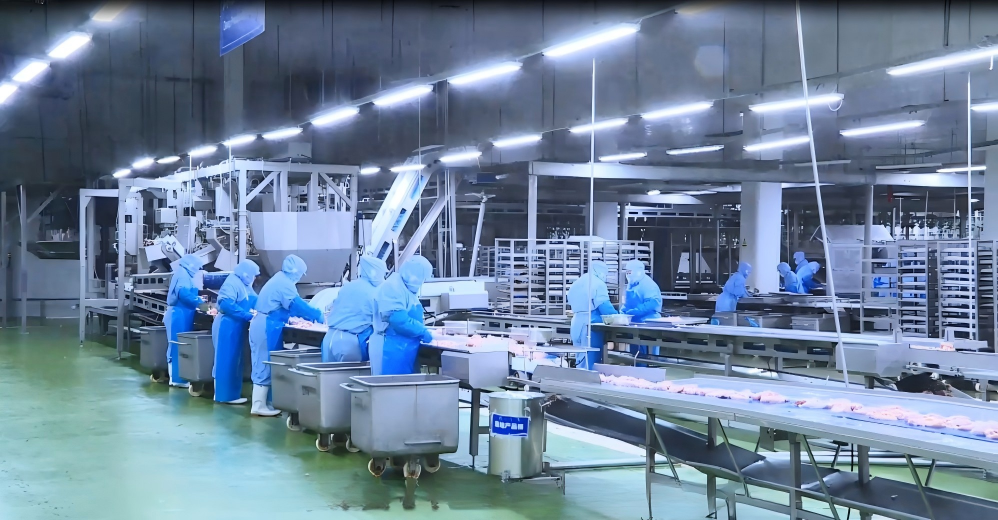
Advanced facilities use controlled drying systems with real-time monitoring to maintain consistency across batches.
4. Third-Party Testing
Serious manufacturers cooperate with independent laboratories for:
- Pesticide residues
- Veterinary drug residues
- Heavy metals
- Nutritional indicators
- Microbiological safety
This is critical for Amazon compliance and supermarket audits.
5. Production Capacity & Lead Time
Wholesale buyers should confirm:
- Monthly capacity
- MOQ flexibility
- Private label sample lead time
- Mass production cycle
- Container loading efficiency
Stable supply is as important as product quality.
Packaging Trends in Dehydrated Dog Treats
Modern packaging trends include:
- Transparent windows to show real meat texture
- Matte finish premium pouches
- Recyclable materials
- Multi-pack bundles for supermarkets
- Small trial packs for e-commerce
Private label buyers often focus on packaging storytelling:
- “Single ingredient”
- “Air-dried”
- “High protein”
- “No artificial additives”
These claims significantly impact consumer perception.
Margin Structure for Wholesale Buyers
While exact pricing varies by protein and order volume, dehydrated treats generally provide:
- Higher per-kg wholesale pricing than biscuits
- Lower shipping weight due to reduced moisture
- Strong retail markup flexibility
For example:
- Premium single-ingredient jerky often retails 2–3x landed cost
- Functional chews with added benefits can exceed that
This makes the category attractive for:
- Amazon FBA private label sellers
- Regional distributors
- Pet specialty chains
- Supermarket premium shelves
Key Trends for 2026 and Beyond
Looking ahead, wholesalers should monitor:
- Human-grade positioning
- Novel proteins (rabbit, venison, insect)
- Sustainable sourcing
- Grain-free and high-protein formulas
- Smaller training-size bites for daily use
Brands that combine natural processing + transparent sourcing + functional claims are outperforming generic jerky SKUs.
Why Wholesale Dehydrated Dog Treats Are a Strategic Category
From a business perspective, this category offers:
- Long shelf life
- Strong premium positioning
- Export-friendly logistics
- High perceived value
- Customizable OEM/ODM flexibility
For online and offline wholesalers, this means fewer storage concerns and stronger repeat purchasing cycles.
For private label buyers, this means room for brand differentiation without complex R&D investment.
Partnering With the Right Manufacturer
At Matchwell, we focus on OEM and ODM production of high-quality pet treats, including dehydrated dog treats tailored for global wholesale markets.
We work with:
- Amazon sellers
- Supermarket chains
- Pet distributors
- Private label brands
With strict raw material inspection, production inspection, and third-party examination, we ensure products meet the standards and requirements of importing countries.
If you are planning to expand your product line with wholesale dehydrated dog treats, our team can support:
- Custom formulation
- Private label design
- Export compliance documentation
- Flexible MOQ solutions
Explore more at:
👉 https://matchwellpets.com/
Final Thoughts
Wholesale dehydrated dog treats are not just a trend — they represent a structural shift toward natural, protein-rich, shelf-stable premium pet snacks.
For serious B2B buyers, the opportunity lies in:
- Selecting the right protein mix
- Investing in differentiated packaging
- Partnering with a certified OEM/ODM manufacturer
- Building long-term supply stability
With the right strategy, dehydrated dog treats can become a cornerstone product line that drives both margin and brand credibility in today’s evolving pet market.