
Private Label Pet Supplement Manufacturers
The global pet industry is evolving fast. Beyond treats and staple foods, functional pet supplements are becoming one of the highest-growth categories in both online and offline retail. From joint support chews to calming soft bites, today’s pet parents are actively searching for preventive health solutions.
For wholesalers, Amazon sellers, supermarket buyers, and regional distributors, this creates a powerful opportunity:
Build your own brand through private label pet supplement manufacturers — without investing in a factory.
In this article, we’ll break down:
- Why private label pet supplements are booming
- What to look for in a manufacturer
- How OEM/ODM works in the supplement segment
- Key product categories with strong wholesale potential
- How to reduce risk while maximizing margin
Why Private Label Pet Supplements Are Growing Rapidly
Over the past five years, demand for functional pet products has shifted from niche to mainstream. Pet owners are no longer only buying snacks — they’re buying solutions.
Common purchase drivers include:
- Hip & joint support for aging dogs
- Skin & coat improvement
- Gut health & probiotics
- Anxiety & calming support
- Immune system enhancement
- Dental health maintenance
Unlike commodity treats, supplements offer:
✔ Higher price per unit
✔ Strong repeat purchase rate
✔ Brand loyalty
✔ Functional differentiation
✔ Less price competition
For wholesalers and retailers, this means healthier margins and long-term customer retention.
What Is a Private Label Pet Supplement Manufacturer?
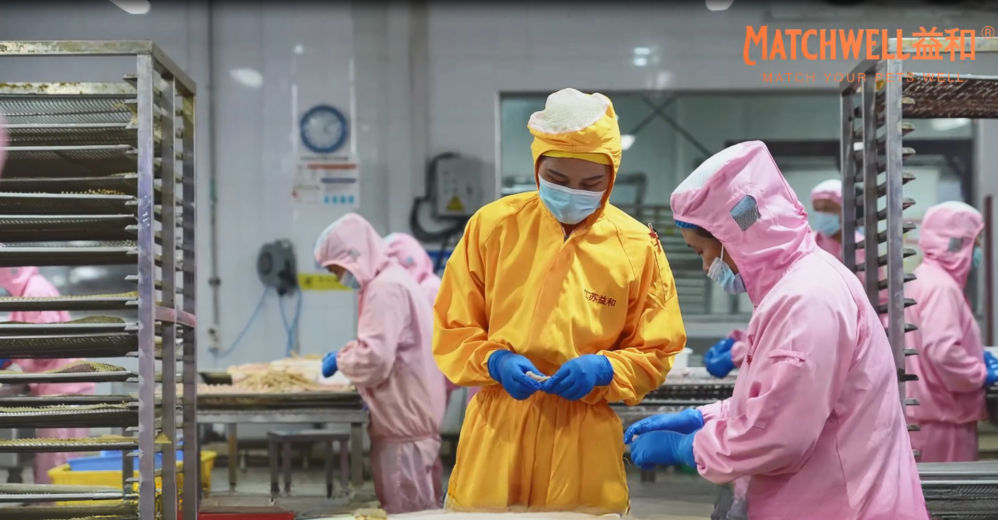
A private label manufacturer produces supplements that are branded and sold under your company’s name. You control:
- Brand identity
- Packaging design
- Market positioning
- Distribution channels
The manufacturer handles:
- Formula development
- Raw material sourcing
- Production
- Quality control
- Compliance documentation
- Testing and certification
This model allows distributors and retailers to transition from reselling other brands to owning their own brand equity.
Core Product Forms in Pet Supplements
When selecting a manufacturing partner, it’s important to understand the common supplement formats in the market.
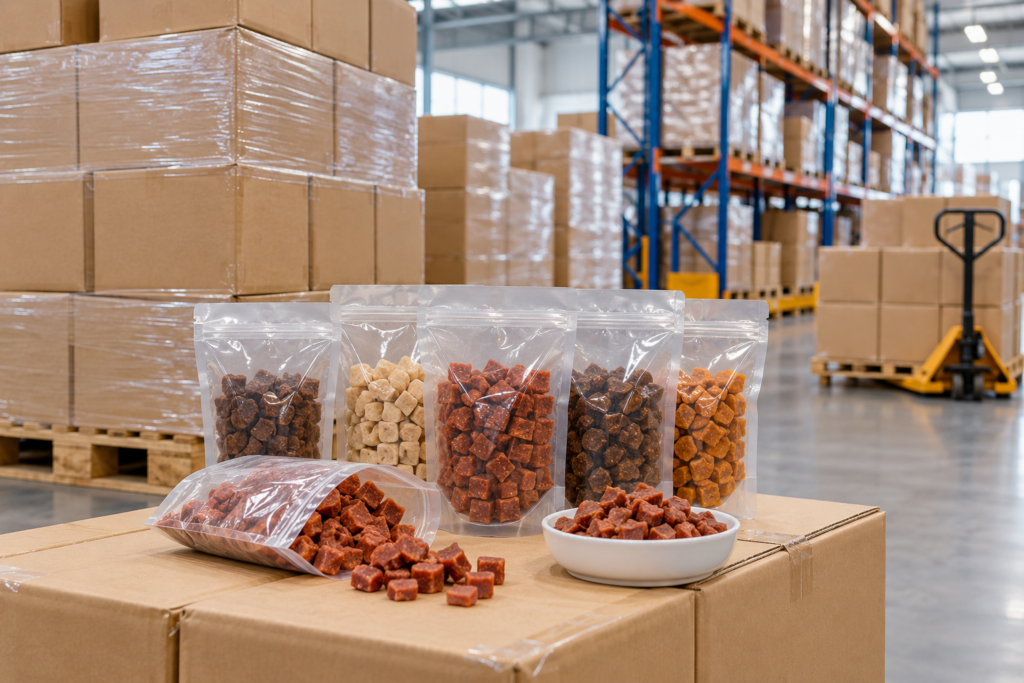
1. Soft Chews (Functional Treat Format)
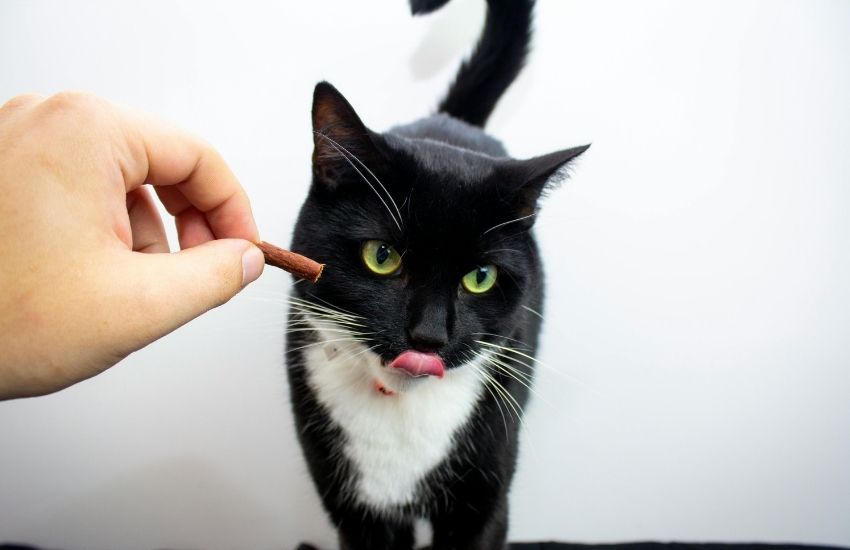
Soft chews are currently the fastest-growing format.
Advantages:
- High palatability
- Easy daily feeding
- Treat-like consumption experience
- Ideal for Amazon & retail shelf sales
Popular formulas:
- Glucosamine + Chondroitin (joint support)
- Probiotics + Digestive enzymes
- Melatonin + L-theanine (calming)
- Omega fatty acids (skin & coat)
For wholesalers, soft chews combine the psychology of a treat with the value of a supplement.
2. Powder Supplements
Powders are ideal for:
- Gut health
- Multivitamins
- Functional blends
- Custom formulations
They allow flexible dosing and often have lower production cost compared to chews.
3. Liquid Supplements
Liquid formats are common in:
- Omega-3 oils
- Vitamin blends
- Calming tinctures
They are highly effective but require strict stability control and packaging safety.
OEM vs ODM: What’s the Difference?
Understanding this distinction is critical for buyers.
OEM (Original Equipment Manufacturing)
You provide:
- Formula
- Ingredient specification
- Branding concept
The factory produces according to your exact requirements.

Best for: Large distributors with technical teams or established formulas.
ODM (Original Design Manufacturing)
The manufacturer provides:
- Ready-made proven formulas
- Stability data
- Market-tested ingredients
You customize:
- Flavor
- Packaging
- Label design
- Brand positioning
Best for:
- Amazon private label sellers
- Supermarket chains
- Regional distributors launching new lines
ODM dramatically shortens time-to-market.
What to Look for in a Private Label Pet Supplement Manufacturer
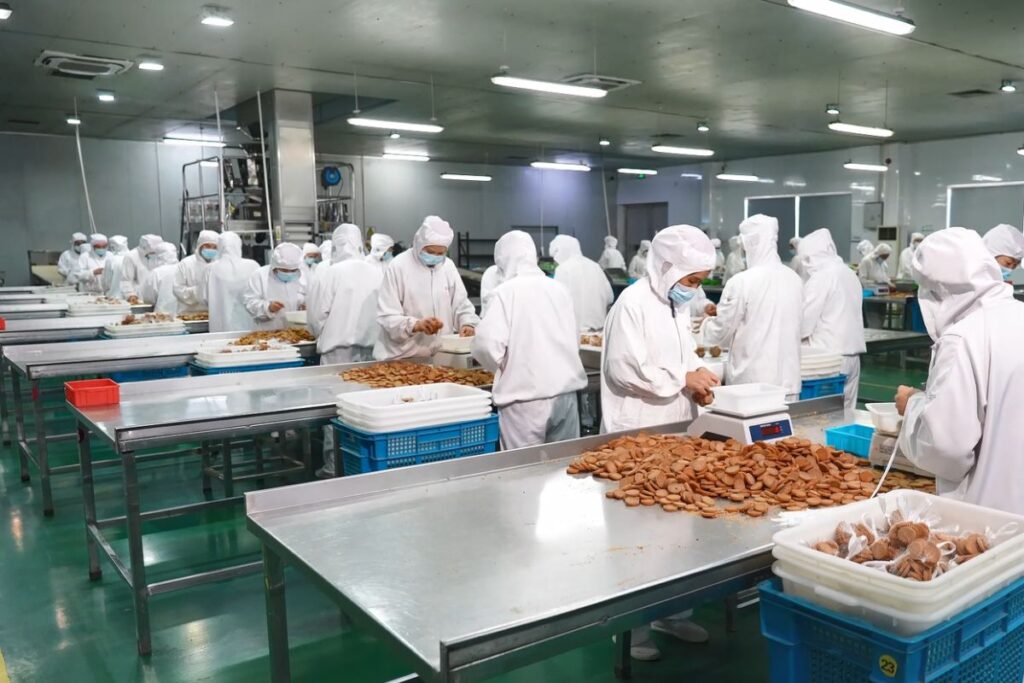
Not all factories are equal. Professional buyers should evaluate suppliers on the following criteria:
1. Regulatory & Quality Compliance
Look for:
- GMP-compliant facilities
- HACCP systems
- Third-party laboratory testing
- Heavy metal and microbial testing
A serious manufacturer will provide full COA (Certificate of Analysis) for every batch.
2. Ingredient Transparency
Ask for:
- Raw material origin
- Active ingredient concentration
- Stability studies
- Shelf-life validation
Premium brands win because they provide clinical-level transparency.
3. Customization Capability
A true OEM/ODM partner should support:
- Flavor masking technology
- Functional ingredient blending
- Private mold packaging
- Custom jar, pouch, or blister pack solutions
- Low MOQ for trial orders
This flexibility allows wholesalers to test markets before scaling.
4. Production Capacity & Lead Time
For Amazon sellers and supermarket buyers, stock-out risk is dangerous.
Evaluate:
- Monthly production volume
- Average lead time
- Scalability during peak season
- Raw material supply chain stability
High-Potential Supplement Categories for 2026
If you are planning your next product line, consider these fast-moving segments:
Joint Support (Aging Pet Market)
- Glucosamine
- MSM
- Chondroitin
- Collagen
Strong demand in North America and Europe.
Calming & Anxiety Relief
- L-theanine
- Chamomile
- Valerian root
- Melatonin
Particularly popular in urban markets.

Skin & Coat Health
- Omega-3 (EPA/DHA)
- Biotin
- Zinc
Highly visible results = strong repeat purchase.
Gut Health & Probiotics
- Bacillus strains
- Digestive enzymes
- Prebiotics
This category continues to grow due to digestive sensitivity issues.
Margin Potential: Why Wholesalers Are Moving into Supplements
Compared with standard pet treats:
| Category | Average Margin Potential | Repeat Rate | Brand Differentiation |
|---|---|---|---|
| Regular Treats | Medium | Medium | Low |
| Functional Treats | High | High | Medium |
| Supplements | Very High | Very High | High |
Supplements position your brand in a health authority role, not just a snack supplier.
That shift builds long-term business value.
Risk Control in Private Label Manufacturing
Professional buyers minimize risk through:
- Small pilot batch orders
- Market testing via Amazon or regional distribution
- Third-party lab verification
- Clear supply agreements
- Gradual SKU expansion
A strategic manufacturer should guide you through this process — not just produce goods.
Why Partner with an Experienced Pet Manufacturer
An established pet factory with experience in treats and functional nutrition can offer:
- Flavor expertise for palatable supplements
- Raw material sourcing stability
- Integrated quality control systems
- International export compliance
- OEM & ODM customization
For wholesalers, this means lower operational friction and faster scaling.
Final Thoughts: Private Label Is No Longer Optional — It’s Strategic
The pet industry is shifting from transactional sales to brand-driven, functional health ecosystems.
If you are:
- An Amazon seller
- A supermarket buyer
- A regional pet distributor
- An importer building your own brand
Working with professional private label pet supplement manufacturers gives you:
✔ Control over pricing
✔ Higher margins
✔ Brand equity ownership
✔ Market differentiation
✔ Long-term competitive advantage
The opportunity is not just selling supplements.
It’s building a sustainable pet health brand that customers trust.