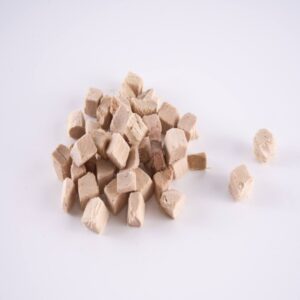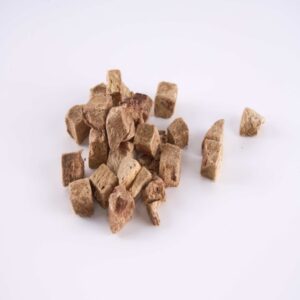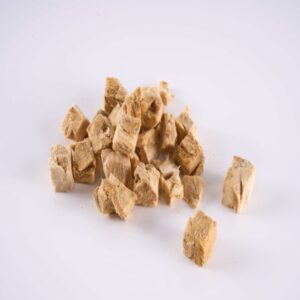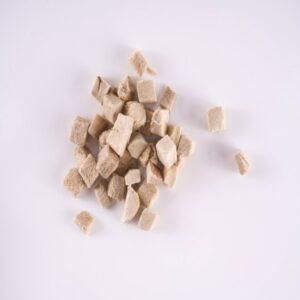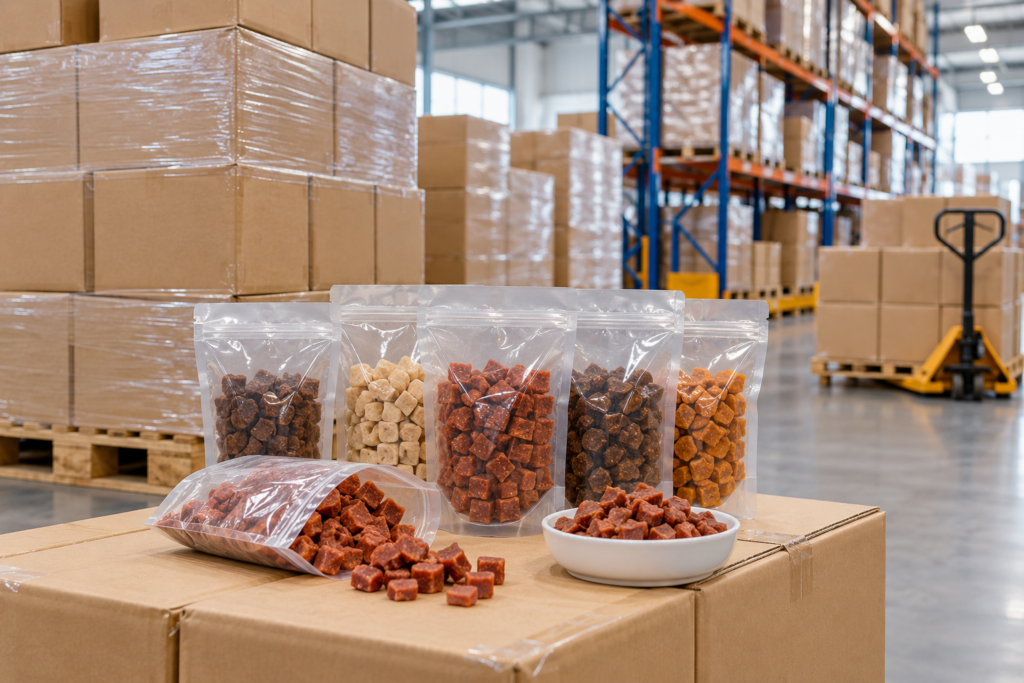

Wholesale Pet Treat
The global pet treats market is entering a new phase in 2026. For online sellers, Amazon aggregators, supermarket chains, and regional distributors, the question is no longer whether to sell pet treats — it is how to protect margin, differentiate products, and secure long-term supply stability.
Across North America, Europe, Southeast Asia, and the Middle East, wholesale buyers are increasingly shifting from trading branded products to private label manufacturing.
This is not a short-term trend. It is a structural shift in how B2B buyers build their pet food business.
In this article, we break down the commercial logic behind this transition and explain why private label is becoming the preferred strategy for professional wholesale pet treat buyers in 2026.
1. Margin Pressure Is Forcing Structural Change

Retail competition has intensified significantly:
- Amazon marketplace price wars
- Supermarket private brand expansion
- Rising raw material and logistics costs
- Platform advertising costs increasing year over year
When wholesalers rely on third-party brands, margins are squeezed from two sides:
• Brand owners control pricing
• Platforms compress resale margins
Private label manufacturing changes that structure.
Instead of acting as a reseller, wholesalers become brand owners. This provides:
- Direct control over pricing strategy
- Better margin protection
- Flexible promotion strategies
- Stronger negotiation leverage with retailers
In 2026, margin stability is not optional — it is essential.
2. Brand Differentiation Is Now a Survival Strategy
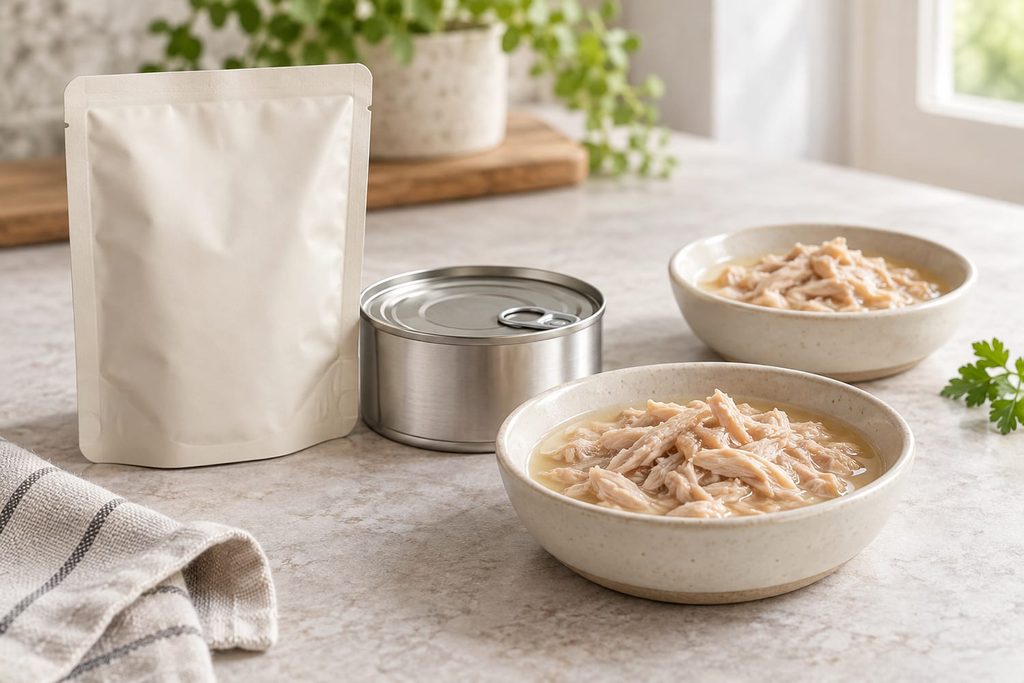
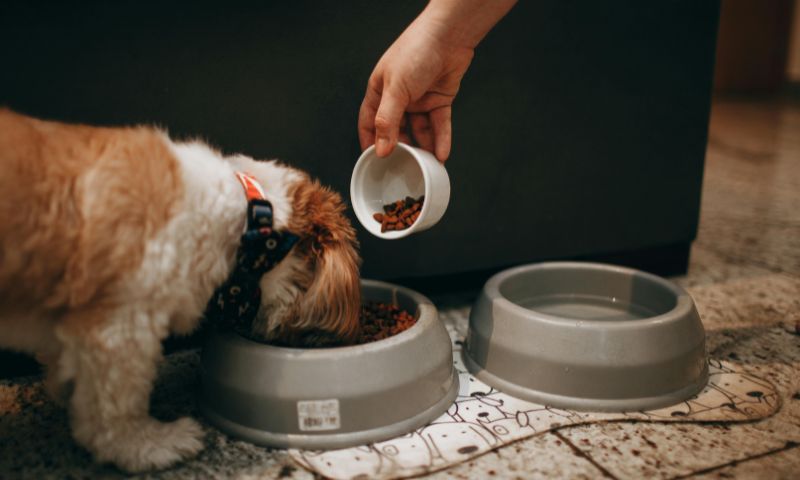
Search results for “freeze dried dog treats” or “wet cat treats” on Amazon show hundreds of similar products.
Generic branded resale models create three problems:
- Homogeneous product offerings
- Direct price comparison
- No brand equity accumulation
Private label manufacturing solves these challenges through:
- Customized formulations
- Unique packaging design
- Exclusive SKUs
- Market-specific product positioning
Wholesale buyers are realizing that long-term asset value lies in brand ownership, not distribution rights.
A private label SKU becomes a controllable asset — not a commodity.
3. Supermarkets Prefer Private Brands
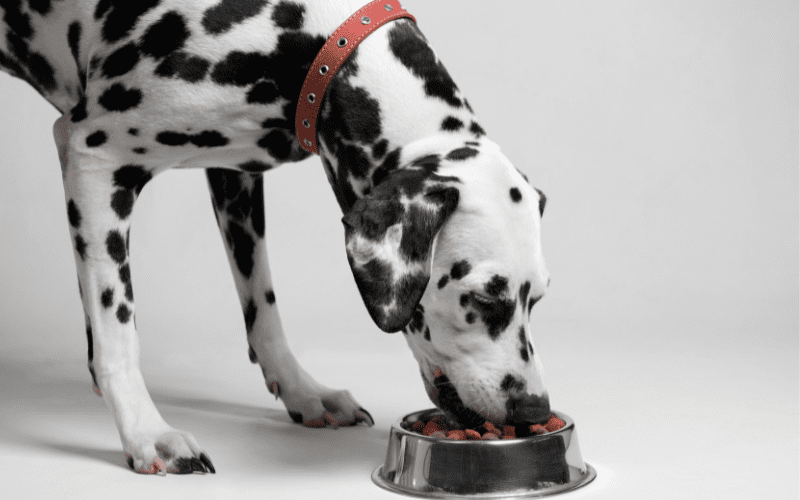
Large retailers and supermarket chains are expanding their own pet treat brands to increase profitability.
Retailers prefer:
- Direct factory sourcing
- Stable long-term production partners
- Custom packaging under retailer brand
- Compliance-ready export documentation
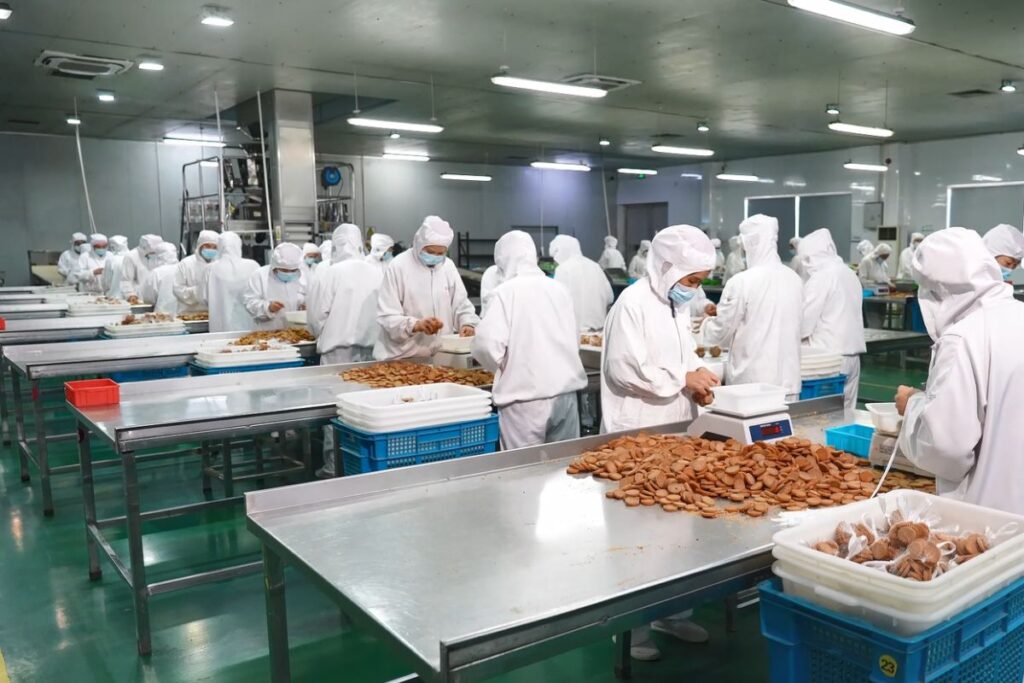
Factories with certifications such as BRC, IFS, and FSSC 22000 are becoming preferred manufacturing partners because they reduce compliance risk.
For wholesalers targeting large chains, having OEM capability is no longer optional — it is a requirement for supplier approval.
4. Consumer Trends Are Driving Customization
2026 pet treat trends are clear:

- High-protein formulations
- Functional treats (joint support, digestion, skin & coat)
- Limited ingredient recipes
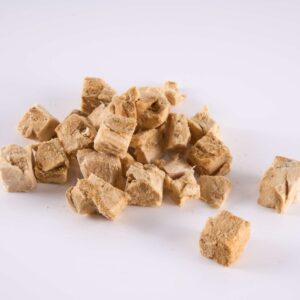
- Freeze-dried and air-dried snacks
- Grain-free positioning
Wholesale buyers cannot rely on generic SKUs to respond to fast-moving trends.
Private label allows:
- Formula adjustment based on regional demand
- Ingredient optimization for regulatory compliance
- Targeted nutritional claims
- Flexible packaging sizes
Speed to market is critical. Working directly with a professional OEM/ODM pet treats manufacturer ensures rapid development cycles.
5. Supply Chain Risk Reduction
Global trade volatility has made supply reliability a strategic concern.
Wholesale buyers in 2026 are focusing on:
- Multi-country export experience
- Strong third-party inspection systems
- Transparent raw material sourcing
- Stable production capacity
A structured factory partner provides:
• Raw material inspection
• In-process quality control
• Third-party testing verification
This three-step quality control approach reduces recall risk and protects buyer reputation.
For supermarket and Amazon sellers, a single compliance issue can destroy years of brand building. That risk makes professional private label manufacturing increasingly attractive.
6. Advertising Efficiency Improves With Brand Ownership
Paid traffic costs continue to rise.
When selling generic branded products:
- Keywords are highly competitive
- Product differentiation is weak
- Advertising ROI is unstable
Private label products allow:
- Brand keyword targeting
- Customer loyalty programs
- Repeat purchase ecosystem
- Subscription models
Owning the brand significantly improves long-term advertising efficiency.
In 2026, traffic cost control is directly linked to brand ownership strategy.
7. MOQ Flexibility and Scalable Growth
Modern OEM manufacturers understand that wholesale buyers require scalable cooperation models.
Key factors buyers evaluate:
- Minimum Order Quantity (MOQ) flexibility
- Lead time stability
- Packaging customization capability
- Regulatory documentation support
Professional private label partners offer:
- Custom packaging artwork support
- Multilingual labeling
- Country-specific compliance documentation
- Sample testing support
This structured cooperation model allows buyers to scale step-by-step without excessive inventory risk.
8. Data-Driven Product Development
Wholesale buyers are now data-driven operators.
They analyze:
- Search volume trends
- Retail sales velocity
- Platform conversion rates
- Customer reviews
Private label manufacturing allows data to directly influence product development:
• Reformulate based on review feedback
• Improve palatability profile
• Adjust texture or size
• Launch limited seasonal editions
Traditional brand resale does not allow this level of flexibility.
9. Global Export Capability Matters
In 2026, many wholesale buyers operate multi-country distribution models.
They require manufacturing partners with:
- Experience exporting to 50+ countries
- Cooperation with third-party inspection institutions
- Compliance with different import standards
Export-ready factories simplify cross-border expansion.
This is one of the strongest drivers behind the shift to private label.

10. Private Label Is No Longer “Cheap” — It Is Strategic
In the past, private label was associated with low cost.
In 2026, it represents:
- Brand asset creation
- Margin protection
- Supply chain security
- Market adaptability
- Long-term scalability
Wholesale pet treat buyers are thinking like brand builders, not traders.
That mindset shift is the core reason for the migration toward private label manufacturing.
What This Means for Wholesale Buyers
If you are:
• An Amazon pet treat seller
• A regional distributor
• A supermarket procurement manager
• A pet specialty chain buyer
The competitive landscape is evolving quickly.
Private label manufacturing allows you to:
- Build defensible brand value
- Protect gross margins
- Customize according to market demand
- Reduce long-term operational risk
Working with an experienced OEM/ODM pet treats manufacturer ensures:
- Stable production capacity
- International certifications
- Quality control compliance
- Flexible product development
Final Thoughts
The shift toward private label pet treats is not temporary. It is a strategic evolution in how wholesale buyers operate.
In 2026, control over brand, supply chain, and margin structure determines long-term success.
Buyers who transition early will capture higher profitability, stronger retailer relationships, and sustainable competitive advantage.
For professional wholesale pet treat buyers, private label manufacturing is no longer an alternative.
It is the future.