
How to Start a Private Label Dog Treat Brand
The pet industry is no longer a “small niche” business. In the United States alone, pet industry spending continues to break records every year, and dog treats are one of the fastest-growing categories. More consumers are looking for healthier ingredients, functional nutrition, freeze dried snacks, limited ingredient formulas, and premium packaging.
At the same time, Amazon sellers, pet boutiques, supermarket chains, and online pet brands are all searching for reliable private label manufacturing partners.
That creates a huge opportunity.
Starting a private label dog treat brand in 2026 does not require owning a factory or investing millions in production equipment. Many successful pet brands today started with a manufacturer, a clear brand concept, and smart digital marketing.
But there is a major difference between brands that scale successfully and brands that disappear after six months.
The successful brands understand:
- Market positioning
- Ingredient trends
- Packaging psychology
- Compliance requirements
- Supply chain stability
- SEO and Google traffic
- Consumer trust signals
- Repeat purchase behavior
This guide explains how to build a dog treat brand step by step while avoiding the most common mistakes new businesses make.
Why Private Label Dog Treats Are Growing So Fast
Private label pet products have exploded globally because retailers and eCommerce sellers want:
- Higher profit margins
- Brand ownership
- Customer loyalty
- Product differentiation
- More control over marketing
Instead of competing directly against giant brands on price alone, retailers are building their own identities.
Consumers also trust smaller pet brands more than they did five years ago. Many dog owners now actively search for:
- Natural dog treats
- Human-grade ingredients
- Grain-free recipes
- Freeze dried dog treats
- Functional treats for skin, joints, digestion, or calming
- Single protein treats
- Limited ingredient treats
That means new brands can enter the market if they communicate quality and trust correctly.
Step 1: Choose Your Dog Treat Niche
One of the biggest mistakes beginners make is trying to sell “everything.”
A focused niche performs much better in Google search rankings and marketplace algorithms.
Instead of launching a generic dog snack brand, focus on a category with a clear customer demand.
Popular Dog Treat Niches in 2026
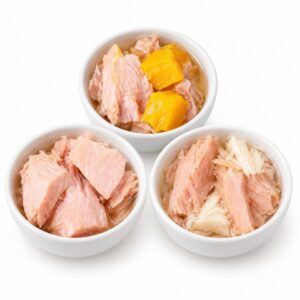
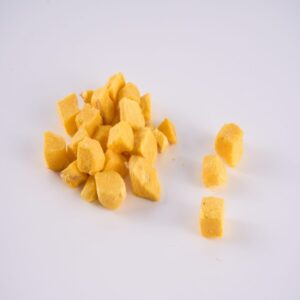
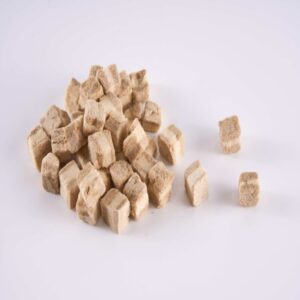
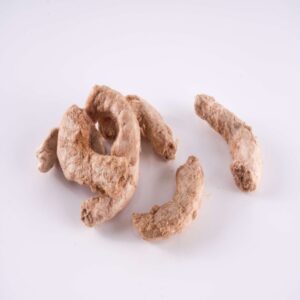
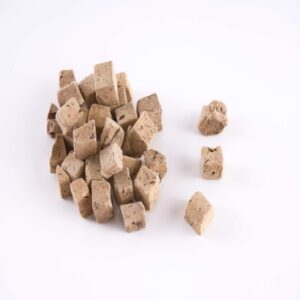
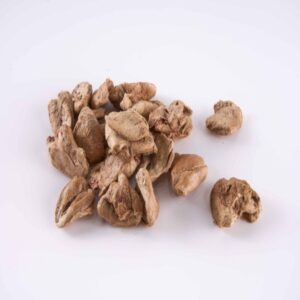
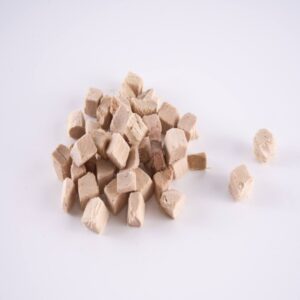
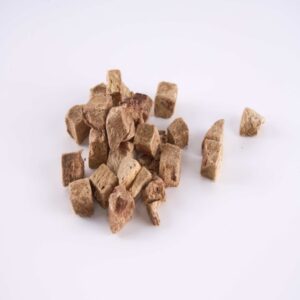
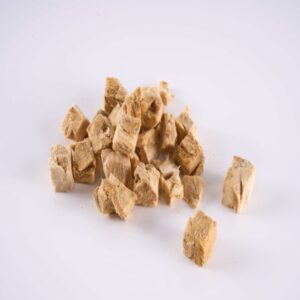
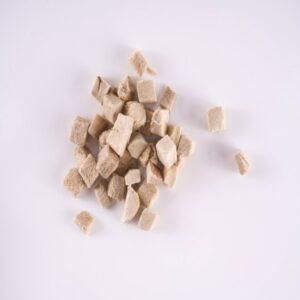
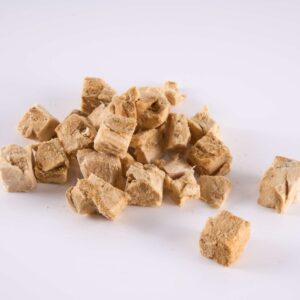
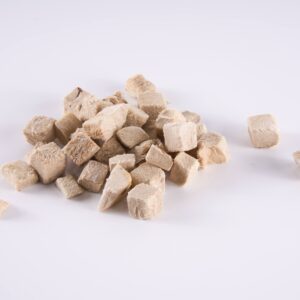
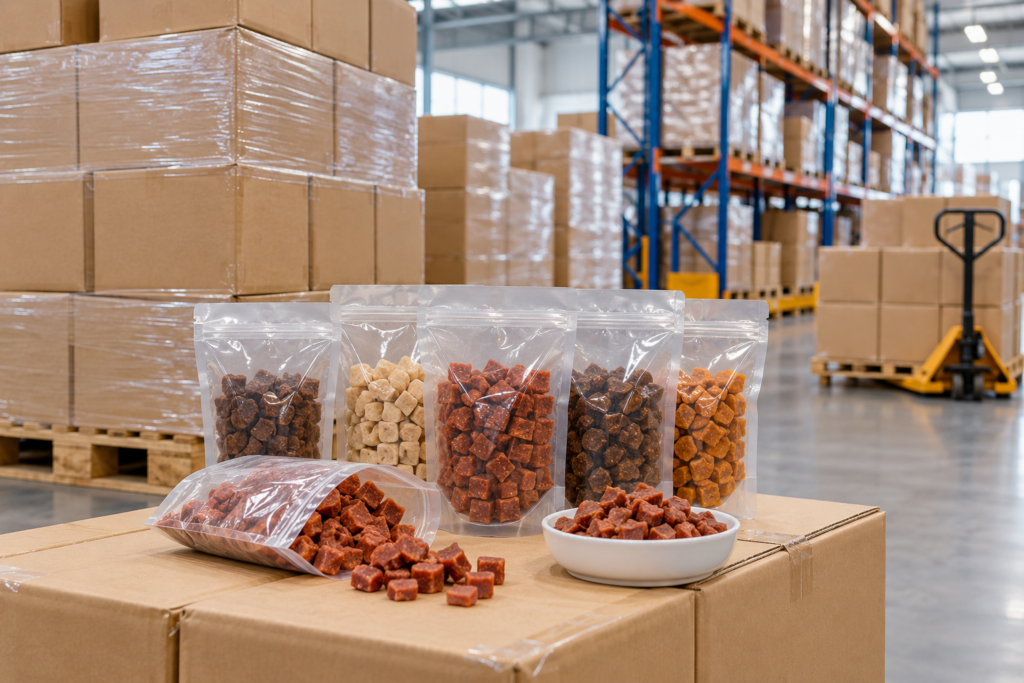
Freeze Dried Dog Treats
This category continues growing because consumers associate freeze drying with premium nutrition and high protein retention.
Popular proteins include:
- Chicken
- Duck
- Beef liver
- Salmon
- Rabbit
- Lamb

Functional Dog Treats
Consumers increasingly want treats that support:
- Joint health
- Skin and coat
- Digestion
- Dental care
- Anxiety reduction
- Weight management
Natural and Limited Ingredient Treats
Dog owners are reading ingredient labels more carefully than ever.
Simple ingredient decks create stronger consumer trust.
Training Treats
Small-size low-calorie treats remain popular among professional trainers and active dog owners.
Breed-Specific or Life-Stage Treats
Examples include:
- Puppy treats
- Senior dog treats
- Small breed treats
- Large breed dental chews
The more specific your positioning is, the easier your marketing becomes.
Step 2: Research Your Competitors Carefully
Before choosing products, study successful brands.
Look at:
- Amazon best sellers
- Chewy product listings
- TikTok pet brands
- Instagram dog treat brands
- Walmart pet sections
- Costco pet snack packaging
Pay close attention to:
Product Reviews
Customer complaints are market research gold.
Look for recurring issues like:
- Bad smell
- Crumbling texture
- Greasy packaging
- Dogs refusing the treat
- Poor resealable bags
- Inconsistent sizes
These weaknesses become opportunities for your brand.
Packaging Design
Premium pet packaging often uses:
- Clean minimalist designs
- Ingredient transparency
- Large protein images
- Functional benefit icons
- Resealable zipper bags
- Matte packaging finishes
Pricing Structure
Calculate:
- Retail price
- Estimated landed cost
- Estimated manufacturer cost
- Amazon fees
- Advertising spend
- Profit margins
Many new brands underestimate advertising costs.
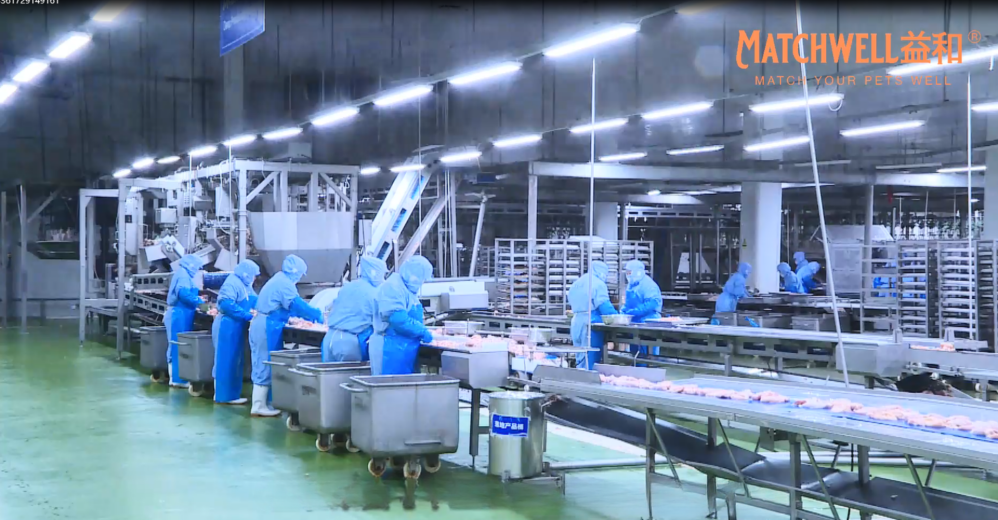
Step 3: Find a Reliable Wholesale Dog Treat Manufacturer
Your manufacturer can determine whether your brand succeeds or fails.
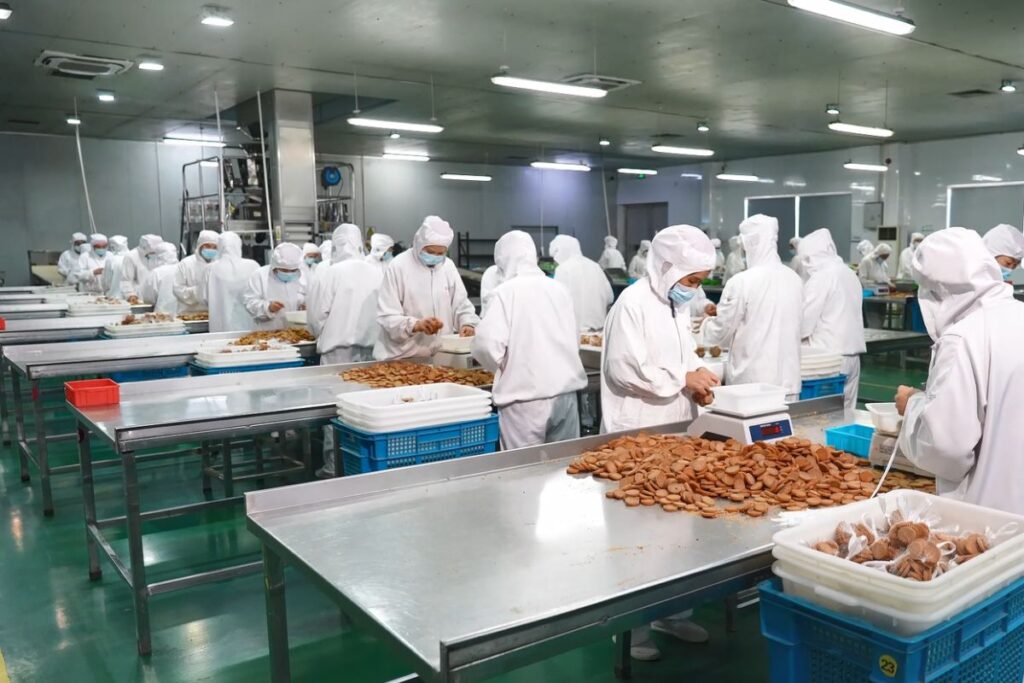
A strong manufacturing partner should provide:
- Stable production quality
- Food safety certifications
- Flexible MOQ options
- Packaging customization
- R&D support
- Export experience
- Reliable lead times
- Ingredient traceability
Important Certifications to Look For
Professional buyers often require factories with certifications such as:
- BRC
- IFS
- HACCP
- ISO22000
- FDA registration
- FSSC 22000
These certifications help build retailer trust and simplify import procedures.
Questions to Ask Manufacturers
Before selecting a supplier, ask:
What is your MOQ?
Some factories require full container orders, while others support startup quantities.
Can you support private label packaging?
Ask whether they provide:
- Bag printing
- Labels
- Custom cartons
- Retail-ready packaging
Can you provide samples?
Always test samples before committing.
What proteins and formulas are available?
A wider product portfolio helps future expansion.
Do you export to the US or Europe?
Factories familiar with export regulations reduce compliance risks.
For businesses looking for experienced wholesale pet treat manufacturing support, manufacturers like urlMatchwell Petshttps://matchwellpets.com provide private label and OEM solutions for global pet brands.
Step 4: Build a Strong Brand Identity
Your brand is much more than a logo.
Consumers buy emotionally first.
Especially in pet products.
Dog owners see pets as family members.
That means your branding must create:
- Trust
- Safety
- Emotional connection
- Premium perception
- Consistency
Choose a Clear Brand Personality
Examples:
- Premium luxury brand
- Natural organic brand
- Adventure outdoor brand
- Vet-focused health brand
- Fun playful social media brand
Every design decision should match that personality.
Brand Naming Tips
A strong dog treat brand name should be:
- Easy to pronounce
- Easy to remember
- Short
- Emotionally appealing
- Available as a domain name
Avoid complicated names that are difficult to spell.
Step 5: Design Packaging That Sells
Packaging influences buying decisions instantly.
Consumers often judge product quality within seconds.
Effective Dog Treat Packaging Includes:
Clear Ingredient Positioning
Examples:
- “Made with Real Duck”
- “Single Ingredient”
- “Freeze Dried Raw”
- “High Protein Recipe”
Functional Benefits
Highlight benefits such as:
- Skin & coat support
- Joint support
- Digestive health
- Training-friendly size
Feeding Transparency
Customers appreciate detailed:
- Feeding guides
- Ingredient lists
- Calorie information
- Sourcing transparency
Resealable Packaging
Consumers love convenience.
A poor zipper experience damages customer satisfaction quickly.
Step 6: Understand Pet Food Regulations
This step is critical.
Pet food compliance rules vary by country.
United States
Products generally need:
- FDA compliance
- Proper labeling
- Ingredient declarations
- Guaranteed analysis
- Nutritional statements
European Union
EU pet food regulations can require:
- Traceability systems
- Approved ingredient sourcing
- Label compliance
- Import documentation
Middle East and Southeast Asia
Some countries require:
- Health certificates
- Product registration
- Halal documentation
- Facility approvals
A manufacturer with export experience can help simplify these processes.
Step 7: Build an SEO-Driven Website
Many private label brands fail because they rely entirely on paid ads.
SEO creates long-term traffic.
A professional website should include:
- Homepage
- Product pages
- About page
- Contact page
- Blog section
- Certifications page
- FAQ section
Important SEO Keywords
Examples include:
- wholesale dog treats
- private label dog treats
- wholesale pet treats
- freeze dried dog treats
- OEM dog treats manufacturer
- natural dog treats wholesale
Blog Content Strategy
Educational content builds authority.
Examples:
- Best Dog Treat Trends in 2026
- Freeze Dried vs Baked Dog Treats
- What Retailers Look for in Wholesale Pet Treat Suppliers
- How to Read Dog Treat Ingredient Labels
Long-form educational blogs improve Google rankings and attract B2B buyers organically.
Step 8: Launch on Multiple Sales Channels
Do not depend on one platform.
Successful brands diversify.
Amazon
Amazon remains one of the fastest ways to validate demand.
However, competition is intense.
Strong packaging and reviews matter heavily.
Shopify or WordPress Website
Owning your website gives:
- Better margins
- Customer data ownership
- SEO traffic opportunities
- Brand control
TikTok Shop
Short-form videos drive strong impulse purchases for pet products.
Videos showing:
- Dogs reacting to treats
- Ingredient closeups
- Freeze dried texture
- Feeding excitement
often perform well.
Retail Stores
Independent pet stores are often open to testing new brands.
Retail buyers usually care about:
- Packaging appearance
- Margin structure
- Product uniqueness
- Supply stability
Step 9: Focus on Reviews and Repeat Purchases
Your first sale is important.
But repeat purchases determine whether your brand survives.
Dog treats are a recurring purchase category.
That means customer retention matters more than one-time advertising spikes.
Ways to Increase Repeat Purchases
Consistent Product Quality
Inconsistent treats destroy trust quickly.
Fast Customer Service
Pet owners expect fast responses.
Subscription Options
Auto-delivery models improve retention.
Educational Content
Helpful blogs and videos build stronger brand loyalty.

Common Mistakes New Dog Treat Brands Make
Choosing the Cheapest Manufacturer
Low pricing often creates quality problems later.
Ignoring Packaging Quality
Cheap packaging damages premium perception.
Selling Too Many Products Immediately
Start focused.
Expand later.
Poor Product Photography
Visual quality heavily affects conversion rates.
No SEO Strategy
Without organic traffic, advertising costs can become unsustainable.
How Much Does It Cost to Start a Private Label Dog Treat Brand?
Startup costs vary widely.
A small launch may require:
| Expense | Estimated Range |
|---|---|
| Product Samples | $100–$500 |
| Packaging Design | $300–$2,000 |
| Initial Inventory | $2,000–$15,000 |
| Website Development | $500–$3,000 |
| Product Photography | $300–$2,000 |
| Advertising Budget | $1,000–$10,000 |
Some Amazon-first brands start lean.
Retail-focused brands often require larger inventory investments.
Why Freeze Dried Dog Treats Continue Dominating Growth
Among all pet treat categories, freeze dried treats remain one of the strongest opportunities.
Consumers associate freeze drying with:
- High protein quality
- Minimal processing
- Premium nutrition
- Better flavor retention
- Raw feeding compatibility
Retailers also prefer premium categories because they generate higher margins.
This is why many new private label brands start with freeze dried dog treats before expanding into broader product lines.
Final Thoughts
Starting a private label dog treat brand in 2026 is a realistic business opportunity for entrepreneurs, Amazon sellers, pet retailers, and distributors.
But long-term success requires more than simply placing a logo on generic products.
The strongest brands combine:
- Reliable manufacturing
- Strong branding
- Smart SEO
- High-quality packaging
- Market positioning
- Customer trust
- Consistent product quality
As competition increases, brands that focus on transparency, premium ingredients, and long-term customer relationships will continue gaining market share.
If you are exploring OEM or wholesale opportunities for freeze dried treats, natural snacks, or customized formulations, experienced suppliers likelMatchwell Pets Official Websitehttps://matchwellpets.com can help support product development and private label manufacturing.
The pet industry is still growing.
And consumers are spending more on pets than ever before.
For brands willing to build trust carefully and invest in quality, the opportunity remains enormous.