
2026 Pet Treat Trends: Seven Opportunities for Private Label Brands
The strongest private label pet treats in 2026 will do more than copy a national brand at a lower price. They will solve a clear customer need, communicate value quickly and fit the retailer’s channel, price architecture and replenishment cycle.
The category has room to grow. U.S. pet industry expenditure is projected to reach $165 billion in 2026, and Europe now has 140 million pet-owning households. Private label is also gaining momentum: the Private Label Manufacturers Association reports that Pet Care led all U.S. store-brand departments in 2025 unit growth, increasing 5.4%, while dollar sales rose 3.7%.
For retailers, distributors and emerging brands, the opportunity is attractive—but simply adding another chicken jerky SKU is not a strategy. This guide explains seven pet treat trends shaping 2026 and how to convert each one into a commercially viable product brief.
Why Private Label Pet Treats Are Gaining Ground
Pet owners are balancing two priorities. They continue to invest in their animals’ well-being, but they are more deliberate about price, product proof and ingredient quality. APPA describes this as a shift toward value-oriented spending rather than a retreat from pet ownership.

Private label is well positioned because it can combine differentiation with a controlled price ladder. A retailer can develop an entry product for routine rewards, a mid-tier natural line and a premium functional or freeze-dried range without paying for a national brand’s media structure.
The best-performing concepts usually have four qualities:
- a benefit that can be understood within seconds;
- an ingredient list that supports the claim;
- a format suited to the feeding occasion;
- manufacturing and packaging economics that work at the target retail price.
Opportunity 1: Functional Treats with a Specific, Credible Purpose
Functional pet treats are moving from a niche add-on to a core range opportunity. ADM’s global research found that 77% of pet parents would pay more for products with functional ingredients, while 84% showed interest in products that may help increase pet longevity.
Broad “wellness” claims are less persuasive than a specific use case. In 2026, buyers are looking at:
- digestive-support treats with fiber, prebiotics, probiotics or postbiotics;
- skin and coat treats with omega fatty acids;
- joint-support chews with selected active ingredients;
- dental treats designed around chewing action and oral-care positioning;
- calming treats for travel, grooming or routine stress moments;
- healthy-aging products with condition-specific formulation logic.
The formulation, dosage, serving size and claim language must agree. A functional ingredient added at a token amount may create label appeal but weaken consumer trust. Ask the manufacturer to confirm processing tolerance, analytical testing and regulatory suitability for the destination market before approving packaging.

Opportunity 2: Freeze-Dried and Minimally Processed Formats
Pet humanization continues to move eating cues from human food into the pet aisle. Innova Market Insights identifies raw, air-dried and freeze-dried formats as beneficiaries of the demand for high-quality, minimally processed products.
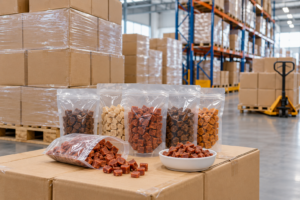
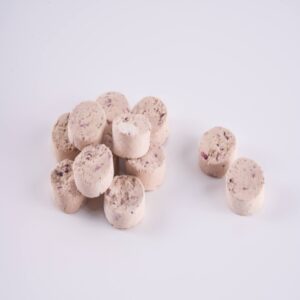
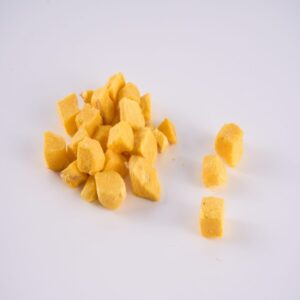
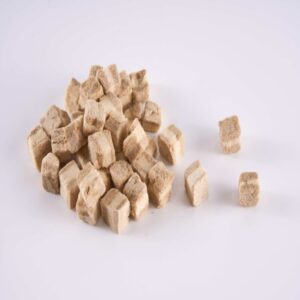
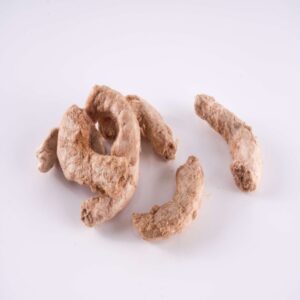
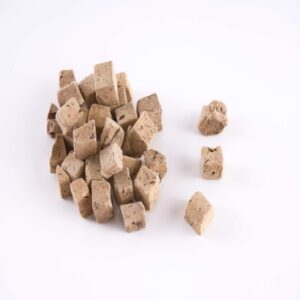
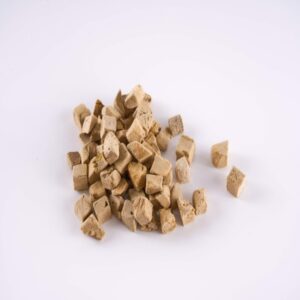
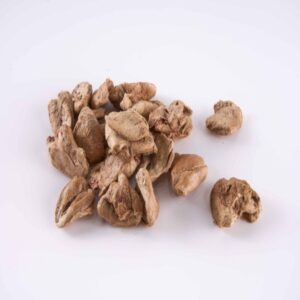
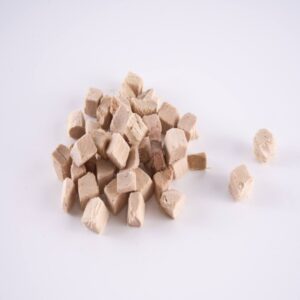
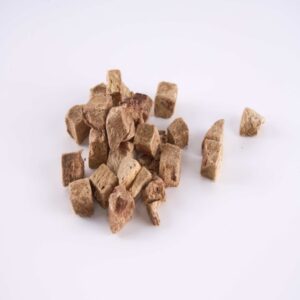
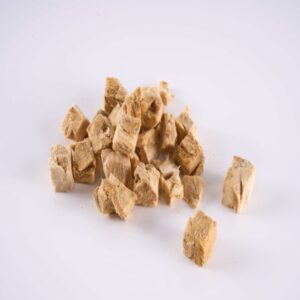
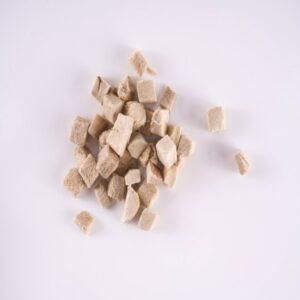
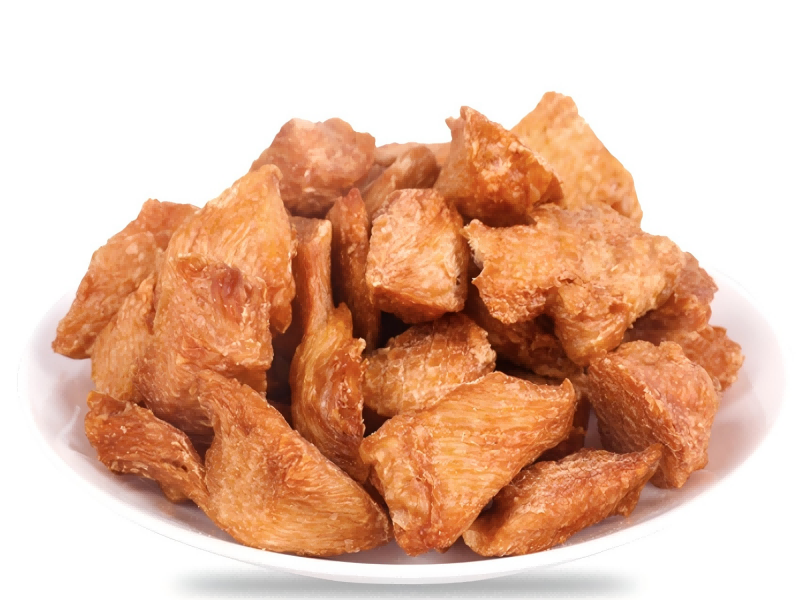
Freeze-dried pet treats are especially suitable for premium private labels because the format offers visible ingredient identity, light weight and a strong protein story. Single-ingredient chicken breast, beef liver, duck, fish and shellfish can be positioned for training, topping or everyday rewarding.
Commercial planning matters. Freeze-dried products can have higher ingredient and processing costs, while pieces may break during shipping. A good product brief should specify:
- target piece size and acceptable powder percentage;
- raw-material cut and visual standard;
- moisture and water-activity limits;
- oxygen and moisture barrier requirements;
- pack weight, headspace and secondary packaging;
- use as a treat, topper or dual-purpose product.
Smaller trial packs can lower the first-purchase barrier, while larger resealable packs support repeat buyers.
Opportunity 3: Single-Protein and Limited-Ingredient Treats
Protein remains one of the strongest purchase cues in pet food. At the same time, interest in digestibility, food sensitivities and transparent labels is supporting monoprotein and limited-ingredient concepts.
A single-protein treat is easy to explain, but the supply chain must support the promise. Cross-contact control, species identification, incoming inspection and cleaning procedures become important when a brand makes a narrow-protein claim.
Private label dog treats can also use differentiated proteins to build a price ladder. Chicken may serve the everyday tier, while duck, rabbit, turkey, tuna or scallop can create premium or rotation options. The goal is not novelty for its own sake. Each protein should have a clear consumer role and a reliable supply plan.
Opportunity 4: Hydration, Wet Treats and Food Toppers
Cat growth is one of the most important signals in the 2026 market. APPA reports that cat ownership reached 39% of U.S. households in 2025, with Gen Z and Millennials contributing strongly to the increase.
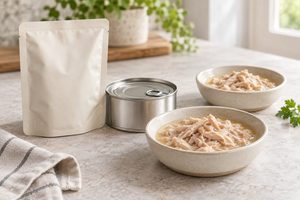
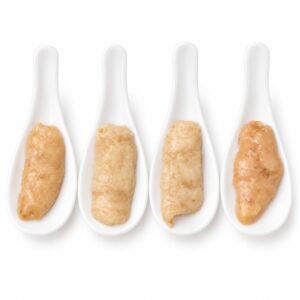
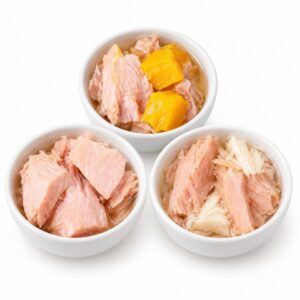
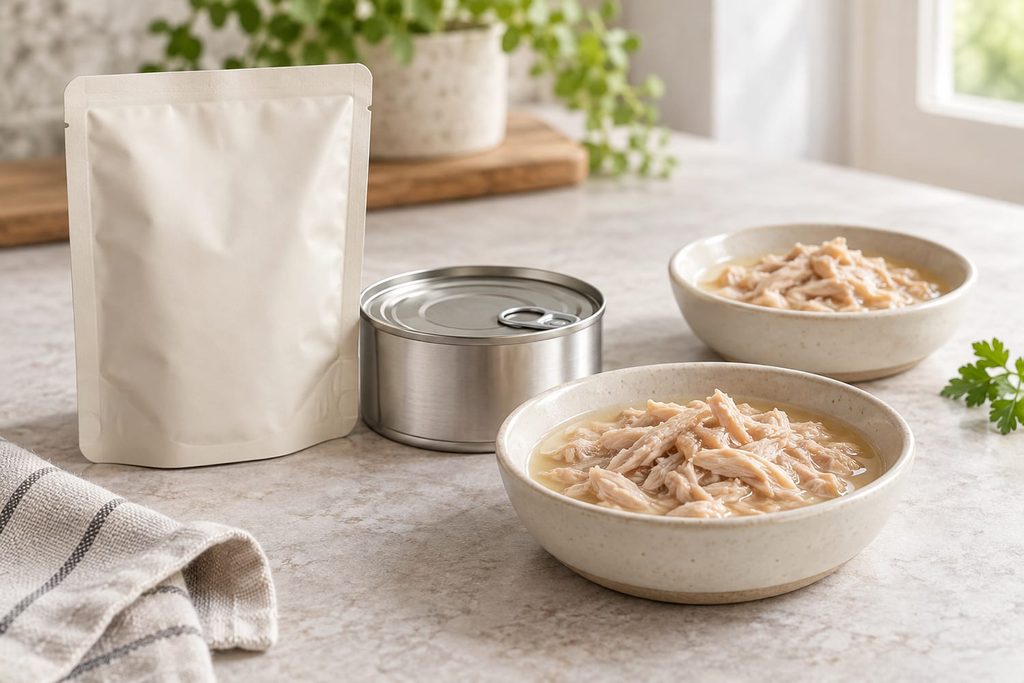
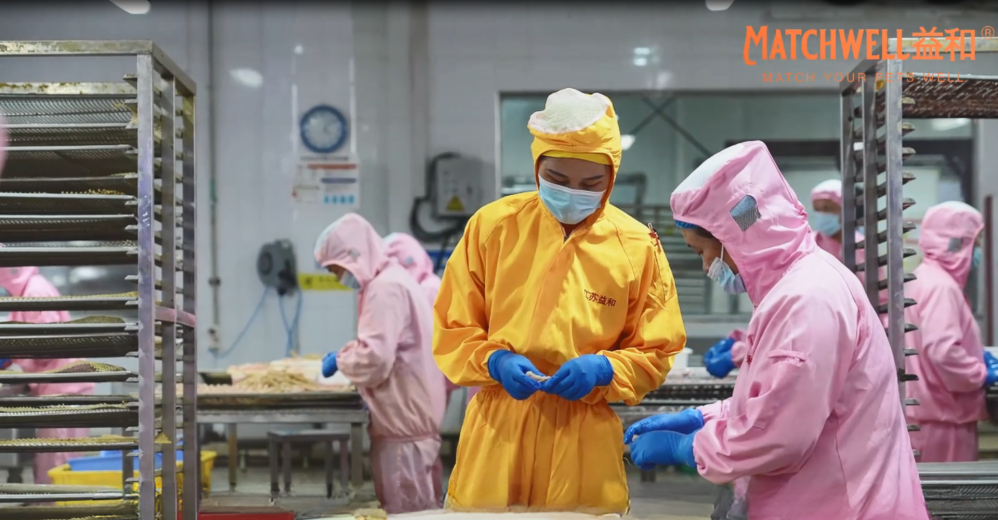
That supports continued interest in cat soups, broths, mousse, lickable treats and meal toppers. These formats can combine bonding, moisture intake and appetite appeal in a convenient single-serve pack. Dog brands can use related concepts such as broth toppers, training pouches and complementary wet snacks.
When developing wet private label cat treats, clarify whether the product is a complementary treat, topper or complete food. Nutritional adequacy, feeding directions, retort conditions, texture stability and packaging migration requirements differ by product type and market.
Hydration should be communicated carefully. A moisture-rich product can contribute water to the diet, but brands should avoid unsupported health or disease claims.
Opportunity 5: Occasion-Based Formats and Portion Control
Treats are tied to moments: training, walking, grooming, travel, bedtime, bonding and enrichment. Innova identifies occasion-based innovation, resealable packaging and on-the-go formats as emerging directions in 2026.
This creates opportunities beyond flavor changes:
| Occasion | Product format | Commercial benefit |
|---|---|---|
| Daily training | Small, low-calorie soft bites | High frequency and repeat purchase |
| Long walks | Lightweight resealable pouch | Portability and convenience |
| Home enrichment | Chews or slow-consumption formats | Longer engagement time |
| Cat bonding | Lickable tube or soup pouch | Interactive feeding experience |
| Trial or gifting | Multi-flavor variety box | Discovery and higher perceived value |
| Travel | Individually portioned packs | Hygiene and dosage control |
Occasion-led design helps a product earn a place in the routine. It also gives ecommerce listings, shelf tags and social content a clearer story.
Opportunity 6: Transparent Sourcing and Proof-Based Claims
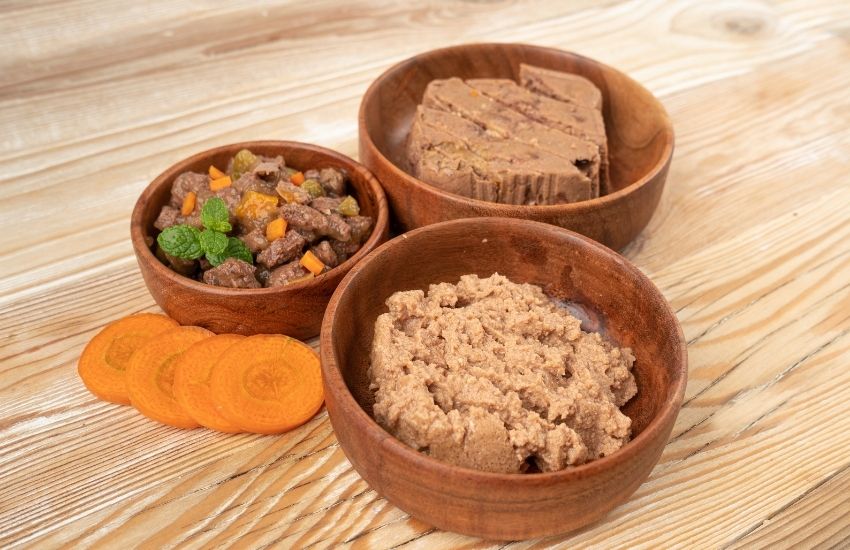
Ingredient transparency is becoming a competitive factor. Innova reports that 62% of pet owners prefer to know the country where pet food is manufactured. Buyers also want evidence behind claims such as natural, no added sugar, grain-free, human-grade or sustainably sourced.
Before printing a claim, confirm:
- the legal definition in the destination market;
- whether the formula and processing method qualify;
- which documents the manufacturer can provide;
- whether the claim remains accurate if a supplier changes;
- how the claim will be verified during ongoing production.
Useful B2B evidence may include ingredient specifications, certificates of analysis, microbiological testing, traceability records, packaging specifications and recognized food-safety certifications.
Transparency is not achieved by adding more badges. It comes from making a small number of relevant promises and having the documentation to support them.
Opportunity 7: Value Architecture Instead of a Single Price Point
Premiumization has not disappeared, but pet owners are asking why a product costs more. In 2026, brands should define value at each tier.
- Everyday value: familiar protein, efficient pack size and dependable quality.
- Natural core: short ingredient list, recognizable meat and clear exclusions.
- Premium: freeze-dried format, higher meat content or differentiated protein.
- Functional: a defined benefit supported by formulation and testing.
This architecture allows retailers to reach price-sensitive and benefit-driven shoppers without weakening the entire brand. It also gives the manufacturer a clearer cost target for each SKU.
Avoid building too many similar products at launch. Three well-separated concepts usually create a stronger test than eight flavors with no obvious difference.
How to Turn a Trend into a Manufacturable Product
Trends become useful only after they are translated into specifications. A complete private label brief should cover:
Target customer and channel
Define species, age or size, target market, online or offline channel, expected retail price and competitive set.
Product promise
Write one primary benefit in plain language. Secondary claims should support it rather than compete with it.
Formula and format
Specify protein source, ingredient exclusions, functional actives, texture, size, calorie target and feeding occasion.
Packaging
Choose pack weight, pouch or tub, barrier performance, display requirements, case count and multilingual label needs.
Compliance and testing
List destination-market requirements, claim support, analytical targets, microbiological limits and shelf-life expectations.
Commercial requirements
Include forecast volume, initial order, MOQ, launch date, target cost and replenishment plan.
For additional supplier-evaluation guidance, read Matchwell’s overview of wholesale pet treat suppliers.
A Lower-Risk 2026 Launch Plan
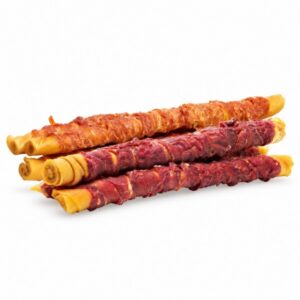
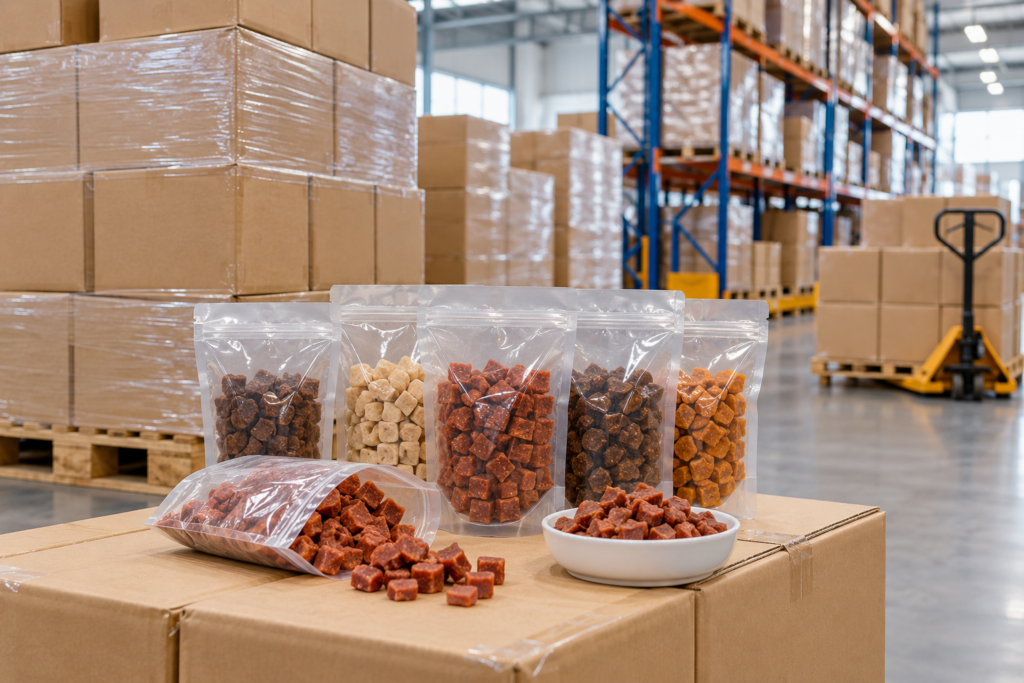
A practical launch can begin with one hero product and two supporting SKUs. For example, a dog range may use a single-ingredient freeze-dried hero product, a small training bite for repeat purchase and a long-lasting chew for category breadth. A cat range may combine a lickable treat, a freeze-dried protein and a hydration-focused soup pouch.
Request samples against a written specification, not a general flavor request. Evaluate appearance, aroma, texture, feeding response, pack durability and landed cost. Then run a limited market test before expanding the range.
The manufacturer should be involved early enough to identify process limitations and cost tradeoffs. Changing an active ingredient, piece size or barrier film after artwork approval can delay launch and create avoidable expense.
Build a Private Label Range for What Pet Owners Value Now
The 2026 pet treat market rewards focused innovation. Functional benefits, minimally processed proteins, hydration, convenient formats and credible sourcing all offer growth potential—but only when the product promise is easy to understand and the manufacturing plan is realistic.
Matchwell helps brands develop OEM and private label pet treats across jerky, freeze-dried, chew, wet and functional formats. Share your target market, product concept, packaging, forecast volume and target price to receive a more relevant development proposal.
Frequently Asked Questions
What are the strongest pet treat trends in 2026?
Functional benefits, freeze-dried and minimally processed proteins, limited-ingredient products, hydration-focused formats, occasion-based packaging, sourcing transparency and value-led private labels are among the strongest opportunities.
How long does private label pet treat development take?
Timing depends on whether the product uses an existing formula or a custom formulation, as well as sample revisions, packaging, testing and regulatory review. A manufacturer can provide a realistic schedule after receiving the complete product brief.
What should a brand ask a pet treat manufacturer?
Ask about relevant product experience, certifications, quality controls, traceability, testing, MOQ, customization limits, packaging options, lead time, export experience and ownership of formulas and artwork.
Are freeze-dried pet treats suitable for ecommerce?
Yes, because they are lightweight and premium, but breakage, oxygen exposure, moisture control and dimensional shipping cost should be addressed in the packaging specification.
Should a new brand launch many flavors?
Usually no. A focused range with distinct product roles produces clearer sales data and reduces inventory risk. Expand after identifying the strongest format, benefit and price point.
Research sources used