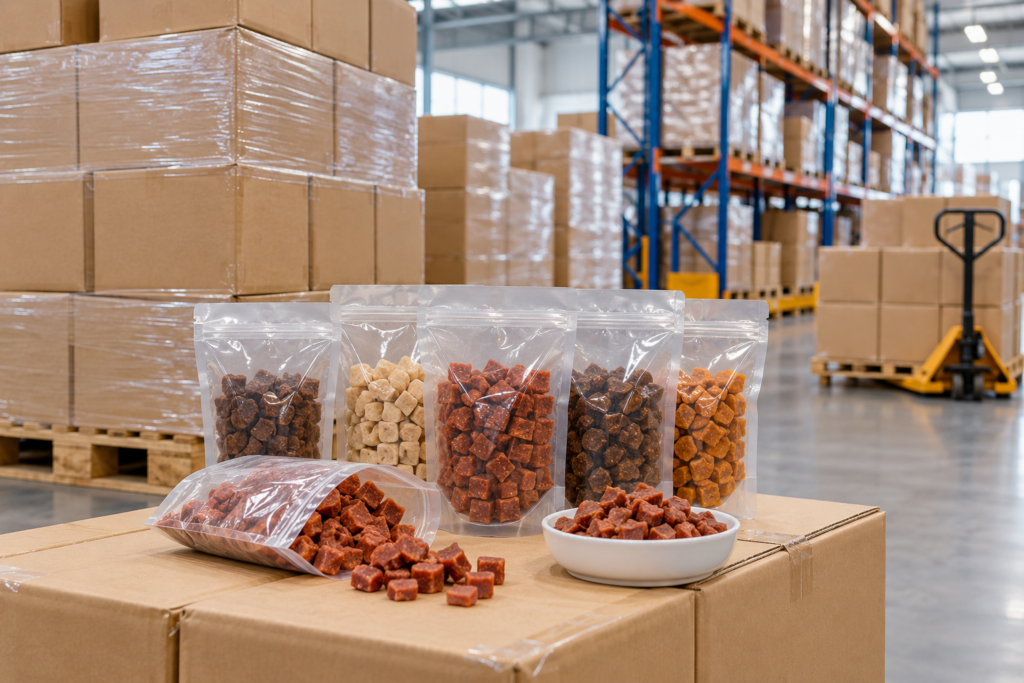

Wholesale Pet Treats Suppliers
If you are searching for wholesale pet treats suppliers, you are not just buying products. You are choosing a supply partner that can affect your margins, brand reputation, retail performance, and long-term growth.
For Amazon sellers, pet store chains, supermarket buyers, distributors, and private label brands, the right supplier can help you move faster, launch better products, maintain quality consistency, and respond to changing market demand. The wrong supplier can create delays, unstable quality, compliance risks, and unnecessary cost pressure.
This guide explains what wholesale buyers should really look for in pet treats suppliers, what product categories matter most, and how OEM and ODM services can help your business scale efficiently.
Why Wholesale Pet Treats Suppliers Matter More Than Ever
The pet treats market continues to attract strong demand because pet owners are increasingly willing to spend on premium, functional, and convenient products for dogs and cats. That creates major opportunities for wholesalers, retailers, and private label brands.
At the same time, competition is stronger than before. Buyers are no longer looking for just any factory that can make treats. They want a supplier that can deliver:

- Stable product quality
- Attractive packaging options
- Reliable production capacity
- Flexible customization
- Export experience
- Compliance support
- Consistent lead times
In B2B purchasing, the supplier is part of your business model. That is why professional wholesale pet treats suppliers are becoming a strategic asset, not just a vendor.
What Products Do Wholesale Pet Treats Suppliers Usually Offer?
A qualified pet treats supplier should offer a product portfolio wide enough to support different channels and customer groups. This is especially important if you sell across e-commerce, supermarkets, specialty pet stores, or distribution networks.
Common categories include:
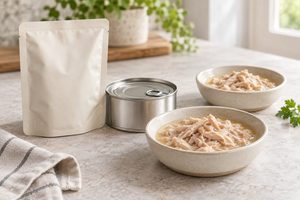
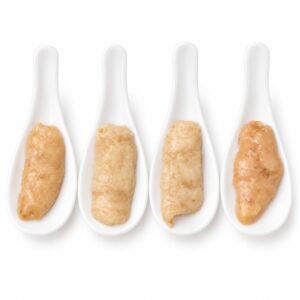
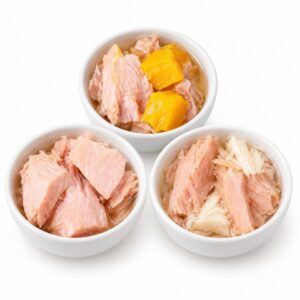
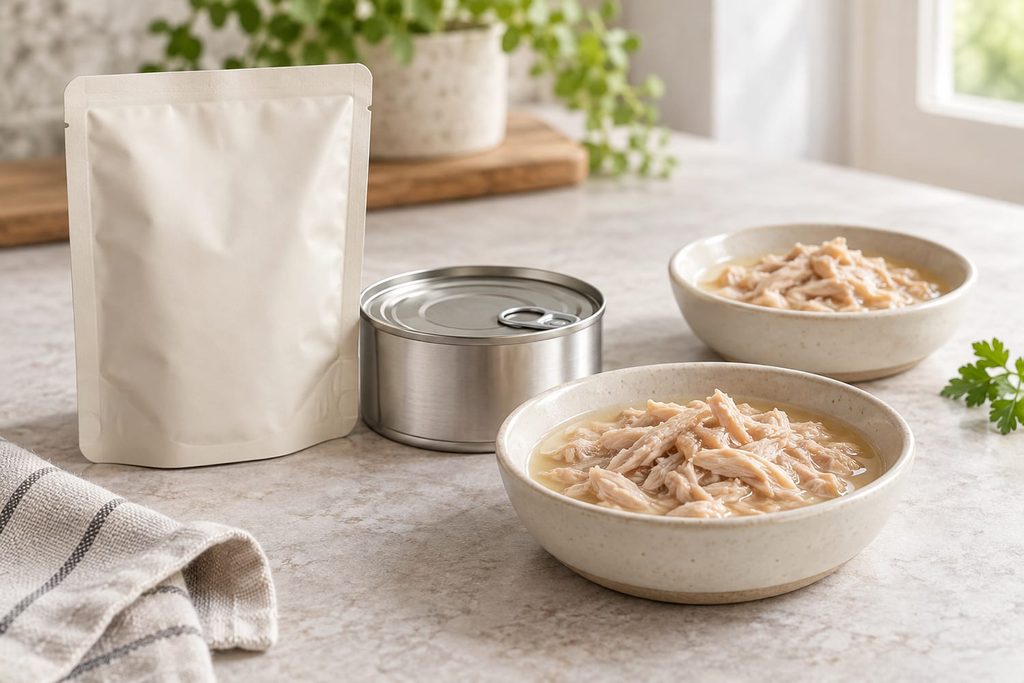
1. Pet Canned Wet Treats
Wet treats are popular because they are highly palatable, easy to portion, and appealing to pet owners who want softer texture and stronger aroma. These products are often used for:
- Daily rewards
- Meal toppers
- Training incentives
- Senior pet feeding
- Cat treat formats

For B2B buyers, canned wet treats also allow opportunities for recipe differentiation, texture customization, and premium positioning.
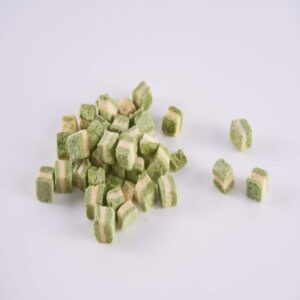
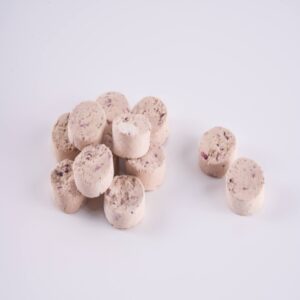
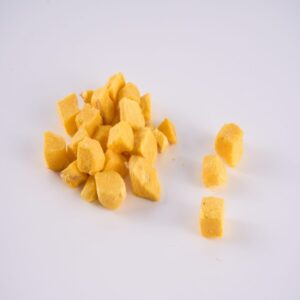
2. Pet Dry Treats
Dry treats remain one of the most practical product categories for wholesalers. They are easy to store, easy to transport, and suitable for many retail environments.
Buyers often choose dry treats for:
- Strong shelf stability
- Convenient packaging
- Mass retail distribution
- Competitive pricing
- Broad consumer acceptance
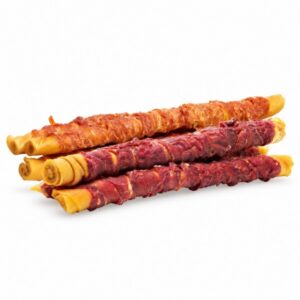
3. Dog Chewy Treats
Chewy dog treats are especially attractive in the dog category because they combine reward value with a longer chewing experience. Many buyers prefer them for pet shop shelves, supermarket placement, and online bundles.
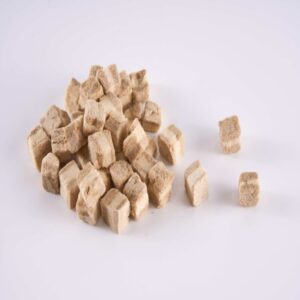
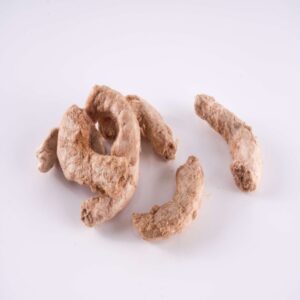
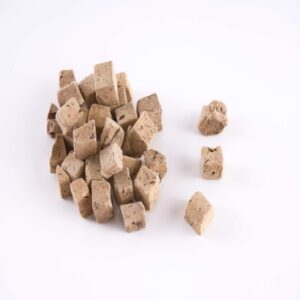
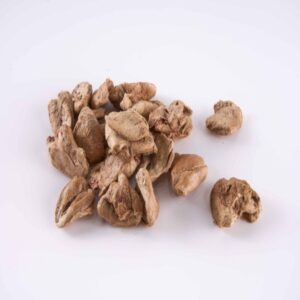
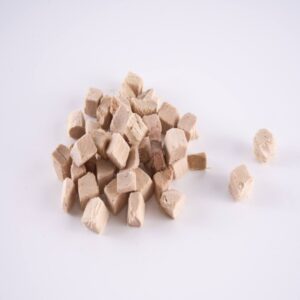
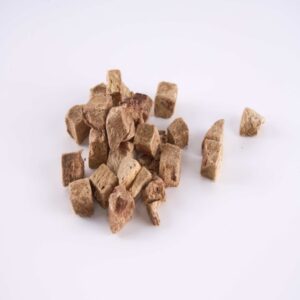
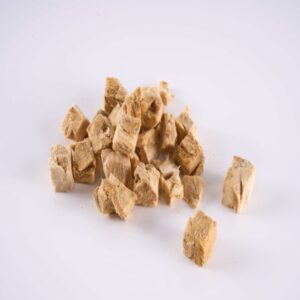
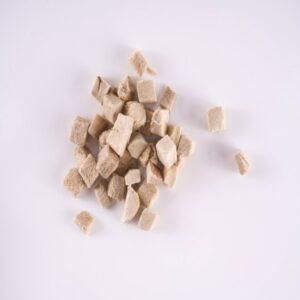
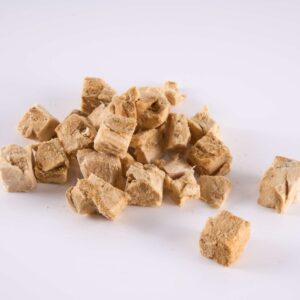
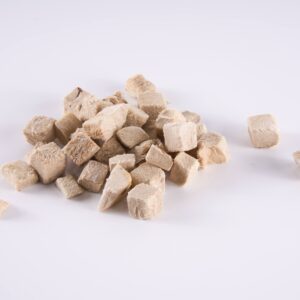
4. Freeze Dried Meat Treats
Freeze dried treats have become a premium growth category. They appeal to buyers who want products with strong meat content, high palatability, and a cleaner ingredient image.

For private label buyers, freeze dried meat treats offer excellent positioning in:
- Premium pet retail
- Cross-border e-commerce
- Specialty pet stores
- Functional pet nutrition lines
5. Dog Training Treats
Training treats are one of the most practical high-repeat-purchase products. They are small, easy to feed, and suitable for daily use. For distributors and retailers, they are attractive because they address a clear use case and a wide consumer base.
What Makes a Good Wholesale Pet Treats Supplier?
Not all suppliers operate at the same level. A professional supplier should do much more than quote a low price.
Here are the factors serious B2B buyers should review before choosing a partner.
Product Quality and Safety Control
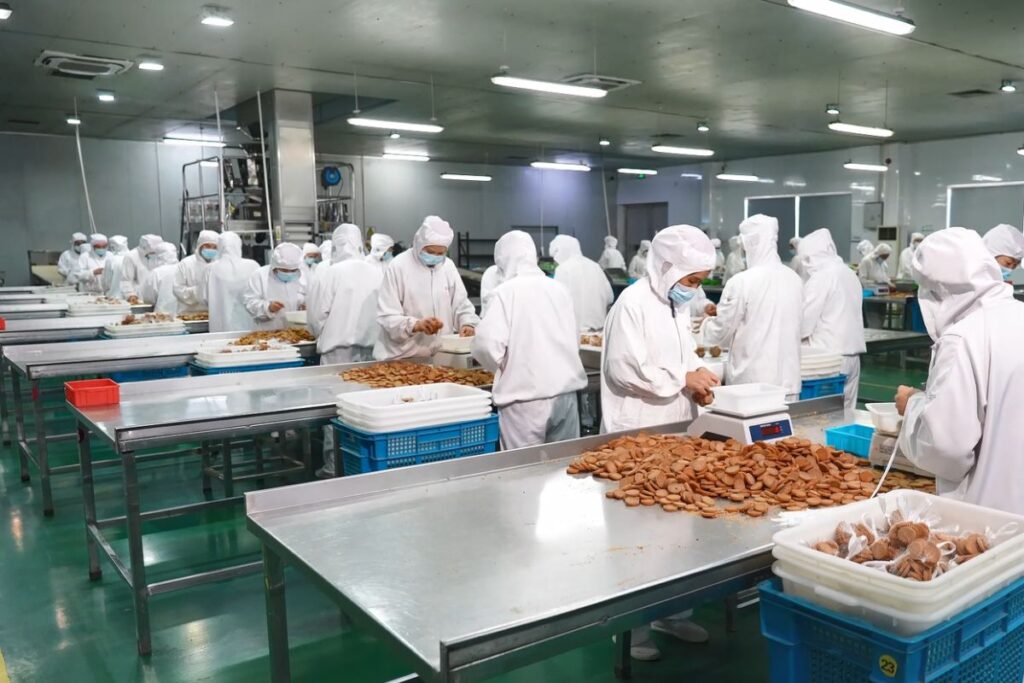
Quality is the first filter. In pet food and pet treats, consistent safety standards are essential for both brand reputation and importer confidence.

A dependable supplier should have a clear quality control system that covers:
- Raw material inspection
- In-process production inspection
- Finished goods inspection
- Third-party testing when needed
Strong suppliers also work with recognized testing institutions and can provide support for testing items such as:
- Pesticide residues
- Veterinary drug residues
- Biotoxins
- Heavy metals
- Plasticizers
- Illegal added substances
- Nutritional indicators
- Physical and chemical indicators
- Food additives
- Microorganisms
For importers, supermarket buyers, and brand owners, this kind of system reduces risk and supports smoother market entry.

Certifications and Factory Standards
Professional buyers should also check whether the supplier holds recognized certifications. These certifications can indicate stronger factory management, better process control, and export readiness.
When evaluating wholesale pet treats suppliers, many buyers look for standards such as:
- BRC
- IFS
- Food safety management certifications
- Export-related documentation support
A factory with stronger certification standards often provides greater confidence for long-term business cooperation, especially in markets with stricter compliance expectations.
OEM and ODM Capability
For many B2B customers, standard products are only the beginning. The real value comes from customization.
A supplier with OEM and ODM capability can help you build a more differentiated product line through:
- Custom formulas
- Custom flavor development
- Texture adjustment
- Shape design
- Packaging design
- Label customization
- Market-specific positioning
OEM is ideal when you already know what product you want and need a factory to produce it under your brand. ODM is useful when you need product development support, concept refinement, or ready-to-adapt formulations.
This matters especially for:
- Amazon private label sellers
- Pet chain stores
- Supermarket brands
- Regional distributors
- Start-up pet brands
- Importers entering new categories

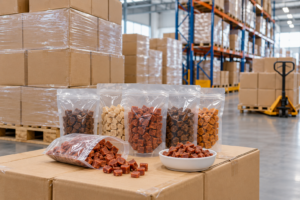
Production Capacity and Delivery Reliability
A beautiful sample means little if the supplier cannot support your orders at scale.
Before selecting a partner, buyers should confirm:
- Monthly production capacity
- Typical lead times
- Peak season handling
- MOQ flexibility
- Packaging supply stability
- Delivery performance history
Reliable wholesale pet treats suppliers understand that missed deadlines affect sales cycles, promotions, warehouse planning, and customer relationships.
Export Experience
If you are sourcing internationally, export experience is critical. A supplier may produce good products but still create trouble if export documentation, shipping coordination, or country-specific compliance is weak.
A capable export-oriented supplier should understand:
- Labeling support
- Documentation preparation
- Import country requirements
- Packaging standards for overseas shipping
- Communication with inspection and testing bodies
- Timely sales support during order execution
For B2B buyers in North America, Europe, the Middle East, and other international markets, export readiness saves time and reduces operational headaches.

How to Evaluate Wholesale Pet Treats Suppliers Step by Step
Choosing a supplier should be a process, not a guess. Here is a practical way to evaluate candidates.
Step 1: Review Product Range
Start by checking whether the supplier offers the categories that match your target market. If you serve multiple channels, a broader product range can reduce sourcing complexity.
Step 2: Check Quality Documentation
Ask about factory standards, inspection processes, certifications, and third-party testing support. Serious suppliers should be comfortable discussing these details.
Step 3: Request Samples
Samples help you assess:
- Appearance
- Aroma
- Texture
- Packaging quality
- Product consistency
- Market fit
For private label buyers, samples are also the first test of how well the factory understands your positioning.
Step 4: Discuss Customization Needs
If you need OEM or ODM support, confirm what can be customized and how the development process works. This is where many suppliers separate themselves from low-value traders.

Step 5: Evaluate Communication Speed
Fast, clear, and professional communication is often a strong signal. It shows how the supplier may perform once production starts.
Step 6: Compare Total Value, Not Just Price
The lowest price is not always the best buying decision. A slightly higher-cost supplier may bring better quality stability, better service, fewer claims, and stronger commercial support.
Why Private Label Pet Treats Continue to Grow
Private label demand is expanding because buyers want more control over branding, pricing, and market positioning.
Working with wholesale pet treats suppliers that support private label production allows you to:
- Build your own brand identity
- Increase margin potential
- Differentiate from competitors
- Adapt packaging for specific sales channels
- Create region-specific product lines
- Strengthen buyer loyalty
This is especially useful for supermarket buyers, pet retail chains, cross-border e-commerce sellers, and importers who want to move beyond generic products.
What Amazon Sellers and Retail Buyers Should Prioritize
Different buyers have different priorities. A supplier should be able to understand the channel you serve.
For Amazon Sellers
Amazon-focused buyers usually care about:
- Packaging appeal
- Strong product differentiation
- Stable restocking
- Consistent quality reviews
- Flexible private label support
- Shipping and carton efficiency

For Supermarkets and Large Retail Chains
Large retail buyers often prioritize:
- High-volume consistency
- Compliance readiness
- Clear packaging systems
- Reliable lead time
- Strong production control
- Long-term contract capability
For Distributors and Wholesalers
Distributors usually focus on:
- Product range breadth
- Channel suitability
- Pricing structure
- Logistics efficiency
- Repeat-order reliability
- Mixed product opportunities
For OEM and ODM Brand Owners
Customization-focused clients often need:
- Product development support
- Fast sample creation
- Flexible packaging options
- Technical communication
- Long-term formulation cooperation
Common Mistakes Buyers Make When Choosing Pet Treat Suppliers
Many buyers lose time and money because they focus on the wrong signals.
Here are common mistakes:

Choosing Only by Price
Cheap prices can hide unstable quality, weak documentation, inconsistent packaging, or unreliable delivery. In B2B, low cost without control often becomes expensive later.
Ignoring Factory Systems
Some buyers focus only on the sample and forget to examine factory management, inspection flow, and production process.
Overlooking Scalability
A supplier may handle small test orders well but fail once order volume increases. Always check whether they can grow with you.
Not Discussing Compliance Early
If your target market has special standards, it is better to discuss them at the start, not after packaging is printed or production has begun.
Using a Generic Product Strategy
Today’s market rewards differentiation. Buyers who work with OEM and ODM capable suppliers have more room to create products that actually stand out.

Why Matchwell Can Be a Strong Partner for B2B Buyers
For buyers looking for wholesale pet treats suppliers, Matchwell focuses on the needs of serious B2B customers.
Matchwell serves wholesalers, retailers, supermarkets, Amazon sellers, and private label clients with product categories such as pet canned wet treats, pet dry treats, dog chewy treats, freeze dried meat, and dog training treats.
As a factory-oriented partner with OEM and ODM capability, Matchwell supports customers who need:
- Wholesale supply
- Private label solutions
- Product customization
- Stable manufacturing support
- International quality assurance processes
The company follows a strict inspection system that includes raw material inspection, production inspection, and third-party examination. Its testing coverage includes multiple food safety and quality indicators, helping buyers build confidence in product consistency and compliance.
For customers who want more than just an off-the-shelf item, Matchwell can support tailored development that aligns with brand goals and market demand.
You can explore more at https://matchwellpets.com/
Final Thoughts
Finding the right wholesale pet treats suppliers is about more than product sourcing. It is about securing a reliable supply chain, protecting your brand, and creating room for long-term market growth.
The best suppliers combine manufacturing strength, quality management, customization ability, and export experience. They help buyers solve commercial problems, not just fill purchase orders.
If you are building a pet treat brand, supplying retail shelves, growing your Amazon business, or expanding your product portfolio with OEM and ODM solutions, choosing the right manufacturing partner can make a measurable difference.
In a competitive market, the buyers who win are usually the ones who work with suppliers that understand quality, scale, speed, and customization from the very beginning.