
Wholesale Pet Treats
What wholesalers, retailers, and OEM/ODM buyers need to watch
In the evolving world of pet care, treats are no longer a mere afterthought. As more pet owners consider their furry companions part of the family, the demand for premium, functional, ethical pet treats is accelerating. For wholesalers, distributors, and OEM/ODM players, staying ahead of trends is crucial for success in 2026 and beyond. In this article, we explore the key market dynamics, opportunities, and challenges shaping the wholesale pet treat landscape.
1. Market Growth & Size: Strong Tailwinds Ahead
- The broader pet food and treats market is projected to grow at a Compound Annual Growth Rate (CAGR) of around 6.1 % from 2025 to 2034. Global Market Insights Inc.
- Within that, the pet snacks & treats segment (which includes chews, biscuits, freeze-dried snacks, etc.) is expected to expand even faster. The market is estimated at around USD 47.6 billion in 2024, with forecasts suggesting continued double-digit growth (e.g. 12-13 % CAGR in some projections). 商业研究公司+2Precedence Research+2
- In the dog treats niche alone, some forecasts project very aggressive growth phases (though such projections should be treated cautiously) Fact.MR
- Meanwhile, more conservative reports (e.g. “Global Dog Treats Distribution Market”) estimate moderate 4–5 % growth in distribution over coming years, driven by premiumization and functional treat demand. 全球数据路线分析
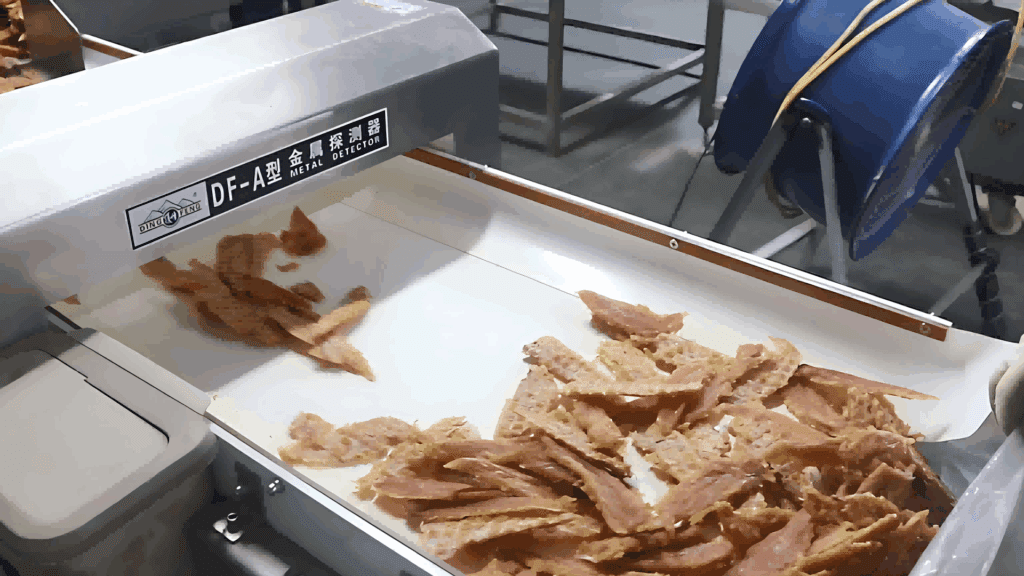
What this means for wholesalers / OEMs: The overall environment remains favorable. But growth is uneven: premium, niche, and value-added segments are outpacing commodity treats. To stay competitive, differentiate via quality, innovation, and branding.
2. Key Trends Driving Demand in 2026
Below are the major shifts shaping what wholesalers and OEM firms should prioritize:
A. Clean Label, Natural & Functional Ingredients
Pet owners are increasingly scrutinizing ingredient lists. Expect:
- Demand for natural, organic, minimally processed pet treats (no artificial preservatives, no by-products) 宠物医疗+2PacknPride+2
- Functional benefits: treats with roles such as dental health, joint support, digestive care, calming, skin & coat support, or allergy relief PacknPride+2PacknPride+2
- Exotic or novel proteins (e.g. insect protein, rabbit, venison) to stand out in crowded markets PacknPride+1
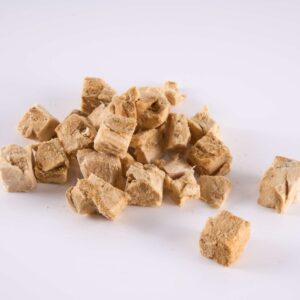
- Growth of freeze-dried, dehydrated, air-dried, or raw treat formats, since they preserve nutrients and allow cleaner ingredient claims Verified Market Reports+3PacknPride+3PacknPride+3
Wholesalers and OEMs should ensure traceability, quality sourcing, and strong supply chain controls to support clean label claims.

B. Sustainability, Eco-Friendly Packaging & Ethical Sourcing
Sustainability is no longer optional; it’s expected.
- Consumers increasingly favor biodegradable, recyclable, compostable, or minimal packaging systems PacknPride+3Lindsay Angelo+3PacknPride+3
- Ethical sourcing: fair labor, sustainable ingredient sourcing, reduced carbon footprint, regenerative agriculture, and transparency are key differentiators Lindsay Angelo+2PacknPride+2
- Some cutting-edge efforts: lab-grown meat for pet treats has made early appearances (e.g. in the UK), indicating future options for sustainable proteins. The Verge+1
For OEM/ODM players, offering sustainable packaging options and carbon-aware operations can win business from environmentally conscious brands and retailers.
C. Personalization, Premiumization & Brand Differentiation
- Pet owners increasingly see pets as family members; they are willing to spend more on premium, tailored treat offerings Lindsay Angelo+4Global Market Insights Inc.+4PacknPride+4
- Personalization: breed/size-specific, age/stages (puppy, senior), health condition–oriented treat lines (e.g. for joint health, dental, weight control) PacknPride+2PacknPride+2
- Private label and tiered brands: retailers want exclusive treat lines that deliver margin, so wholesalers/OEMs should be ready to support white label or co-branded products. matchwellpets.com+1
- Packaging and premium aesthetics: design-driven, giftable formats, resealable pouches, transparent windows, and storytelling elements (e.g. origin stories) are more important than ever.

D. Omni-Channel & E-Commerce Growth
- E-commerce continues to be a huge driver in pet treat sales. Many customers order treats online (Amazon, pet specialty sites, direct to consumer) as well as in brick-and-mortar supermarkets, big box retailers, and pet chains. The Freedonia Group+3Global Market Insights Inc.+3PacknPride+3
- Subscriptions/Autoship models for repeat purchases are gaining popularity, especially for treats that are consumed regularly. The Freedonia Group+1
- Increasing integration of offline + online: omnichannel retailers expect suppliers to support both channels seamlessly (logistics, packaging, barcodes, promotional tie-ins).
- Retailers (especially large supermarkets & chains) are tightening supplier standards: demand for consistent quality, regulatory compliance, and scalable supply chains.
E. Regional Shifts & Emerging Markets
- North America and Western Europe remain major markets, but Asia-Pacific, Latin America, and the Middle East are expanding rapidly in pet treat demand. 商业研究公司+2InsightAce Analytic+2
- Local flavors, regional ingredient preferences, regulatory frameworks, and cultural differences will influence product acceptance in new markets.
3. Implications for Wholesalers, Distributors & OEM/ODM Clients
Given the trends, here are what wholesalers, distributors, and OEM/ODM players should prioritize heading into 2026:

3.1 Capability & Flexibility in Manufacturing
- Be ready for small batch, flexible runs to accommodate niche, personalized, or seasonal SKUs.
- Offer co-packing, custom formulations, and packaging options (e.g. customized size, branding, labeling) to attract OEM/brand clients.
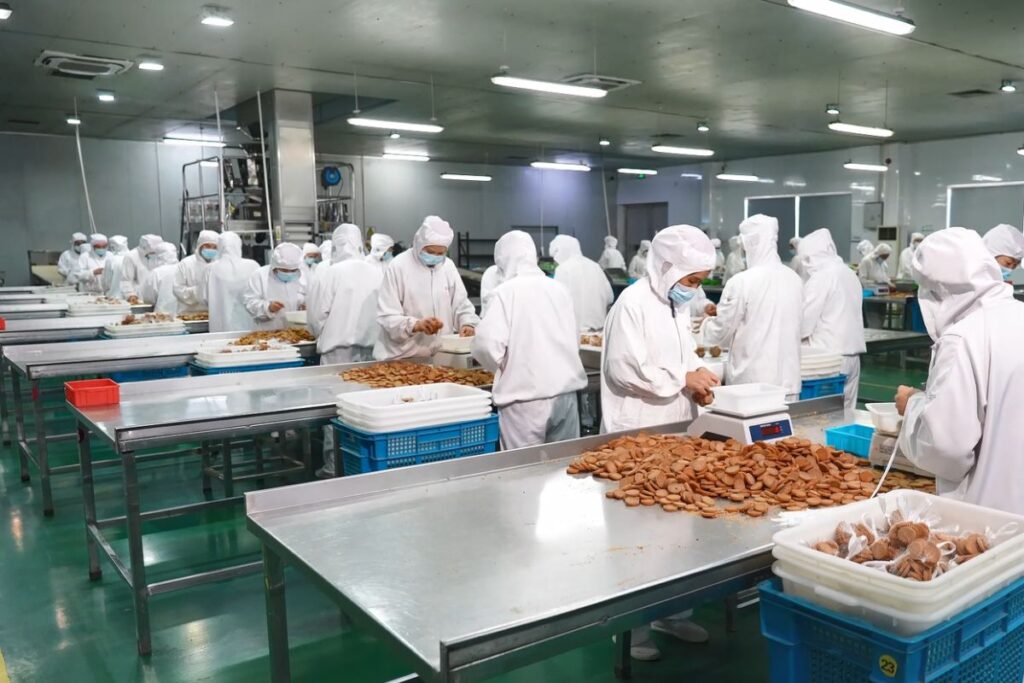
- Maintain high standards of quality, certifications (e.g. organic, non-GMO, HACCP, BRC, AIB) to satisfy large retailers and export markets.
3.2 Supply Chain & Ingredient Traceability
- Secure reliable sources for premium ingredients (animal proteins, fruit/veg, functional botanicals, probiotics) with documented traceability.
- Build buffer capacity and diversification to mitigate ingredient or logistics disruptions.
- Embrace transparency: ability to provide detailed documentation about origin, batch tests, and supply chain policies.

3.3 Regulatory & Compliance Readiness
- Pet treat regulations differ by country (e.g. feed vs food categorization, additive restrictions, labeling, safety). Ensuring compliance in target markets is critical.
- For private label or export deals, you may need to support regulatory dossiers, certificate of analysis, import approvals, etc.
- Watch for tightening regulations on novel proteins, novel ingredients, and sustainability claims.
3.4 Marketing Support & Brand Partnerships
- Wholesalers / OEMs who offer marketing support (e.g. co-branding, shared promotions, shelf planograms) often win business with retailers.
- Data & insights: Provide insights into trending SKUs, promotional timing, or seasonal demand to partners.
- Packaging innovation: include QR codes, storytelling, traceability info, and consumer engagement tools.
3.5 Risk Management & Margin Optimization
- Because premium and niche SKUs often carry higher costs, manage margin sensitivity carefully.
- Monitor raw material inflation, logistics costs, and tariffs, and build these into pricing models.
- Consider offering tiered lines: a core value treat line plus a premium or functional line, to capture different segments.
4. What Buyers (Amazon, Supermarkets, Brick & Mortar Chains) Will Expect in 2026
From the perspective of large-scale buyers and wholesalers, here’s what they’re likely to demand:
- Product differentiation & exclusivity: Unique SKUs, private label options, or exclusive varieties to reduce direct competition.
- Consistent supply & reliability: Large buyers won’t tolerate frequent stockouts or quality inconsistencies.
- Scalable ordering / logistics support: Ability to service large, diverse channels, with efficient shipping, warehousing, and packaging.
- Margin/price efficiency: While premium is in demand, buyers will still negotiate hard on pricing, especially for high-volume SKUs.
- Marketing & co-op support: Launch support, in-store promos, digital marketing assets, cross promotions are expected in many large retail partnerships.
- Sustainability credentials: Many big retailers will favor suppliers with strong sustainability profiles, eco-packaging, and carbon or ESG commitments.

5. Challenges & Risks to Watch
No forecast is without caveats. Some of the major headwinds:
- Cost pressures: Spike in raw materials, transport, energy, and regulatory compliance costs.
- Regulatory uncertainty: Novel proteins or “functional” claims may attract scrutiny.
- Competitive saturation: Many brands are entering the space; differentiation is harder.
- Consumer pullback in down cycles: In tougher economic times, pet owners may trade down or cut back on premium treats.
- Supply chain disruption / ingredient scarcity: For exotic proteins or niche botanicals, supply volatility is real.
6. Strategic Recommendations for MatchwellPets & Partners
To thrive in 2026, here are strategic moves you or your clients might consider:
- Develop a strong core line + premium/functional tier
Offer a base portfolio of affordable, high-quality treats, and layer on functional or niche lines for differentiation. - Invest in sustainable & flexible packaging
Work with packaging suppliers to offer compostable, recyclable, minimal, or multi-use designs. - Support OEM/ODM with turnkey capabilities
Allow brand clients to outsource formulation, packaging, shelf-ready presentation, labeling, and compliance support. - Build a data-driven launch pipeline
Use market insights to anticipate trends (e.g. insect protein, freeze-dried snacks, digestive support) and plan SKUs 6–12 months ahead. - Market partnerships & co-branding
Collaborate with retailers for exclusive SKUs, seasonal promotions, online bundling, or shelf-reset campaigns. - Expand into high-growth regions carefully
Target fast-growing pet markets (Asia Pacific, Latin America, etc.), but localize taste, packaging, and regulatory compliance. - Maintain strong quality, traceability & certification
This is non-negotiable for premium and export clients.
Conclusion
The wholesale pet treat landscape in 2026 is promising, but also highly competitive and dynamic. Demand is shifting away from generic, low-margin products toward clean-label, functional, sustainable, and differentiated SKUs. For wholesalers, distributors, OEMs, and retail buyers alike, success will depend on flexibility, quality, brand support, supply chain resilience, and the ability to anticipate evolving consumer preferences.
MatchwellPets is well positioned to support partners in navigating these trends. Whether you are seeking a reliable wholesaler for Amazon, supermarket distribution, or a partner for OEM/ODM customization, aligning with the market trends above will set you up for success.