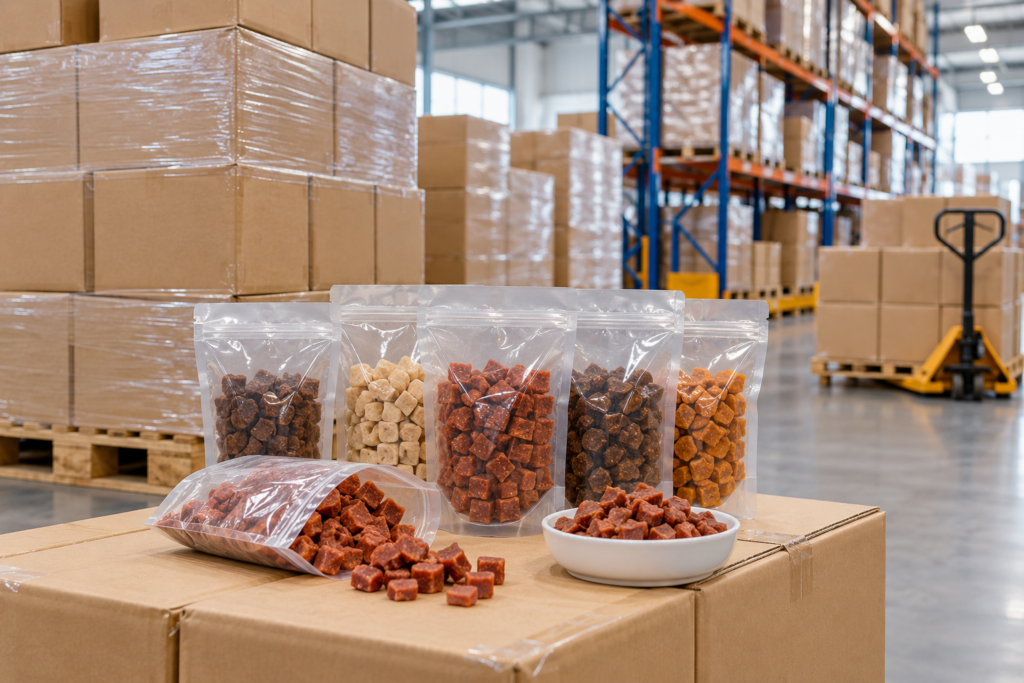

Ultimate Guide to Wholesale Pet Treats
Pet treats are no longer just impulse purchases placed near the checkout counter. In 2026, they have become an important category for retailers looking to increase repeat purchases, improve product margins, and build stronger customer loyalty. For online sellers, supermarket buyers, pet store chains, distributors, and private label brands, wholesale pet treats offer a practical way to meet rising consumer demand while creating room for differentiation.
Today’s pet owners are more careful about what they buy. They look at ingredient lists, treat functions, package sizes, feeding convenience, and brand trust before making a purchase. This means retailers need more than a low-cost supplier. They need a wholesale pet treats partner that can deliver consistent quality, flexible customization, reliable supply, and products that fit modern market demand.
This guide explains what retailers should know about wholesale pet treats in 2026, including product trends, sourcing strategy, private label opportunities, and how to choose the right manufacturer for long-term growth.
Why Wholesale Pet Treats Are a Strong Category in 2026
The global pet industry continues to grow as pets become even more integrated into daily family life. Treats remain one of the most dynamic parts of that market because they are easier to innovate than staple pet food and can respond quickly to changing consumer preferences.

For retailers, wholesale pet treats are attractive for several reasons. They encourage repeat purchases, support seasonal launches, work well in both online and offline channels, and can be positioned for different customer segments. A supermarket may focus on value-packed dog treats. An Amazon seller may focus on training treats or freeze-dried snacks. A private label brand may want premium natural treats with custom packaging.
Because of this flexibility, pet treats are not just an add-on category. They are a practical growth category.
Pet treats encourage repeat business
Unlike some durable pet products, treats are consumed quickly. Once pet owners find a product their pets love, they often reorder it regularly. This helps retailers build stable repeat sales.
Pet treats are easier to refresh with new concepts
Retailers can test new flavors, formats, and functions faster in treats than in complete pet food. This makes treats ideal for reacting to trends and consumer feedback.
Pet treats fit both premium and value positioning
A retailer can sell bulk economy treats, premium freeze-dried snacks, or functional reward treats under the same general category. This gives buyers more merchandising flexibility.
What Retailers Want from Wholesale Pet Treats in 2026
The wholesale market has changed. Retailers are no longer satisfied with generic products and basic packaging. They want products that align with what modern pet owners are already searching for.
In 2026, buyers are focusing on safety, transparency, product appeal, and supplier flexibility.
Clean and understandable ingredients
Pet owners increasingly prefer treats made with ingredients they can recognize. Simple recipes, real meat inclusions, and reduced artificial additives are becoming more attractive across many markets.
Functional value
Treats are often expected to do more than reward a pet. Retailers are showing more interest in products that support training, dental care, skin and coat health, digestion, or overall wellness.
Convenient packaging
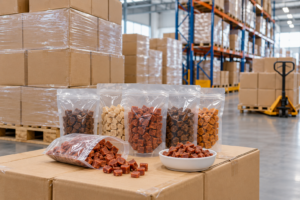
Packaging matters more than ever. Resealable pouches, small trial packs, family-size bags, and display-friendly packaging all help improve retail performance. Good packaging also matters for online sellers who need products that photograph well and survive shipping.
Reliable supply and stable quality
Even the best-looking treat line can fail if supply is inconsistent. Retailers want a manufacturer that can offer dependable production scheduling, consistent raw material quality, and clear communication throughout the order process.

Main Wholesale Pet Treat Categories Retailers Should Watch
Different markets perform well with different products, but several categories continue to stand out in 2026.
Dog treats
Dog treats remain the largest and most established segment. They cover a wide range of uses, including training, chewing, reward-based feeding, and functional supplementation.
Popular dog treat formats
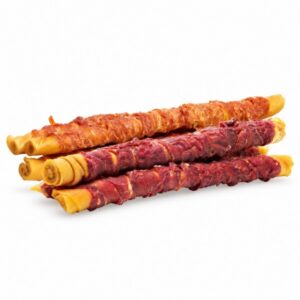
Soft chews are popular for training and daily rewards. Jerky products continue to perform well because they are associated with real meat value. Biscuits remain important in supermarkets and traditional retail. Freeze-dried treats are growing in premium channels and online stores.
Cat treats
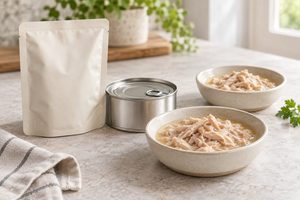
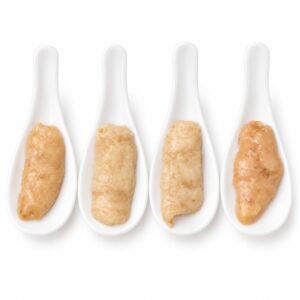
Cat treats are becoming more important as cat owners look for products that support bonding, enrichment, and daily feeding variety. Retailers are seeing stronger interest in lickable treats, freeze-dried cat snacks, and meat-based bites.
Why cat treats are worth attention
Many retailers historically focused more on dogs, but cat treat demand has been expanding. Cat owners often purchase treats for interaction, appetite encouragement, and special rewards, creating room for repeat sales.
Freeze-dried pet treats
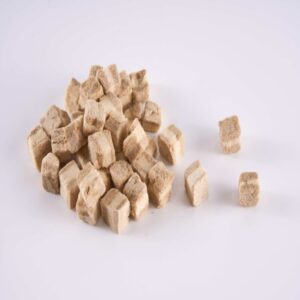
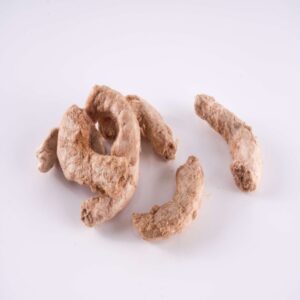
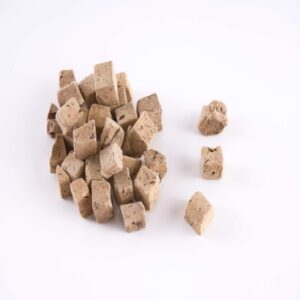
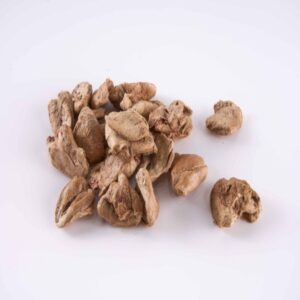
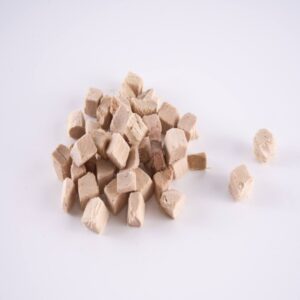
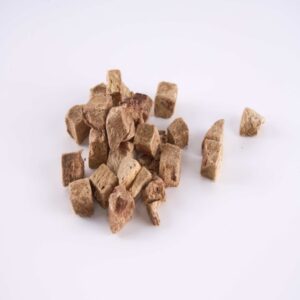
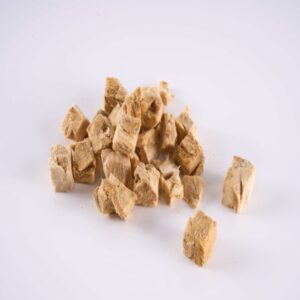
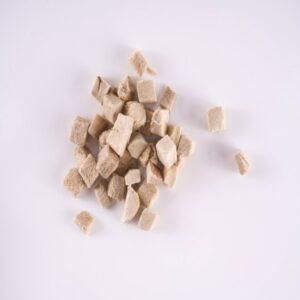
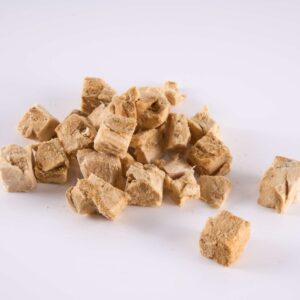
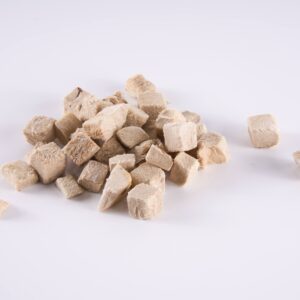
Freeze-dried treats continue to attract attention because they are often associated with premium quality, high meat content, and minimal processing.
Why freeze-dried products stand out
These products appeal strongly to premium buyers and online customers. They also fit well with natural, high-protein, and limited-ingredient positioning.
Functional pet treats
Functional treats are becoming more mainstream. Retailers are increasingly interested in products designed around specific needs such as dental health, calming support, digestive support, mobility, or skin and coat care.
Functional claims need careful support
Retailers should work with manufacturers that understand formulation, ingredient selection, and compliant product positioning. A good supplier helps create products that are commercially attractive while remaining realistic and responsible in how they are presented.
How to Choose the Right Wholesale Pet Treats Supplier
Choosing the right supplier is one of the most important decisions a retailer can make. Price matters, but it should never be the only factor.
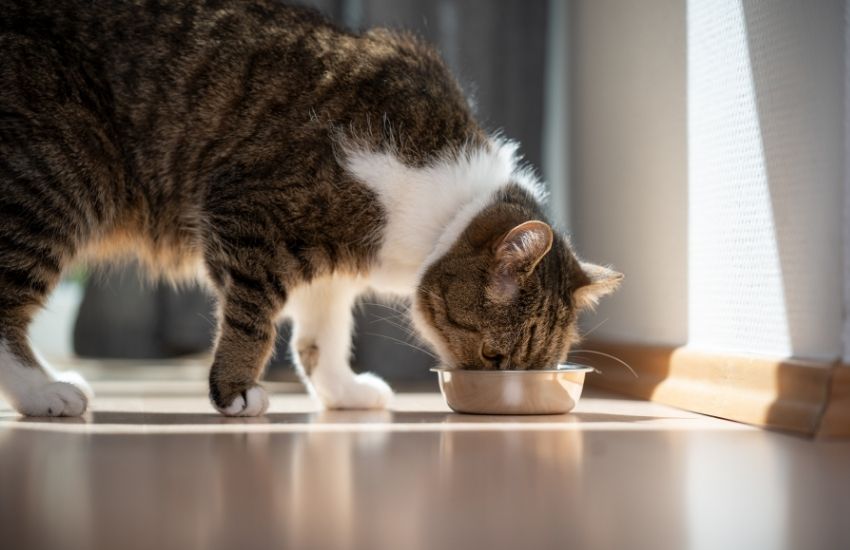
A strong supplier should support your business before, during, and after production.
Look at manufacturing capability
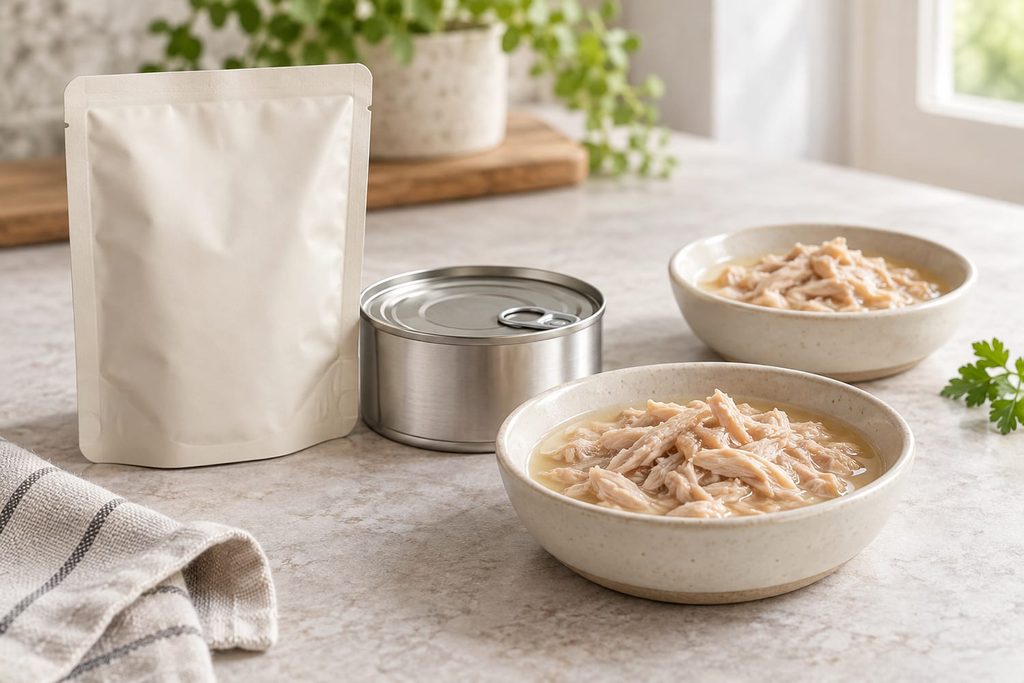
Ask what types of treats the manufacturer can produce. Some factories are strong in biscuits, while others specialize in freeze-dried treats, jerky, or wet snacks. The best supplier for your business is the one whose production strengths match your target product line.
Check quality control systems
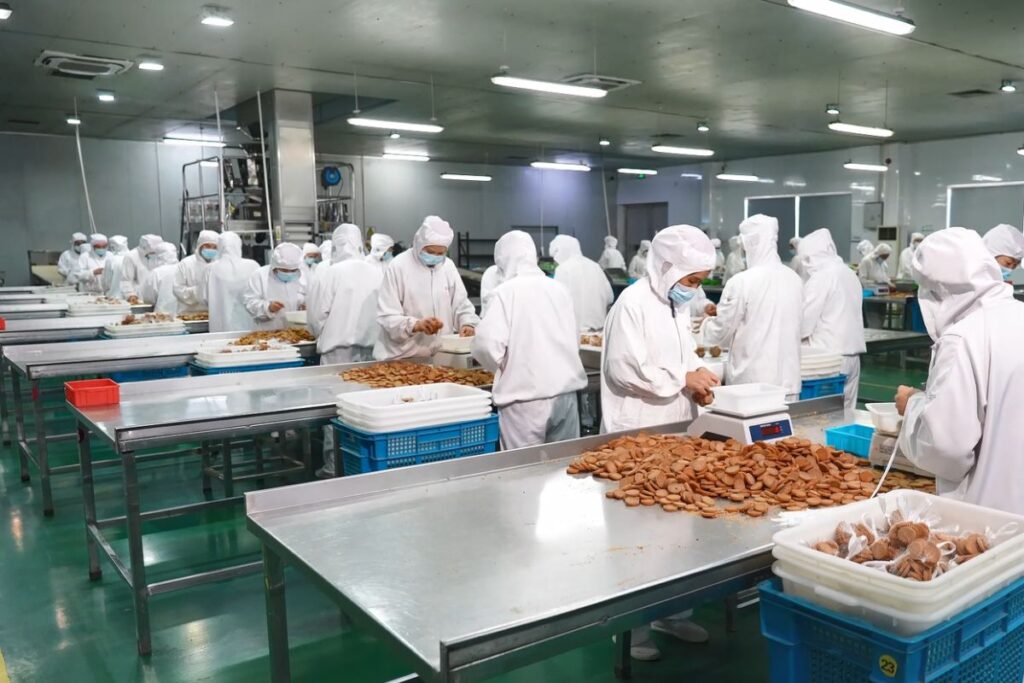
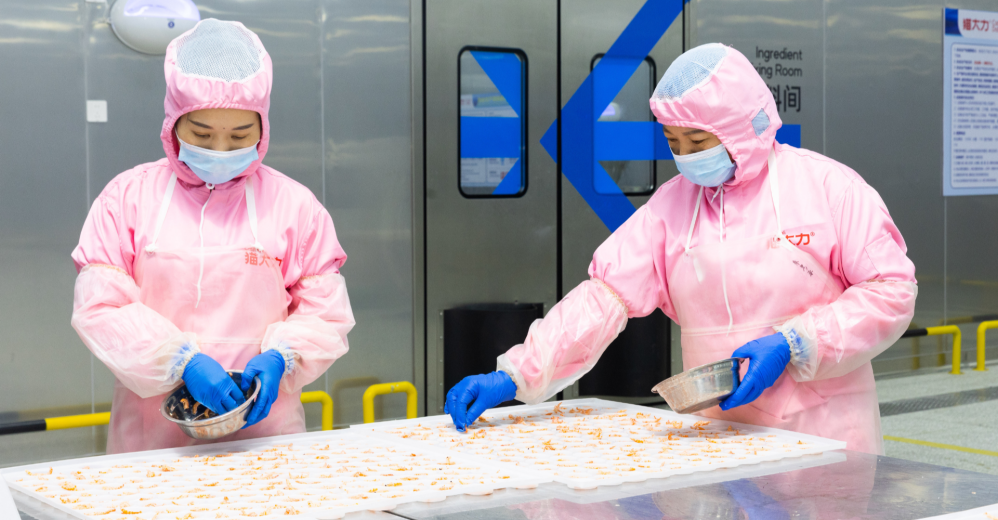
Quality control is essential in pet food and pet treats. A serious manufacturer should have clear standards for raw materials, in-process inspection, finished product checks, and traceability.
Evaluate customization options
If you are building your own brand, you need more than standard stock products. Look for suppliers that can support formula customization, packaging design, logo printing, label adaptation, and market-specific product development.
Consider MOQ flexibility
MOQ matters, especially for retailers testing a new line. Some buyers need large-volume production, but others want to start smaller. A supplier with flexible MOQ options can help reduce risk during the launch stage.
Review export and documentation support
For importers, documentation is just as important as product quality. Retailers should work with manufacturers that understand export processes, labeling requirements, and the supporting documents often requested by different markets.
OEM and ODM Opportunities for Retailers
Private label continues to be one of the most attractive opportunities in wholesale pet treats. In 2026, many retailers are no longer satisfied with selling only other people’s brands. They want their own products, their own packaging, and their own market identity.
This is where OEM and ODM become especially valuable.
What OEM means for pet treat buyers
OEM is a good fit for retailers that already have a clear product concept, brand direction, and packaging requirements. The manufacturer produces based on the buyer’s specifications.
What ODM means for pet treat buyers
ODM is useful for buyers who want a faster route to market. The manufacturer provides existing product development experience, and the retailer customizes branding, packaging, and selected details.
Why OEM and ODM matter in 2026
Retail competition is intense. Custom products help retailers avoid direct price comparison, strengthen brand loyalty, and create a more professional market image. For Amazon sellers, supermarket buyers, and regional distributors, private label pet treats can offer a stronger long-term business model than relying only on generic stock products.

What Online and Offline Retailers Should Ask Before Buying
Whether you sell through e-commerce or traditional retail, there are several practical questions that should be asked before placing an order.
Questions about product fit
Is this product suitable for your target customer? Does the format match your sales channel? Will your buyers prefer everyday value or premium positioning?
Questions about packaging
Is the packaging retail-ready? Is it suitable for e-commerce shipping? Can the design be customized for your brand and region?
Questions about lead time
How long will sampling, design confirmation, production, and shipping take? A good supplier should be clear about timelines.
Questions about consistency
Can the supplier maintain the same quality over time? Stable quality is essential for repeat business and good customer reviews.
Questions about support
Will the supplier help with product suggestions, label adaptation, sampling, and communication during production? Good service can save retailers a great deal of time and avoid costly mistakes.
Common Mistakes Retailers Should Avoid
Sourcing wholesale pet treats can create strong opportunities, but there are also common mistakes that can slow growth.
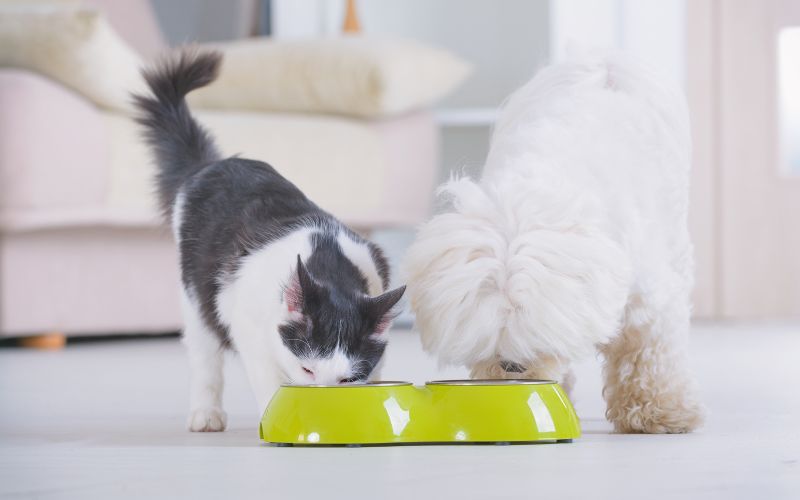
Choosing only by lowest price
A lower price may look attractive at first, but poor consistency, weak packaging, or unreliable communication can damage your brand and increase long-term costs.
Ignoring market positioning
Not every product suits every channel. A product that works in discount retail may not work in premium e-commerce, and vice versa.
Overlooking packaging performance
Packaging is not just decoration. It affects shelf appeal, freshness, transport durability, and customer perception.
Starting with too many SKUs
It is often smarter to begin with a focused product line, test response, and expand gradually. Too many SKUs can complicate sourcing, inventory, and brand presentation.
Why a Manufacturer Partnership Matters More Than Ever
In 2026, the best wholesale pet treats supplier is not simply a factory. It is a business partner that helps retailers grow.
A strong manufacturing partner can help identify high-potential products, recommend packaging approaches, support private label development, and improve speed to market. This is especially important for buyers entering new markets or launching new treat categories.
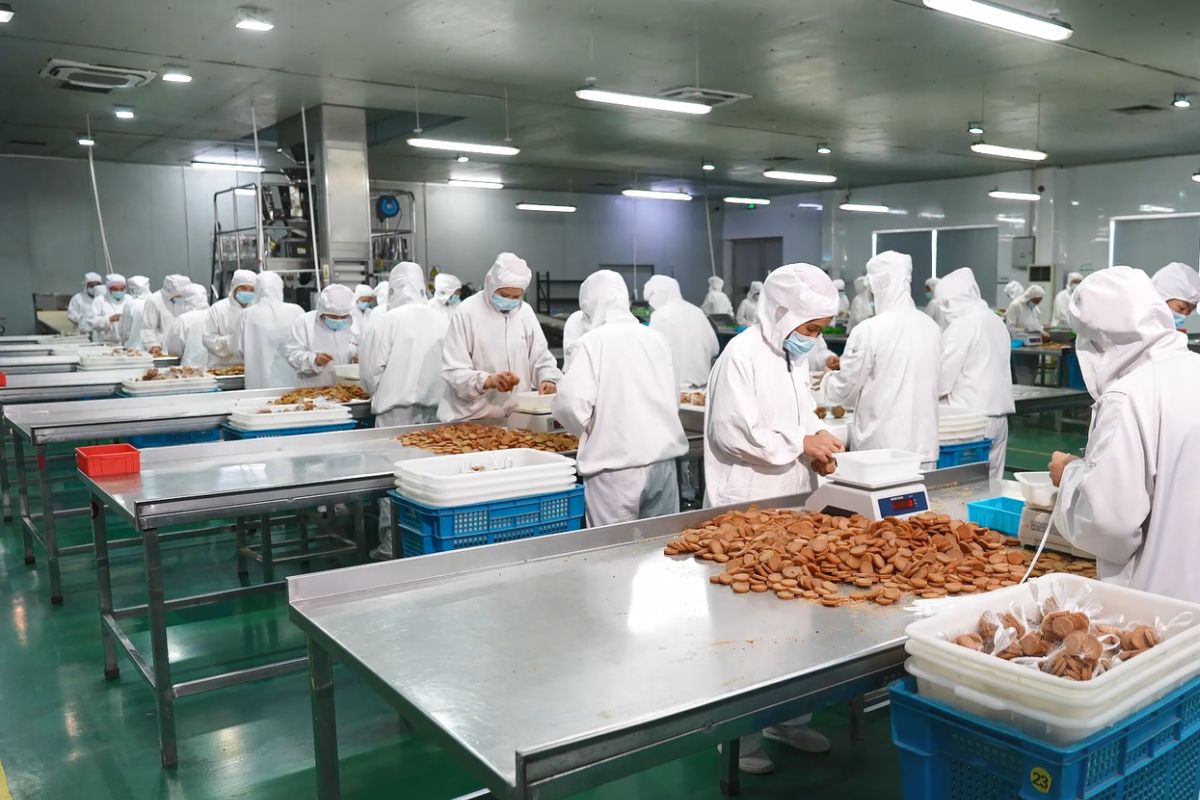
Retailers that work with the right manufacturer are usually in a better position to scale because they can respond faster to demand, maintain better consistency, and present a more professional product line to customers.
How Matchwell Pets Supports Retailers
At Matchwell Pets, we understand that retailers need more than just pet treats. They need products that fit their market, packaging that supports sales, and manufacturing support that makes expansion easier.
We work with customers looking for wholesale pet treats, wholesale dog treats, wholesale cat treats, and customized private label solutions. Whether you are supplying Amazon stores, large supermarkets, pet distributors, or building your own OEM or ODM product line, the goal is the same: create pet treats that are commercially practical, reliable in quality, and aligned with what modern buyers want.
If you are planning your 2026 product strategy, exploring new categories, or developing your own branded line, visiting https://matchwellpets.com/ is a good place to start.
Final Thoughts
Wholesale pet treats remain one of the most promising categories for retailers in 2026, but success depends on choosing the right products and the right supplier. Buyers need to think beyond cost and focus on value, consistency, packaging, customization, and long-term brand potential.
For online and offline retailers alike, the opportunity is clear. Consumers still want rewarding, appealing, and trustworthy treats for their pets. Retailers that respond with the right sourcing strategy will be in a much stronger position to grow.
The most successful businesses in this category will not be the ones that simply buy pet treats at the lowest price. They will be the ones that understand the market, build a smarter product line, and partner with a manufacturer that can support them as the industry continues to evolve.