
Top 9 Wholesale Dog Treat Trends for 2026 in Australia
1. Functional Dog Treats Move from “Niche” to “Core SKU”
In 2026, Australian buyers increasingly expect dog treats to do more than taste good. Functional benefits are becoming a baseline requirement rather than a premium add-on.
High-demand functional claims include:
- Joint & mobility support (glucosamine, chondroitin)
- Gut health & digestion (probiotics, prebiotic fibers)
- Skin & coat (omega-3 from fish oil)
- Calming & stress relief (L-tryptophan, chamomile, hemp-derived ingredients)

2. Natural, Clean-Label Ingredients Are Non-Negotiable
Australian consumers are highly ingredient-literate. By 2026, “natural” is no longer enough—buyers demand short, readable ingredient lists.
What’s winning shelf space:
- Single-protein treats (chicken, lamb, kangaroo, fish)
- No artificial colors, flavors, or preservatives
- Human-grade or food-grade raw material narratives
B2B implication:
Wholesalers and supermarket buyers increasingly request ingredient traceability documentation and third-party testing to support clean-label claims.
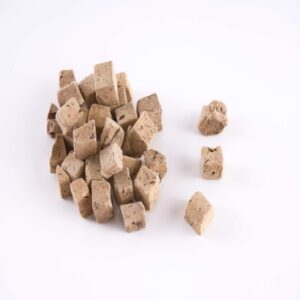
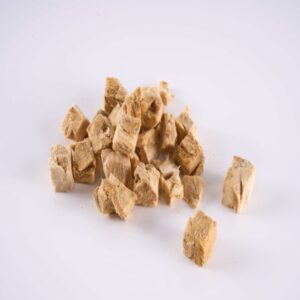
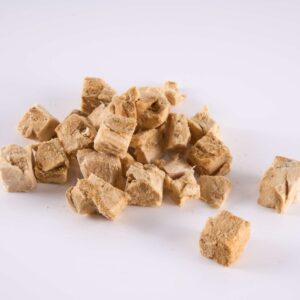
3. Freeze-Dried & Air-Dried Treats Continue Strong Growth
Processing method matters more than ever. Freeze-dried and air-dried dog treats align perfectly with Australia’s premium pet food culture.

Why buyers favor these formats:
- High meat inclusion
- Minimal nutrient loss
- Long shelf life without chemical preservatives
- Premium positioning with strong margins
4. Single-Protein & Limited-Ingredient Diet (LID) Treats
Food sensitivities in dogs are driving steady demand for LID dog treats across Australia.
Popular proteins in 2026:
- Lamb
- Duck
- Fish
- Novel proteins (kangaroo, venison)
5. Sustainable & Eco-Friendly Dog Treat Packaging
Sustainability is now a purchasing filter, not a bonus. In Australia, retailers increasingly assess both product and packaging impact.

Packaging trends include:
- Recyclable mono-material pouches
- Reduced plastic weight
- FSC-certified paper cartons
- Carbon-conscious branding narratives
6. Training Treats & Small-Size Rewards for Everyday Use
With the rise of positive reinforcement training, small, soft, low-calorie training treats remain one of the highest-rotation SKUs in wholesale orders.
Key features buyers look for:
- Bite-size consistency
- Strong aroma for high palatability
- Easy breakability
- Cost-effective bulk formats
7. Human-Grade Positioning & “Made Like Food” Messaging
Australian pet owners increasingly treat dogs as family members. This mindset directly influences wholesale buying behavior.

Popular positioning angles:
- Human-grade processing standards
- Food-inspired recipes
- Minimal processing claims
- Transparent sourcing stories
8. Private Label & OEM/ODM Customization Becomes the Fastest-Growing Channel
Private label dog treats are no longer limited to discount tiers. In 2026, premium private-label brands dominate growth across Amazon, pet chains, and supermarkets.
Customization demands include:
- Unique formulations
- Exclusive packaging designs
- Market-specific compliance
- Flexible MOQ structures
9. Value-Balanced Premium: Quality Without Overpricing
Australian buyers in 2026 are pragmatic. While premium demand remains strong, there’s rising focus on value-balanced pricing—premium quality without excessive cost.
Winning products typically offer:
- High meat content
- Functional benefits
- Competitive landed cost
- Clear differentiation without luxury overkill
What This Means for Wholesale Buyers & OEM/ODM Partners
For online sellers, supermarket chains, distributors, and private-label brands, the Australian dog treat market in 2026 rewards suppliers who can deliver:
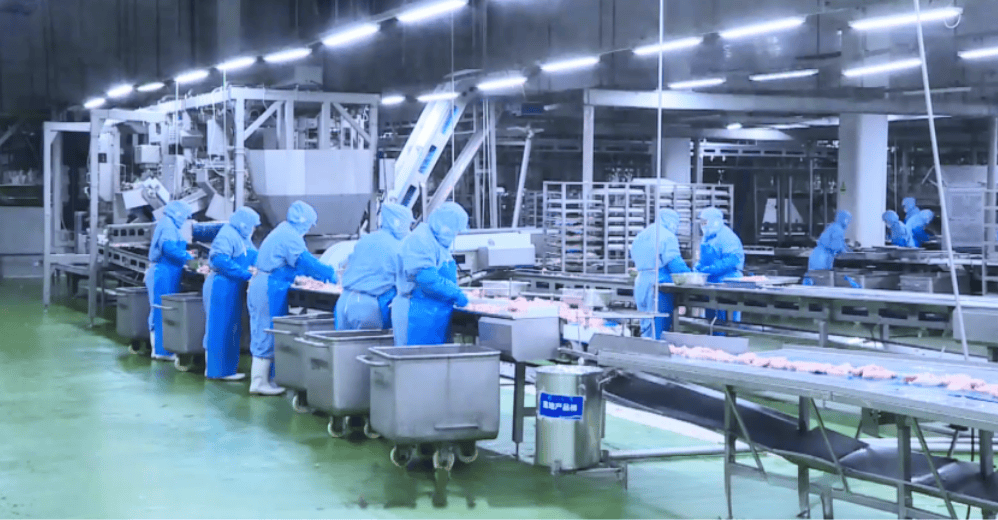
- Consistent quality at scale
- Clean, functional formulations
- Flexible customization options
- Compliance with international standards
- Market-ready packaging and positioning
At matchwellpets.com, the focus remains on supporting wholesale partners with OEM/ODM dog treats, scalable production, and customization tailored to the Australian market’s evolving demands.
Final Takeaway
The top wholesale dog treat trends for 2026 in Australia reflect a mature, informed market—where function, transparency, sustainability, and brand differentiation drive purchasing decisions. For B2B buyers, aligning early with these trends isn’t optional—it’s a growth strategy.