
Introduction
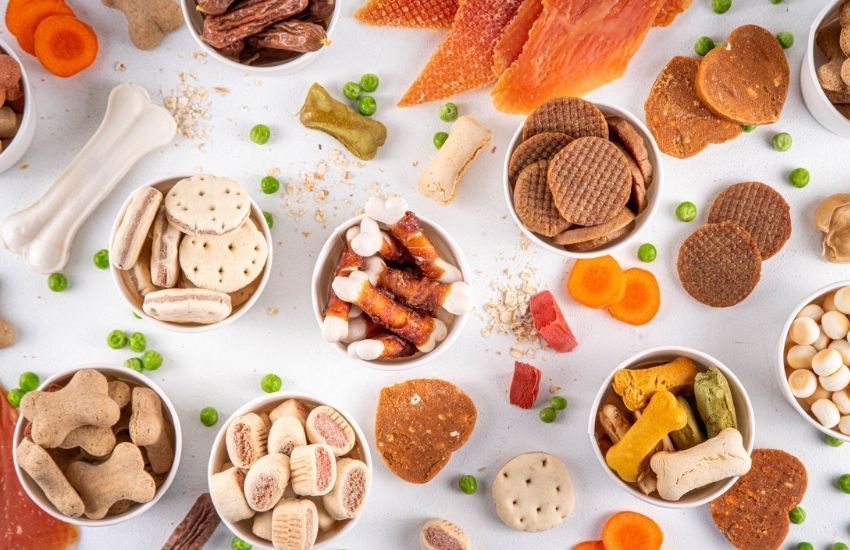
If you’re in the business of supplying wholesale pet treats—whether for large‑scale supermarkets, Amazon retail, or specialist pet stores—you’ve likely noticed a key shift: more retailers and distributors are leaning into private label pet treats and white label dog treats. What was once a niche category is now accelerating into a broader growth lane. As a manufacturer of wholesale dog treats and cat treats, it’s crucial to understand why this trend is gaining speed, where the opportunity lies, and how you can position your business for success.
In this article, we’ll walk through the market dynamics, the private‑label opportunity for dog treats, the key factors driving OEM/ODM demand and how you (as a wholesaler, retailer or OEM partner) can act now to capture this wave. The tone is conversational, from one industry‑insider to another—no heavy sales pitch, just actionable insight.

1. Market Snapshot: The Big Picture
To set the stage, some real‑time numbers help underline how expansive the pet‑treats business really is:
- In the U.S., the overall pet food and treats category is estimated to reach USD 67.8 billion in 2025. 宠物食品加工
- The global pet snacks & treats market (which includes dog treats) is projected at USD 53.15 billion in 2025, rising to about USD 86 billion by 2029.
- Specifically for North America’s pet treats market: about USD 12.35 billion in 2025, with a projected growth to USD 17.86 billion by 2030. Mordor Intelligence
- Private label pet food (including treats) is truly ramping: one estimate puts the global “pet food OEM or private label” market at around USD 49.5 billion in 2025, projected to grow to about USD 126.4 billion by 2035.
- Within pet food, private label is showing stronger momentum than national brands: e.g., in the U.S., private label pet care dollar sales increased by 1.7 % in 2024 while national brands grew only 1.0 %. PetfoodIndustry
These figures underscore two important things:
- The treat category is large and still growing rapidly.
- The private label (wholesale OEM/ODM) slice of this business is seeing disproportionate opportunity.
2. Why Private Label Dog Treats Are Gaining Traction
Why are more retailers, distributors and brands choosing private label dog treats (and wholesale pet treats in general)? From my vantage as a manufacturer, here are the key drivers:
a) Margin & Differentiation
Retailers can often secure better margins with private label or white label products, since they bypass the premium paid to established brands. They also gain control of branding, packaging, flavour innovation and exclusivity. With private label dog treats, you can give them unique functionality (e.g., dental chews, freeze‑dried protein) or custom branding that stands out.

b) Consumer Demand for Value + Quality
While premium branded treats remain popular, many consumers are value‑conscious. Private label offers a route to “retailer brand meets quality” at a competitive price point. For example: private label pet care unit sales rose by 3.5 % in 2024 vs. the national brand decline of 0.6 %. PetfoodIndustry
c) Rising Customisation & Trend‑Responding
Dog owners are increasingly treating their pets as family. They look for treats that offer health benefits, novel flavours, freeze‑dried or functional ingredients. As a manufacturer offering OEM/ODM, you’re well‑positioned to produce custom formulations (e.g., grain‑free, high protein, superfood inclusions) under a retailer’s label.
d) E‑commerce & Specialty Channel Growth
The growth of online retail, subscriptions, D2C bundles and specialty pet stores means greater channel variety. Private label control helps retailers flex faster. The treat category’s growing share in omnichannel and online models (especially for dog‑treat subsegments) is a significant enabler.

e) Manufacturing Outsourcing & Compliance Readiness
Many retailers don’t want to build manufacturing or regulatory infrastructure themselves. They prefer partners who offer turnkey services: formulation, packaging, certifications, export readiness. Being an experienced factory with multiple certifications makes you formidable in this space.
3. Key Considerations for Wholesalers and Retailers When Launching Private Label Dog Treats
So you’re convinced that private label dog treats are worth the effort. Let’s dive into what matters most.
3.1 Product formulation & consumer appeal
- Match what the dog‑owner cares about: health benefits (dental, joint, gut), clean‑label ingredients, single‑source protein, novel textures (freeze‑dried, chews).
- Understand treat consumption behaviour: treats are often snack or reward items—not full meals. That means smaller packs, repeat purchases, impulse channel placement.
- Consider packaging size, format, and messaging: it must be eye‑catching for pet owners browsing online or in‑store.

3.2 Branding & positioning
- Even though you’re producing under private label, make sure the positioning is clear: “premium store brand freeze‑dried dog treat”, “value dental chew for large dogs”, etc.
- Packaging and brand story must convey credibility: pet‑friendly, quality control, safety certifications.
- Retailers often want exclusivity (you supply only them for their label) so it’s wise to plan capacity and differentiation.
3.3 Manufacturing & supply chain
- As a contract manufacturer (OEM/ODM), you must ensure: ingredient sourcing, traceability, certifications, third‑party testing. The buyer (retailer) will want to check these.
- Lead times matter. Treat trends can change quickly (e.g., insect protein, plant‑based variants) so agility gives you edge.
- Cost‑management: private label implies tighter margins on the retail side, so you need efficient production while maintaining quality.
3.4 Regulatory & certification readiness
- Jurisdictions vary: e.g., dog treat regulations, allowable ingredients, claim‑making (dental health, joint support).
- Buyers will ask: what certifications do you hold? What are your export / third‑party testing capabilities? Having that front‑and‑centre reassures them.
- For wholesale dog treats destined for large supermarkets or Amazon: compliance with import/export rules, labelling, allergens, safety testing is crucial.
3.5 Marketing support for buyers
- Even though you’re manufacturing, your retail buyer will need marketing material: product photography, spec sheets, benefit statements, social share assets.
- Demonstrate how your treat can support their retail launch: e.g., “this freeze‑dried dog treat helped retailer X increase margin by 12 % and sell out in 8 weeks”. (Use real case studies where possible.)
4. Outlook: What’s Next in Private Label Dog Treats (and the Opportunity for You)
Let’s look ahead to what I see as key trends and how you, as a manufacturer or wholesaler partner, can position for growth.
Trend A – Premiumisation & functional treats
As dog owners expect more (human‑grade analogues, functional benefits, “better for your dog” claims), private label dog treats are not just “budget alternatives” anymore—they’re strategic. The treat market’s global growth speaks to that: for example, the pet chews & treats segment is projected to grow at about 6.7 % CAGR between 2025 and 2034. Global Market Insights Inc.
Trend B – Custom and niche formulations
Whether it’s freeze‑dried single‑source, insect‑protein, plant‑based, dental chews, or training‑snacks for puppies, customisation is a key differentiator. As a manufacturer offering OEM/ODM flexibility, you’re aligned with this trend.
Trend C – E‑commerce & data‑driven buyers
Many retailers selling treats online use buyer data to spot trends, experiment with private label SKUs, and scale fast. If you react quickly and can support small‑batch launches, you’ll be attractive to those buyers.
Trend D – Increased scrutiny on safety, transparency and sustainability
Buyers and consumers increasingly care about ingredients, manufacturing practices, and certifications. Private label suppliers must deliver this evidence. As you mention: you have 31 national patents for pet food, and multiple qualifications (BRC, IFS, ISO 22000) plus partnerships with third‑party testing bodies. That’s a strong value proposition.
Trend E – Global expansion of private label opportunity
Whilst North America leads, other regions (Asia‑Pacific, Europe) are catching up. Private label pet food growth (and by extension treats) is strong in markets beyond the U.S. and UK. One report projects private label pet food market from USD 2,547 million in 2025 to USD 12,243 million in 2035. Future Market Insights
5. How to Act Now: Checklist for Wholesale Dog Treat Buyers & OEM/ODM Partners
Here are actionable steps you or your buyers can take immediately:
- Review your current treat range: how many are branded vs private label? What margin difference?
- Assess trending treat types (e.g., freeze‑dried, training‑snack, dental chew) and ask your manufacturer: can you support custom flavour, packaging, exclusivity?
- Verify manufacturing credentials: Are certificates current? Are third‑party test reports available (for heavy metals, veterinary drug residues, biotoxins)?
- Define your launch packaging: retail size, multiplier pack, online subscription bundles. Ensure sizing makes sense for your channel (e.g., Amazon FBA, pet store shelf).
- Negotiate exclusivity or differentiation: If you’re launching a private label dog treat, can you ensure that the same SKU isn’t sold to 10 other retail competitors?
- Prepare marketing materials: spec sheet, product photography, usage suggestions (e.g., “great for training sessions”, “perfect for small breeds”, etc.).
- Pilot‑test: Launch a limited quantity SKU online or in‑store to gather consumer feedback before full roll‑out.
- Monitor performance: track repeat purchase rate (treats should encourage repurchase), margin, and shelf‑turn (especially for large supermarkets) or cart‑add (for Amazon).
- Plan for scale: If the pilot is successful, be ready to scale production, packaging, warehousing and logistics to meet demand.
6. Why Partnering with a Strong Manufacturer Matters
Choosing the right OEM/ODM partner for your private label dog treats matters more than ever. Here’s why:

- Speed to market: Trends change quickly. A manufacturer who can help you move from concept to shelf in a streamlined way gives you a competitive edge.
- Quality assurance: With increasing consumer awareness and regulatory oversight, having a partner that supports raw‑material inspection, in‑process production control and third‑party testing is non‑negotiable.
- Innovation capacity: A manufacturer with patents, R&D, ability to create new textures, flavours or formats means you can differentiate.
- Export readiness: If you’re selling internationally, you’ll need a manufacturer familiar with multiple testing regimes, certifications and supply‑chain logistics.
- Customisation & flexibility: If you want your label, your packaging, your niche flavour—make sure your partner supports OEM or ODM with private label capability.
As a manufacturer, ensure you clearly articulate these capabilities to your buyer audience: “We can deliver private label dog treats with brandable packaging, UK/US export certifications, flexible minimum order quantities (MOQ), and tailored formulations.”
7. In Summary
The private label dog treats segment is no longer just an alternative—it’s a growth frontier. With solid market data backing the expansion of pet snacks & treats, private label formats, and the treat category especially for dogs, retailers and wholesalers stand to gain by launching or expanding their private label offerings.
For you, as a wholesaler or buyer: focus on trend‑aligned products, partner with a manufacturer who can deliver quality and flexibility, and treat the launch of a private label dog treat as a strategic, differentiated initiative—not just “another SKU”.
And for manufacturers: highlight your OEM/ODM capabilities, certifications, customisation ability and export readiness. Your partner‑buyers will want proof of reliability, agility and unique value.
If you’d like to explore tailored private label options for wholesale dog treats, feel free to visit matchwellpets.com to review manufacturing capabilities and reach out.
Resources
- “State of US Pet Food, Treat Industry in 2025” – PetfoodProcessing.
- “Private Label Pet Food Growth Outpaced National Brands” – PetfoodIndustry. PetfoodIndustry
- “Pet Snacks & Treats Market Report 2025” – The Business Research Company.
- “North America Pet Treats Market Size & Share Analysis” – Mordor Intelligence. Mordor Intelligence
- “Private Label Pet Food Market Forecast 2025‑2035” – Future Market Insights.