
Wholesale Dog Treats Canada
The Canadian pet industry continues to show resilient growth, with dog treats remaining one of the fastest-moving categories across both online and offline retail channels. For importers, distributors, Amazon sellers, and private-label brand owners, wholesale dog treats in Canada represent a stable, scalable opportunity—provided the sourcing strategy is correct.
This guide breaks down how professional buyers evaluate wholesale dog treat suppliers for the Canadian market, what product types are in demand, and how OEM/ODM manufacturing creates long-term brand value.
Overview of the Canadian Dog Treat Market
Canada has one of the highest pet ownership rates among developed countries. Dogs are widely regarded as family members, which directly influences purchasing behavior:
- Strong preference for safe, regulated, and clearly labeled products
- Rising demand for functional treats (training, dental, joint, gut health)
- Growing acceptance of imported products, when compliance and quality are proven
- Expansion of private label and exclusive SKUs in supermarkets and e-commerce

For wholesalers and retailers, dog treats offer high turnover, repeat purchase frequency, and strong opportunities for differentiation through branding and formulation.
What Canadian Buyers Look for in Wholesale Dog Treats
Professional buyers in Canada—whether online or offline—tend to focus on five core criteria when evaluating suppliers.
1. Regulatory Compliance & Food Safety
Canada maintains strict standards for pet food and treats. Wholesale buyers typically expect:
- Full ingredient transparency
- Traceable raw material sourcing
- HACCP-based production systems
- Third-party testing for microbiology, heavy metals, and residues
For imported products, clear documentation and consistent quality control are essential to avoid customs delays and retail compliance issues.

2. Product Categories with Strong Demand
In the Canadian market, the following wholesale dog treat categories perform consistently well:
- Training treats (small size, high palatability, low calories)
- Chewy treats & dental snacks
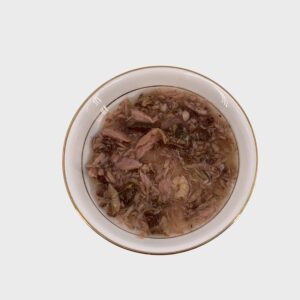
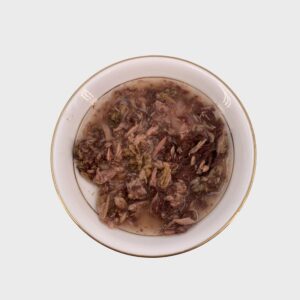
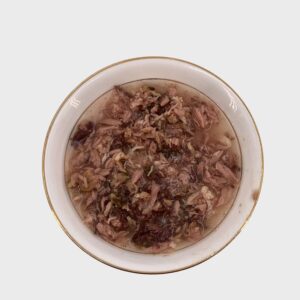
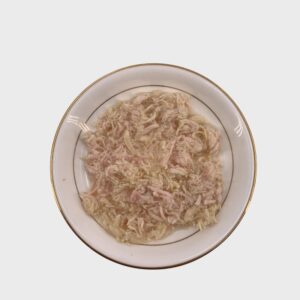
- Freeze-dried meat treats (single-protein, minimal processing)
- Functional treats (skin & coat, digestion, joint support)
- Natural meat-based snacks with limited ingredient lists
Retailers increasingly favor focused SKUs with clear positioning, rather than overly complex product lines.
3. OEM & Private Label Customization Capability
For Amazon sellers, chain retailers, and distributors, OEM/ODM dog treats are no longer optional—they are a strategic requirement.
Key customization elements typically include:
- Formula adjustment (protein source, texture, functional additives)
- Size, shape, and moisture level customization
- Packaging design aligned with Canadian retail preferences
- Multi-language labeling (English / French where required)
- MOQ flexibility for market testing

Working with a manufacturer that understands private-label execution significantly shortens time to market and reduces operational risk.
4. Scalability & Supply Stability
Canadian buyers prioritize suppliers who can support growth:
- Stable production capacity
- Consistent raw material sourcing
- Ability to scale volumes without quality fluctuation
- Reliable lead times for repeat orders
This is especially important for supermarket buyers and large distributors, where out-of-stock situations directly impact shelf space decisions.
5. Competitive Wholesale Pricing with Long-Term Value
Price sensitivity exists, but professional buyers focus more on landed cost stability than lowest unit price.
Factors influencing purchasing decisions include:
- Yield consistency
- Reduced return or complaint rates
- Brand-building potential
- Long-term supplier reliability

In practice, buyers prefer partners who help them protect margins rather than compete only on price.
Online vs Offline Wholesale Channels in Canada
Online Channels (Amazon, DTC, Marketplaces)
- Emphasis on packaging design and differentiation
- Strong demand for training treats and freeze-dried snacks
- Higher importance of storytelling and functional claims
- Smaller initial order volumes, faster iteration
Offline Channels (Supermarkets, Pet Stores, Distributors)
- Preference for stable SKUs with predictable sales
- Larger order volumes and longer contracts
- Strict focus on compliance, shelf life, and logistics
- Strong interest in private-label or exclusive products
An effective wholesale strategy often supports both channels simultaneously, using tailored SKUs for each.
Why OEM/ODM Manufacturing Matters for the Canadian Market
As competition increases, branding and formulation control become decisive advantages.
OEM/ODM dog treat manufacturing allows buyers to:
- Build defensible brands instead of competing on generic products
- Adapt recipes to Canadian consumer preferences
- Control cost structure over the long term
- Reduce direct competition on identical SKUs
For distributors and retailers, this translates into higher margins, stronger customer loyalty, and sustainable growth.
Choosing the Right Wholesale Dog Treat Manufacturer
When sourcing wholesale dog treats for Canada, experienced buyers typically evaluate:
- Factory certifications and audit readiness
- R&D capability for new formulations
- Transparency in raw material sourcing
- Experience with export markets
- Proven OEM/ODM execution history

A manufacturer that combines food safety discipline, formulation expertise, and customization flexibility becomes a long-term strategic partner rather than a transactional supplier.
Final Thoughts
The wholesale dog treats Canada market remains highly attractive—but success depends on professional sourcing decisions. Buyers who prioritize compliance, customization, and supply stability are best positioned to win in both online and offline channels.
For retailers, distributors, and brand owners, partnering with an experienced OEM/ODM manufacturer enables faster market entry, stronger differentiation, and scalable growth in Canada’s competitive pet treat landscape.