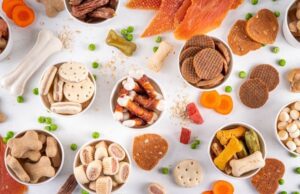
Private Label Dog Biscuits
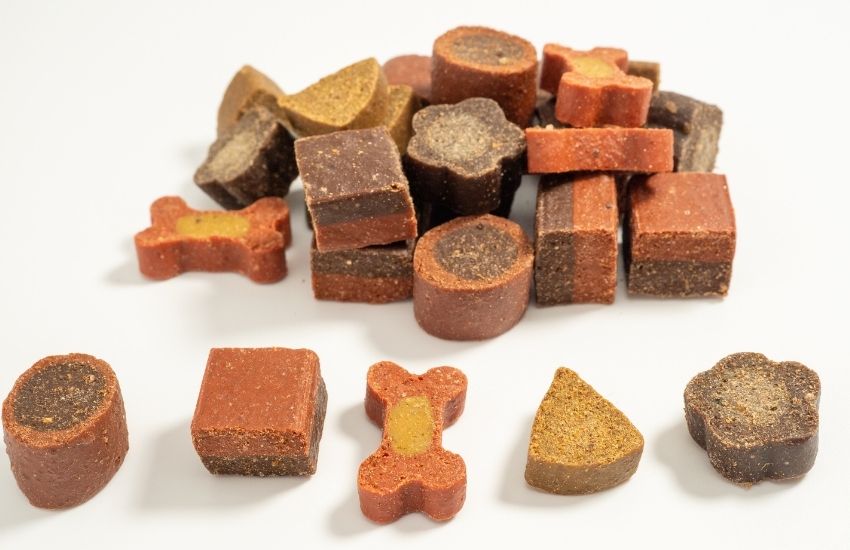
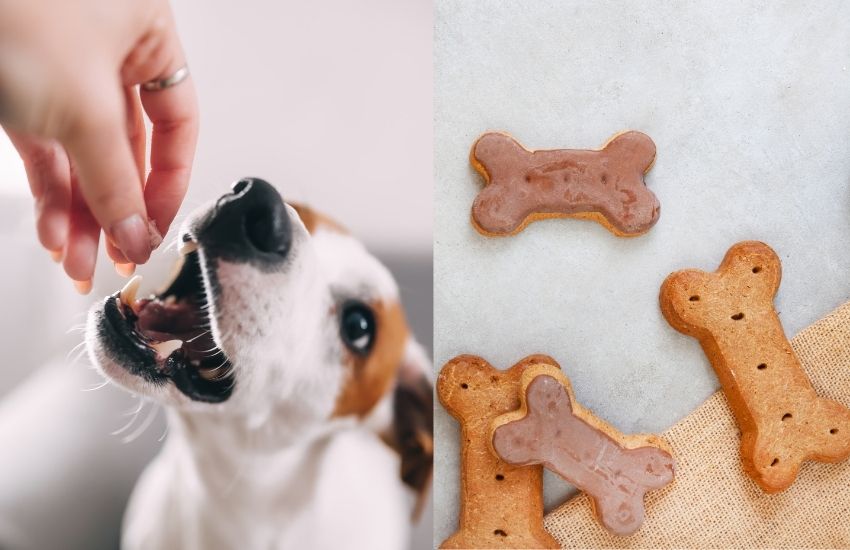
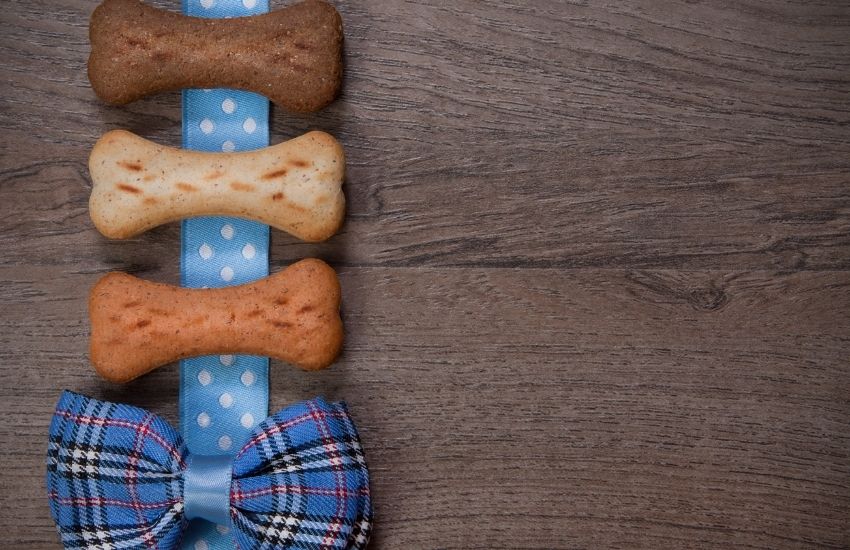
Private label dog biscuits are no longer just a low-cost shelf filler. In today’s pet food market, they have become a strategic product category for brands, retailers, and manufacturers that want better margins, stronger customer loyalty, and more control over product positioning.
But there is one factor that often separates a dog biscuit that sells once from one that sells again and again: palatability.
No matter how attractive the packaging looks or how strong the nutrition claims are, a pet treat must be willingly accepted by the animal. That is where pet food palatability, pet food ingredients, and palatability enhancers for pet food become essential. For manufacturers, wholesalers, and private label buyers, this is not only a product development issue. It is a business issue.
For companies sourcing or developing private label dog biscuits, understanding the role of pet food flavor enhancer systems, feed additives for dogs, and reliable palatability enhancer suppliers can help create products that are more competitive in both domestic and export markets.
This article explains how palatability affects private label dog biscuits, why flavor systems matter, how cat food palatability knowledge can also inform product development, and what buyers should look for when choosing a trusted supplier.
Why Private Label Dog Biscuits Are Growing Fast
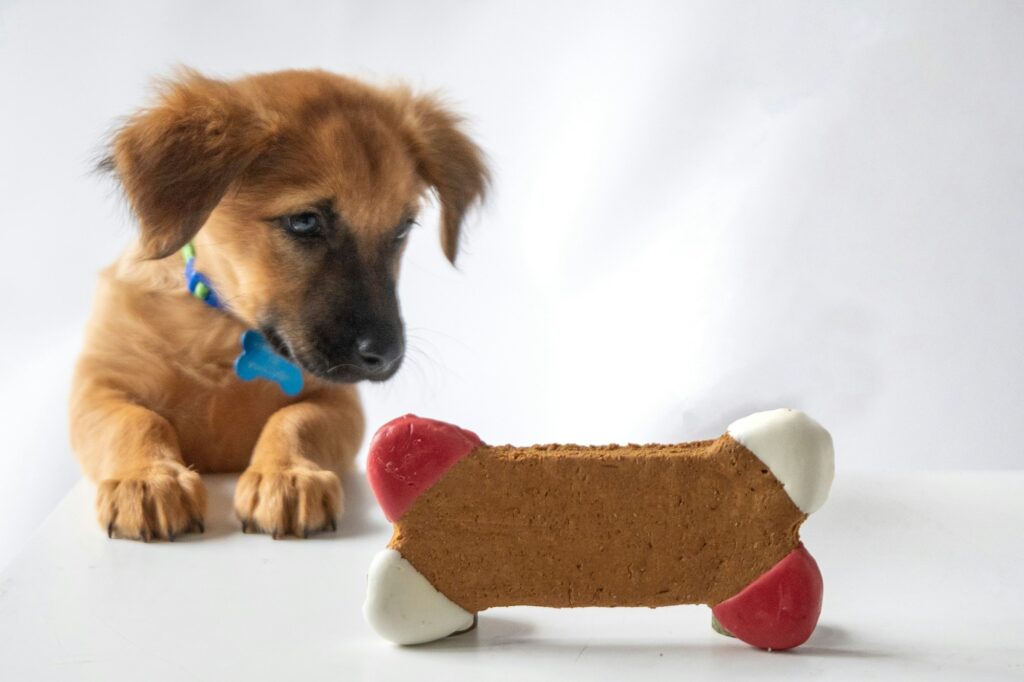
Private label is expanding across nearly every pet category, and dog biscuits are a strong fit for this model.
There are several reasons why buyers continue to invest in private label dog biscuits:
- They offer strong opportunities for brand differentiation
- They are easier to customize by size, shape, texture, and flavor
- They can target different price tiers, from economy to premium
- They work well in supermarkets, pet retail chains, e-commerce, and specialty channels
- They allow importers and distributors to build long-term brand equity instead of relying only on third-party brands
For private label buyers, dog biscuits also create flexibility. A product can be positioned as a training treat, functional biscuit, dental snack, grain-free reward, meat-enriched crunchy treat, or premium natural biscuit depending on formula and market demand.
However, the success of these products depends on more than ingredient claims. Dogs have to enjoy the treat. If acceptance is weak, repeat orders suffer. If aroma is flat, the product may struggle against competing SKUs. If coating adhesion is poor, the taste experience becomes inconsistent.
That is why palatability should be built into the development process from the start.

What Is Palatability in Pet Food
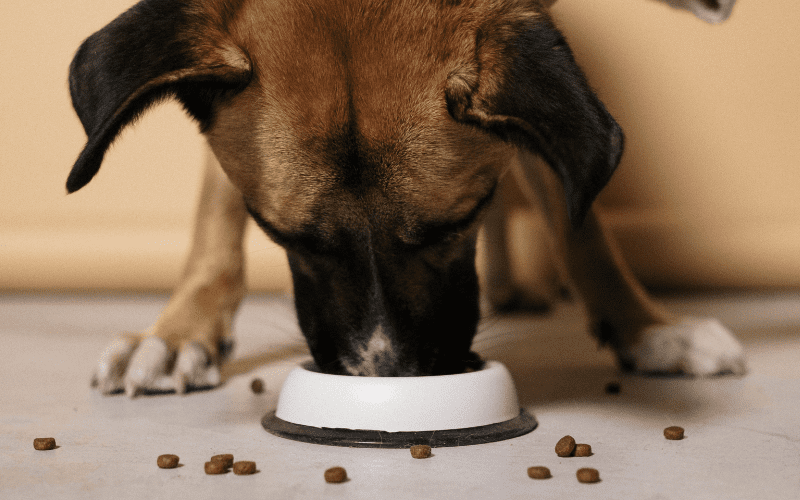
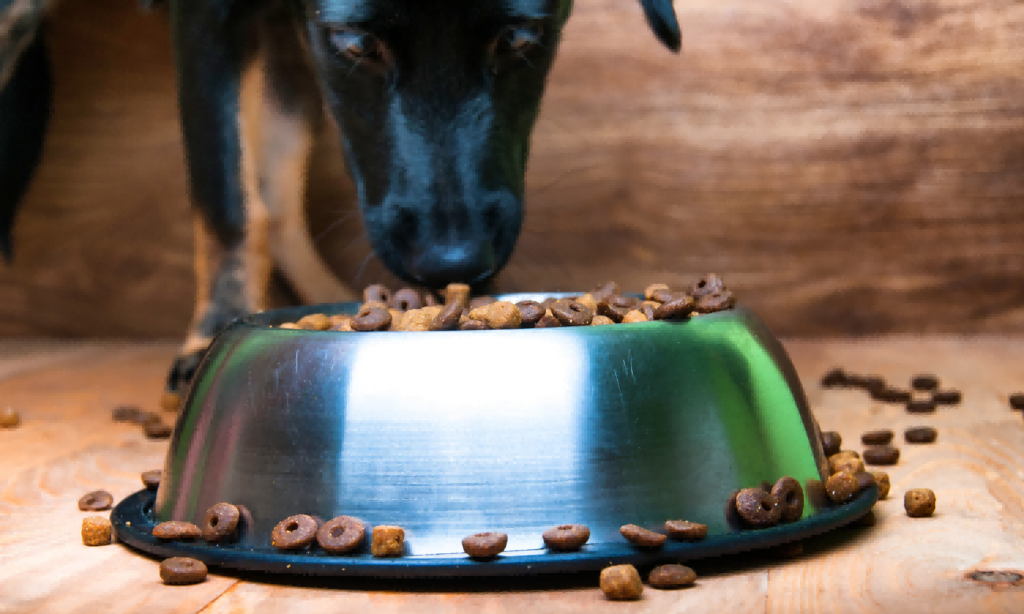
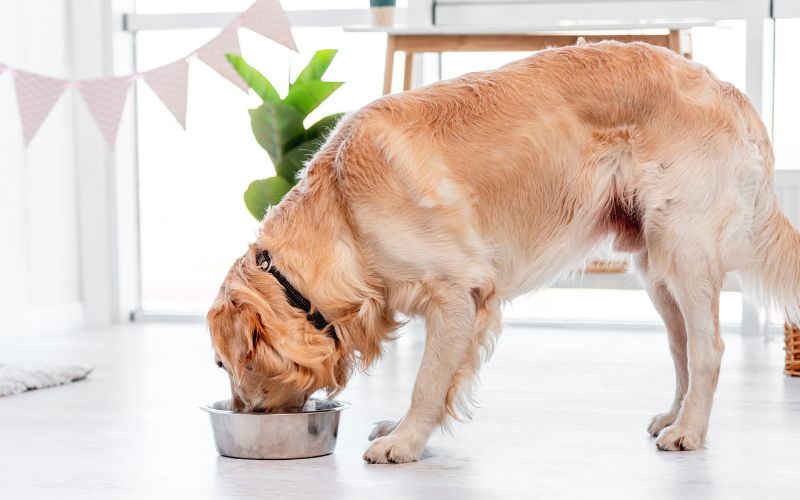
Palatability in pet food refers to how attractive a product is to an animal based on smell, taste, texture, mouthfeel, and after-consumption response. In simple terms, it is the animal’s willingness to eat the product and enjoy it.
For dog biscuits, palatability is influenced by factors such as:
- Surface aroma
- Fat coating quality
- Protein hydrolysates or digest-based flavor layers
- Crunch and texture
- Moisture balance
- Freshness stability
- Meat-associated taste notes
- Ingredient compatibility
A dog biscuit may have a strong formula on paper, but if the sensory experience is weak, the product may underperform.
In commercial product development, palatability is not accidental. It is often carefully supported through a combination of pet food ingredients, processing technology, and feed additives for dogs designed to improve aroma and acceptance.
Why Palatability Matters in Private Label Dog Biscuits
Private label buyers are usually focused on cost, MOQ, packaging, compliance, and lead time. Those are important. But palatability is what protects the product in the market after launch.
Here is why it matters so much:
1. It Improves Repeat Purchase
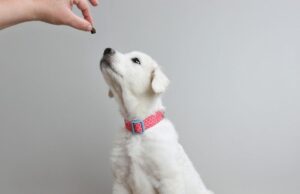
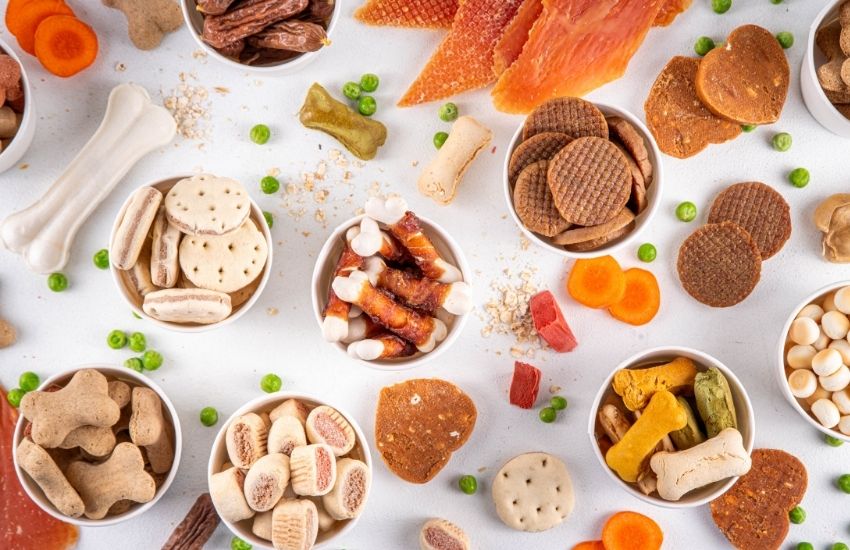
A dog may not care about branding, but the owner definitely notices whether the pet gets excited about the treat. Good palatability often leads to repeat purchase, stronger reviews, and higher long-term sell-through.
2. It Supports Premium Positioning
Premium private label dog biscuits need more than a premium-looking bag. They need a premium feeding experience. Better aroma, better first bite acceptance, and better consistency justify higher value.
3. It Helps New Products Enter Competitive Markets
When launching a new private label line, especially in crowded retail categories, palatability can help a product gain traction faster.
4. It Reduces Product Rejection Risk
Poor acceptance leads to complaints, slow movement, and lost trust between brand owner and manufacturer. Palatability enhancement lowers that risk.
5. It Builds Better Brand Identity
A strong sensory profile can become part of the brand’s signature. Buyers may remember a biscuit as highly appealing, meaty, fresh-smelling, or more acceptable than competing products.
The Role of Pet Food Flavor Enhancers in Dog Biscuits
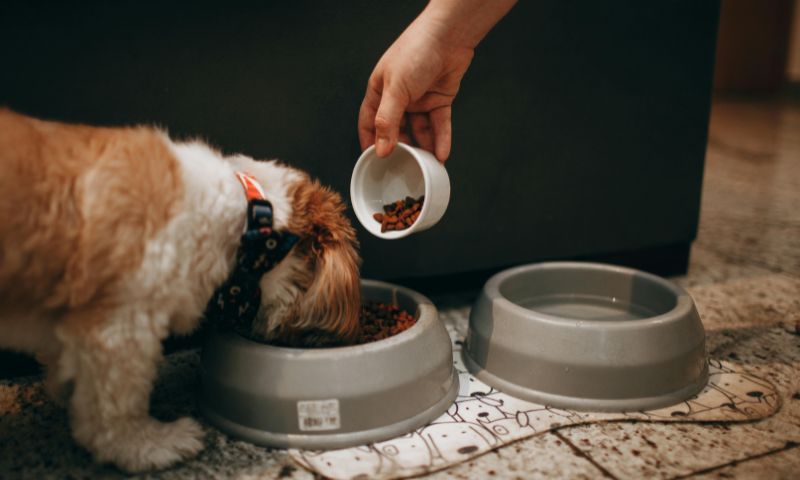
A pet food flavor enhancer is used to improve the sensory appeal of pet food or treats. In dog biscuits, this is often especially important because the baked base itself can be nutritionally stable but not naturally very attractive from an aroma and taste perspective.
Flavor enhancers may help by:
- Adding meaty aroma notes
- Improving first sniff attraction
- Enhancing savory taste perception
- Supporting more consistent palatability batch to batch
- Complementing protein or fat systems already in the formula
- Masking less desirable raw material notes
For dog biscuits, flavor systems are often applied through external coating or integrated into the recipe depending on product design.
This is why many manufacturers work with a dedicated palatability enhancer supplier rather than relying only on base raw materials. A specialist supplier can help optimize both performance and cost efficiency.
Palatability Enhancer for Pet Food: More Than Just Taste
A palatability enhancer for pet food is not simply a flavoring. In a commercial setting, it is part of a broader functional system.
A strong palatability solution may contribute to:
- Better aroma release
- More consistent treat acceptance
- Improved compatibility with fats and coatings
- Better stability during storage
- Efficient use rates in production
- Adaptation for different species, product formats, and regional preferences
In dog biscuits, a palatability system can be especially useful when the product is being positioned as:
- Natural meat biscuit
- Functional biscuit with vitamins or supplements
- Reduced-meat biscuit that still needs strong acceptance
- Dental or crunchy treat with a dry texture
- Value-line biscuit that must remain affordable while still tasting good
This is where a factory with real application expertise becomes more valuable than a simple ingredient trader.
What Pet Food Ingredients Affect Biscuit Acceptance
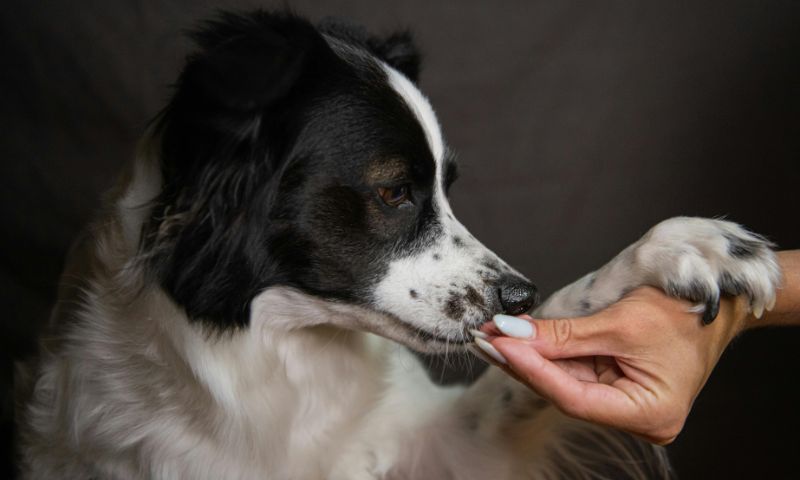
When developing private label dog biscuits, several pet food ingredients have direct impact on palatability.
Protein Sources
Animal proteins, hydrolyzed proteins, liver powders, meat meals, and digest materials can add savory character and improve acceptance.
Fat Systems
Fats help carry aroma and improve mouthfeel. Surface fats are especially important in coated biscuits.
Yeast and Umami Components
These can support depth of flavor and improve overall sensory appeal.
Natural Flavor Systems
These may help align the formula with “clean label” or premium marketing claims.
Texture-Building Ingredients
Crunch matters. A biscuit that is too hard, too dry, or too crumbly can reduce the eating experience.
Coating Ingredients
The coating layer is often where palatability wins or fails. The right combination of fat, flavor enhancer, and process control can make a major difference.
For this reason, dog biscuit development should not be treated only as a baking exercise. It should be treated as a sensory engineering process.
Feed Additives for Dogs in Biscuit Development
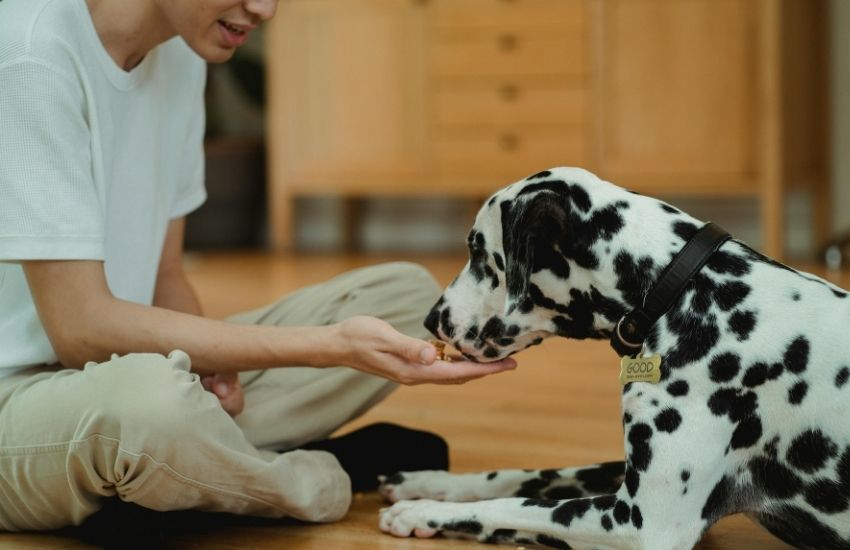
The term feed additives for dogs covers a wide range of functional ingredients used in pet food and treats. In private label dog biscuits, these may include flavor-related additives, antioxidants, texture-support systems, preservatives where permitted, and nutritional actives.
From a palatability point of view, feed additives may support:
- Taste improvement
- Aroma enhancement
- Better coating performance
- Shelf-life stability
- Functional product claims
- More balanced sensory performance after processing
For example, when a private label buyer wants a biscuit with added nutrition or botanical ingredients, some of those materials may negatively affect taste. A properly selected palatability enhancer can help balance the sensory profile.
This is one reason why B2B buyers increasingly prefer working with suppliers that understand both formulation and application rather than offering only standard commodity ingredients.
What Cat Food Palatability Can Teach Us About Dog Biscuit Development
At first glance, cat food palatability may seem unrelated to private label dog biscuits. But in reality, cat food palatability research offers several valuable lessons.
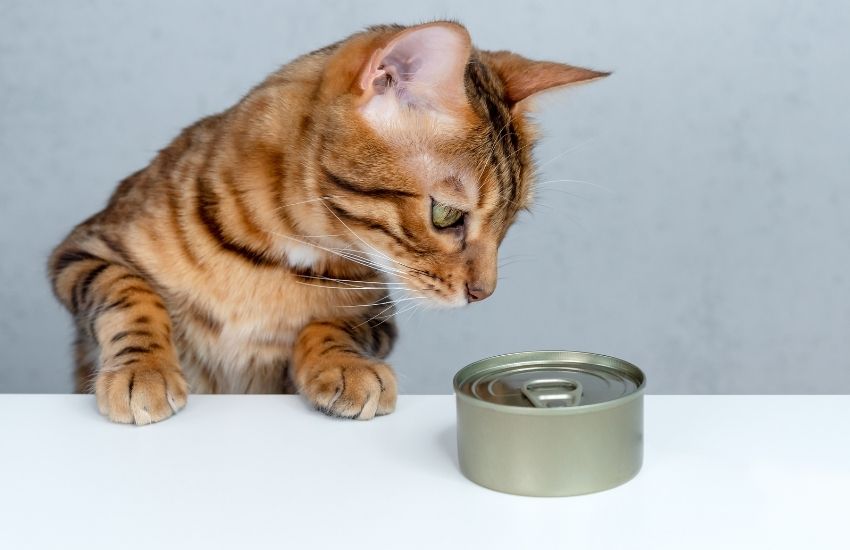
Cats are often considered more selective than dogs, especially when it comes to aroma, freshness, and taste profile consistency. Because of this, the cat food sector has pushed the industry to develop advanced cat food flavor enhancer and palatability systems.
These lessons can be very useful for dog treat manufacturers:
Sensory Precision Matters
The cat food industry has shown that small changes in aroma profile can strongly affect acceptance. The same principle applies to dog biscuits, especially premium or functional lines.
Consistency Builds Trust
In cat food, even slight variation can reduce acceptance. For dog biscuits, consistent sensory performance also matters for repeat purchase and product reliability.
Surface Application Is Critical
Many cat food flavor enhancer systems focus on application efficiency and aroma delivery. Similar expertise can improve dog biscuit coating systems.
Ingredient Interactions Matter
Palatability is influenced by how proteins, fats, carriers, and flavor compounds work together. This is true in both dog and cat products.
So while the end application may differ, knowledge from cat food palatability and cat food flavor enhancer development can absolutely strengthen private label dog biscuit formulation.
Why Cat Food Flavor Enhancer Technology Is Relevant to Pet Food Manufacturers
A professional cat food flavor enhancer is often developed with a high level of attention to aroma profile, acceptance response, and application method. That same technology platform can support broader palatability pet food innovation across multiple product categories.
For pet food manufacturers and factories, this matters because many production lines serve more than one segment. A plant may produce dog biscuits, cat treats, dry snacks, semi-moist treats, and topper products under different private labels.
When a supplier understands both dog and cat palatability systems, they can often provide:
- More complete technical support
- Better flavor profile customization
- Cross-category application knowledge
- Faster product development cycles
- Improved matching between formula and target species
This is particularly valuable for OEM and ODM projects where speed, flexibility, and performance all matter.
Choosing a Palatability Enhancer Supplier for Private Label Dog Biscuits
Not all suppliers offer the same value. Some provide only ingredient samples. Others can help solve product problems.
When choosing a palatability enhancer supplier, B2B buyers should evaluate the following:
Application Experience
Can the supplier support baked biscuits, crunchy treats, coated snacks, and different processing conditions?
Customization Ability
Can they tailor aroma profile, taste direction, and dosage based on target market or product positioning?
Technical Support
Do they understand coating systems, formulation balance, and sensory optimization?
Stability and Consistency
Can they deliver stable quality across commercial production volumes?
Regulatory and Export Awareness
Do they understand documentation needs for international business and support consistent compliance expectations?
Production Capacity
Can they scale from pilot testing to full commercial supply?
Collaboration Style
Are they simply selling a powder, or are they helping improve the final product?
A good supplier becomes part of the development team. That is especially important in private label business where success depends on both speed and repeatability.
How Pet Food Manufacturers Can Build Better Private Label Dog Biscuits
To create more competitive dog biscuits, manufacturers should approach development in a structured way.
Start With Product Positioning
Define whether the biscuit is value, mid-range, premium, functional, natural, training-focused, or retail mass-market.
Match Flavor to Format
A crunchy dog biscuit may need a different surface flavor strategy than a soft chew or freeze-dried treat.
Optimize the Base Formula
The base should support texture, nutrition, and process efficiency without creating avoidable off-notes.
Use the Right Palatability System
Choose a palatability enhancer for pet food that works with the biscuit’s process, coating method, target species, and shelf-life goals.
Test Acceptance Early
Palatability trials and internal sensory checks can save time and reduce the risk of reformulation later.
Think Beyond Launch
A good biscuit must perform not only at sample stage but across repeated orders, long-distance shipping, and market shelf time.
Private Label Dog Biscuits and the Future of Palatability Pet Food
The future of palatability pet food is moving toward more precise, science-based, and application-focused solutions.
Buyers increasingly want products that are:
- More customized
- More species-specific
- More functional
- More premium
- More export-ready
- More consistent in sensory performance
This means palatability will continue to play a bigger role in private label innovation.
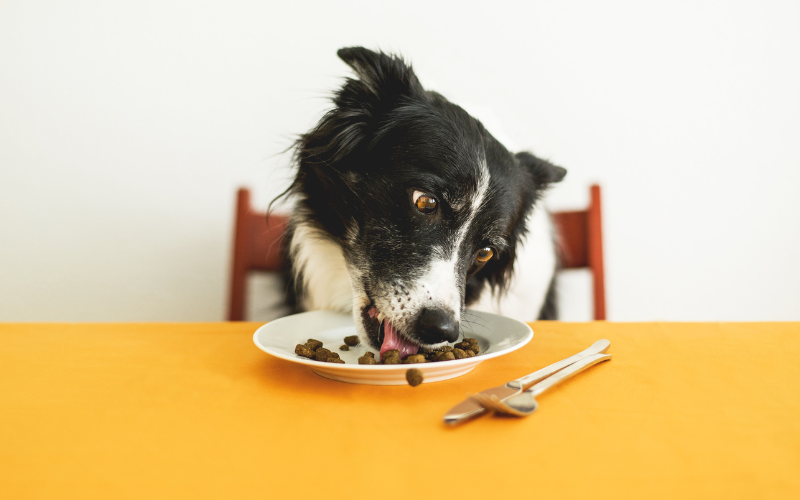
For dog biscuits, the opportunity is clear. A well-designed biscuit with strong acceptance can become a reliable repeat-purchase item. A poorly designed biscuit may disappear quickly, no matter how attractive the packaging is.
That is why more brands, manufacturers, and wholesalers are paying closer attention to flavor systems, coating technology, and ingredient synergy.
Why This Matters for B2B Buyers
For importers, brand owners, and pet food factories, private label dog biscuits should be seen as more than just a simple treat category.
They are a platform for:
- Margin growth
- Brand differentiation
- Cross-border expansion
- Customer loyalty
- Retail line extension
- Custom product development
And behind that opportunity sits one very practical question: will pets actually enjoy the product enough for owners to buy again?
That question leads directly back to palatability.
Whether you are evaluating cat food flavor enhancer technology, exploring feed additives for dogs, improving pet food ingredients, or selecting a dependable palatability enhancer supplier, the goal is the same: create products that perform in the real market, not just on a specification sheet.
Conclusion
Private label dog biscuits can be a strong category for wholesalers, manufacturers, and brand owners, but long-term success depends on more than price and packaging. Palatability is one of the most important drivers of product performance.
From pet food flavor enhancer systems to advanced palatability enhancer for pet food solutions, the right support can help dog biscuits achieve better aroma, stronger acceptance, and more reliable repeat purchase. At the same time, insights from cat food palatability and cat food flavor enhancer development offer valuable technical direction for broader pet treat innovation.