Pet Treat Update: Is It Becoming a Cat’s World?
For decades, dogs have ruled the pet treat aisle — from chewy bones to crunchy biscuits. But lately, something interesting has been happening in the pet industry. The spotlight is slowly shifting toward our feline friends. Cats, once the quieter members of the household, are now driving innovation, growth, and competition in the global pet treat market.
So, is it really becoming a cat’s world? Let’s dig into the latest trends, data, and opportunities shaping the future of pet treats — and what it means for wholesalers, distributors, and private label brands.
1. The Rise of the Cat Treat Market
The pet treat industry has seen remarkable growth worldwide, but the cat category is outpacing expectations. According to recent global pet care reports, cat treat sales have grown by over 13% annually, compared to around 8% for dog treats. This shift is particularly evident in North America, Europe, and East Asia — regions where cat ownership is rapidly expanding.
What’s fueling this rise? Several key factors:
- Urban living: More people are choosing cats due to their adaptability to smaller living spaces. In dense cities, cats fit modern lifestyles better than dogs that need outdoor exercise.
- Humanization of pets: Owners now treat cats as family members, wanting the same quality and variety in food and treats that humans enjoy.
- Increased spending power: Millennials and Gen Z pet owners are driving demand for premium, functional, and sustainable cat treats.
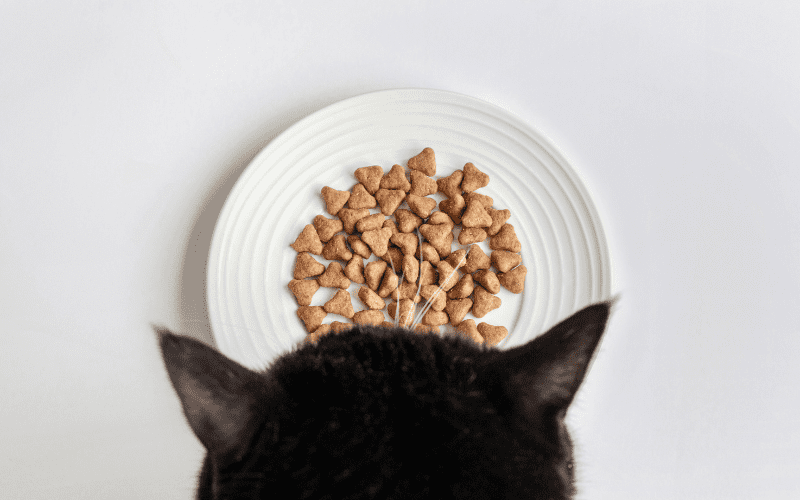
It’s no longer just a dog-dominated world. Cats are claiming their share of the global pet economy — and the numbers show they’re here to stay.
2. The Evolution of Cat Treats: Beyond Crunchy Bites
Once limited to simple crunchy kibbles, cat treats have evolved into a sophisticated category that blends nutrition, function, and indulgence.
Here are the fastest-growing cat treat formats in 2025:
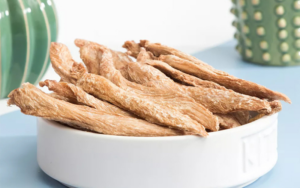
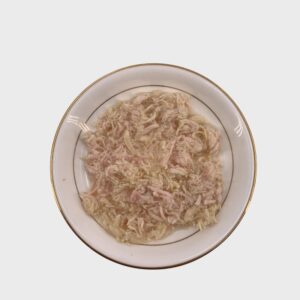
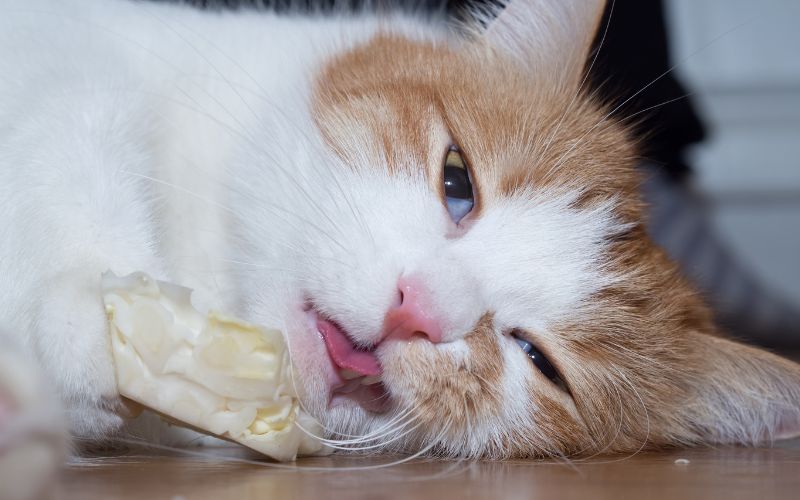
- Freeze-dried and air-dried treats: High in protein, minimally processed, and made from single-ingredient meats like chicken, salmon, or tuna. These treats are especially popular among health-conscious cat owners.
- Functional treats: Formulated for specific benefits — like hairball control, dental care, or urinary health. These bridge the gap between snacks and supplements.
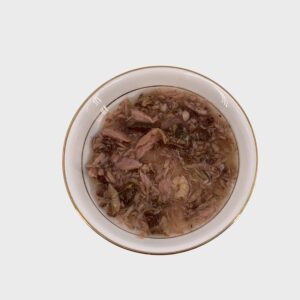
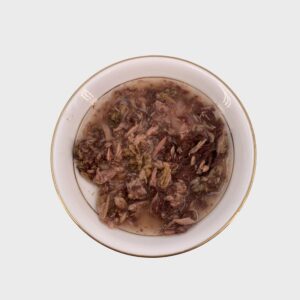
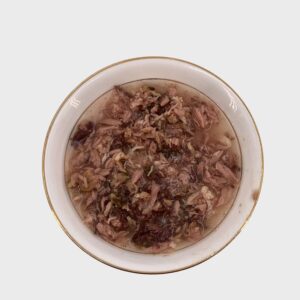
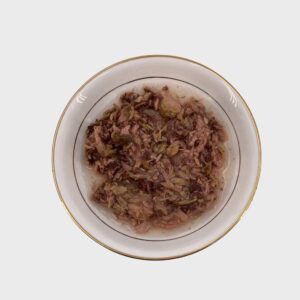
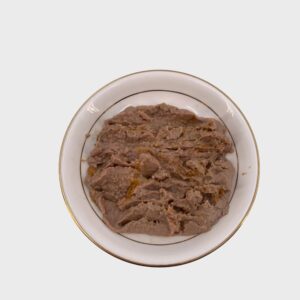
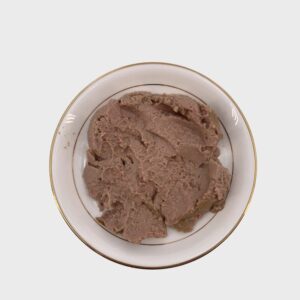
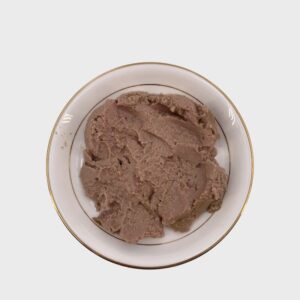
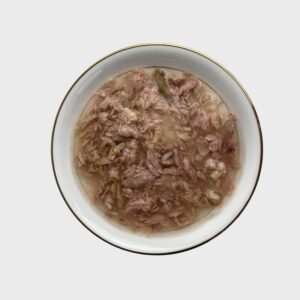
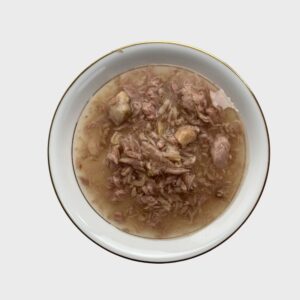
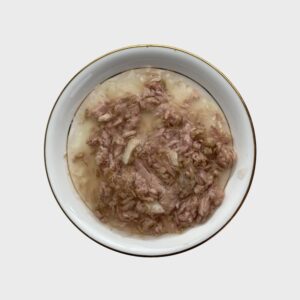
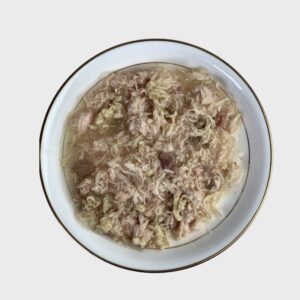
- Lickable treats and mousse textures: Soft, creamy, and highly palatable options that have exploded in popularity across Asia and are now trending globally.
- Grain-free and hypoallergenic recipes: Designed for sensitive stomachs and pet owners looking for cleaner ingredient labels.
- Eco-friendly packaging: Recyclable or compostable options are becoming standard as sustainability expectations rise among consumers.
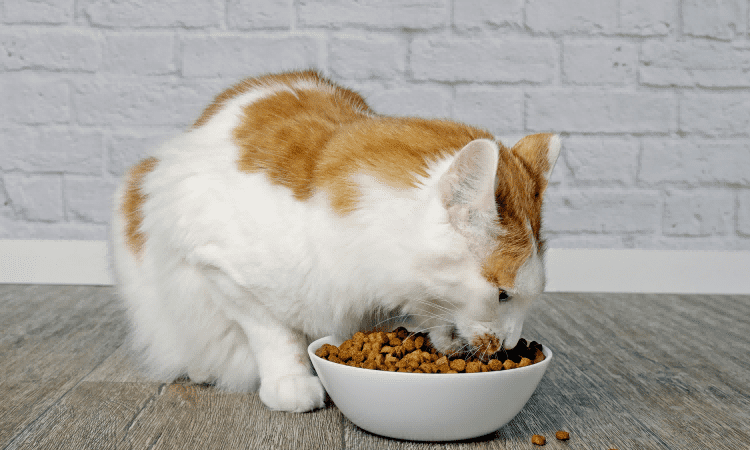
At Matchwell, we’ve seen OEM/ODM customers increasingly request customized cat treat solutions — from freeze-dried cubes to protein-rich functional sticks. The ability to personalize formulas, flavors, and packaging gives brands an edge in a market that values innovation and authenticity.
3. Understanding the New Cat Consumer
To succeed in the cat treat segment, it’s crucial to understand who’s buying — and how they think.
Cat owners tend to be:
- Detail-oriented: They read ingredient labels carefully, looking for transparency and traceability.
- Digitally active: Cat owners are more likely to shop online, discover new brands through social media, and leave product reviews.
- Explorers: They enjoy trying new treat formats, flavors, and packaging styles to keep their cats engaged.
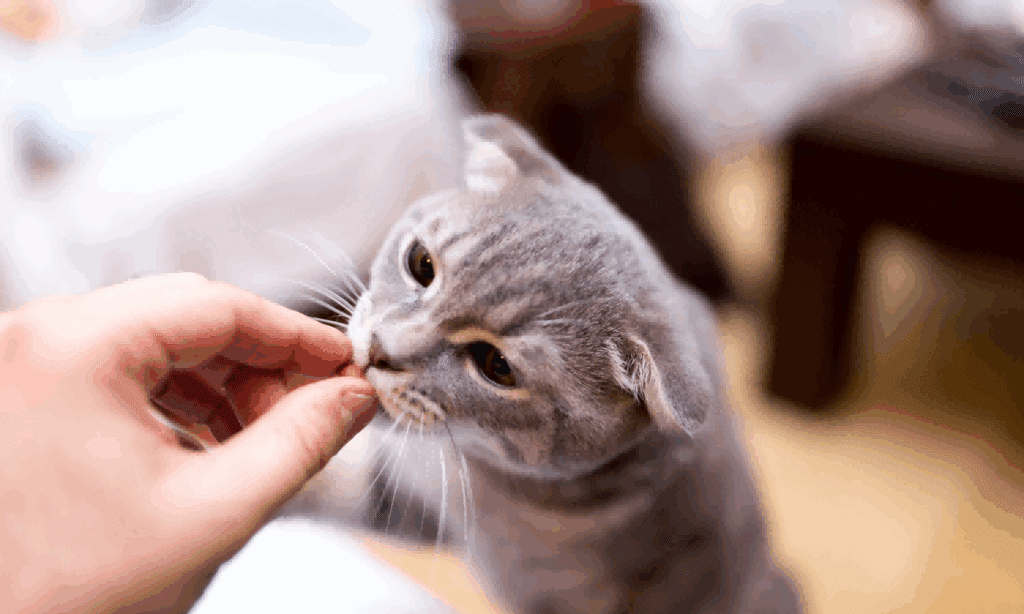
Unlike the dog treat buyer, who often shops in bulk for frequent use, cat treat shoppers prefer smaller, premium packages with an emphasis on freshness and quality.
That’s why private label and wholesale customers who want to succeed in this space should focus on brand storytelling, clean design, and clear functional claims. Whether it’s “100% single protein,” “grain-free,” or “freeze-dried freshness,” the message must resonate instantly.
4. Opportunities for Wholesalers, Distributors, and Private Label Brands
The growing demand for cat treats presents a huge opportunity for businesses across the supply chain — especially those willing to innovate and differentiate.
Here’s how wholesalers and OEM/ODM brands can capitalize on the shift:
a. Expand Product Portfolios
If your current lineup focuses mostly on dog treats, it’s time to balance it out. Even a small addition of cat SKUs can make your offerings more competitive, especially for export buyers and retailers who want full-category coverage.
b. Invest in R&D and Customization
Work with manufacturers like Matchwell to develop cat treat formulas tailored to your target market. Think of regional preferences — tuna and seafood-based treats may perform better in Asia, while chicken and turkey are preferred in North America.
c. Prioritize Quality and Testing
Compliance and transparency are crucial. Ensure your cat treats meet FDA, FEDIAF, or CFIA standards depending on your destination market. High-quality testing, documentation, and export support build trust with partners and end consumers alike.
d. Stay Ahead with Design and Branding
Visual appeal is key in the cat category. Pastel tones, minimalist packaging, and sustainable materials can communicate modernity and care — essential for connecting with millennial and Gen Z pet owners.
5. Data Speaks: Global Trends to Watch
Let’s look at some recent global insights shaping the future of cat treats:
- The global cat treat market is projected to surpass USD 6.8 billion by 2027, growing at a CAGR of 9–10%.
- Asia-Pacific is the fastest-growing region, driven by Japan, China, and South Korea, where cats have become cultural icons.
- In the United States, over 60% of cat owners now buy treats monthly — a 20% increase compared to five years ago.
- Online retail channels account for nearly 40% of cat treat sales, reflecting the digital habits of modern cat parents.
These trends make one thing clear: cat treats are no longer a niche product — they’re a mainstream growth engine for the entire pet industry.
6. The Future of Pet Treats: Not Just Dogs vs. Cats
While cats are clearly gaining momentum, the bigger picture is about diversification. The future of the pet treat market isn’t a competition between dogs and cats — it’s about catering to a variety of pets, lifestyles, and dietary philosophies.
From plant-based snacks to insect protein innovations, consumers are demanding more personalized, ethical, and sustainable options. Manufacturers who can deliver variety while maintaining consistency and quality will lead the next era of pet treat success.
At Matchwell, we’re proud to support partners across the globe with:
- Private label and OEM/ODM cat and dog treat solutions
- Flexible packaging and branding customization
- Full compliance documentation and export support
- R&D for functional, air-dried, and freeze-dried innovations
7. Final Thoughts
So, is it becoming a cat’s world?
In many ways — absolutely. Cat owners are shaping the next generation of pet products with their demand for quality, transparency, and creativity.
For wholesalers, distributors, and private label brands, this is the perfect time to explore new opportunities in the feline market. The right strategy, backed by innovation and trusted manufacturing partners, can turn this trend into long-term business growth.
Whether it’s dogs, cats, or both — the pet industry’s future looks bright, diverse, and full of possibilities.