
Dog Treats Business
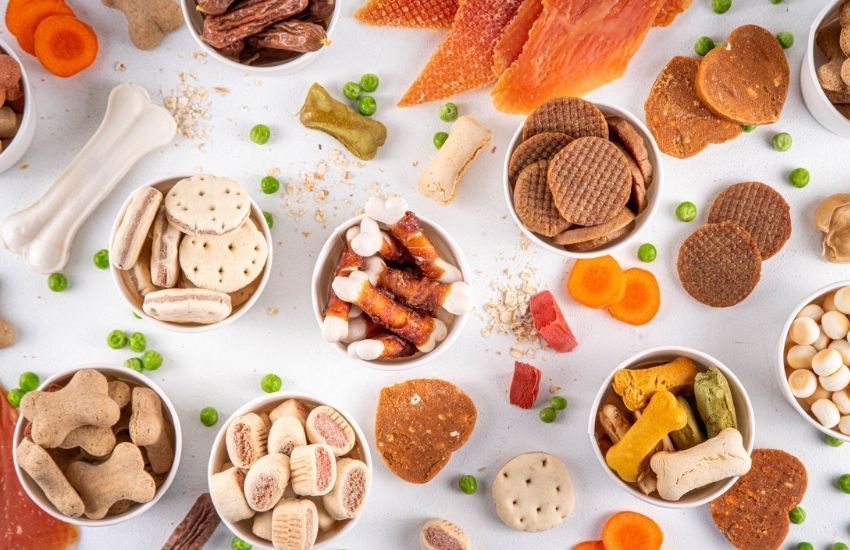
The dog treats industry is booming worldwide, with pet owners increasingly seeking high-quality, safe, and innovative snacks for their furry friends. For wholesalers, distributors, and OEM/ODM partners, understanding the key requirements for importing and distributing dog treats smoothly is crucial. From labeling and packaging to testing and documentation, proper preparation can make the difference between a seamless entry into a market and costly delays.
In this guide, we’ll provide actionable insights for global buyers aiming to succeed in the dog treats business.
1. Understanding Product Labeling Requirements
Labeling is more than a regulatory obligation — it’s also a powerful marketing tool. Each country has specific requirements, but some common elements should always be included:
- Product Name & Description: Clearly describe the product (e.g., “Grain-Free Chicken Jerky Dog Treats”).
- Ingredient List: List all ingredients in descending order by weight. Include potential allergens like wheat, soy, or dairy.
- Nutritional Information: Many markets, such as the EU and US, require minimum guarantees for protein, fat, fiber, and moisture content.
- Feeding Guidelines: Include portion sizes and age or weight suitability for dogs.
- Storage Instructions: Highlight if the treats require refrigeration or should be kept in a cool, dry place.
- Manufacturer Information: Include the company name, address, and contact information.
- Batch Number & Expiry Date: Essential for traceability and consumer safety.
- Compliance Marks: Some markets may require specific logos, such as the FDA-approved or EU pet food compliance symbols.
For OEM/ODM buyers, it’s wise to coordinate early with manufacturers to ensure labels are compliant in the target market, avoiding delays at customs.

2. Packaging Considerations for Global Distribution
Packaging is critical not only for protection and shelf appeal but also for regulatory compliance. Consider these factors:
- Material Safety: Use food-grade materials that prevent contamination and preserve freshness.
- Durability: Treats often travel long distances. Packaging must withstand temperature fluctuations, humidity, and rough handling.
- Portion Control: Resealable pouches or individually wrapped treats enhance convenience for consumers and minimize waste.
- Sustainability: Eco-friendly packaging is increasingly preferred, especially in Europe, North America, and Australia. Consider recyclable or biodegradable options.
- Labeling Space: Ensure there’s enough room for all mandatory information and branding.
A well-designed package not only meets import standards but also attracts retailers and consumers in competitive markets like Amazon, supermarkets, and pet specialty stores.
3. Testing and Quality Assurance
International buyers should prioritize safety and consistency. Testing ensures that dog treats meet both local regulations and customer expectations:
- Microbiological Testing: Checks for pathogens like Salmonella and E. coli, which are critical for pet health.
- Nutritional Analysis: Confirms that the product meets the guaranteed analysis on the label.
- Contaminant Screening: Includes heavy metals, pesticides, and mycotoxins.
- Shelf-Life Testing: Verifies product stability over time, especially for treats with natural ingredients or limited preservatives.
Working with manufacturers that conduct rigorous testing or offer third-party testing reports (e.g., SGS, Intertek) gives buyers peace of mind and ensures faster market entry.
4. Documentation Required for Smooth Import
Global trade in pet treats requires a set of standard documentation to clear customs efficiently:
- Commercial Invoice & Packing List: Itemizes products, quantities, and value.
- Certificate of Analysis (COA): Confirms product composition and safety testing results.
- Health or Sanitary Certificates: Some countries, like the EU or Middle East, require veterinary approval for animal-origin products.

- Bill of Lading / Airway Bill: Proof of shipment for logistics tracking.
- Import Licenses: Check local regulations to determine if a license or registration is needed.
- Customs Declarations: Include HS codes for pet food to avoid misclassification and penalties.
Proactively gathering these documents reduces delays, prevents customs fines, and establishes your reliability as a buyer.
5. Tips for Working with OEM/ODM Manufacturers
- Communicate Early: Share target market regulations and labeling requirements upfront.
- Request Samples: Verify taste, texture, and packaging quality before bulk production.
- Plan for Scaling: Ensure the manufacturer can meet large orders without compromising quality.
- Maintain Transparency: Keep track of testing reports, production dates, and traceability documents.
- Negotiate Flexibility: Custom packaging, portion sizes, or flavor variations can differentiate your brand.
Matchwell Pets, with extensive experience in B2B OEM/ODM solutions, offers tailored support for buyers looking to enter global markets efficiently and reliably.

6. Final Thoughts
Entering the global dog treats market can be highly profitable, but success hinges on attention to detail. Proper labeling, smart packaging, rigorous testing, and complete documentation are essential to ensure smooth importation and distribution. Buyers who plan strategically and partner with experienced manufacturers can save time, reduce risk, and build strong relationships with retailers worldwide.
For wholesalers, distributors, and OEM/ODM partners, working with a knowledgeable supplier like Matchwell Pets can streamline your operations and give you a competitive edge in the growing pet treats market.