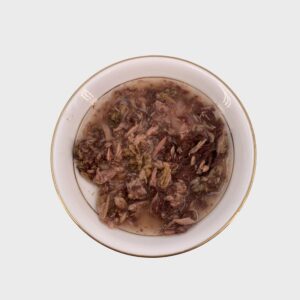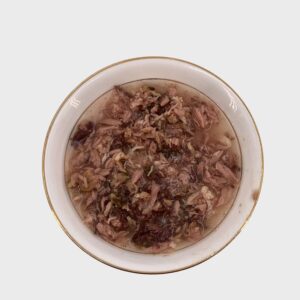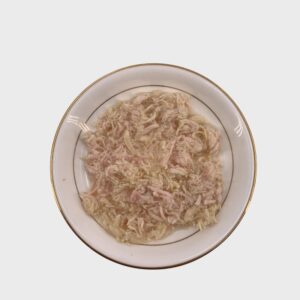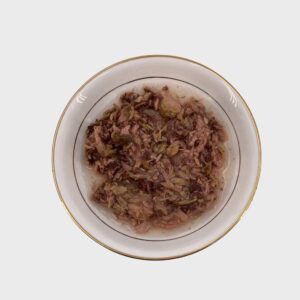

Natural Air-Dried Dog Treats Wholesale
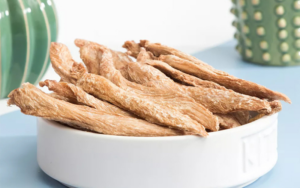
Natural air-dried dog treats are gaining popularity among pet owners worldwide. Their simple, preservative-free production method and wholesome ingredients appeal to conscious consumers seeking healthier options for their furry friends. For wholesalers, retailers, and OEM/ODM buyers, understanding the nuances of sourcing, labeling, packaging, and compliance is crucial to ensure smooth import and distribution. Here’s a detailed guide tailored for global buyers.
Why Natural Air-Dried Dog Treats Are in Demand
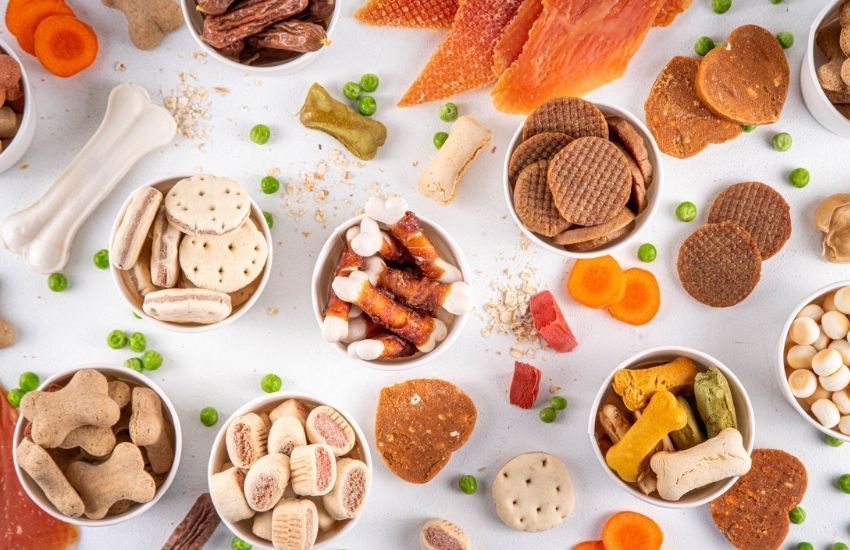
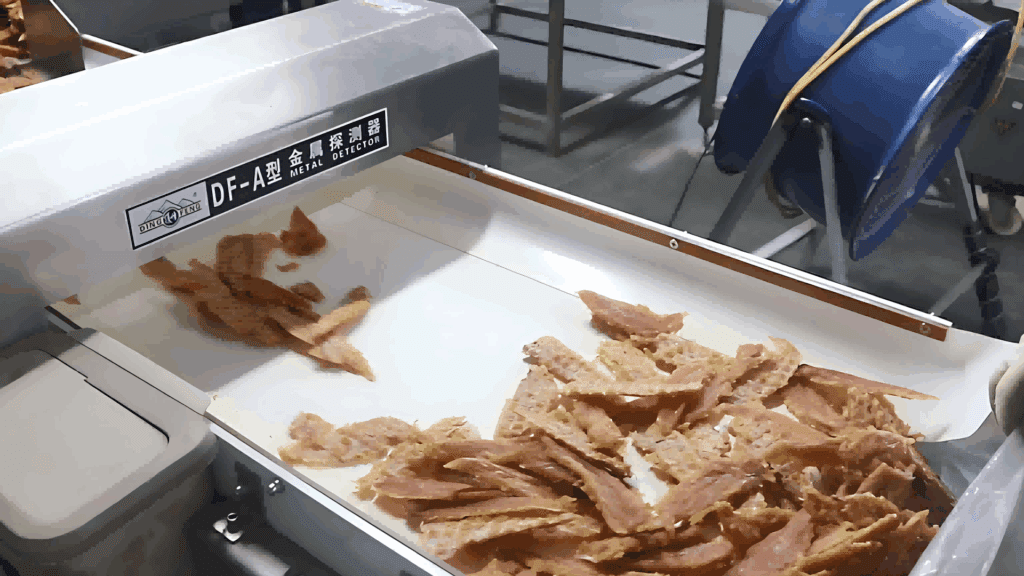
Air-dried dog treats retain most of the nutrients in meat or vegetables because they are gently dehydrated without high heat. This method preserves flavor and aroma, which makes them highly palatable for dogs. Key benefits include:
- No artificial additives: Consumers increasingly avoid artificial preservatives and flavorings.
- Longer shelf life: Properly air-dried treats can last several months without refrigeration.
- High nutritional value: Gentle drying preserves vitamins, minerals, and proteins.
- Premium market appeal: These treats align with the “human-grade” pet food trend, making them attractive to retailers and boutique pet shops.
For wholesalers, offering natural air-dried dog treats can differentiate their product range and meet growing demand in online and offline markets such as Amazon, large supermarkets, and specialty pet stores.
Key Considerations for Global Buyers
When importing natural air-dried dog treats, understanding labeling, packaging, testing, and documentation requirements is essential to avoid delays or compliance issues.
1. Labeling Requirements
Proper labeling ensures regulatory compliance and builds trust with end consumers. Labels should typically include:
- Product name: Clear and descriptive (e.g., “Natural Air-Dried Chicken Dog Treats”).
- Ingredients list: Highlight natural, recognizable ingredients.
- Net weight: Must be accurate and visible.
- Nutritional information: Protein, fat, fiber, moisture content.
- Storage instructions: e.g., “Store in a cool, dry place.”
- Country of origin: Required by many import regulations.
- Manufacturer or distributor info: Contact details for traceability.
- Batch number & production date: Essential for quality control and recalls.
Tip: For markets like the US and EU, follow the FDA and EU Pet Food Regulation (EC 767/2009) guidelines respectively. Some countries also require specific allergen declarations.
2. Packaging Recommendations
Packaging plays a critical role in preserving quality, shelf life, and market appeal. Consider:
- Barrier packaging: Use moisture-proof, oxygen-resistant pouches to maintain freshness.
- Resealable bags: Enhance convenience and reduce waste for end users.
- Clear labeling panels: Ensure your brand and key selling points are visible.
- Eco-friendly options: Sustainable packaging resonates well in Western markets.
Custom packaging is also an opportunity for OEM/ODM buyers to establish a unique brand identity while meeting retailer requirements.
3. Testing & Quality Assurance
Testing is critical for international shipments. Common checks include:
- Microbial testing: Ensures products are free from pathogens like Salmonella or E. coli.
- Moisture content: Air-dried treats typically target 10–15% moisture for safety and texture.
- Heavy metals & contaminants: Especially for meat-based treats, some countries mandate testing for lead, arsenic, or cadmium.
- Nutritional analysis: Validates protein, fat, and calorie content for labeling compliance.
Tip: Partnering with a supplier who provides a full Certificate of Analysis (CoA) and third-party lab testing reports can accelerate import approvals.
4. Documentation Needed for Import
For smooth customs clearance and legal compliance, prepare:
- Commercial invoice & packing list: Detailing product quantity, weight, and value.
- Certificate of Origin: Required by some countries to verify the source of goods.
- Health or sanitary certificates: Some markets require veterinary approval for animal-based treats.
- Import permits: Depending on the region, specific permits may be necessary.
- Certificates of Analysis (CoA): Proof of safety and quality tests.

Tip: Some countries, including the US, Canada, and EU member states, also require registration of the supplier or manufacturer before importing pet treats.
5. Working with OEM/ODM Suppliers
For buyers interested in private-labeling or customized treats:
- Recipe customization: Choose protein sources, sizes, and flavors that align with your target market.
- Branding flexibility: From packaging design to logo printing, ensure your supplier can meet your specifications.
- Minimum order quantities (MOQs): Discuss upfront to balance cost and inventory management.
- Lead times: Air-drying is slower than baked methods, so factor production time into planning.
Partnering with a reliable manufacturer experienced in export requirements can simplify the process and reduce risks.
Final Thoughts
Natural air-dried dog treats present an attractive, high-margin opportunity for global wholesalers and retailers. By understanding labeling, packaging, testing, and documentation requirements, buyers can ensure smooth import, maintain compliance, and deliver premium-quality treats to the market.
At Matchwell Pets, we specialize in providing bulk natural air-dried dog treats that meet international standards and OEM/ODM customization needs. Whether you’re supplying online platforms like Amazon, large supermarkets, or boutique pet shops, a strategic approach to sourcing and compliance ensures your business thrives in the competitive pet treats industry.